
Best Cameras for Horse Photography: Types Compared and How to Choose for 2026
Disclosure: We may earn a commission when you buy through links on this page, at no extra cost to you. As an Amazon Associate I earn from qualifying purchases. Learn more

Autofocus, lens reach and budget compared across camera types for the best cameras for horse photography in arenas and fields.
Photographing horses is harder than it looks. A horse can stand calmly for a portrait one minute and canter across an arena the next, often in flat light, dust, and wind. Choosing the best cameras for horse photography starts with matching the camera type to how and where you shoot, not with chasing the longest spec list.
This guide compares the main camera types side by side, explains the features that actually matter around horses, and walks through lenses, budgets, and care. Use the comparison table below to see how the types differ at a glance, then read on for the detail behind each option.
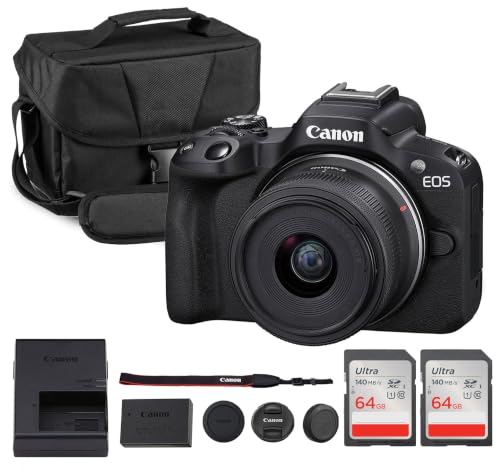




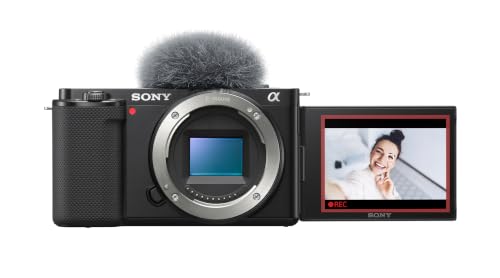
Types of Cameras Compared
Four broad types cover almost every horse shoot, from posed portraits to jumping rounds and trail rides. Each trades size, lens choice, speed, and price in a different way. For broader background, see our guide to the best cameras for photography.
Most buyers today shop digital models, and our overview of the best digital cameras explains shared basics such as sensors and storage. For horses, the differences below matter more, because your subject is large, fast, and often far away.
Mirrorless Cameras
Mirrorless cameras use an electronic viewfinder or the rear screen to show you the scene directly from the sensor. That live view helps you judge exposure before you shoot, which is useful when a dark horse stands against a bright arena fence. There is no mirror inside, so bodies stay smaller and lighter than comparable DSLR models.
The biggest strength for horse work is autofocus. Many mirrorless models track a moving subject and can detect animal eyes, holding focus as a horse trots toward you. Lens choice is now very wide, and silent shooting helps around nervous horses. The trade offs are shorter battery life and higher prices for the fastest bodies.
DSLR Cameras
DSLR cameras use a mirror and an optical viewfinder, so you see the scene through the lens with no electronic lag and no battery drain while you compose. Many riders already own one, and the deep used lens market can lower the total cost of a capable setup. Bodies feel solid and balanced with long lenses.
The limits show up with action and video. Autofocus in live view is often slower, animal eye detection is rare, and 4K video may be limited. Some photographers still enjoy older formats for posed work, and you can read about the best film photography cameras if that slower style appeals to you.
Bridge and Superzoom Cameras
Bridge cameras look like small DSLR models but have one fixed lens with a very long optical zoom. That single lens can cover wide stable yard scenes and distant horses in a far field without any lens changes, which also keeps dust off the sensor. For many casual owners, that convenience is the whole appeal.
The compromise is sensor size. Most bridge models use a small sensor, so image quality drops in dim indoor arenas and fine detail in manes and coats is softer. Autofocus can also struggle with a galloping horse. In return you get a light, simple, lower cost camera ready for almost any distance.
Action Cameras and Vlogging Cameras
Action cameras are tiny and rugged, built to mount on a helmet, chest harness, or arena rail. They shine for rider point of view video and for recording schooling sessions to review later. Wide lenses capture the whole arena, and image stabilization smooths bumpy movement.
Vlogging cameras are compact models built for video first, with flip screens and good microphones for talking at the stable. Neither type replaces a main stills camera, because small sensors and limited zoom make distant horse portraits hard. Treat them as companions, not substitutes.
Mirrorless Cameras vs DSLR Cameras: Which Should You Choose?
For most buyers, the real decision sits between mirrorless and DSLR, since both accept interchangeable lenses and can handle serious horse work. Start with autofocus. If you mainly shoot jumping, dressage tests, or horses moving toward you, mirrorless tracking and animal eye detection give you more sharp frames with less effort.
Next, weigh handling and cost. A DSLR with a long lens can feel better balanced during a full day at a show, and its battery can last that day on one charge. Mirrorless kits are lighter between rings, but budget for spare batteries. Older DSLR lenses often cost less used, while new lens designs now appear first for mirrorless.
Video points the other way. If you film lessons or sales clips alongside stills, mirrorless models usually offer cleaner 4K video and better autofocus while recording. If you shoot stills only and already own DSLR lenses, staying with a DSLR remains a sensible choice.
How to Choose the Right Camera
The product table above gives you the short version of each type. When you compare the best cameras for horse photography candidates for your own routine, work through the factors below in order.
Durability and Weather Sealing
Stables and show grounds are tough on gear. Dust hangs in indoor arenas, rain arrives mid class outdoors, and a camera can swing against a gate or fence. Look for weather sealing around the body and lens mount, solid dials that work with gloves, and a grip you can hold securely with one hand while you lead a horse with the other.
Sealing is resistance, not a promise. A sealed body tolerates light rain and dust far better than an unsealed one, but no camera here is built for full immersion unless it is a rated action camera. A rain cover, a sturdy strap, and a padded bag do as much for survival as the badge on the body.
Sensor Size and Image Quality
Sensor size shapes image quality more than megapixel count does. A full frame sensor gathers more light, giving cleaner files in dim barns and softer background blur behind a portrait. APS C sensors are smaller and lighter, and they add useful reach, because a 200 mm lens frames the subject like a longer lens would on full frame.
One inch and smaller sensors, common in compact and bridge models, look fine in bright daylight. They struggle sooner as light falls, and large prints show the gap. For most owners, APS C balances cost, weight, and quality, while full frame suits low light work and large prints.
Features That Matter for Horse Photography
Autofocus is the feature to put first. Horses move in bursts, change direction, and cross behind rails and other horses, so you want tracking that sticks to your subject and an animal eye mode if you can get it. Check how many focus points cover the frame and whether the camera keeps tracking when you switch to the electronic viewfinder or screen.
Two supporting features deserve attention. A fast burst rate, roughly 8 to 15 frames per second, helps you catch the exact stride or jump moment, and in body image stabilization steadies handheld portrait shots. Optical zoom reach matters more than digital zoom, which only crops and softens the image.
Lens and Zoom Range
The objective lens decides what you can actually frame. For portraits and stable work, a standard zoom covering about 24 to 70 mm on full frame, or the APS C equivalent, handles most scenes. For arena and field action from a safe distance, a telephoto zoom around 70 to 200 mm or 100 to 400 mm keeps you outside the fence while filling the frame.
Aperture affects both light and look. A lens with a maximum aperture of f2.8 gathers more light for indoor arenas and blurs backgrounds more than an f4 zoom, but it costs and weighs more. Confirm the mount matches your body, and remember that the lens often matters more than a small step up in body.
Video, Storage, and Everyday Practicalities
Many owners now film as much as they photograph. If sales videos or lesson reviews matter, look for 4K video, a microphone input, and autofocus that follows a horse smoothly without hunting.
Storage and power shape your day more than spec sheets suggest. Fast burst shooting fills cards quickly, so choose cards rated for your burst speed and carry a spare. Check whether the camera charges over USB, and confirm that spare batteries are easy to find.
Common Mistakes to Avoid
- Buying on megapixels alone, because a huge pixel count cannot fix missed focus on a moving horse.
- Choosing a kit with only a short standard lens, because you will stand too close to the action and crop away detail later.
- Ignoring autofocus tracking, because a camera that hunts for focus will miss the one stride that made the shot.
- Shooting from inside the arena without permission, because you can spook horses and put yourself in real danger.
- Skipping spare batteries and cards, because a long show day ends early when power or storage runs out.
- Paying for pro video features you never use, because that money usually serves you better in a longer or brighter lens.
How to Make Your Camera Last Longer
Clean the lens with a proper lens cloth, not your shirt, because stable dust and grit on fabric can scratch coatings. Blow loose dust off the front element first, then wipe gently in circles. Keep a cap on the lens whenever you cross the yard, and change lenses inside a car or sheltered doorway so arena dust stays out of the body.
Carry a spare battery and rotate your batteries so none sits flat for months. Store the camera in a dry, padded bag at home, away from damp tack rooms where mold can grow on lens glass. Wipe the body after wet or dusty days, and check strap lugs for looseness.
FAQ
What features matter most in cameras for horse photography?
Fast, reliable autofocus tracking matters most in cameras for horse photography. Horses change speed and direction quickly, so tracking with animal eye detection keeps more frames sharp. After autofocus, value a telephoto lens range and a burst rate near 10 frames per second. Many of the best horse photography cameras also add strong image stabilization, which helps most during calm portrait work at slower shutter speeds.
How much should you spend on a first camera for horse photography?
Plan to spend around $600 at the low end and stay under $1200 for a first interchangeable lens setup for horse photography. That covers a solid APS C body with a standard zoom, leaving room to add a telephoto later. Put any extra budget toward the lens before a higher body tier.
Which camera type is better for low light horse photography?
Full frame mirrorless and DSLR cameras are better for low light horse photography than compact or bridge models. Their larger sensors keep noise lower in dim indoor arenas, and they accept bright lenses with wide apertures. A useful extra step is to stand where arena lighting is most even, because patchy light forces harsher settings than the overall darkness does.
What camera specs matter most for beginners in horse photography?
Beginners should look first at simple controls, reliable autofocus, and a lens that reaches at least 200 mm equivalent. Those three specs cover most early horse shoots without overwhelming menus. If you are still learning general technique, see our guide to the best beginning photography cameras for bodies known for clear layouts and helpful automatic modes.
Is a smartphone enough for horse photography instead of a dedicated camera?
A smartphone is enough for quick stable snapshots and short social clips, but not for most dedicated horse photography. Phones rely heavily on digital zoom at arena distances, so detail in coats, tack, and facial expression falls away fast. A practical middle step is a phone for daily moments plus one camera with a real telephoto lens for shows and portraits.
What lens should you buy first for horse photography?
Buy a telephoto zoom first if you already own a standard kit lens for horse photography. A 70 to 200 mm or 70 to 300 mm range lets you shoot safely from the rail and isolate one horse from a busy background. If you are starting from nothing, our overview of the best cameras for starter photography can help you sequence body and lens purchases sensibly.
Final Thoughts
The right choice comes down to three things: autofocus that can follow a moving horse, a sensor large enough for your light, and a lens long enough for your arena or field. Match the type to your routine, use the product table above to compare your shortlist, and spend more of your budget on glass.
Do that, and the best cameras for horse photography for your stable will be the ones you carry often, trust in dust and low light, and reach for every time a horse steps into good light.


