
Best Cameras for Home Video in 2026: Which Type Is Right for You?
Disclosure: We may earn a commission when you buy through links on this page, at no extra cost to you. As an Amazon Associate I earn from qualifying purchases. Learn more

Compare home video camera types side by side, from compacts and action cameras to mirrorless models, and learn which features matter for your space and budget.
Shopping for the best cameras for home video can feel confusing because the options look similar at first glance yet behave very differently at home. Some cameras are built for quick family clips, others for steady tripod work, and others for creative projects that need manual control. The comparison table below sets out the main types side by side so you can narrow the field before you compare specs.
This guide compares each type on its own terms: how it works, what it does well, where it falls short, and who it suits best. It then covers the features that matter most for home video, plus setup and care tips that keep any camera working well. No single type wins for everyone, so the goal is to match the camera to your rooms, your subjects, and your comfort with settings.






Types of Cameras Compared
The table below gives a quick overview. Read it as a starting point, then read the type sections for the details that affect everyday use at home. For always on monitoring rather than clips, see our guide to the best home surveillance cameras.
| Type | Best For | Strengths | Drawbacks | Typical Price |
|---|---|---|---|---|
| Point and shoot compacts | Simple family clips | Easy to use, pocketable | Limited manual control | About $150 to $400 |
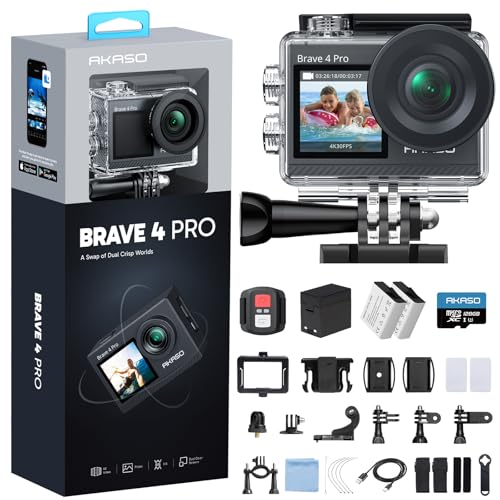
| Action cameras | Active play and outdoor clips | Tough, wide view, steady video | Small screen, wide look | About $150 to $400 |
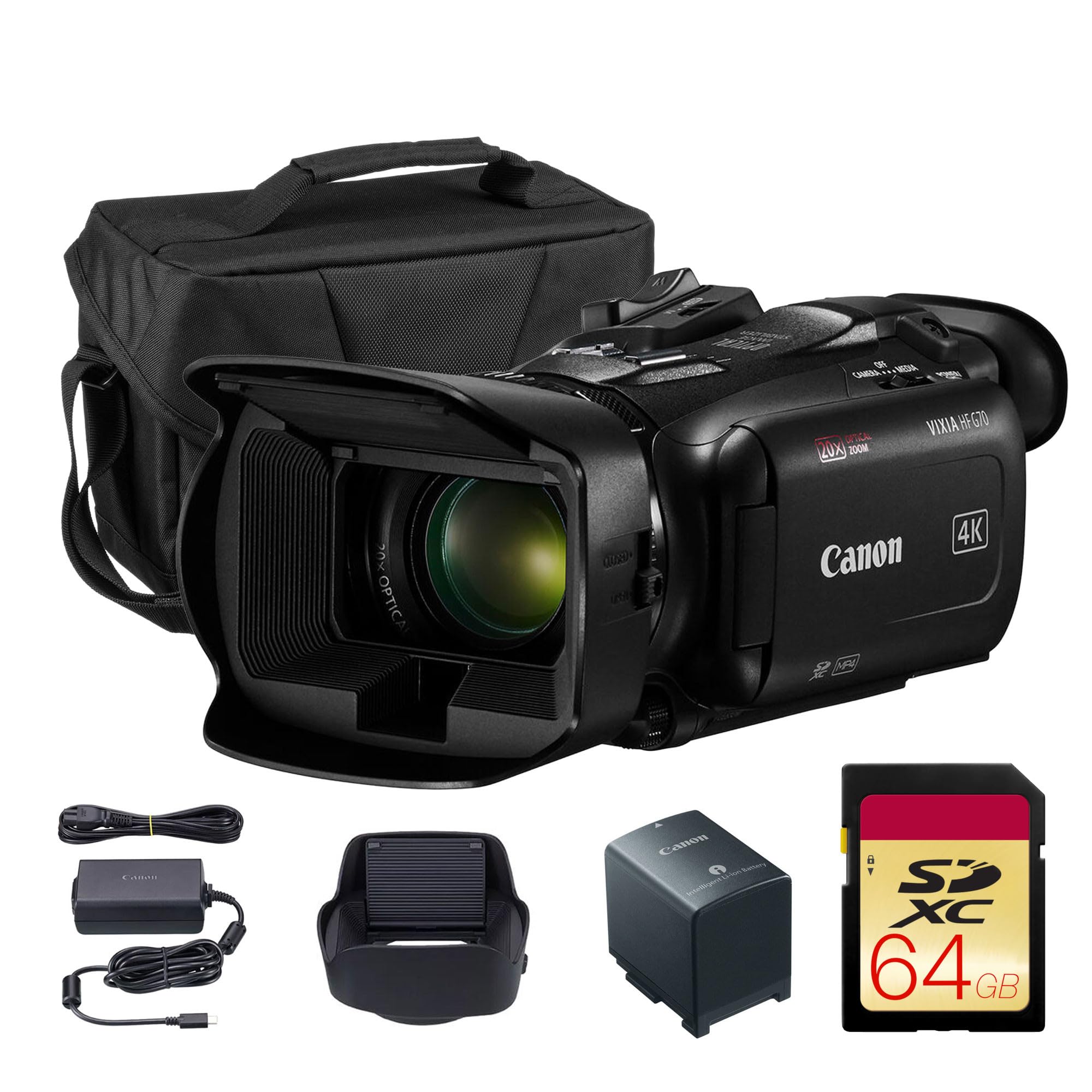
| Camcorders | Long events and steady handheld work | Long zoom, stable grip | Bulky for travel | About $200 to $600 |
| Mirrorless cameras | Creative and high quality projects | Large sensor, lens choice | Higher cost, more learning | About $500 to $1,200 |
Point and Shoot Compacts
A point and shoot compact is a small camera with a built in zoom lens and mostly automatic settings, made for quick photos and clips without fuss. It works well for birthdays, holidays, and everyday family moments where you want to pick up the camera, press record, and put it down again. Strengths include pocket size, simple menus, and a zoom that covers wide rooms and closer faces. Drawbacks include limited manual control, smaller sensors than mirrorless models, and weaker low light video in dim rooms. Choose this type if ease and portability matter more than creative control.
Action Cameras
An action camera is a small, tough camera with a very wide view and strong electronic stabilization, made to record movement. At home it suits active play, garden projects, cooking clips from a fixed mount, and outdoor family time where a larger camera would get in the way. Strengths include weather resistance, steady footage while moving, and mounts for tripods, shelves, and chest straps. Drawbacks include a wide look that can make rooms feel distant, a small screen that is hard to check, and audio that picks up room echo. Choose this type if you record action and want a camera you can mount almost anywhere.
Camcorders
A camcorder is a video first camera shaped for handheld recording, with a comfortable grip, a long zoom, and controls placed for video. It suits school plays, recitals, sports days, and long family events where you record for an hour or more without stopping. Strengths include smooth zooming, stable handheld footage, long battery options, and simple video menus. Drawbacks include larger size than a compact, weaker still photos than a mirrorless camera, and fewer lens choices. Choose this type if long, steady handheld video is your main use and you do not need interchangeable lenses.
Mirrorless Cameras
A mirrorless camera uses a larger sensor and interchangeable lenses, and it can record high quality video with shallow depth of field and strong low light behavior. It suits creative home projects, short films, product clips, and anyone who enjoys learning manual settings. Strengths include lens choice, better low light video, and strong image quality on a larger screen. Drawbacks include higher cost once lenses are added, more menu learning, and larger size than a compact. Choose this type if you plan to edit footage, learn camera craft, and keep the camera for varied projects.
Point and Shoot Compacts Compared With Action Cameras
These two types are often confused because both are small and simple, but they serve different home needs. A compact gives a more natural view, a zoom for faces across a room, and a screen that is easy to check, which suits seated family moments and travel clips. An action camera gives a wider view, stronger stabilization, and tougher sealing, which suits movement, water play, and mounted shots. For audio, a compact usually records voices more naturally indoors, while an action camera needs a quiet room or an external mic for clear speech. If you record mostly calm indoor moments, start with a compact. If you record movement and outdoor play, start with an action camera.
How to Choose the Right Camera
Work through these factors in order, and give the most weight to the ones that match your rooms and subjects. A camera that fits your home and habits will get used far more than a more powerful camera that stays in a drawer.
Sensor Size and Image Quality
Sensor size affects detail, low light behavior, and depth of field more than the megapixel count alone. A larger sensor usually keeps colors cleaner in dim rooms and gives softer backgrounds for portraits and product clips, while a smaller sensor can still look good in bright rooms. Do not judge video by still photo megapixels: frame rate, bitrate, and stabilization matter just as much for smooth motion. For most home video, steady 1080p or 4K video with clean colors beats a fragile top resolution setting.
Durability and Weather Sealing
Durability matters when a camera travels between rooms, gardens, and trips, or when children handle it. A tough body, a sealed battery door, and a stated water resistance rating help a camera survive splashes and dust, but no home camera is fully proof against every accident. For indoor use, a standard compact or mirrorless body is usually enough if you store it in a padded bag. For garden and outdoor play, favor a sealed action camera or a camcorder with a rain cover, and keep the camera away from sand and pool water.
Battery Life and Charging
Battery life decides how much of an event you capture without a break. A camera that records for about an hour suits short clips, while a school play or a long celebration needs a larger battery or a spare. Check the video recording time, not just the still photo count, and confirm whether the camera charges over USB C while recording or only when switched off. Carry a spare battery for long events, and keep a charger in the same bag as the camera so you are not caught out at the venue.
Ease of Use for Your Skill Level
Ease of use covers menus, auto modes, and how fast you can start recording. A beginner benefits from a clear auto mode, a touchscreen, and a one button record start, plus an app that transfers clips to a phone without cables. A more experienced user may want manual exposure, focus peaking, and custom buttons for faster control. Try the menu logic before you buy if you can, and favor a camera whose main controls you can reach without hunting through deep menus during a moment you want to capture.
Features That Matter for Home Video
Home video needs differ from studio needs, so focus on features that help in real rooms. Good autofocus that tracks faces, steady stabilization for handheld walking shots, and a microphone input for clearer voices matter more than exotic frame rates. A flip screen helps when you film yourself or check framing from the front, while a headphone jack helps you monitor audio on longer projects. If you want continuous recording rather than clips, see our guide to the best home video surveillance cameras. Storage matters too: check the memory card type, the maximum supported size, and whether the camera splits long recordings into shorter files.
Setup and Care Tips
Charge the battery fully and format the memory card in the camera before an important event, since a card formatted elsewhere can cause errors. Clean the lens with a lens cloth, not your shirt, and keep the camera in a dry, padded bag between uses. For indoor video, place a lamp or a window light in front of your subject rather than behind them, and record a short sample clip to check sound before the main event. Keep home recording respectful of others: follow local placement and recording rules, get consent where needed, and keep bedrooms and bathrooms camera free. Note that a home video camera is not a security camera, and it offers no privacy or security guarantee. If you need always on monitoring instead, see our guide to the best video security cameras for home.
FAQs
What features matter most in cameras for home video?
Face tracking autofocus, steady stabilization, clear audio, and simple controls matter most, because they decide whether everyday clips look and sound good without expert skill. A camera that holds focus on people, smooths handheld movement, and records voices clearly will serve most homes better than a camera with a higher resolution figure alone. After those basics, look at battery life, low light behavior, and how easily clips transfer to your phone or computer for editing and sharing.
Which camera type is better for low light rooms?
A mirrorless camera usually handles dim rooms best, thanks to its larger sensor and wider aperture lens choices, followed by a good camcorder with a fast lens. A compact can still work in a well lit living room, but it will show more noise in a dark room. An action camera is the weakest indoors at night unless you add room lighting. If you often film in dim rooms, add a simple lamp in front of your subject as well as choosing a larger sensor, since light helps every camera type.
What specs matter most for beginners?
Beginners should focus on reliable autofocus, stabilization, a clear battery figure, and a simple menu, rather than advanced manual settings. A camera with one button recording, a clear recording signal, and a standard memory card is easier to learn and less likely to miss a moment. Look for smooth 1080p or 4K video at a steady frame rate, a flip screen if you film yourself, and an app that moves clips to your phone. You can learn manual modes later, once the basics feel natural.
How much should I spend on my first home video camera?
Most first time buyers do well between about $150 and $500, where you get steady video, decent audio, and a usable zoom or wide view without a large outlay. Spend less if you only want short family clips, and spend more only if you plan to edit often, film in dim rooms, or learn creative camera work. Leave room in the budget for a memory card, a spare battery, and possibly a small tripod. If the total rises well above your plan, step down a type rather than skipping the accessories you need.
Is a smartphone enough instead of a dedicated camera?
A smartphone records good video in bright rooms and is always with you, so it suits short, casual clips and quick sharing. A dedicated camera adds a longer zoom, better stabilization for walking shots, longer recording times, and controls that do not interrupt a call or a message. A camcorder or mirrorless camera also keeps your phone free during long events. Use a phone for everyday moments, and a dedicated camera for events, projects, and footage you plan to edit and keep.
Our Verdict
Match the type to your main use: a compact for simple family clips, an action camera for movement and outdoor play, a camcorder for long steady events, and a mirrorless camera for creative projects. If your goal is monitoring rather than making clips, see our guide to the best home cameras for security. Then weigh autofocus, stabilization, audio, battery life, and ease of use before you compare resolution figures. The product table above can help you compare the types side by side. When those factors line up with your rooms, subjects, and budget, the best cameras for home video for you will be the camera you actually reach for, time after time.


