
Best Cameras for Home Assistant: The Buyer Checklist for 2026
Disclosure: We may earn a commission when you buy through links on this page, at no extra cost to you. As an Amazon Associate I earn from qualifying purchases. Learn more

Learn how to choose cameras that work with a home assistant, from compatibility and placement to night vision, storage, and privacy controls, before you buy.
Shopping for best cameras for home assistant use is less about the sharpest image on paper and more about whether a camera fits your home, your network, and your daily routine. A camera that will not join your home assistant setup, or that needs a plug where you have none, will frustrate you no matter how good its sensor looks. The comparison table below sorts the main connection and placement types so you can narrow the field before you compare details.
This guide works as a buyer checklist. It walks through compatibility, power, placement, night vision, storage, and privacy, so you can spot a good match and avoid a camera that fights your home setup. Keep local placement and recording rules in mind as you plan, and never assume a camera alone can guarantee safety.


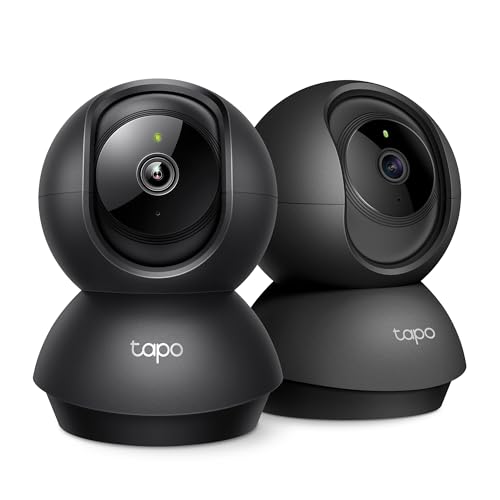
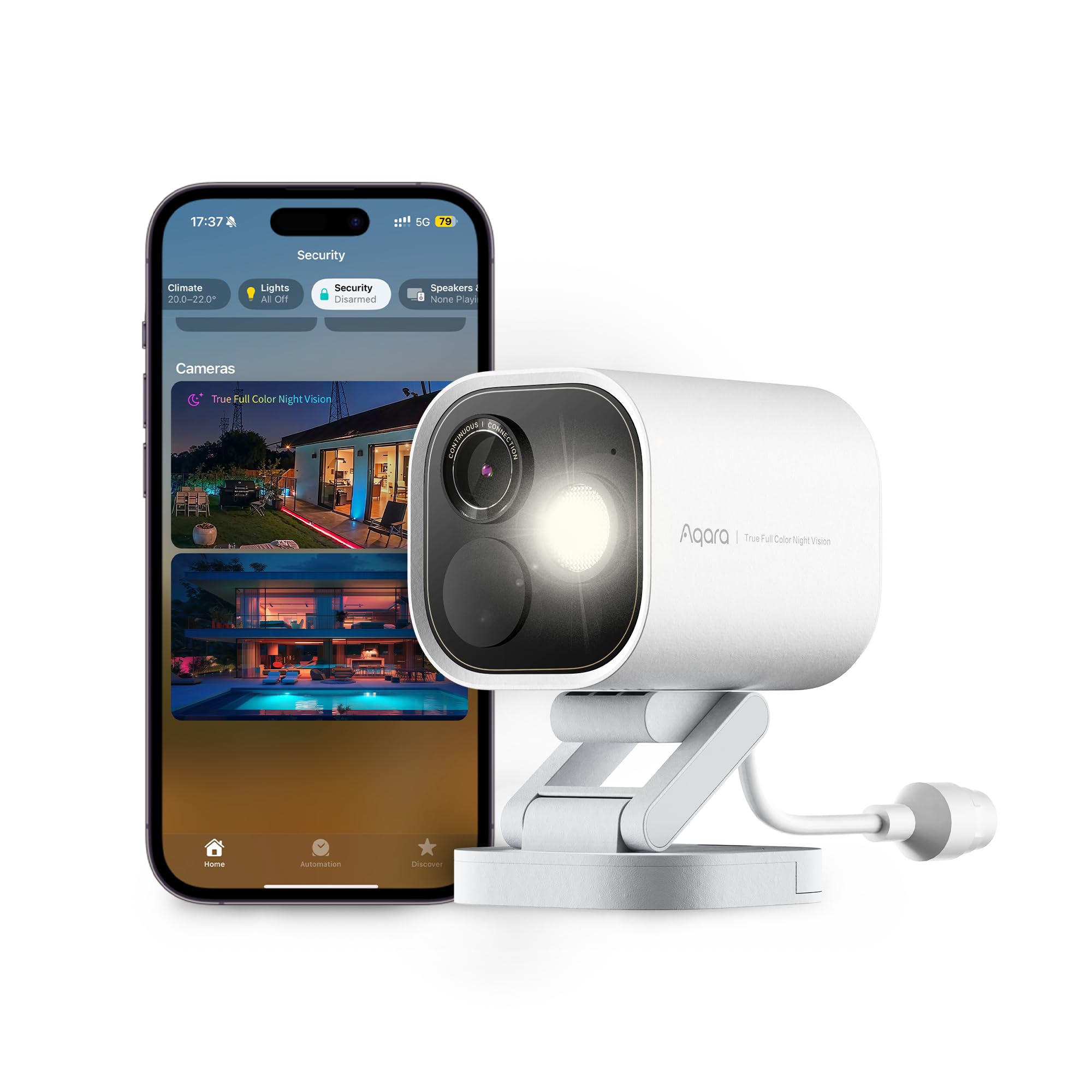
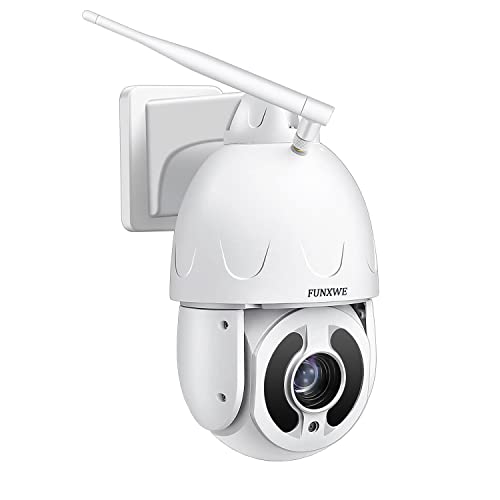
Key Criteria to Compare
Use these criteria as a checklist when you compare cameras. A camera that passes most of them for your home is a better buy than one that excels in a single area but fails on compatibility or power.
Features That Matter for Home Assistant
Home assistant use demands features that a standalone camera guide can overlook. The camera should join your home assistant platform without constant workarounds, respond to automations you set, and show a live view where you expect it, such as a display or a phone app. Check whether motion events, doorbell presses, or person detection can trigger routines, and whether the camera keeps working for basic viewing if your internet connection drops. A camera that only works inside one closed app will limit what your home assistant setup can do.
Sensor Size and Image Quality
Sensor size affects how a camera handles dim hallways and bright doorways, but it is not the whole story for home use. A mid sized sensor with good processing often gives a clearer view of a porch or a room than a high megapixel count paired with a weak lens. For home viewing, favor a clear image at the distance you will actually watch, such as a face at a door, rather than fine detail at long range. Check the field of view too, since a wide view can cover a whole room while a narrow view may miss movement at the edges.
Video Capabilities
Video for home assistant use should be steady, clear, and easy to review. Resolution matters, but frame rate and compression matter as well, since a choppy or heavily compressed clip can hide useful detail. A microphone helps you hear a visitor, while two way audio lets you speak through the camera. If you plan to record clips for later review, confirm how long clips are kept, how you can download them, and whether the camera can record without a paid plan.
Ease of Use for Your Skill Level
A home camera should be simple to set up, simple to move, and simple to check from a phone. Auto modes and guided setup help, but the real test is daily use: can you find a clip, change a setting, or share access with a family member without a long search? A clear app layout and plain language settings help every household member, including people who did not install the camera. If setup needs network changes you do not understand, ask a qualified installer for help rather than guessing with router settings.
Open Standards: RTSP, ONVIF and Local Control
The most reliable way to bring a camera into home assistant is through open standards. An RTSP stream lets the platform pull live video straight from the camera on your own network, and ONVIF support makes discovery, pan and tilt control, and motion events easier to set up. Cameras that depend only on a cloud account can still work through an official integration, but they stop when the vendor service or your internet connection fails. Before you buy, look for a listed RTSP or ONVIF feature, a local storage option, and a way to turn the cloud features off.
Autofocus and Stabilization
For a fixed home camera, autofocus and stabilization play a smaller role than they do for a handheld camera, but they still matter for cameras that move or zoom. A camera that pans, tilts, or zooms should refocus smoothly and hold a steady image while it moves. For door and porch cameras, favor a fixed focus that stays sharp across the area you watch, since a camera that hunts for focus in low light can miss a brief event.
Durability and Weather Sealing
Outdoor cameras face rain, dust, heat, and cold, so sealing and build quality matter. A camera rated for outdoor use should handle rain and temperature swings without fogging or failing, and its mount should hold firm in wind. Indoor cameras do not need the same sealing, but they should still handle humidity in a kitchen or a garage. Check the operating temperature range for your climate, place outdoor cameras where they are sheltered from direct driving rain when you can, and see our guide to the best home surveillance cameras if you plan a wider outdoor setup.
Lens and Zoom Range
Lens choice shapes what a home camera can see. A wide lens covers a whole porch or room, while a longer lens reads detail at a gate or driveway from farther away. Optical zoom keeps detail as you zoom in, while digital zoom crops the image and lowers quality, so favor optical zoom when detail at distance matters. For most homes, a wide fixed lens at each entry point plus one longer view for a driveway or yard gives better coverage than a single camera asked to watch everything.
| Connection Type | Best For | Watch For |
|---|---|---|
| Wired with power over ethernet | Steady power and video in one cable | Cable runs and installer help |
| WiFi plug in | Easy placement near an outlet | Signal strength and outlet access |
| WiFi battery | Places with no nearby outlet | Charging and battery life |
Spending Levels to Consider
Use these spending levels to match a camera to your home and budget. Each level trades features for cost in a different way.
Budget Level
A budget level camera can cover a single entry point or room with basic live viewing, motion alerts, and night vision. Expect a simpler app, a narrower set of automation options, and storage that may depend on a card or a basic plan. This level suits a first camera or a low traffic spot, such as a side door, where you mainly want to see who is there rather than record long clips.
Mid Level
A mid level camera adds stronger night vision, clearer two way audio, and wider home assistant options, such as routines triggered by motion or person detection. Storage choices are often more flexible, and build quality tends to suit outdoor use better. This level suits main entry points and busy rooms, where you will check the camera often and want reliable alerts without constant false alarms. For a security focused view, see our guide to the best security cameras for home assistant.
Higher Level
A higher level camera adds features such as a longer optical zoom, a wider field of view, better low light color, and more durable weather sealing. It may also offer local storage, longer clip history, or more automation options. This level suits a main driveway, a large yard, or a home where several cameras must work together.
Quick Buyer Checklist
- Does the camera join your home assistant platform without a workaround?
- Is there power where you plan to place it, or can you run a cable safely?
- Does your WiFi signal stay strong at that spot, day and night?
- Can you see faces and movement clearly in low light at that distance?
- Do you know where clips are stored, for how long, and what it costs?
- Can you control who sees the camera and turn recording off when you want?
- Does the mount hold firm, and can you reach the camera for cleaning and charging?
- Have you checked local rules for placement and recording in shared or rented spaces?
Red Flags to Watch For
- Vague specs that never state resolution, field of view, or night vision range in clear terms.
- No clear statement about storage, subscription costs, or how long clips are kept.
- Missing safety or outdoor ratings on a camera sold for porch or yard use.
- Unusually short warranty terms with no clear support channel for setup help.
- An app that demands broad permissions or hides privacy controls behind unclear menus.
How to Make Your Camera Last Longer
Simple care keeps a home camera working well for years. Use a lens cloth, not your shirt, to clean the lens, since fabric can carry grit that scratches glass.
Carry a spare battery for battery cameras, and store spare parts in a dry, padded bag. Check mounts, cables, and seals from time to time, especially after storms, and keep vents and sensors free of dust and webs. A camera placed under an eave or shelter will usually last longer than one exposed to direct rain and sun.
Frequently Asked Questions
What features matter most in cameras for home assistant?
Compatibility, placement, and privacy controls matter most in cameras for home assistant use. A camera should join your platform, respond to routines, and show a live view where you expect it. Power and signal strength at the mounting spot matter as much as image quality, since a camera that drops offline cannot help. Night vision, storage terms, and clear privacy settings round out the list, and a camera that passes those checks will serve a home assistant setup better than one with a longer spec list but weak integration.
Is a smartphone enough instead of a home camera?
A smartphone is enough for a quick live check when you are home, but it cannot watch a door or a room while you are away. A fixed home camera gives steady coverage, motion alerts, and a record you can review later, which a phone left on a shelf cannot match. Phones also need charging and a stable position, while a mounted camera stays aimed and powered. If you only need an occasional look at a room, a phone may do, but for entry points and daily routines, a dedicated camera is the practical choice.
What does PoE mean for a home camera?
PoE stands for power over ethernet, which means one cable carries both power and network data to the camera. This setup gives a steady connection and avoids a separate power outlet at the mounting spot, which helps for eaves, garages, and gates. It does need a cable run and a compatible switch or injector, so it often suits new builds or homes where cables can be run safely. If cable runs are not practical, a WiFi camera near an outlet or a battery camera may be a simpler fit.
Which is better for low light, a larger sensor or infrared night vision?
Infrared night vision usually matters more than sensor size alone for dark porches and yards, since it lets a camera see in near darkness. A larger sensor can help in dim light by keeping color and detail longer as light fades, but it cannot match infrared in full darkness. For home use, favor a camera that switches cleanly to night mode, keeps a clear image without harsh glare, and covers the distance to your door or driveway. If you want color at night, check how the camera lights the scene.
How much should I spend on my first home assistant camera?
A first home assistant camera often costs around $50 to $200 for a basic indoor or porch option, while outdoor wired options can run higher once cables and mounts are included. Start with one entry point, confirm that it joins your platform and holds a steady signal, then add cameras only where coverage is thin. Spending more makes sense for a main door or driveway, where night vision and reliable alerts matter most. For a wired option, see our guide to the best poe cameras for home assistant before you plan cable runs.
What specs matter most for beginners?
Beginners should focus on compatibility, field of view, night vision range, power type, and storage terms rather than advanced video formats. A camera that joins your home assistant setup easily, covers the area you watch, and stores clips in a way you understand will cause fewer problems than a camera with rare features. Check the app as well, since a clear layout helps you find clips, change settings, and share access without confusion. A simple camera that stays online and easy to use will serve a first home setup better than a complex one.
Our Verdict
Choose a camera that fits your platform, your power options, and your mounting spot before you chase the highest resolution. Check night vision at the real distance you will watch, confirm storage and privacy terms, and follow local placement and recording rules. Compare the product table above against your checklist, then start with the entry point that matters most and expand only where coverage is thin. With those priorities in order, best cameras for home assistant becomes a clear, practical decision for your home.


