
Best Cameras for Hobby Photography in 2026: Every Type Explained Side by Side
Disclosure: We may earn a commission when you buy through links on this page, at no extra cost to you. As an Amazon Associate I earn from qualifying purchases. Learn more

Compare every camera type side by side, from mirrorless and DSLR to compacts and action cameras, and choose a camera your photography hobby can grow with.
Choosing a first serious camera is confusing because every type promises the same great photos in very different ways. The honest way to shop for the best cameras for hobby photography is to compare types first and spec sheets second. A hobby purchase is also a growth purchase: the system a camera belongs to decides what your hobby can become, and a closed system with no path to new lenses is the one buyers outgrow fastest.
This guide explains each type side by side, then covers the controls, sensor classes, and budget steps that matter once the type is chosen. The comparison table below gives the short version, and our guide to best cameras for photography covers the wider category first.

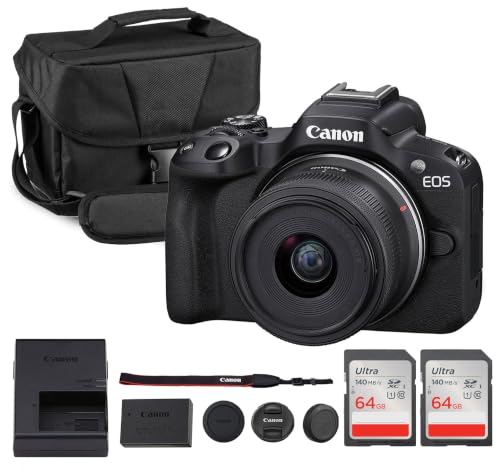

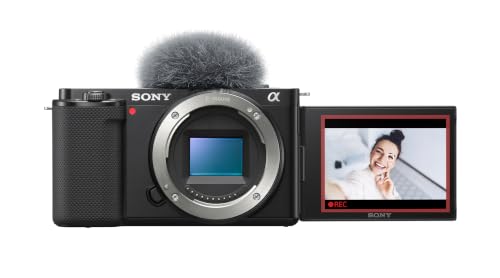


Types of Cameras Compared
Four types cover nearly every hobbyist shortlist. They differ less in good day photos than in handling, in what they let you change later, and in what they ask you to carry.
| Type | Best For | Pros | Cons | Typical Price |
|---|---|---|---|---|
| Mirrorless | Growing hobbyists | Changeable lenses, compact bodies, strong video | Shorter battery life, lens prices add up | about $400 to $1,000 |
| DSLR | Learners on a budget | Optical viewfinder, long battery life, cheap used lenses | Bulky bodies, slower focus in live view | about $400 to $900 |
| Point and shoot compact | Travel and family photos | Pocket size, simple controls, nothing extra to buy | Fixed lens, small sensor limits | about $150 to $500 |
| Action camera | Adventure and video | Rugged, waterproof, very wide view | Tiny controls, still photos come second | about $200 to $450 |
Mirrorless Cameras
Mirrorless cameras read the scene straight from the sensor, so the screen or electronic viewfinder shows exposure as it will record. Bodies stay compact, lenses change to suit the subject, and video features tend to lead the class. This is the growth path most hobbyists choose, because the lens system keeps opening new subjects, from portraits to wildlife, as skills and budget grow. The trade offs are shorter battery life and lens prices that reward slow, planned buying.
DSLR Cameras
A DSLR uses a mirror and an optical viewfinder, so you see the scene through the lens with no screen delay and no battery drain while you compose. Decades on sale mean a deep used market in bodies and lenses at friendly prices. Handling is confident and battery life is long, which suits long days out. The costs are bulk and weight, plus focus that slows down when you switch from the viewfinder to the rear screen for video or awkward angles.
Point and Shoot Compacts
A compact camera fixes its lens to the body and fits in a coat pocket, ready in seconds with nothing to assemble. Better models use a larger 1 inch sensor class and a bright zoom lens, and they take travel and family photos far beyond what their size suggests. The limit is built in: the lens you buy is the lens you keep, and the smaller sensor gives up ground in dark rooms. Choose this type when carrying the camera everywhere matters more than changing it later.
Action Cameras
Action cameras are small, rugged, and waterproof, built to be mounted on a helmet, a bike, or a chest strap and forgotten. Their very wide lenses and strong stabilization shine for video of movement, and stills are wide and heavily processed. Controls are tiny and mostly automatic, which makes this type a poor teacher for photography itself. Treat it as a second camera for adventures, or a first camera only when video of sports and water is the whole hobby.
Fixed Lens or Interchangeable Lens: Which Should You Choose?
This single choice splits the types above into two camps. Fixed lens cameras win on size, simplicity, and total cost: one purchase, no decisions, and a camera that is actually with you. Interchangeable lens cameras win on growth and control, because each new lens class opens subjects the old one could not reach, and the body can be replaced while the lenses stay. Shoppers browsing the wider shortlist in our guide to best hobby cameras will notice the same divide running through every price class.
One path sits outside the digital classes entirely: best film photography cameras expose rolls of film, a slower medium class that some hobbyists choose for the discipline it teaches.
How to Choose the Right Camera
Features That Matter for Hobby Photography
Manual control is the feature that turns a camera from a recording tool into a teacher. You want aperture, shutter speed, and ISO reachable on dials or a quick menu, not buried three screens deep, because a camera that hides its controls teaches nothing and invites you to stay in auto forever. Raw file capture matters for the same reason: it keeps the sensor data open for editing later, when your skills catch up with your eye.
Sensor Size and Image Quality
Sensor classes in hobby cameras run from the 1 inch class in premium compacts, through the APS C class in most mirrorless and DSLR bodies, up to the full frame class at the top of the market. A larger sensor gathers more light, which shows up as cleaner files in dim rooms and softer backgrounds behind portraits. Megapixel counts matter far less: every current class has enough resolution for large prints, so buy sensor size and lens quality before pixels.
Low Light Performance
Low light results come from three places working together: a sensor class with clean high ISO files, a lens class with a wide maximum aperture, and stabilization that steadies your hands at slow shutter speeds. Of the three, the lens aperture is the one buyers most often overlook, because a modest body with a bright prime lens will outshoot a costly body wearing a slow kit zoom after dark. If your hobby leans toward evening streets, concerts, or indoor family life, rank this factor first.
Ease of Use for Your Skill Level
Good hobby cameras meet you where you are: a full auto mode for the first month, guided menus that explain each setting in plain words, and a phone app that moves photos over without cables. The shortlist in our guide to best beginning photography cameras favors exactly that kind of gentle start. A menu system so dense that the camera stays home helps no one; the best learning camera is the one you carry daily.
A Budget in Stages
Stage your budget the way the hobby itself grows: body first, lenses after. A sensible first stage buys a capable body with one general lens and leaves money aside, because the second lens, chosen once you know your subjects, changes your photos more than any body upgrade will. Add the quiet costs to the plan from the start: a memory card, a spare battery, and a padded bag. Spending the whole budget on the body alone is the classic way to own a fine camera and nothing to shoot with.
Setup and Care Tips
Set the camera to record raw plus JPEG on day one, so your early files stay editable as your editing skills grow. Format the memory card in the camera, not on a computer, and keep a spare battery charged in your bag. Clean the lens with a proper lens cloth, never your shirt, since grit on fabric scratches coatings. Store the camera in a dry, padded bag away from damp cupboards, and blow dust off the sensor area with a hand blower rather than a cloth.
Frequently Asked Questions
What features matter most in cameras for hobby photography?
Reachable manual controls matter most, because they decide whether the camera teaches you or keeps you in auto. After that, look at the viewfinder or screen you will compose with every day, since a display you enjoy using leads to more practice. Lens choice within the system comes third: a system with affordable prime lenses will serve a growing hobby better than a slightly sharper sensor in a system you cannot afford to expand.
How much should I spend on my first hobby camera?
Most beginners land between about $300 and $800 for a body and first lens, and that range buys real manual control and a path to grow. The used market stretches it further, since older bodies lose price faster than ability. Hold back part of the budget for a card, a spare battery, and a bag. If the total still feels steep, a premium compact at about $300 to $500 is a respectable start that resells well later.
Is a DSLR or a mirrorless camera better for a hobby?
Neither type wins outright; they suit different hands and budgets. A DSLR gives you an optical viewfinder, long battery life, and the cheapest used lenses in the hobby, at the cost of size. A mirrorless camera gives you a preview of exposure before you shoot and a smaller bag, at the cost of battery life. Handle both if you can, because the one that feels right is the one you will carry, and carrying it is what improves your photos.
What specs matter most for beginners learning hobby photography?
Beginners should rank a tilting screen, clear menus, and in body stabilization above headline specs like megapixels. A screen that flips helps you learn low and high angles without lying on the ground, and stabilization forgives shaky hands while technique develops. The picks in our guide to best cameras for starter photography weight those learning friendly traits heavily. Ignore burst speed and 4K badges unless your subjects move fast or your hobby is video first.
Can a smartphone replace a first hobby camera?
A smartphone can start the hobby, and its automatic processing hides many beginner mistakes. What it cannot teach is control: fixed aperture, a small sensor, and software deciding exposure for you. It also shows its limits in print, where phone files soften beyond modest sizes while camera files hold together on a wall. If you already shoot daily on a phone and keep wanting more say over the result, that frustration is the reliable sign a dedicated camera will earn its cost.
The Bottom Line
Pick the type that matches how you will actually carry and use the camera, then judge it by its controls and its lens system rather than its spec sheet peaks. The best cameras for hobby photography are the ones that keep teaching you a year after purchase, and the product table above lines the main types up so you can compare that growth path at a glance.


