
Best Cameras for Hiking and Backpacking in 2026: Every Type Explained Side by Side
Disclosure: We may earn a commission when you buy through links on this page, at no extra cost to you. As an Amazon Associate I earn from qualifying purchases. Learn more

Compare cameras for hiking and backpacking by type, weight, sensor, stabilization and battery life, with a clear checklist for trail ready choices.
Choosing a camera feels confusing, because makers sell compacts, mirrorless bodies, action models and long zoom bridges for the same job. The best cameras for hiking and backpacking are not the biggest or the priciest. They are the ones you still want to carry on day four, in rain and cold. Compare types in the comparison table below before you choose.
Start with how you travel. A day hiker can trade a little weight for a larger sensor. A long distance walker counts every ounce and needs power bank charging. A parent at family camps needs simple controls and fast sharing.


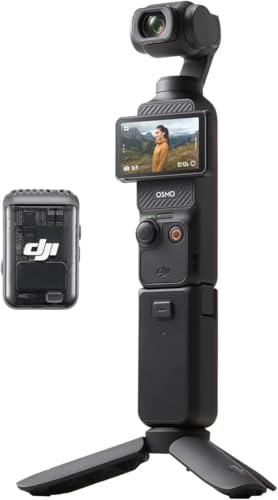



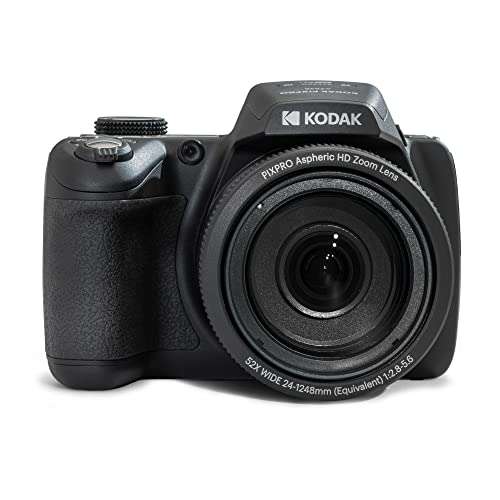

Types of Cameras Compared
Each type below can work on the trail, and each asks for a different trade. If you want the wider picture first, see our guide to the best digital cameras for where these types sit among everyday cameras.
Point and Shoot Compacts
Point and shoot compacts keep the lens fixed to the body, so there is nothing to swap or learn before a trip. Most weigh about 7 to 14 ounces and slip into a hip belt pocket. A 1 inch sensor gives cleaner files than a phone in shade and dusk. Choose it for speed, low weight and simple menus. Prices often run about $250 to $600.
Mirrorless Cameras With One Versatile Lens
A mirrorless body with one versatile zoom lens gives the best image quality most hikers can carry, with changeable lenses for later. The kit weighs about 1.5 to 2.5 pounds, so it suits day hikes better than long thru hikes. Larger sensors handle dawn light and forest shade well. Choose it if photography is a main reason for the trip.
Action Cameras for Rough and Wet Days
Action cameras are tiny boxes built for movement, spray and drops. Most weigh about 4 to 6 ounces, mount on a pack strap, and record wide video while you walk or paddle. Still photos are usable, but small sensors and a wide fixed lens limit detail and reach. Choose one if video matters most or weather is harsh.
Bridge Cameras With Long Zoom Reach
Bridge cameras look like small mirrorless bodies but keep one fixed lens with very long reach. That reach gives strong magnification of birds, goats and distant peaks through one sealed objective lens, with no heavy telephoto lens to carry. Most weigh about 1 to 2 pounds, and smaller sensors trail larger formats in low light. Choose this type if wildlife and distant detail matter most.
Mirrorless Cameras vs Point and Shoot Compacts: Which Should You Choose?
Most buyers narrow the choice to these two. A compact wins on weight, pocket access, price and ease. A mirrorless camera wins on sensor size, low light quality, control and lens choice.
Pick the compact for long miles, mixed weather and family trips. Pick the mirrorless body for photo focused trips with shorter miles. For a packing first view, see our guide to the best cameras to take backpacking.
How to Choose the Right Camera: Key Features to Compare
Judge every model against the six factors below, in this order, so a striking extra cannot hide weak sealing or poor battery life.
Weight and Packed Size on the Trail
Count the whole kit, not the body alone. Add the lens, case, strap, spare battery and charger. Under 1 pound suits long miles and small packs. About 1 to 2.5 pounds suits most day hikes. Above that, ounces compete with water and food. Choose a size you will keep within reach, because a camera in the pack lid takes no photos.
Sensor Size Versus Weight on the Trail
Sensor size shapes image quality more than megapixel count does. A 1 inch sensor is a strong step up from a phone. APS C sensors gather more light and hold detail in shade, while full frame sensors do best at dusk but add size and cost. More megapixels help cropping and prints, but cannot fix a tiny sensor in poor light.
Weatherproof Build and Toughness
Weatherproof and weather sealed are not the same promise. A weatherproof action camera can go underwater within its stated depth, while a sealed stills camera resists rain and dust but should not be soaked. Check the sealing claim. On wet routes, a sealed body often outlasts a finer camera. A wrist strap also guards against drops.
Image Stabilization and Autofocus
Image stabilization steadies the frame when you shoot by hand at dusk or on a windy ridge, and it helps video look calm while you walk. Autofocus speed decides whether a deer or a trail partner stays sharp. Look for subject tracking for faces and animals, plus focus for low contrast light. Stabilization cannot freeze a moving subject, so shutter speed still matters.
Battery Life, Charging and Ease of Use
Plan power for the longest gap between outlets. Cold mornings and heavy video use drain packs fast, so carry a spare battery. USB charging lets a power bank top up the camera, which suits multi day routes. Ease of use counts too. Clear auto modes, simple menus, app transfer and gloves friendly buttons help you shoot and share fast.
Video Capabilities for Trail Stories
Most current models record 4K video, and useful questions sit beyond that label. A rate of 60 frames per second gives smoother motion for walking and water. A microphone input improves voice recording, while a flip forward screen helps solo walkers. Log profiles suit users who edit color later. For casual video, choose strong stabilization and simple controls.
Picking the Right Cameras for Different Uses
Your main use should settle close calls. Wildlife watchers need reach, vloggers need sound and a flip screen, and minimalists need the smallest kit. For routes built around pack space, see our guide to the best digital cameras for backpacking.
Best Cameras for Hiking and Backpacking Tripod: Which Type Works Best on the Trail
A tripod changes the choice, because the support alone adds about 1.5 to 3 pounds. Compact and mirrorless bodies suit a tripod, while an extended bridge camera can feel front heavy on a light head. Look for a firm quick release plate, leg locks that suit gloves, and a head rated above your full kit weight. That stability matters more than extra zoom.
Common Mistakes to Avoid
These errors cost money or photos.
- Buying the largest sensor without weighing the kit leaves the camera at home on climbs.
- Trusting digital zoom figures instead of optical reach gives soft, cropped looking photos.
- Ignoring the sealing claim leads to a soaked camera after one rain shower.
- Packing one battery for a multi day trip ends shooting before the best light arrives.
- Choosing complex menus you never learn causes missed shots while subjects move on.
- Carrying a tripod rated below your kit weight lets the head creep during exposures.
How to Make Your Camera Last Longer
Clean the lens with a lens cloth, not your shirt, because grit held in fabric can scratch the coating. Wipe rain and dust off the body before you open any port. Carry a spare battery in an inside pocket when it is cold, and store the camera in a dry, padded bag.
At home, store the camera dry with the battery partly charged and the lens cap on. Let a wet camera air out open before storage. Check strap lugs and plates before each trip, and brush sand off gently.
Frequently Asked Questions
What features matter most in cameras for hiking and backpacking?
The features that matter most are low weight, weather sealing and a sensor matched to your light. Start there, then rank lens reach for your subjects. Pack the full kit for a two hour local walk. If your shoulders notice it before your eyes enjoy it, the kit is too heavy for longer routes.
Which camera type is better for low light on hiking and backpacking trips?
A mirrorless camera with an APS C or full frame sensor is better for low light. Its larger sensor holds color and detail at dawn and in forest shade with less grain. A compact can still work if you brace it on a rock or a tripod, which avoids hand shake in longer exposures.
What specs matter most for beginners buying a first hiking and backpacking camera?
The specs that matter most for beginners are sensor size, optical zoom range and battery shots per charge. Ignore long lists of scene modes. A guided auto mode that explains settings on screen helps you learn while you shoot. Start with one lens, and add gear only after a season shows what you miss.
How much should I spend on my first hiking and backpacking camera?
Most first time buyers should spend about $300 to $700. That range covers strong compacts and entry mirrorless kits, plus a case, a spare battery and a card. Spending more buys low light quality and reach. If the budget is tight, protect the trip fund, because good places improve photos most.
How much optical zoom do cameras for hiking and backpacking need?
Most hiking cameras need optical zoom of about 3x to 10x, shown as a lens range such as 24 to 200 mm. The first figure is the wide landscape view, and the second is the reach for peaks. Wildlife shooters may want more, at a weight cost. Judge reach by the lens range, not by a digital zoom figure.
Is a smartphone enough instead of a camera for hiking and backpacking?
A smartphone is enough if your photos stay on a screen, light is good and weight matters most. A dedicated camera pulls ahead for optical reach, dawn and dusk quality, buttons that work with gloves, and battery life that leaves your phone free for maps. Many hikers later add a compact after seeing the same limits twice.
Our Verdict
Match the type to your miles first, then compare sensor size, sealing and power. Compacts suit most walkers, mirrorless bodies suit photo focused trips, action models suit rough video days, and bridges suit wildlife. Use the product table above to check weight and price. For mile focused trips, see our guide to the best cameras for hiking trips.
Chosen well, best cameras for hiking and backpacking gear disappears into the walk and leaves clear records of the places you worked to reach.


