
Best Cameras for Backpacking: Matching the Right Camera to Your Trip in 2026
Disclosure: We may earn a commission when you buy through links on this page, at no extra cost to you. As an Amazon Associate I earn from qualifying purchases. Learn more

Match the best cameras for backpacking to your trip length and shooting style, with honest guidance on weight, battery life, weather sealing and cards.
Every camera decision on a backpacking trip is really a weight decision wearing a disguise. A body and lens that feel light in a shop ride on your shoulders for six to ten hours a day, across climbs your knees will remember, and every gram of that kit is a gram you chose to carry instead of food, water, or a warmer layer. That is why the search for best cameras for backpacking starts with the pack, not the spec sheet. The right camera is the heaviest one you will still be glad to carry on day four.
Trip length is the first fork in the trail. An overnight trip forgives almost any kit, because you walk one day in and one day out and the battery question barely exists. A weekend trip adds a second and third day of shooting with no wall socket anywhere. A week long route turns power, cards, and weather into planning problems. A thru hike measured in months makes weight and durability the whole argument. The comparison table below groups the main camera classes against those trip lengths, and the sections after it match each class to the walkers who actually thrive with it.
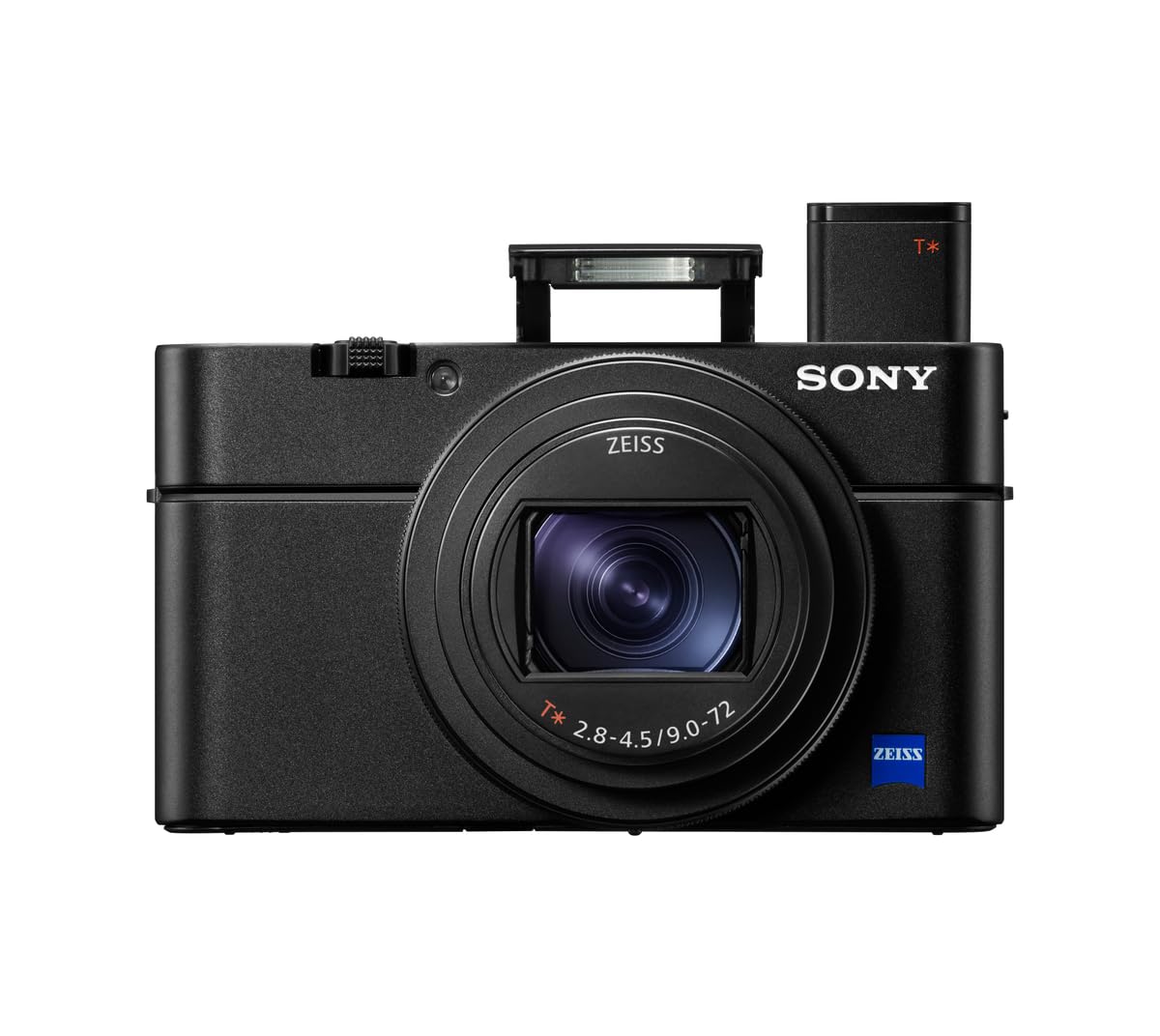
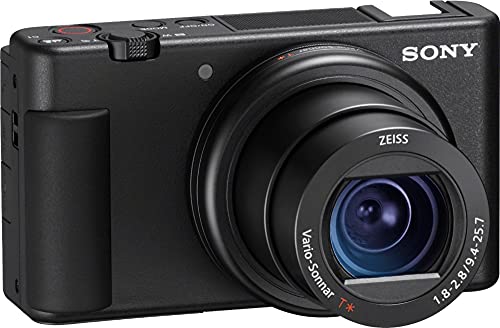

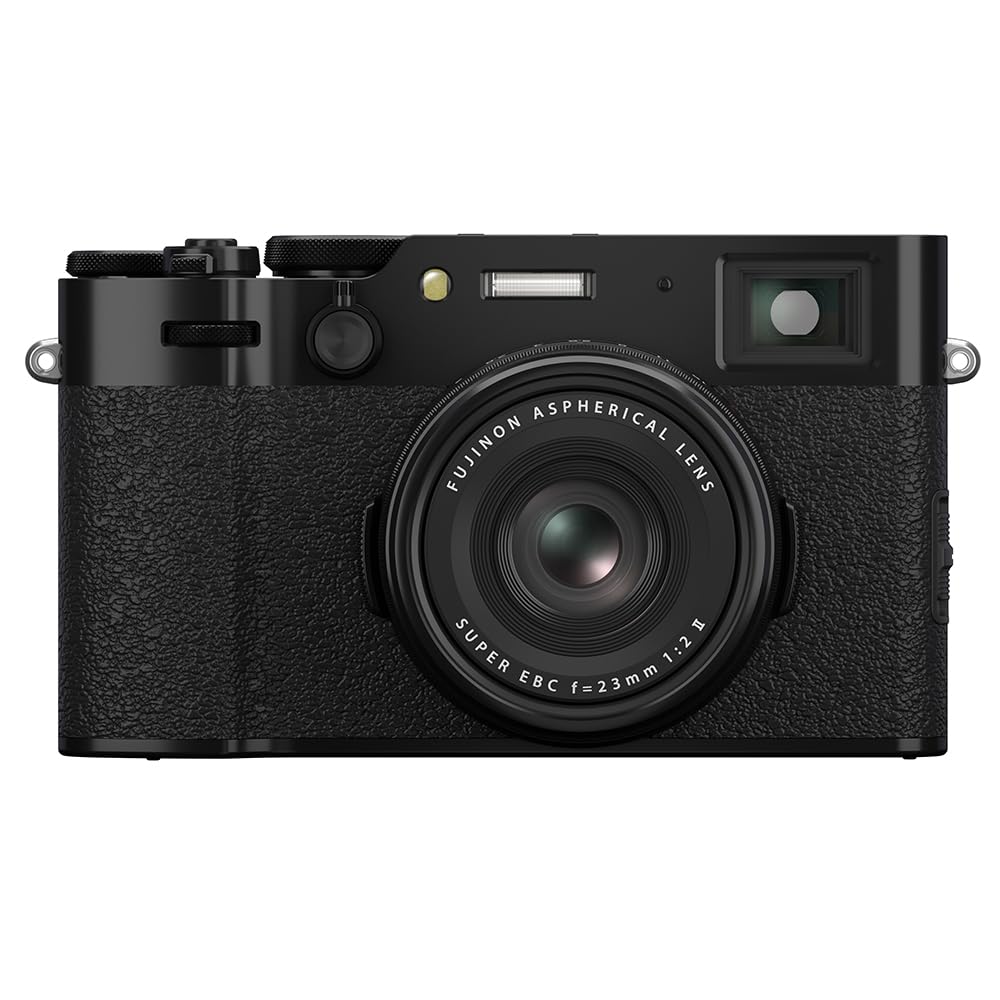




Who Should Buy Which Camera?
Weekend Walkers Who Shoot Landscapes
If your trips run two or three days and the photographs are half the reason you go, you can afford the middle ground: an interchangeable lens body with one versatile zoom or a pair of small primes. Image quality can lead the decision here because the carry is short enough that a kilogram of camera gear still feels reasonable by Sunday. Prioritize a good tripod alternative, like a small tabletop model or a clamp, since dawn and dusk at camp are when your best frames will happen and a full size tripod is rarely worth its weight on a short route.
Thru Hikers Counting Every Gram
On a hike measured in weeks or months, the camera competes directly with food between resupply points, and it usually loses. This is the home of the premium compact with a fixed lens, or even the honest decision to shoot with a phone and a small power bank. What matters is a body that disappears into a hip belt pocket, charges from the same cable as everything else, and survives being knocked against rocks and pack frames daily. Shoppers weighing this end of the range often compare notes with guides to best cameras to take backpacking, where the emphasis sits on carry rather than on sensors.
Backpackers Who Film the Trip
Moving pictures change the shopping list completely. Video drains batteries several times faster than stills, fills cards at a pace stills shooters never see, and adds a microphone and some way of holding the camera steady to the load. If filming is the point of the trip, plan the whole power budget around it: more spare batteries, a larger power bank, and cards sized in days rather than in frames. A body that shoots excellent stills but overheats or dies by lunch is the wrong tool, however good its photographs look.
New Photographers Learning on the Trail
Beginners do best with a camera that rewards them quickly and forgives mistakes. Strong automatic modes, clear menus, and a lens that covers wide scenes and close details without swapping glass matter more than a large sensor at this stage. The trail is a demanding classroom, with gloves, fading light, and weather all fighting your attention, so simple controls you can work half by feel are a real feature. Buy a class you can grow inside for two seasons rather than a flagship you are afraid to take out of the dry bag.
Choosing a Camera Class for Your Situation
Best Video Cameras for Backpacking: What to Prioritize
The best video cameras for backpacking are judged first on stamina, because a dead camera films nothing. Look for long recording times per battery, charging while you walk from a power bank, and image stabilization that smooths footpath footage without a gimbal. A microphone input matters more than a higher frame rate for most trail films, since wind and breathing are what viewers notice. Heat is the quiet limit: some bodies stop recording on hot climbs, so recording length in warm weather is a spec worth checking before price.
Best Film Cameras for Backpacking: What to Prioritize
Choosing among the best film cameras for backpacking is a study in delightful trade offs. Film removes batteries and chargers from the power budget almost entirely, and a mechanical body can work in cold that shuts electronics down. In exchange you carry the film itself, canister by canister, and you carry the exposed rolls back out with growing anxiety about heat and airport scanners. Mechanical simplicity is the trait to prize, along with a meter that sips power. Every frame costs money, which slows most photographers down in a way many come to love.
Best Compact Cameras for Backpacking: What to Prioritize
The best compact cameras for backpacking win on the only metric that never stops mattering: they are present. A compact rides in a chest pack or a jacket pocket, so it comes out for the unplanned moments that larger kits miss while buried in the main compartment. Prioritize a fast lens and a sensor larger than a phone class sensor, because that pairing is what justifies carrying a separate device at all. Zoom range beyond a modest span usually costs lens speed, and on the trail the speed is worth more. That pocketable design is also what separates this class from the general shelf of best digital cameras, most of which quietly assume a car trip rather than a carried one.
Best Mirrorless Cameras for Backpacking
The best mirrorless cameras for backpacking offer the highest ceiling of image quality per gram, provided you discipline the lens collection. One body with one or two small lenses is a serious landscape tool; the same body with four lenses is a porter service. Weather sealed bodies earn their keep here because mirrorless kits are the ones landscape shooters carry into dawn rain for the shot. Judge the system by its smallest good lenses, not by its flagship glass, since the small lenses are the ones that will actually travel.
Best Action Cameras for Backpacking
The best action cameras for backpacking are the rugged specialists of the group, built to be mounted, dropped, dunked, and forgotten until the moment matters. They suit river crossings, summit scrambles, and any trip where the camera must survive conditions you would never expose a normal body to. The compromises are fixed wide lenses, small sensors that fade in low light, and stills that rarely match a dedicated camera. Many walkers carry one as a second camera rather than the only one, a pairing that covers both the epic scenery and the rough minutes in between.
Best Beginner Cameras for Backpacking
The best beginner cameras for backpacking balance encouragement with simplicity. A beginner needs a camera that produces pleasing pictures on automatic settings from the first morning, because early success is what turns a purchase into a habit. Touch screens that work with cold fingers, guided modes that explain themselves, and a kit lens that covers the whole trip without swaps all matter more than sensor bragging rights. Price matters too: a modest body that survives being lent, dropped, and rained on teaches more than an expensive one that stays home for safety. General advice about best cameras for photography tends to rank resolution first, but on the trail simplicity and toughness outrank it every time.
Best Cameras for Backpacking and Hiking: What to Prioritize
The overlap phrase best cameras for backpacking and hiking points at the shared ground between day walks and multi day routes, and the priorities shift slightly there. Day hiking removes the battery and card pressure almost entirely, so hiking focused buyers can trade stamina for image quality and pick heavier glass. Backpacking pulls the other way, toward charging flexibility and low weight. If your walking mixes both, choose for the backpacking side, because a camera that survives a week on one charge plan will stroll through a day hike without thought.
Key Features to Compare
Weight and the Carry System
Advertised body weight is a polite fiction, and buying lists of best quality cameras almost never weigh the lens, case, and spares that travel with the body. The number that matters is the full carry: body, lens, battery, card, case, strap, and the share of the tripod you actually bring. Weigh the kit on a kitchen scale before the trip and compare it against your total pack weight, because camera gear that passes about a tenth of the load starts changing how the walk feels. The carry system decides whether the camera gets used at all. A chest pack or a capture clip on a shoulder strap keeps it seconds away, while a camera buried in the main compartment might as well be at home for every fleeting moment between rest stops.
Sensor Size and Image Quality
Sensor size sets the ceiling for low light work and for printing large, and the classes step from phone size through one inch and crop sensors up to full frame. On the trail the differences show at dawn and dusk, in forest shade, and inside a tent lit by a headlamp. Bigger sensors also demand bigger lenses, so the weight bill arrives twice. For most backpackers the crop and one inch classes hold the sensible middle: real gains over a phone, without a lens collection that needs its own packing strategy. Chasing the largest sensor is a legitimate choice for landscape devotees, but it should be made knowing the grams it commits you to. Roundups of best digital cameras for backpacking usually sort this ladder by sensor class, which makes them a handy way to see where your current kit sits.
Battery Life and Charging in the Cold
Manufacturers rate battery life in shots per charge under mild conditions, and mountain weather rewrites those numbers. Cold saps batteries noticeably, sometimes cutting a day of shooting to a morning, so the standard trail habit is to sleep with batteries in the bag and rotate a warm spare into the camera. Charging flexibility matters as much as capacity: a camera that charges over a common cable from a power bank can stretch indefinitely, while one needing a special cradle adds a single point of failure. Count your system honestly in watt hours carried, since the power bank you bring for the camera also feeds your phone and headlamp.
Weather Sealing and Honest Rain Plans
Sealing ratings on cameras describe resistance to splashes and dust, not permission to shoot through a storm. Gaskets at doors and dials shed drizzle and trail dust well, and that is genuinely useful, but a day of horizontal rain defeats marketing language. The honest rain plan is layered: a simple rain cover or even a sturdy plastic sleeve for shooting in wet weather, a dry bag inside the pack for transport, and a cloth to wipe the lens before it goes away wet. Cameras die from being stored damp far more often than from being used in rain, so the drying habit at camp matters more than the seal rating on the box.
Cards, Spares, and Backup on the Trail
A memory card failure on day five of a seven day route is not an inconvenience; it is the loss of the whole trip record. Cards are the cheapest insurance in the entire kit, so carry at least two, rotate them daily if your camera supports a second slot or a phone based backup, and keep a filled card in a different pocket from the camera. Capacity planning is simple arithmetic: video shooters should think in hours per day, stills shooters in frames, and both should double their first guess. When you compare the classes in the product table above, the ones with dual slots or easy phone transfer quietly earn their place here.
Common Mistakes to Avoid
- Buying the largest sensor without weighing the lenses it demands, then leaving the kit behind on the hardest trips.
- Trusting the rated shots per charge and carrying no spare battery into cold weather.
- Storing a damp camera in a sealed bag overnight, which invites fogged glass and worse by morning.
- Carrying one huge memory card instead of two smaller ones, so a single failure erases the whole trip.
- Judging a camera by its screen in the shop and never checking whether the controls work with gloves on.
- Spending the whole budget on the body and nothing on the chest pack or clip that makes the camera reachable.
Care and Carry Tips for the Trail
Clean the lens with a proper cloth, never a shirt hem, because grit picked up on the trail turns a quick wipe into a scratch. Keep a small dry bag reserved for the camera inside the pack, and drop the camera into it before river crossings and whenever rain settles in for the day. At camp, open the bag and let the kit air in the tent rather than sealing the day dampness in with it. Check the lens and sensor area for dust each evening with a small blower, since trail dust works into every seam. Finally, loosen straps and mounts at night; gear stored under tension and damp is gear that ages a season in a week.
Questions Answered: Cameras for Backpacking
What features matter most in a camera for backpacking?
The features that matter most in a camera for backpacking are total carried weight, charging flexibility, and controls you can work with gloves on. Image quality comes next, and it plateaus quickly once you reach the one inch and crop sensor classes. A practical test is to pack the full kit, walk a local hill for two hours, and count how many times you actually took the camera out. Reachability in that test predicts your trip photographs better than any specification.
How much should you spend on a first backpacking camera?
A first backpacking camera can cost about $300 to $600 and still cover years of trips, especially bought as a premium compact or an entry interchangeable lens kit. Spending more mainly buys low light headroom and lens choice, not more enjoyment per mile. Keep part of the budget for the unglamorous items that decide whether the camera gets used: a chest pack or strap clip, two memory cards, and a spare battery. Those accessories often matter more than the next body tier up.
Is a smartphone enough for backpacking photos?
For many walkers, yes, a smartphone is enough for backpacking photos, particularly on well lit routes where the phone is already carried for maps and safety. A dedicated camera pulls ahead at dawn and dusk, in bad weather, and whenever you want to print large or zoom with real glass. The honest dividing line is intent: if photography is a reason for the trip rather than a record of it, the camera earns its weight. If photos are souvenirs, the phone wins and your pack stays lighter.
How many spare batteries does a backpacking camera need?
Most backpacking cameras need one spare battery for a weekend and two or three for a week without charging, with the count rising in cold weather. A power bank that recharges the camera over a standard cable can replace one spare and serve your phone as well. The habit that saves trips is rotation: shoot on one battery, keep the next warming in an inside pocket, and recharge the spent one at camp. Rated shot counts assume mild weather, so plan against half the printed figure in winter.
Should a backpacking camera have a zoom lens or a prime lens?
A zoom lens suits most backpacking cameras because one zoom replaces two or three primes and covers camp scenes, portraits, and distant ridges without a swap in bad weather. A single fast prime wins when low light rules the trip, such as forest routes or winter evenings, and it usually weighs less. The deciding factor is how you shoot: walkers who stop often and compose carefully enjoy a prime, while walkers who grab moments as they pass should take the zoom.
Can a backpacking camera survive rain on the trail?
A backpacking camera can survive rain on the trail if you treat sealing as splash protection and add your own layers on top. Shoot through drizzle with a sealed body, reach for a rain cover or plastic sleeve when the rain settles in, and never store the camera wet overnight. The most common rain damage happens in the pack, where a damp camera sits sealed in its own moisture for hours. Ten minutes of drying attention at camp prevents most of it, whatever the rating on the box says.
Wrapping Up
Match the camera to the trip length first, then to the pictures you actually take, and weigh the whole kit before you fall in love with any of it. Weight, charging, weather habits, and card discipline decide what a backpacking camera delivers far more than small sensor differences, and the product table above keeps those trade offs in view. The best cameras for backpacking are simply the ones still on your chest, charged and dry, when the light turns good on the last evening. Choose the class you will carry without resentment, and the photographs will take care of themselves.


