
Best Cameras for HDR Photography in 2026: Types Compared and How to Choose
Disclosure: We may earn a commission when you buy through links on this page, at no extra cost to you. As an Amazon Associate I earn from qualifying purchases. Learn more

Compare camera types for HDR photography by sensor size, dynamic range, bracketing and RAW depth, so you can hold bright skies and deep shadow detail.
A bright sky above a dark foreground can push one exposure past what a sensor can hold, so highlights wash out or shadows turn to mud. The best cameras for hdr photography close that gap with wider dynamic range, or with a series of exposures you can blend into one file. Use the comparison table below to see how the main types differ before you pay for range you may never use.
Start with the scenes you shoot most. A landscape at sunset, a room with a bright window, and a city street at dusk all ask for highlight and shadow detail at once, but they differ in movement, lens needs, and how much gear you can carry. The sections below match each scene to a type and to the specs that decide the result.

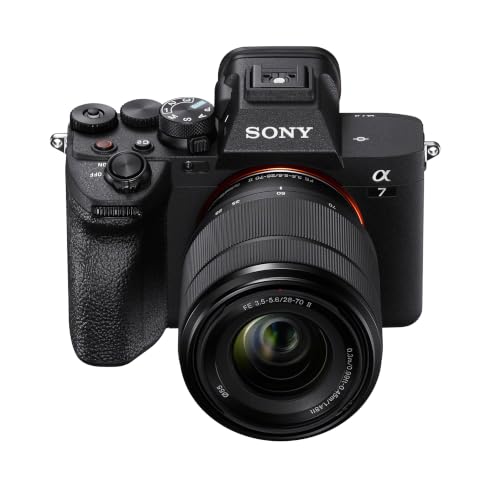

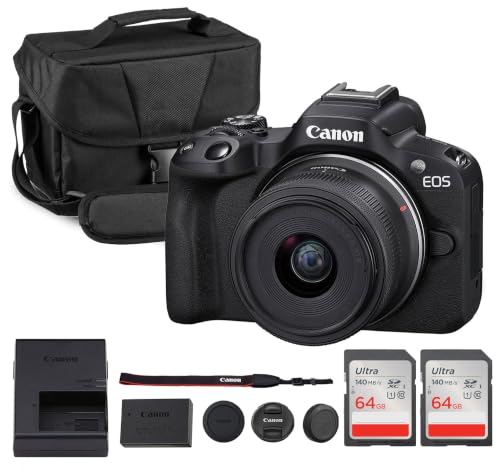


Camera Types and What Each Brings to HDR Work
Camera type shapes your HDR work more than any single spec, because it sets sensor size, lens choice, and how bracketing feels in the field. If your work goes beyond HDR scenes, see our guide to the best cameras for photography for a broader view of general use.
Mirrorless Cameras for HDR Photography
Mirrorless models give you an electronic viewfinder that previews exposure before you shoot, so clipped highlights show at once. Most offer fast auto exposure bracketing, deep RAW files, image stabilization in the body or the lens, and interchangeable lenses for wide interiors or long views. Choose this type if you want the most control and plan to blend files yourself, at about $700 to $3,000.
DSLR Cameras for HDR Photography
A DSLR uses an optical viewfinder, so you judge the scene by eye rather than by a live exposure preview. Bracketing is still strong on most models, and these mature systems offer a wide choice of used lenses at lower cost. The trade off is size, weight, and slower focus with the screen raised. Choose a DSLR if you prefer an optical view or already own lenses for the mount.
Point and Shoot Compacts for HDR Photography
A compact keeps the lens fixed and the body small enough for a coat pocket. Models with a 1 inch sensor hold far more highlight and shadow detail than compacts with a tiny sensor, and many add a simple in camera HDR mode. Bracketing steps and RAW depth are usually more limited, though. Choose a compact if travel weight matters most and your scenes are mostly still, at about $400 to $1,000.
Mirrorless vs Point and Shoot Compacts: Which Should You Choose?
Compare these two types on four points. A mirrorless camera has a larger sensor on most models, interchangeable lenses, and bracketing in fine steps. A compact is smaller and faster to start, but its fixed lens and smaller sensor limit how far you can push a file in editing. Readers who want a body built around this one job can also see our guide to the best hdr cameras to compare how makers name their HDR modes.
Pick the mirrorless route if you shoot interiors, landscapes, or prints where shadow detail must stay clean. Pick the compact if you travel light and share most work online, where its in camera HDR mode is often enough. The honest test is your editing habit, because deep bracketing only pays off if you actually blend the frames.
Key Features to Compare When You Choose an HDR Camera
Read spec sheets in this order, from the sensor outward, so a long feature list cannot hide a weak capture range. The best cameras for hdr photography earn that label in the file, not in the mode dial, so judge each claim by the range and the RAW depth behind it.
Sensor Size and Dynamic Range for HDR Photography
Dynamic range is the span from the brightest detail to the darkest detail a sensor can record in one frame, measured in stops. Full frame sensors often hold about 13 to 15 stops at base ISO, APS C sensors hold a bit less, and 1 inch sensors hold less again, so each step down needs more help from bracketing. Larger sensors also keep shadow detail cleaner in editing. Choose the largest sensor you will actually carry.
Exposure Bracketing and In Camera HDR Modes
Auto exposure bracketing takes a set of frames at different exposure values, often three to nine frames spaced one or two stops apart, so you can merge the best parts of each. Look for a self timer or remote option that fires the whole set with one press, keeping the camera still between frames. In camera modes merge frames for you, which is quick but gives less control. Choose deep, flexible bracketing if you blend on a computer.
RAW Bit Depth and File Flexibility for HDR Photography
RAW files hold unprocessed sensor data, and bit depth sets how many tones each channel can store. A 14 bit RAW file records far finer steps between dark tones than a compressed file, so gradients in a sky stay smooth when you pull the exposure around. Processed files alone bake in contrast and leave little room to recover a bright window. Shoot RAW for any scene you plan to blend, and carry a large card, because bracketed sets fill space fast.
Lens Choice and Aperture Range for HDR Photography
The lens decides how much of a high contrast scene you can frame and how sharp the merged result looks edge to edge. Wide lenses suit interiors and landscapes, and a lens that stays sharp at moderate apertures gives cleaner blends than one you must stop far down. Zoom range matters less than consistency, since focus and framing must stay fixed across the set. If this is your first dedicated camera, see our guide to the best beginning photography cameras for basic controls in plain terms.
Stabilization, Support and Weather Sealing for HDR Work
Image stabilization helps when you shoot a bracketed set by hand, but a tripod still gives the sharpest alignment for still scenes, so check for a standard tripod socket and a remote release option. Weather sealing matters for sunrise and coastal work, though a sealed body still needs a sealed lens for the full benefit. Treat it as protection against light rain, not as permission to soak the camera.
Common Mistakes to Avoid
- Shooting a bracketed set while people or leaves move through the frame leaves ghost shapes in the blend.
- Letting focus or white balance change between frames makes the merged file look uneven and patchy.
- Clipping the brightest frame means no file holds the highlight detail you wanted to save.
- Pushing saturation and contrast hard in editing turns a natural scene harsh and artificial.
- Skipping a tripod for a still scene at dusk forces higher ISO settings and noisier shadows.
Care Routines That Keep an HDR Camera Reliable
Clean the lens with a proper lens cloth, not your shirt, because grit held in fabric can scratch the coating over time. Wipe the body after coastal or dusty shoots, and let a damp camera dry fully in open air before you close it in a bag. Store it in a dry, padded bag with the battery removed if it will sit unused for weeks.
Carry a spare battery on cold mornings, since low temperatures drain packs faster. Keep sensor dust in check by changing lenses with the mount facing down and the body off, and use a blower before any contact cleaning.
Cameras for HDR Photography: Your Questions Answered
What features matter most in a camera for HDR photography?
The features that matter most are dynamic range, flexible bracketing, and deep RAW files. One extra tool deserves attention: a live highlight warning in the viewfinder or on the screen, which marks areas about to clip before you shoot. That warning lets you set the brightest frame with intent, rather than guessing and finding washed out skies later.
How many stops of dynamic range does a camera need for HDR photography?
A camera with about 12 to 14 stops of range at base ISO can hold most single frame scenes you meet at sunrise or indoors. Very bright exteriors against deep shade can span more than that, and no sensor holds the whole span alone, which is when a bracketed set takes over. Note where highlights clip in your own scenes for a week, because that record beats any lab figure.
Is a smartphone enough instead of a dedicated camera for HDR photography?
A smartphone is enough for casual HDR scenes you share online, since phones merge exposures on their own and do it well in good light. The limit shows in large prints and heavy edits, where small sensor files break into noise and smeared detail sooner. A dedicated camera also lets you choose the exact frames in a set when part of the scene moves.
What specs matter most for beginners choosing a camera for HDR photography?
For beginners, the specs that matter most are a simple bracketing control, a clear exposure scale on the screen, and RAW capture you can turn on in one menu step. Skip advanced tethering and video options at first, because they add cost without improving still blends. A tilting screen is a quiet plus for low tripod work at dawn.
Which camera type is better for low light HDR photography?
A mirrorless or DSLR camera with a large sensor is better for low light HDR work, because its shadows stay cleaner at the ISO settings dusk scenes demand. Night streets add a twist: artificial lights flicker at different rates, so keep shutter speeds consistent across the set where you can. Longer exposures on a tripod beat a higher ISO for still night scenes, since noise drops and light trails smooth out.
The Bottom Line
Match the sensor and the bracketing to your scenes first, then choose the type that fits your hands and your bag. Mirrorless bodies give the most control, DSLRs give strong value, and good compacts give freedom to carry less. Use the product table above to check sensor size, bracketing depth, and price.
When you judge best cameras for hdr photography by the file they produce rather than the mode they promise, the right choice gets easier. Pick the simplest camera that holds your brightest and darkest detail, and spend your effort on steady capture.

