
Best Cameras for HD Video in 2026: What Actually Matters Before You Buy
Disclosure: We may earn a commission when you buy through links on this page, at no extra cost to you. As an Amazon Associate I earn from qualifying purchases. Learn more

Compare camera types for clean HD video with a practical checklist on sensors, autofocus, audio inputs, stabilization, and recording limits.
Almost every camera sold now records HD video, so the HD label alone tells you very little. The best cameras for hd video stand apart on the details behind that label: how clean the picture stays indoors, whether focus holds on a moving face, and whether the sound is clear enough to watch without captions.
Work through the checklist against the comparison table below, and you will quickly see which cameras suit family filming, which suit talking head recording, and which suit longer events.
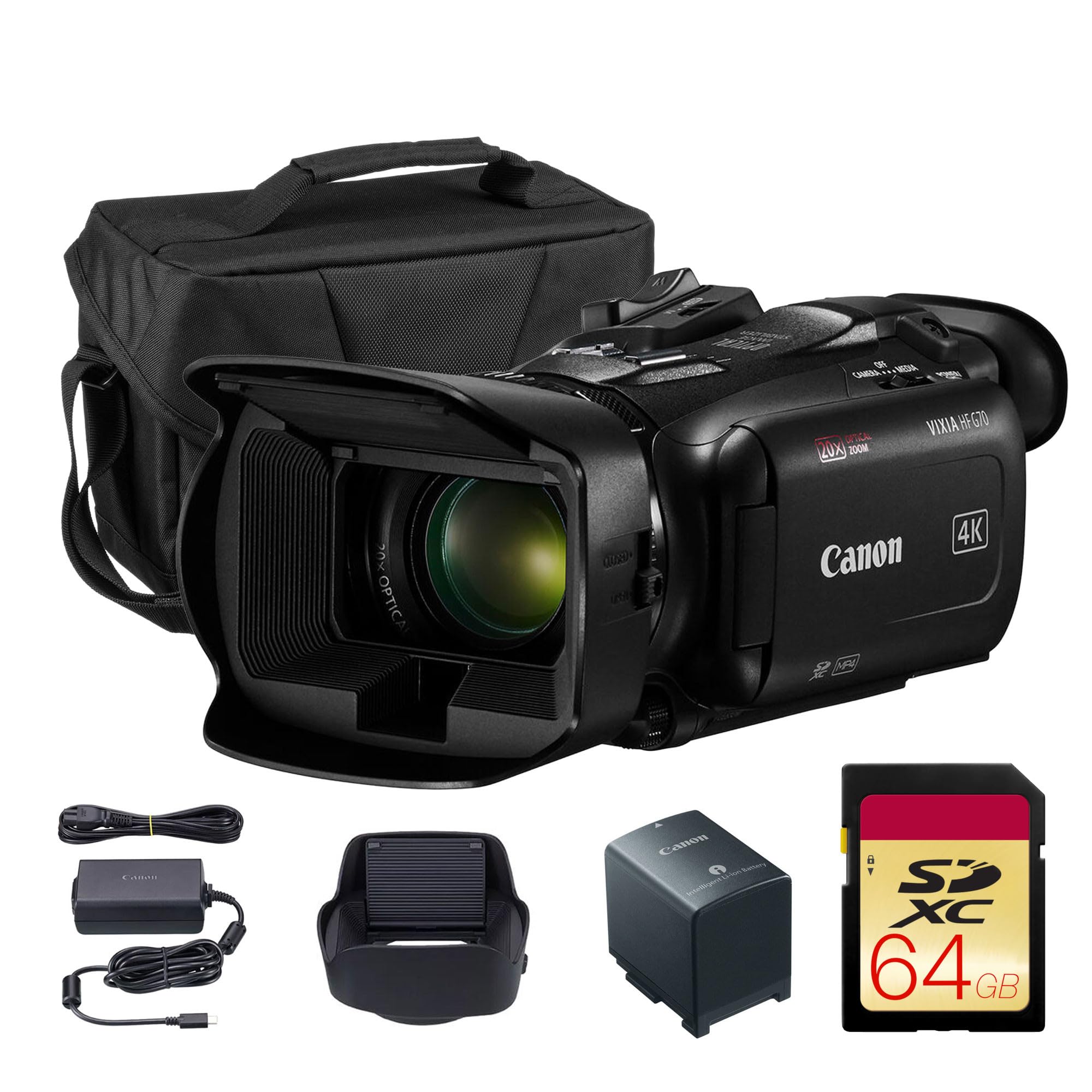

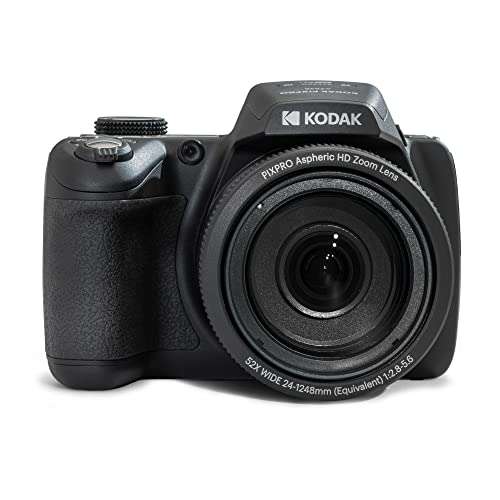





Who Should Buy Which Kind of HD Video Camera?
Families Filming Everyday Moments at Home and Outdoors
You record birthdays, school plays, holidays, and games, often with no chance to set up lights. Prioritize reliable face detection autofocus, a zoom range that covers a room and a stage from the back row, and controls simple enough that another adult can pick the camera up and film.
Creators Recording Talking Head and Tutorial Videos
If you speak to the camera, your priorities shift toward sound and steady focus on your eyes. Look for a microphone input, a screen that flips forward so you can check framing, and eye detection that holds focus while you move. For longer form recording ideas, read our guide to the best hd video cameras for filmmaking.
Event and Ceremony Videographers Filming Long Sessions
Weddings, recitals, services, and conferences punish cameras that stop recording after a short clip limit or overheat under lights. You need a model with no low clip cap and battery options that last a full session. Buyers at this level often compare the best hd professional video cameras because clean audio inputs and dependable record times matter more than small size.
Key Features to Compare on HD Video Cameras
Spec sheets list dozens of numbers, but the factors below decide most of what you see and hear in finished footage.
Sensor Size and the Cleanliness of the Image
Sensor size sets how much light the camera gathers for each frame. Compact cameras often use a one inch sensor, step up models use APS C, and full frame sits at the top. A larger sensor generally keeps indoor and evening footage cleaner and gives softer backgrounds behind your subject. Megapixels matter far less for HD, since a 1080p frame needs only about two megapixels, so a bigger sensor usually beats a crowded small one.
Autofocus That Tracks Faces and Eyes
For video, autofocus must move smoothly and stay locked while people walk, turn, or gesture. Face detection keeps a person sharp, and eye detection refines that lock for close framing, which matters most at wide apertures where focus is shallow. Check whether tracking works across the whole frame or only near the center. Slow hunting back and forth ruins more home footage than slightly soft lenses ever do.
Stabilization for Handheld Shooting
Stabilization inside the body or the lens smooths the small shakes your hands add to every clip. It matters most when you walk while filming or zoom in from a distance. Digital stabilization can help further, but it often crops the frame, so treat it as a bonus rather than the main system. If most of your filming happens on a tripod, rank this factor lower and spend elsewhere.
Audio Inputs and Sound Quality
Built in microphones pick up handling noise, room echo, and wind along with voices. A microphone input lets you add an on camera microphone for clearer speech or a wireless set when your subject stands across the room. A headphone jack, found on some models, lets you confirm the sound while you record instead of discovering a buzz at home.
Recording Limits, Card Speed, and Battery Life
Some cameras stop each clip at about 30 minutes, while others record until the card fills or the battery fades. Long events need the second kind, plus a card fast enough for the bit rate the camera writes, since a slow card can end a recording early. Heat can also shut a compact body down during long sessions in warm rooms. Check the stated record time and the card class the manual requires.
Choosing a Camera Type for Your Kind of Shooting
The best cameras for hd video come in several types, so narrow your search by camera type and, if you already own lenses, by brand system.
Compact Cameras for Travel and Everyday Carry
Shoppers comparing the best compact cameras for hd video want a camera that fits a jacket pocket yet still beats a phone on zoom and low light results. Judge compacts on sensor size first, since a one inch sensor is the meaningful step up, then on lens reach and whether the screen tilts for self recording. If pocket size leads your list, see our guide to the best small hd video cameras.
Canon Cameras and the Lens System Around Them
Readers asking about the best canon cameras with hd video usually care about natural skin tones and autofocus known for smooth face tracking. The bigger decision is the lens mount, because lenses you buy now shape your upgrade path for years. Check that any Canon body you consider has the microphone input and screen style your shooting needs, since those details vary more between models than picture quality does.
Quick Buyer Checklist Before You Order an HD Video Camera
Answer these questions for any camera on your short list.
- Does the sensor size match the light you film in most often?
- Does autofocus track faces or eyes across the frame, not only in the center?
- Is there a microphone input if you record speech?
- Can the camera record for as long as your longest typical session?
- Does the screen tilt or flip the way your framing requires?
- Is stabilization strong enough for how much you shoot handheld?
- Do you already own the right speed of memory card and a spare battery?
If a listing cannot answer several of these from its stated specs, treat that vagueness as a warning sign. Shoppers who mainly need a simple recorder can also read our guide to the best cameras to record hd video.
Common Mistakes to Avoid When Buying a Camera for HD Video
- Choosing on megapixels alone, so you pay for resolution HD never uses while the small sensor struggles indoors.
- Ignoring the clip length limit, so a ceremony or lesson recording stops in the middle without warning.
- Skipping the microphone input, so voices stay thin and echoing in every clip you record of people talking.
- Trusting digital zoom numbers, so distant subjects turn soft and blocky exactly when you zoom in on them.
- Buying a slow memory card, so the camera ends recordings early or refuses the highest quality setting.
- Forgetting the total kit cost, so the lens, cards, microphone, and spare battery push the real price far past your budget.
Care and Maintenance for HD Video Cameras
Clean the front lens element with a soft lens cloth rather than a shirt, since shirt fabric can drag grit across the coating and leave fine scratches. Blow dust off with a hand blower before you wipe. Store the camera in a dry, padded bag away from damp rooms, and remove the battery if it will sit for weeks, since a stored battery ages faster when left fully flat.
Carry a charged spare battery and a second card on any shoot you cannot repeat, and format cards in the camera after you have backed the footage up in two places. Wipe the body with a dry cloth after beach or rain shooting, paying attention to dials and port covers where grit collects. Update the camera firmware when the maker releases a fix, and never switch the camera off midway through an update.
Frequently Asked Questions About HD Video Cameras
What features matter most in a camera bought for HD video?
Sensor size, autofocus tracking, and audio options matter most, ahead of headline resolution. People searching for the best cameras for hd often overlook frame rate choice, yet 30 frames per second suits most subjects while 60 gives smoother motion for sports and lets you slow clips down in editing. Check that both rates are offered at full HD.
What specs should a beginner check first on an HD video camera?
A beginner should check sensor size, face detection autofocus, and the clip length limit first. One more beginner friendly detail is a fully automatic video mode that sets exposure for you while you learn, paired with clear on screen warnings when light is too low. Good automatic results early on build confidence, and manual controls remain there when you are ready.
How much should you spend on a first camera for HD video?
Most first time buyers do well in the about $300 to $700 range for the camera body or fixed lens model. Below that range, sensors shrink and microphone inputs disappear, while spending far more mainly buys larger sensors and pro audio features a beginner rarely uses at first. Keep roughly a fifth of your budget back for a card, a spare battery, and a basic microphone.
Is 1080p HD enough, or should an HD video camera also shoot 4K?
Full HD at 1080p is enough for typical living room screens and for sharing online, where platforms compress everything anyway. A camera that also shoots 4K adds one practical trick: you can crop into the wider frame during editing and still deliver a sharp HD picture, which rescues framing when you could not move closer. That benefit is real, but it should not outrank sensor size or audio inputs.
Is a smartphone enough instead of a dedicated camera for HD video?
A recent smartphone is enough for short clips in good light, and it wins on convenience. A dedicated camera pulls ahead when you need real optical zoom, a microphone input, longer record times without heat warnings, or reliable focus during a full event. Many owners keep both, using the phone for quick moments and the camera when the footage has to be right.
Final Thoughts
Judge every candidate against the same short list: sensor size for clean footage in your light, autofocus that holds moving faces, an audio path that makes speech clear, and recording limits that fit your longest session. When a camera clears those bars at a price that leaves room for the basic kit, it earns its place. The best cameras for hd video for you are the ones that clear those bars for your subjects, so shortlist two or three from the product table above and pick the one whose handling feels right.

