
Best Cameras for Google Home: A First Time Buyer's Guide for 2026
Disclosure: We may earn a commission when you buy through links on this page, at no extra cost to you. As an Amazon Associate I earn from qualifying purchases. Learn more

A first purchase guide to the best cameras for Google Home, covering platform compatibility, live view, clips, storage classes, and power options.
Your first smart home camera purchase raises a question the box rarely answers: will this camera actually work with Google Home? Shoppers looking for the best cameras for google home setups do better when they check platform fit first and picture quality second. This guide covers the plain basics, each spec in everyday language, and the mistakes that catch first time buyers most often.
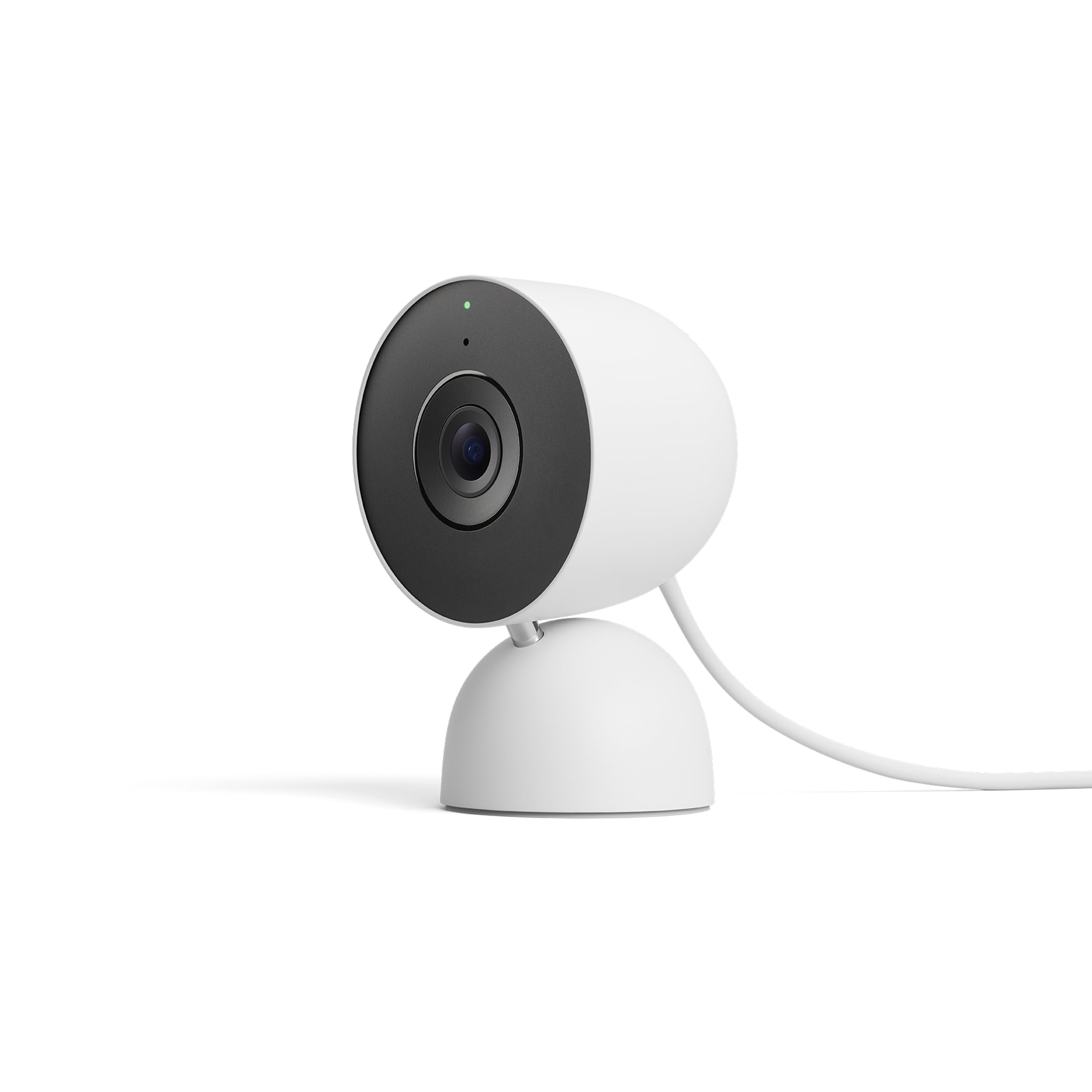
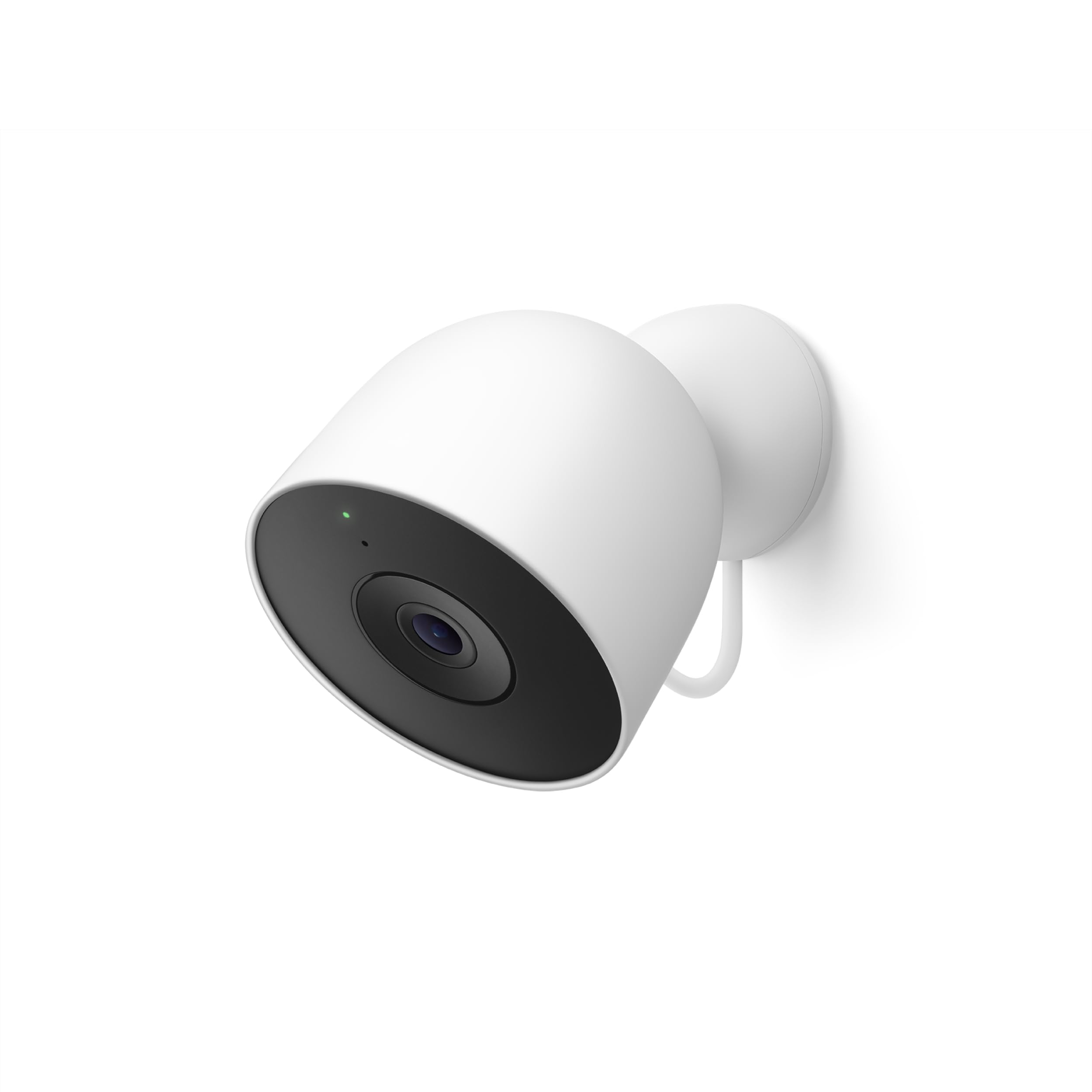
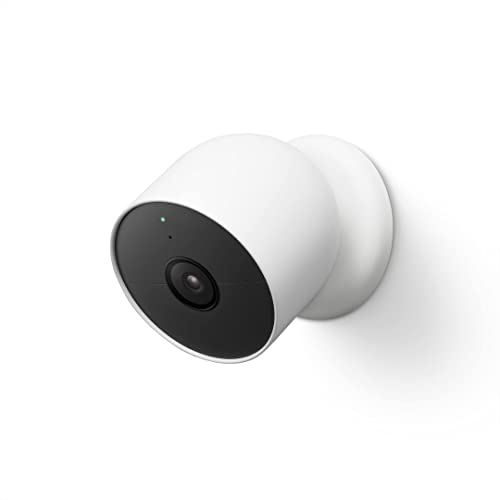
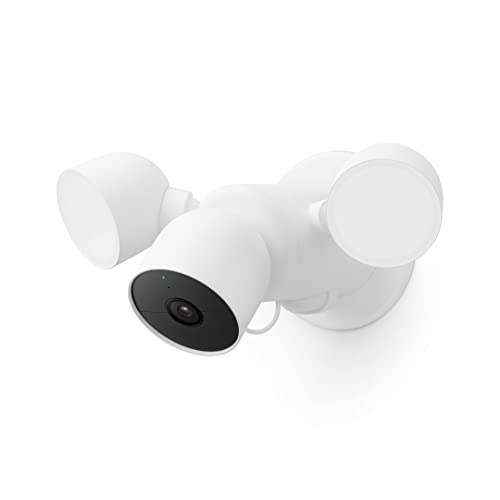
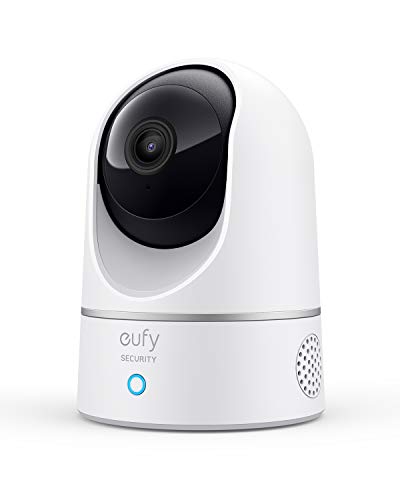
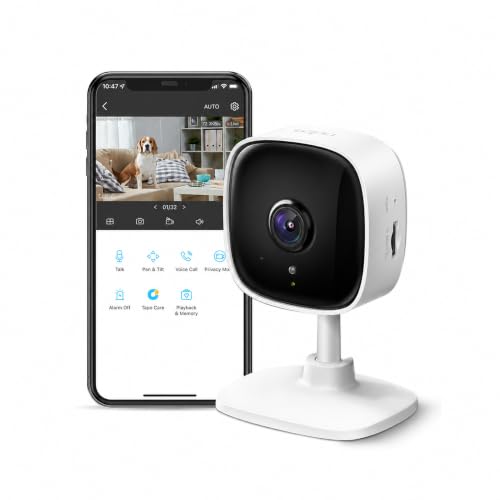
The platform decides this purchase. A camera built for Google Home joins your household setup, answers inside the Google Home app, and appears on your shared displays. A camera built for a different platform does not join later, so the compatibility list is the first thing to read, before any price tag or resolution number. The comparison table below lines the main camera classes up side by side.


Cameras 101: The Basics
A Google Home camera is a small connected camera that watches a room, a door, or a yard and reports what it sees to your phone. It joins your home WiFi network, sends an alert when it detects motion or sound, and streams live video on request. You watch in the Google Home app, ask a shared display to show it by voice, or review saved clips after an alert.
Google Home cameras split into two recording styles. Event cameras sleep until motion or sound wakes them, then save a short clip of what happened. Continuous cameras record around the clock and keep a rolling history, which usually calls for a paid plan and a wired power supply. Readers comparing the wider category in our guide to best home surveillance cameras will see the same split, because it shapes price, storage, and daily habits.
Key Specs Explained in Plain English
Compatibility Comes First
Compatibility is the gate every other spec stands behind. Look for the Works with Google Home label on the box or product page, and confirm the camera appears inside the Google Home app before mounting anything. The shortlist in our guide to best google home compatible cameras shows how wide the supported range has become. A superb camera from another platform is still the wrong purchase, because it will never appear in your household app or answer on your displays.
Live View and Recorded Clips
Live view and saved clips are two different ways of viewing, and they split this purchase. Live view is the stream you open right now: checking the dog, the door, or the kids in the yard. Clips are the saved pieces the camera keeps after it detects something.
Many cameras stream live at no extra cost yet save only short clips, or keep clips for a few hours, unless you pay for a plan. Check the clip length and the history length before buying, because those two numbers decide what you can review after an event.
A Monitoring Aid, Not a Guard
A home camera is a monitoring aid, nothing stronger. It records events and sends alerts, and it prevents nothing on its own, so treat it as a witness rather than a guard. That framing shapes setup: use a strong password, turn on two step sign in, and keep camera software updated, because an outdated camera is a weak point in your network.
Tell the people who live with you, and any regular guests, where cameras sit, and keep cameras out of bathrooms and bedrooms entirely. Shoppers focused on protection should read the advice in our guide to best home cameras for security alongside this one.
Video Quality and Night View
Resolution runs from basic high definition up to sharp 4K, and most households find the middle classes plenty for faces and license plates across a room. Field of view matters just as much: a wider view covers a whole room from one corner, while a narrower view reads detail at a door. Night view splits into infrared models, which show a black and white picture in the dark, and spotlight models, which add a small light and record in color. Pick the night view that matches the darkest spot the camera must watch.
Power Options and Weather Sealing
Battery cameras free you from outlets and mount almost anywhere, but they need charging every few weeks or months depending on how busy the spot is. Wired cameras never need charging, yet they work only where power reaches, and doorbell classes often use existing wiring. Any camera that lives outside needs weather sealing rated for rain and dust. Our guide to best outdoor cameras for google home goes deeper on sealing and placement for yards and driveways.
Storage and Subscription Classes
Storage decides what the camera keeps and what it costs you each month. Local storage saves clips to a memory card, which is simple and private but lost if the camera itself is taken. Cloud storage keeps clips on a remote service, safe from theft, and usually bring a monthly plan that unlocks smarter alerts, such as telling a person from a passing car. Read the plan price as part of the camera price: a cheap camera with a costly plan can outspend a pricier one within two years.
Picking the Right Cameras for Different Uses
Prices fall into clear classes: simple indoor cameras run about $30 to $70, midrange cameras with stronger night view and smarter alerts run about $70 to $150, and high end outdoor classes run about $150 to $300. Match the class to the job below rather than buying the top class for every spot.
Best Security Cameras for Google Home Hub
Viewing on a shared display is where Google Home earns its keep, as our guide to best google home security cameras also shows. A hub or smart display shows the live stream when you ask, so judge these cameras by how fast the picture appears, how long the stream stays on screen, and whether two way talk works through the display. Front door and driveway cameras benefit most, because you can answer a visitor or check a delivery without reaching for your phone.
Indoor Rooms and Shared Spaces
Indoor cameras want a wide field of view, a quiet design that blends into a shelf, and a privacy shutter you trust. Living rooms and hallways suit event recording, since the camera wakes on motion and ignores the empty hours. Keep the consent rule from the section above: everyone in the home should know which rooms have cameras and when they record.
Doors, Porches, and Yards
Entry points are the busiest spots a camera will watch, so battery models there need charging far more often than the box suggests. A wired or doorbell class often suits a front door better, while a battery class with a solar panel can serve a back gate. Weather sealing and a strong night class matter more outside than raw resolution, because rain, glare, and darkness are the normal conditions at a door.
Rookie Mistakes to Avoid
- Buying outside Google Home. A camera from another platform will not join your household app later, no matter what the store page implies.
- Judging by resolution alone. Clip length and history limits decide what you can review, and they hide in the fine print.
- Ignoring the plan price. The monthly plan is part of the purchase, and it repeats every month you own the camera.
- Filming private spaces. Cameras never belong in bathrooms or bedrooms, and pointing one at a neighbor's windows invites real trouble.
- Skipping account security. A weak password or a skipped update turns a safety tool into a network weak point.
Getting Started: Setup and First Use
Setup follows the same order for almost every model. Charge or plug in the camera, add it in the Google Home app, name it for its room, and confirm it appears on your phone and a shared display. Walk the spot it will watch and check the WiFi signal strength there before drilling any holes, because a weak signal means a stream that drops at the worst moments.
Mount the camera high enough to see faces rather than the tops of heads, then set activity zones so street traffic does not trigger alerts all day. Check the first morning of clips to confirm the angle, the night picture, and the alert timing all look right. Keep a spare charging cable nearby for when a battery model runs low.
Cameras: Your Questions Answered
What features matter most in cameras for Google Home setups?
Platform compatibility matters most, because a camera outside the platform never joins your household app or displays. After that, look at alert quality: cameras that can tell a person from general motion send far fewer useless alerts. Clip history length, night view class, and a power option that suits the spot finish the list. A modest camera that fits the platform beats a flagship camera that fights it.
Do cameras for Google Home need a subscription to be useful?
No, a subscription is not required for live viewing or basic motion alerts on most models. What the plan buys is memory: longer clip history, saved events from weeks rather than hours, and smarter alerts that name people, pets, or vehicles. Start without a plan, and let how often you miss a saved clip decide whether the monthly cost earns its place.
Can I watch a Google Home camera on a television or smart display?
Yes, cameras that work with Google Home can show a live stream on a smart display or a television with a streaming device attached. You ask by voice or tap the camera name in the display menu, and the stream opens in a few seconds. Streams stop after a set period to save bandwidth, so displays suit quick checks rather than all day monitoring. Battery cameras also pause live view sooner than wired ones.
Should a first Google Home camera be battery powered or wired?
Choose battery power when the spot has no outlet nearby or when you rent and cannot drill or run cable. Choose wired power for the busiest spots, such as a front door, where constant motion drains a battery in weeks and nonstop recording needs steady power anyway. Many households start with one battery camera in a quiet room and add a wired class at the door later.
How much should I spend on my first Google Home camera?
Most first time buyers land in the about $70 to $150 class and give up nothing they will miss. That class buys solid night view, person alerts, and a choice of battery or wired power. The about $30 to $70 class suits a single quiet room, while the about $150 to $300 class adds stronger weather sealing and sharper sensors for exposed spots. Spend on the hardest spot first.
Final Thoughts
Start with compatibility, then choose the viewing, power, and storage classes that fit each spot in your home. The best cameras for google home setups are rarely the most expensive ones; they are the ones that join the platform cleanly, record what you actually review, and stay updated and secure. Use the product table above to compare the classes side by side, and buy for the hardest spot first.

