
Best Cameras for First Time Photographers: A First Time Buyer's Guide for 2026
Disclosure: We may earn a commission when you buy through links on this page, at no extra cost to you. As an Amazon Associate I earn from qualifying purchases. Learn more

Learn how to choose the best cameras for first time photographers, with plain English help on sensor size, lenses, autofocus, battery life and total cost.
Buying your first camera feels exciting and confusing, because every listing throws new terms at you. The best cameras for first time photographers are not the ones with the longest spec sheet. They are the ones you understand quickly, carry often and grow with. This guide starts with the basics, then shows you how to use the comparison table below.
You do not need to master manual settings before you buy. Start by naming what you want to photograph most, such as family days, travel, pets or sports, and how much weight you will carry without complaint. Those two answers narrow the field far faster than megapixels do.




Cameras 101: The Basics
A camera captures light through a lens onto a sensor, then turns that light into an image file. A bigger sensor gathers more light, which helps in dim rooms and at night. The lens controls how much of a scene fits in the frame and how bright the image can be. Shutter speed, aperture and ISO work together to set exposure, and a first camera balances them in auto mode while you learn.
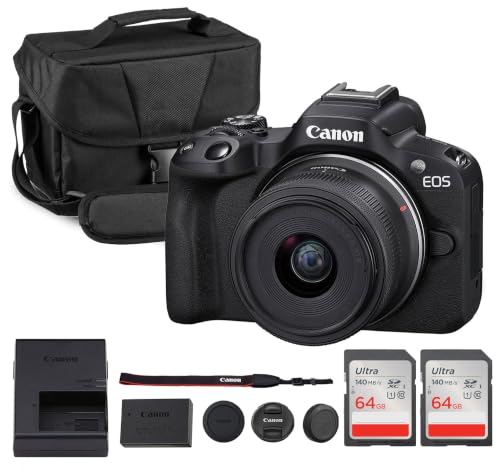
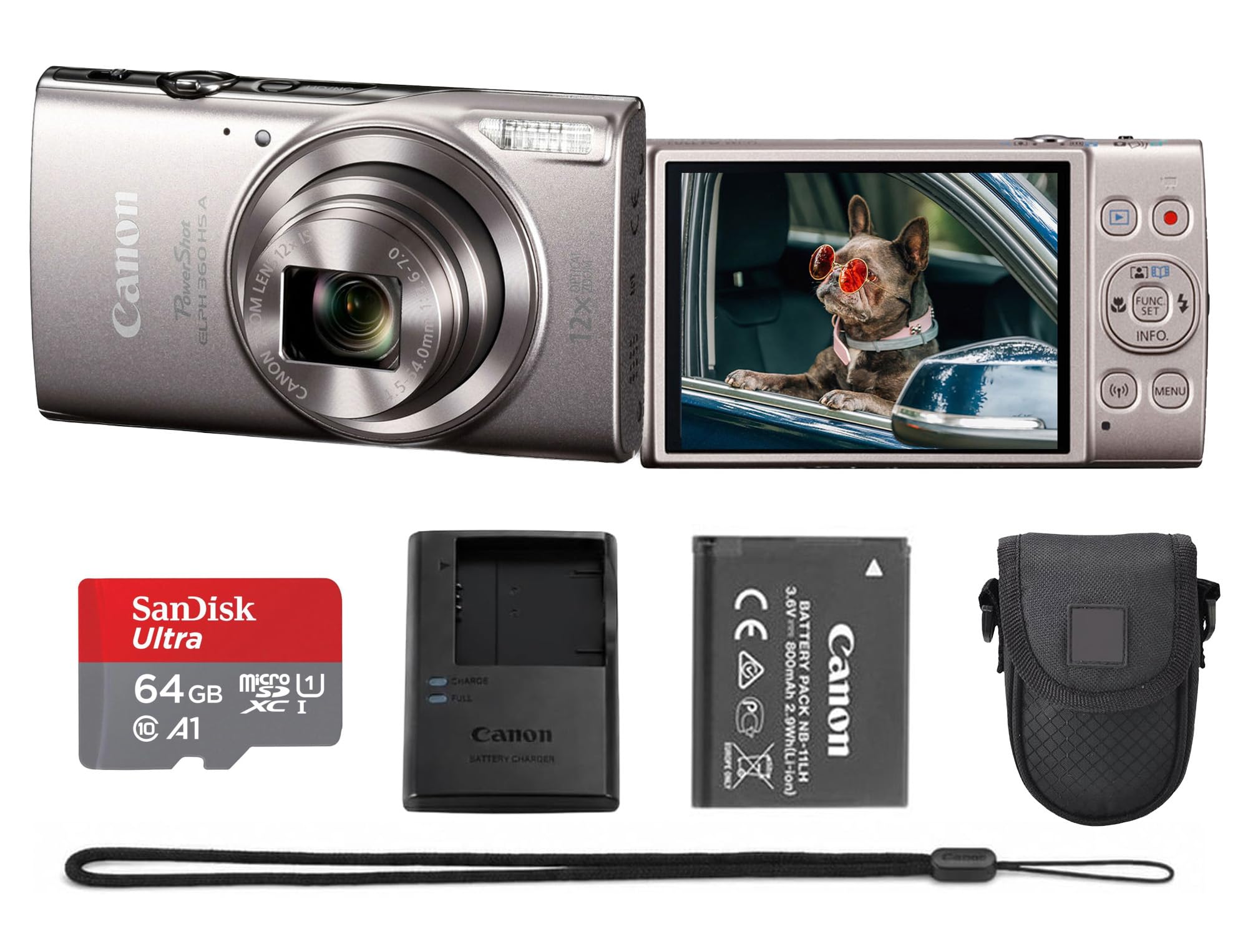
Most first cameras fall into three groups. Compact cameras have a fixed lens and fit in a jacket pocket. Mirrorless cameras take interchangeable lenses in bodies smaller than older DSLR designs. Action cameras are tiny, rugged and made for video near water or on a bike. For the broad picture first, see our guide to the best digital cameras.
Who Should Buy Which First Camera?
Match the camera to how you will actually shoot during your first year. The three groups below cover the most common starting points, and for a shorter list to compare, see our guide to the best first cameras.
Learners Who Want Simple Point and Shoot Ease
Choose a compact camera with a fixed lens if you want to pull it out, frame the shot and press one button. You give up lens changes, but you gain a light body that travels in a coat pocket. Look for plain guide screens that explain each setting and a grip you can hold securely with one hand.
Hobby Learners Who Want Room to Grow
Choose a mirrorless camera with interchangeable lenses if you plan to learn manual controls and try new subjects. A kit that pairs the body with a standard zoom lens covers family, travel and street scenes. Pick a system with plenty of lenses at prices you can afford, because the body is only the first purchase.
Family and Travel Shooters Who Share Photos Fast
Choose a camera with WiFi and Bluetooth if your photos go to family chats and social feeds the same day. A tilting touch screen helps with group shots. Weather sealing is worth paying for if you shoot at beaches and in light rain. Keep total weight in mind, including the lens, because a camera left at home takes no photos at all.
The Specs That Matter Most on Your First Camera
Read spec sheets in a fixed order so marketing numbers do not distract you. When you compare the best cameras for first time photographers, start with the sensor and lens, then check autofocus and battery. The five factors below explain what each spec changes in daily use.
Sensor Size and How Sharp Your First Photos Look
Sensor size shapes image quality more than any other spec. A 1 inch sensor in better compacts beats a phone in dim light and gives cleaner detail. APS C sensors, found in most entry level mirrorless cameras, gather more light and blur backgrounds more easily. Full frame is the largest common size, and most beginners do not need it. About 20 to 24 megapixels already print large and crop well.
Lens Choice and Optical Zoom
The lens decides what you can frame. A standard zoom covering about 24 to 70 mm handles landscapes, groups and portraits. Wider numbers fit more of a scene, while longer numbers bring subjects closer. Optical zoom uses glass to magnify, so detail stays sharp, while digital zoom only crops and loses detail. A bright maximum aperture such as f/2.8 lets in more light than f/5.6, which helps indoors.
Autofocus and Image Stabilization
Autofocus speed decides whether moving kids and pets stay sharp. Look for face detection and eye autofocus, which lock onto a person and follow them as they move, plus subject tracking for animals. Image stabilization steadies small hand movements, and it may sit in the body, the lens, or both. Stabilization lets you hand hold slower shutter speeds in dim light, but it cannot freeze a running child, so raise shutter speed for action.
Battery Life and Charging
Mirrorless cameras often rate about 300 to 500 shots per charge, while many compacts rate fewer and DSLR bodies rate far more. Video and heavy screen use drain a battery faster than still photos, so real days out often end below the rating. USB C charging is a real plus, because you can top up from a car or a power bank.
Low Light Performance and Weather Sealing
Low light results come from three things working together: sensor size, lens aperture and how cleanly the camera handles high ISO settings. A first camera that stays clean up to about ISO 3200 covers homes, restaurants and evening streets. Weather sealing adds gaskets at doors and dials so light rain and dust stay out, but sealed is not waterproof, and only cameras rated for immersion belong underwater.
Setting Up Your First Camera and Taking the First Shots
Charge the battery fully, insert a memory card and format that card in the camera before your first outing. Set the date and time so files sort correctly later, then choose the largest JPEG size. Turn on grid lines, and leave the mode dial on full auto for the first week. For a companion read on this stage, see our guide to the best cameras for starting photographers.
Take your first practice photos at home, indoors, by a window and in the yard, and review them at full size that evening. Note which shots came out blurry and whether the blur came from movement or missed focus. Clean the front lens element only with a lens cloth, never your shirt, because shirt fabric can hold grit that scratches coatings.
Rookie Mistakes to Avoid
These five errors cost new photographers money or good photos, and each one is easy to dodge.
- Buying on megapixels alone leads to a camera with a tiny sensor that struggles in dim light.
- Spending the whole budget on the body leaves nothing for a memory card, a spare battery and a bag.
- Choosing a heavy kit means the camera stays home on the days that matter.
- Ignoring the lens range means your zoom may never get close enough for school plays or wildlife.
- Never practicing before a big event means you learn the menus while the moment passes.
Care and Maintenance for Your First Camera
Keep the lens and sensor area clean and dry. Use a blower on the lens before you wipe it, and keep the body cap on whenever a lens is off so dust stays off the sensor. Never touch the sensor, because it scratches easily and needs professional cleaning if spots keep showing in photos.
Store the camera in a dry place out of direct sun, and take the battery out if you will not shoot for a month. Update the camera software when the maker releases fixes, using a full battery so the update cannot stop halfway. Check straps and bag zips, because most camera damage comes from drops.
FAQs
What features matter most in a camera for first time photographers?
Helpful automation matters most, so look for a clear auto mode, guide screens that explain settings and a grip that feels secure. One point many buyers miss is the help built into the camera, such as a searchable menu, which can teach you faster than a manual. Try the menu in a store if you can, because a layout that confuses you on day one rarely gets easier.
What specs matter most for beginners learning photography?
Start with sensor size and lens aperture, because that pair shapes most of your image quality. A new point worth checking is raw file support, which saves an unprocessed version of each photo so you can learn editing later. Frame rate and huge buffers matter mainly for fast sports, so rank them last while you learn.
How much should a first time photographer spend on a first camera?
Most first time photographers do well with about $400 to $800 for a body and kit lens, or about $250 to $500 for a good compact. Keep roughly a tenth of your budget aside for a card, a bag and a spare battery. Spending more mainly buys low light headroom and faster autofocus, not better composition, so lessons and practice time pay off sooner.
Is a smartphone enough instead of a dedicated camera for a first time photographer?
A smartphone is enough if you only share photos online and shoot mostly in good light. A dedicated camera pulls ahead when you want optical zoom, blurred backgrounds, fast autofocus on moving subjects or large prints. One test helps: if you often zoom on your phone and feel let down by the detail, that frustration is your clearest sign to buy.
Should a first time photographer choose a fixed lens camera or one with interchangeable lenses?
Choose a fixed lens camera if low weight and simple decisions matter most, and choose interchangeable lenses if you expect your subjects to widen over time. Swapping lenses also means carrying more and exposing the sensor to dust during changes outdoors. Many learners do best starting with one kit zoom and adding a second lens only after they can name the shots it cannot make.
Wrapping Up
Keep your shortlist small. Sensor size and lens quality first, autofocus that tracks faces second, and a body light enough to carry third will guide most first purchases. Use the product table above to compare those points side by side before you decide.
Whichever type you pick, the best cameras for first time photographers are the ones that make learning feel easy during the first month. Buy the simplest setup that fits your subjects and budget, take it out this week and start practicing.

