
Best Cameras for Filmmaking under 500: A First Time Buyer's Guide for 2026
Disclosure: We may earn a commission when you buy through links on this page, at no extra cost to you. As an Amazon Associate I earn from qualifying purchases. Learn more

Shopping for the best cameras for filmmaking under 500 for the first time? Learn the terms, compare options, and avoid rookie mistakes with this easy guide.
Buying your first video camera feels different from buying one for photos, because sound, focus and recording time matter as much as picture quality. The best cameras for filmmaking under 500 can record clean 4K video, follow a face as it moves and connect to a small microphone. This guide starts with the basics, then explains each spec in the table below.
You do not need camera jargon before you start. Each section below translates one term into what you will see and hear in your footage. By the end you will have a short checklist for any camera on your list.


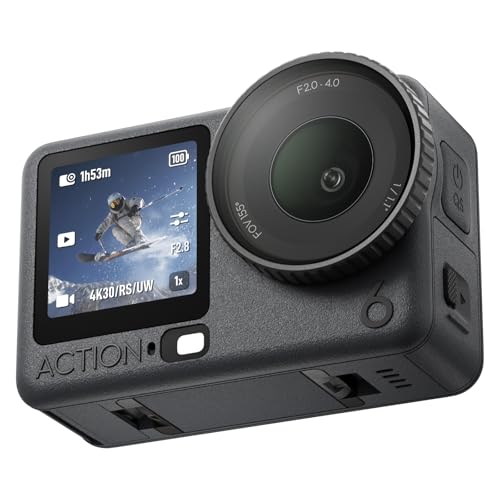

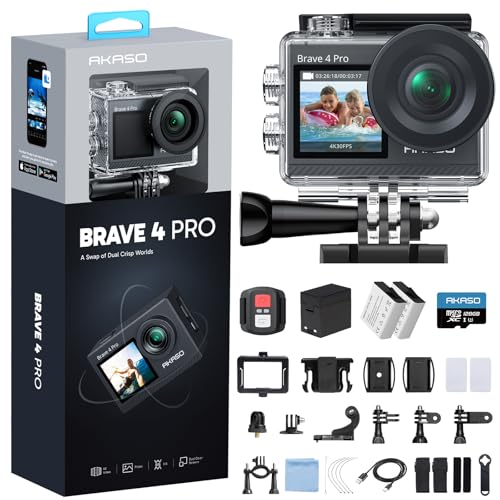


Filmmaking Camera Basics for First Time Buyers
A filmmaking camera records clips to a memory card, captures sound through a built in or external microphone, and lets you control exposure while recording. When you shop for the best cameras for filmmaking under 500, you will meet four families. Mirrorless cameras swap lenses and give the strongest video features. Compacts keep the lens fixed and stay small, DSLR models use an optical viewfinder, and camcorders focus on long recording and simple handling.
Each family trades size, lens choice and ease differently, so no single type wins for every project. If still photos matter as much as video, see our guide to the best cameras under 500. For an optical viewfinder and used lenses, see our guide to the best dslr cameras for under 500.
The Specs That Matter, in Simple Terms
Read these six factors in order and spec sheets start to make sense.
What You Can Realistically Get Under $500
At under $500 you can expect 4K video, a 1 inch or APS C sensor, reliable autofocus and a microphone input. The headphone jack, color profiles and strong weather sealing usually get cut. Do not skip the microphone input or settle for weak autofocus, because poor sound and hunting focus ruin more first films than a smaller sensor does. Leave about $50 to $100 for a card, battery and microphone.
Features That Matter for Filmmaking
Filmmaking asks more of a camera than stills work does. It must hold focus on a moving subject for minutes, record sound you can use and keep exposure smooth as light changes. Look for continuous autofocus with face detection, a screen you can monitor while recording and control of shutter speed and aperture. Those points decide whether a take survives far more often than small gaps in resolution do.
Sensor Size and Clean Footage
Sensor size shapes how clean your footage looks indoors and after dark. A 1 inch sensor is the small end, APS C sits in the middle and suits most first films, and full frame sits above this budget. A larger sensor gathers light, so faces stay smooth at higher ISO settings and backgrounds blur easily. Megapixels matter far less for video, because a 4K frame uses about eight megapixels.
Controls That Feel Easy From Day One
Strong automatic modes let you film a family scene or a school project on day one, while manual control waits until you want it. A touch screen that taps to focus, clear menus and a phone app for moving clips all shorten the learning curve. Avoid a camera whose video settings hide deep in menus. Simple controls you understand beat advanced controls you avoid.
Recording Formats, Frame Rates and Stabilization
Most record 4K video at 24 or 30 frames per second, and some add 60 frames per second for slow motion. A flat color profile, often called log, holds more detail in bright skies for later grading. Image stabilization, in body, in the lens or electronic, calms handheld footage. A screen that flips to face you suits vlogging cameras and solo work, and a microphone input matters more than a jump in resolution. Many models stop each clip at about 30 minutes, so check that limit.
Durability and Weather Sealing
Weather sealing means gaskets around doors, dials and the lens mount that slow dust and light rain. It does not mean you can submerge the camera or film in a storm without cover, and most cameras under $500 carry no rating for use underwater. Treat sealing as a bonus, and dry the body before you open any door.
Choosing by Project Type and Budget
Match the camera to your project and your actual budget.
Best 4K Cameras for Filmmaking under 500
The best 4k cameras for filmmaking under 500 pair a 1 inch or APS C sensor with clean 4K output and steady autofocus. Check how much the frame crops in 4K mode, because a heavy crop makes rooms hard to film. Prefer a model that records strong 1080p for projects that still use it.
Best Cameras for Filmmaking under 400
Dropping to the best cameras for filmmaking under 400 usually means a smaller sensor, 1080p or cropped 4K, and fewer audio ports. The saving works if your films live online and your rooms are bright. Spend the difference on a microphone and a tripod, because support gear lifts quality more than a spec jump does.
Best Beginner Cameras for Filmmaking under 300: Tips for First Time Buyers
Start with the best beginner cameras for filmmaking under 300 to learn framing, light and sound before spending more. Choose simple menus, a helpful automatic mode and a fixed lens. Many compacts sit in this group. On a compact, judge the lens by its optical zoom range, since digital zoom only crops the frame. Readers who want a small body can see our guide to the best compact cameras under 500.
Rookie Mistakes to Avoid
New buyers repeat the same errors, and each one shows up in the finished film.
- Chasing the highest resolution while ignoring sound leaves sharp footage with dialogue nobody can enjoy.
- Buying a camera with no microphone input locks you into built in audio for every project.
- Skipping a spare battery ends a shoot early, because recording video drains power far faster than photos do.
- Filming everything by hand without stabilization makes calm scenes feel restless and tiring.
- Choosing a lens too narrow for your rooms forces you to film from doorways.
First Setup Steps Before Your First Clip
Charge the battery, format the card inside the camera and set the date before your first clip. Fit the lens, record a test at home and play it back on a screen, so you can hear the room and watch the autofocus before anything important depends on it.
- Set the frame rate to 24 or 30 frames per second for your first project.
- Use a lens cloth, not your shirt, to clear the front glass.
- Carry a spare battery and a second card on every shoot.
- Lock exposure and focus on your subject before a take, then let the scene play.
Care and Maintenance for Filmmaking Cameras
Store the camera in a bag or cabinet with the lens cap on, away from sand and steam. Wipe the body with a soft cloth after outdoor shoots, and blow dust from the lens mount before swapping lenses, so grit stays away from the sensor.
Charge spare batteries in rotation instead of leaving one flat for months. Format cards in the camera after you copy and check your clips, and keep one working card so a failure never takes a whole project.
Frequently Asked Questions
Can you get a good filmmaking camera under $500?
Yes, a good filmmaking camera under $500 can record clean 4K video, track faces and take an external microphone. You give up comfort extras like a headphone jack. Budget for a card listed for 4K recording, or the camera may stop mid clip.
What features matter most in cameras for filmmaking?
Continuous autofocus, usable sound and a screen you can see while recording matter most in cameras for filmmaking. Those three decide whether a take survives, while small resolution gaps rarely do. A less obvious factor is heat, because a body that shuts down during a long take is a real risk.
Is a smartphone enough instead of a filmmaking camera?
A smartphone is enough for practice clips, class exercises and social posts. A dedicated camera pulls ahead when you need blurred backgrounds, a microphone input and longer recording without calls interrupting. Film one minute of dialogue in a noisy room on your phone, and listen for echo and wind before you decide.
How much should I spend on my first filmmaking camera?
Spend about $300 to $500 on the camera itself, and keep roughly a fifth of your total budget for other gear. That reserve covers a microphone, a card and a small tripod. Spending every cent on the body and nothing on sound is the most common budget error new buyers make.
What specs matter most for beginner filmmaking cameras?
For beginner filmmaking cameras, clear menus, tap to focus and a helpful automatic mode matter more than a long spec list. Add a flip screen if you film yourself, because framing solo takes without one wastes time. A camera that charges over USB helps, because a forgotten charger stops being a lost shoot day.
Which filmmaking camera type is better for low light?
An interchangeable lens camera with an APS C sensor is better for low light than a small compact at this price. The larger sensor keeps noise down, and a bright prime lens gathers more light for night scenes. One extra trick is a small LED light, because a modest light beats raising the ISO into noise.
Our Verdict
Start with autofocus, sound and sensor size, and most cameras under this budget sort themselves out. Match the type to your project, and keep money aside for a microphone and battery. Use the product table above to check the short list against those three points.
Chosen with care, the best cameras for filmmaking under 500 are capable of short films, school work and a first channel. Pick the one that fits your rooms and subjects, and start filming this week.


