
Best 4K Cameras for Filmmaking: A First Time Buyer's Guide for 2026
Disclosure: We may earn a commission when you buy through links on this page, at no extra cost to you. As an Amazon Associate I earn from qualifying purchases. Learn more

Learn how to choose best 4k cameras for filmmaking with plain English help on sensors, autofocus, audio, lenses, stabilization and first time budgets.
Buying your first camera for a film project can feel confusing, because every model lists dozens of numbers. Start simpler. The best 4k cameras for filmmaking match your scenes, your crew size and the way you record sound. This guide moves from the basics to a clear choice, and you can use the comparison table below as you read.
Think about what you will shoot most often. Dialogue in a living room, travel scenes and a school stage all ask for different strengths. The sections below turn those scenes into choices about sensors, lenses, audio and power.


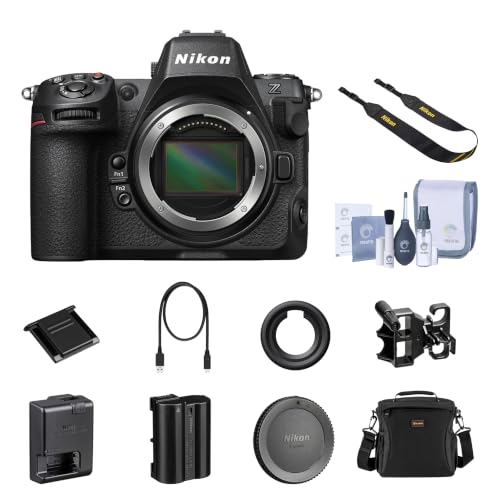
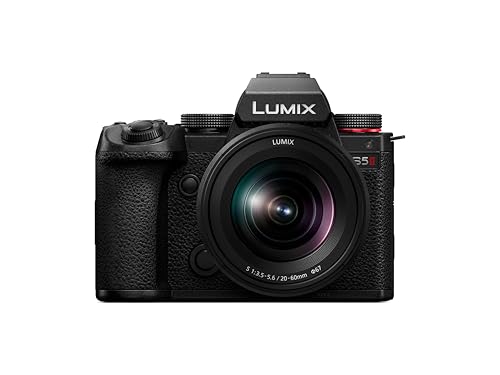


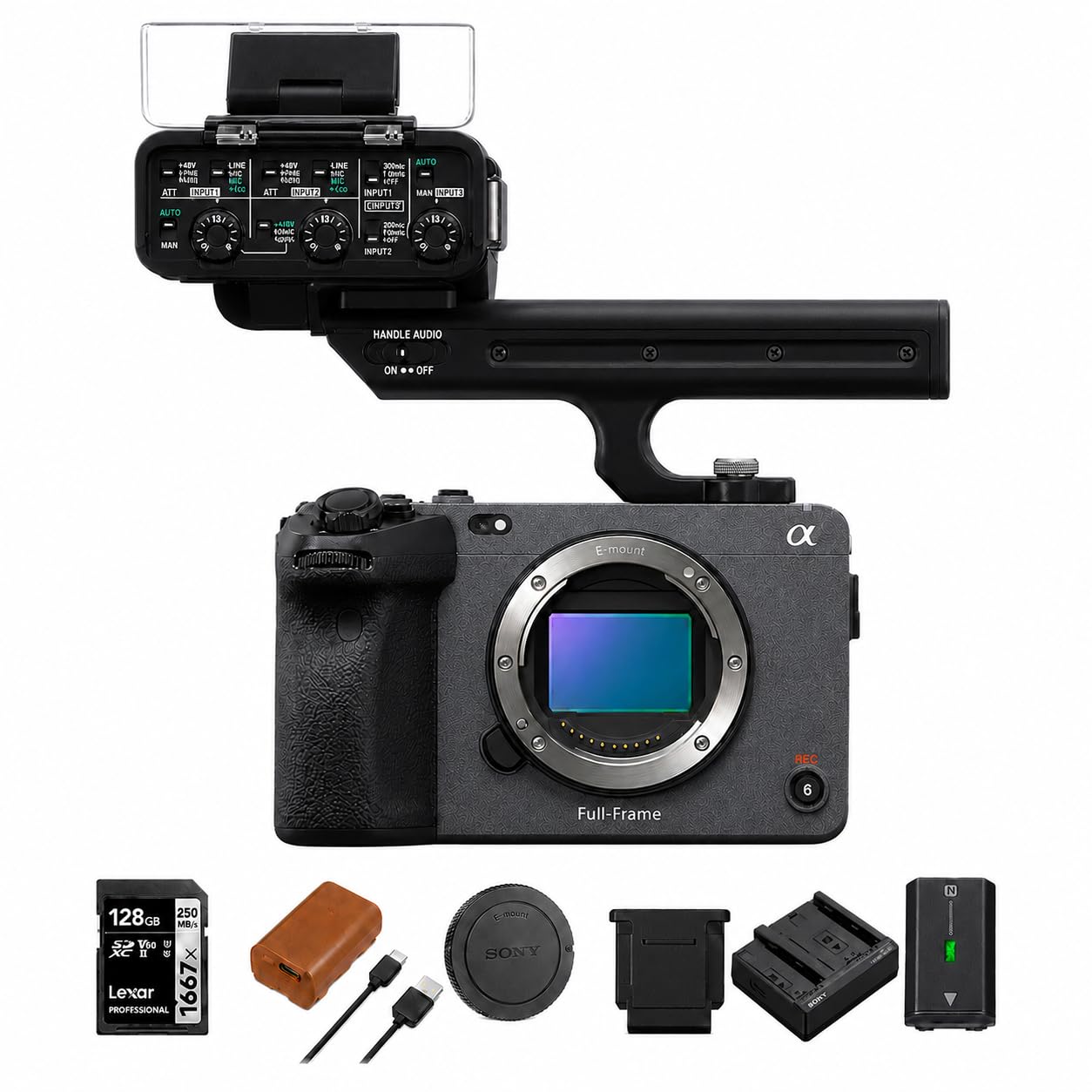
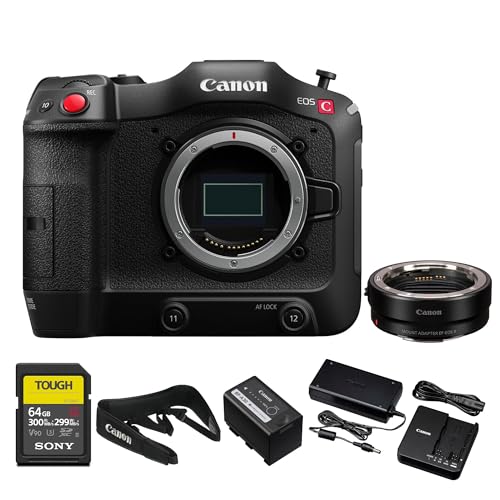
4K Cameras 101: The Basics for New Filmmakers
A 4K camera records video with about 3840 by 2160 pixels in each frame, roughly four times the detail of full HD. That detail helps when you crop a wide shot slightly in editing or show a scene on a large screen. It does not fix shaky hands, poor light or muffled sound.
Filmmaking differs from casual clips because you plan each scene, control light where you can and edit footage later. Frame rate shapes the look, with 24 frames per second giving the familiar cinema feel and higher rates allowing smooth slow motion. If you also need still photos, see our guide to the best digital cameras.
Camera Specs Judged by a Full Day of Filming
Read each spec by asking how it changes a normal day of filming.
Features That Matter for Filmmaking
For filmmaking, sound and recording flexibility matter as much as sharpness. Look for a microphone input so an external microphone can sit close to your speaker, plus a headphone socket so you can hear hum or wind while recording. Long takes also need a clear recording limit, fast card support and color options you can grade later, such as a log profile and 10 bit color.
Sensor Choices for Film Work, From 1 Inch to Full Frame
Sensor size shapes low light results and how blurred the background can look. A 1 inch sensor suits compact cameras and bright scenes, while APS C sensors gather more light and pair with many affordable lenses. Full frame sensors gather the most light and give the shallowest background blur, but bodies and lenses cost and weigh more. Megapixel counts matter mainly for still photos, so judge video by sensor and lens.
Durability and Weather Sealing
Weather sealing means gaskets around doors, dials and the lens mount help keep out dust and light moisture. It suits dusty streets and brief drizzles, yet the camera still needs shelter in heavy rain. Sealing varies by model and by lens, so a sealed body with an unsealed lens leaves a weak point. Change lenses under cover when wind blows grit.
Autofocus and Stabilization
Good autofocus follows a face as an actor moves, and eye autofocus can hold focus on the nearer eye during dialogue. Check how smoothly focus shifts, because sudden jumps look distracting. Image stabilization steadies small hand movements, with in body image stabilization moving the sensor and lens based systems moving glass inside the lens. A tripod remains best for still scenes, while a gimbal suits walking shots.
Recording Time per Charge and Spare Battery Planning
Video drains batteries faster than still photos, and many cameras record for about 60 to 120 minutes per charge depending on screen use and temperature. Cold weather shortens that time, so plan at least one spare for a half day shoot. USB C charging lets you top up from a power bank between scenes. Check that the bank can run your model while recording.
Size, Weight, and Ergonomics
Total weight means the body, the lens you will actually use, a microphone and a battery together. A small body loses its advantage if your main lens is large and front heavy. Look for a solid grip, buttons you can reach without lowering the camera and a screen that tilts or flips for low angles and self recording.
Choosing 4K Cameras for Your Situation
Your most repeated scene should decide the type of camera, not the longest spec list.
Solo Creators Who Film Themselves
You need a flip screen to check framing, reliable face tracking and a microphone input that stays clear of the screen hinge. Compact bodies and some vlogging cameras fit this role, as do small point and shoot compacts with strong video modes. Prioritize simple menus and light weight, because you are crew, presenter and editor at once.
New Short Film and Student Crews
You benefit from an interchangeable lens mount, manual controls and a flat color option for practice with grading. Lens choice in your price range can matter more than a newer body, so price the full kit together. For camcorder style options, see our guide to the best video cameras for filmmaking and compare handling and zoom range.
Documentary and Travel Filmmakers Who Pack Light
You need quick setup, dependable autofocus in changing light and a kit that fits a small bag. A versatile zoom reduces lens changes in dusty places, and dual card slots on some models give an instant copy of important footage. If this is your main path, see our guide to the best cameras for documentary filmmaking.
Best Hd 4K Cameras for Filmmaking: Tips for First Time Buyers
When listings mix HD and 4K language, check the actual recording figures rather than the box label. Confirm true 4K at the frame rate you need, not only HD with 4K still photos. When you compare best 4k cameras for filmmaking at this level, also check whether the view narrows in 4K mode, because a crop changes how wide your lens feels indoors.
Rookie Mistakes to Avoid
- Buying on resolution alone leaves you with weak audio, and viewers notice poor sound faster than soft video.
- Spending your whole budget on the body leaves nothing for a lens, cards, batteries and a microphone.
- Ignoring the recording limit or heat warnings can stop a long interview or stage scene in the middle.
- Choosing a fixed lens with a short optical zoom for distant subjects forces heavy cropping that wastes 4K detail.
- Skipping a test recording at home means you discover wind noise or focus hunting during your real scene.
Camera Setup Before Your First Scene
Charge the battery fully, set the date and format your memory card in the camera before your first scene. Choose 4K at 24 or 30 frames per second, set white balance to match your light and turn on focus peaking for manual focus. Record a short clip with dialogue and check focus, exposure and sound on headphones.
Carry a spare battery, a spare card and a soft lens cloth, and use the cloth rather than your shirt to clean the front glass. Note the settings from your best test clip. For broader format choices, see our guide to the best cameras 4k.
Care and Maintenance for 4K Filmmaking Cameras
Store the camera in a dry bag or cabinet with the battery removed if you will not film for several weeks. Keep caps on the body and lens so dust stays off the sensor and rear glass, and blow loose grit away before wiping. Avoid leaving the camera in a hot car, because heat stresses batteries.
Copy footage to two places before you format a card, and give each project folder the scene date and a short title. If the same dust spot appears in every bright scene, use the camera cleaning mode first and ask a service center about cleaning.
4K Cameras: Your Questions Answered
What features matter most in 4K cameras for filmmaking on a first project?
Clean audio, dependable autofocus and a lens that fits your rooms matter most on a first project. Add one point many beginners miss: check the screen in bright daylight before a location shoot. If you cannot judge exposure outside, a brighter screen or an optional viewfinder will save retakes.
Is a smartphone enough instead of a 4K camera for filmmaking?
A smartphone is enough for practice shorts, casting tests and scenes where you control the light closely. Its small sensor struggles more in dim rooms and with separate audio gear. Treat phone work as training in framing and editing, then buy a camera when a specific limit, such as lens choice or sound, keeps blocking your scenes.
Which sensor size is better for low light filming?
A full frame sensor is generally better for low light filming because it gathers more light at the same lens setting. The catch is cost and focus, since very wide apertures make focus shallow and actors can drift out of sharpness. Many first time buyers get steadier results from APS C, a fast lens and one extra light.
How much should I spend on my first 4K filmmaking camera?
Plan the full kit rather than a body price, with many complete starter setups landing at about $800 to $2,500. Keep roughly a third of your budget for the lens, sound, cards, power and a tripod. A cheaper body with good audio and light will usually produce a better first film than an expensive body used alone.
How long can a 4K filmmaking camera record in one take?
Recording length varies widely, from about 30 minutes on some models to unlimited until the card fills or the camera gets too warm on others. Check your scene type: interviews and ceremonies need the longest margin, while short narrative takes rarely run long. Always run a full length test at your chosen frame rate before an event.
What specs matter most for beginners choosing a 4K filmmaking camera?
Beginners should rank ease of focus, clear menus and a tilting screen above rare slow motion modes and extreme bit rates. One useful check is file size, because 4K footage can fill a laptop drive quickly. Budget for storage and backup drives along with the camera, or editing will stall while you clear space.
Final Thoughts on 4K Cameras for Filmmaking
Start with your scenes, then match sensor, lens, audio and power to those scenes in that order. Keep the kit light enough to use often and simple enough that settings never slow you down. Use the product table above to confirm recording options.
Chosen with those checks, the best 4k cameras for filmmaking become a tool you stop thinking about, which is exactly what a first film needs. Pick the balanced option you can afford as a full kit and start filming.


