
Best Cameras for Filmmaking under 1000: A Buying Guide for 2026
Disclosure: We may earn a commission when you buy through links on this page, at no extra cost to you. As an Amazon Associate I earn from qualifying purchases. Learn more

Compare filmmaking cameras under $1000 by sensor, 4K video, autofocus and audio, with a clear checklist for shorts, interviews and documentaries.
A filmmaking camera must hold focus on a moving actor, capture clean dialogue, and keep recording through a full scene. The best cameras for filmmaking under 1000 balance those needs inside a strict budget, and this guide shows you how to weigh them using the comparison table below.
Start by naming the films you plan to make. A short narrative, an interview series, and a travel documentary each stress a different part of the camera. The sections below match each project to sensor, video settings, audio, and lenses.
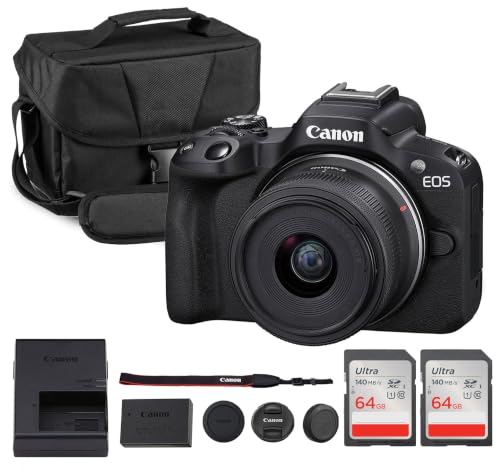


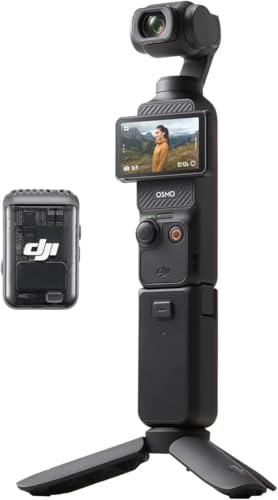


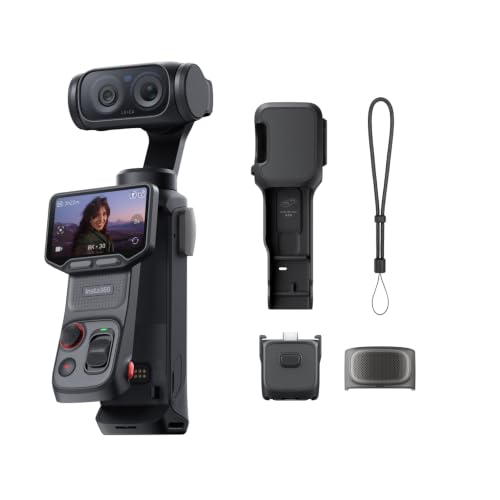
Who Should Buy Which Filmmaking Cameras Under $1000?
Your crew size and shooting style matter more than a long spec list. Pick the group closest to your next project, then compare models by its priorities.
Short Film Creators Working With a Small Crew
You shoot planned scenes, with time to set lights and repeat a take. Prioritize a larger sensor, a flat color profile for grading, and a lens mount with affordable fast lenses. Manual focus aids such as peaking matter more than fast burst stills. Leave budget for one bright prime lens, because that lens shapes your look more than a small step up in body.
Interview and Documentary Shooters Who Record Long Takes
You need a camera that records a full conversation without a short clip limit or heat shutdown in a warm room. Look for a headphone jack so you hear problems as they happen, plus roomy cards for safety. Reliable face tracking helps when a guest shifts in the chair. Wall power suits studio days well.
Solo Creators Who Film, Present, and Edit Alone
You set the camera, step in front of it, and trust it to stay sharp on your face. A screen that flips fully toward you, dependable eye autofocus, and clear audio meters save retakes. Compact size helps in a small room or on foot. Simple menus matter, because no crew member watches settings while you perform.
Key Features to Compare
Compare these factors in order, and keep total spend in view. If you are still weighing the wider tier, see our guide to the best cameras under 1000 before narrowing to filmmaking models.
Sensor Size and Clean Footage in Low Light
Sensor size controls depth of field and clean detail in dim scenes. A Micro Four Thirds sensor is compact and keeps more of the scene in focus, which suits documentary work. An APS C sensor gives shallower focus and cleaner shadows at high ISO, while full frame models at this price are rare and usually older. Megapixels matter less for video, because 4K uses only part of the sensor resolution. When you compare the best cameras for filmmaking under 1000, judge samples at your working ISO values.
4K Video, Frame Rates, and Color Profiles
Most models here record 4K video at 24 or 30 frames per second, and some add 60 frames per second for smooth slow motion at a slower playback rate. Check whether 4K recording crops the sensor, because a crop changes your lens view and can add noise. A flat or log profile records more detail for grading, but it needs extra edit time. If you deliver straight from the camera, choose standard color.
Autofocus That Tracks Faces and Eyes
Good video autofocus finds a face, locks onto an eye, and follows smoothly without hunting back and forth. Note how it behaves when an actor turns sideways or crosses the frame. Touch focus that glides at an adjustable speed looks more natural than a sudden jump. If you prefer manual focus, look for clear peaking and a punch in view.
Audio Inputs, Headphone Monitoring, and Screens
Dialogue carries most films, so a microphone input is close to essential at this budget. A mic jack lets you place a microphone near the speaker instead of relying on the camera across the room. A headphone jack lets you catch hum and wind noise while you can still fix them. A fully flipping screen helps solo filming and low or high angles.
Image Stabilization, Size, and Rigging Options
Built in image stabilization steadies handheld shots and smooths small steps, which helps documentary and travel scenes. Lens based stabilization can work well too, but it varies by lens. Larger bodies offer better grips and room for a cage, monitor, and microphone on top. Smaller bodies travel easily and draw less attention in public. Think about full rig weight.
Lens Mount, Media Cards, and Battery Life
The lens mount decides which lenses you can buy now and rent later, so check native lens prices before you commit. Fast cards matter for high bit rate 4K recording, and slow cards can stop a take midway. Battery life varies widely, so plan on spare batteries for a full shoot day. USB power can extend a long interview.
Camera Types Compared for Filmmaking Under $1000
Three camera families fit this budget, each for a different way of working. Event work sits nearby, so see our guide to the best cameras for videography under 1000 if your paid work is mainly weddings.
Mirrorless Cameras With Interchangeable Lenses
Mirrorless models are the strongest default choice at this price. They offer modern autofocus, good 4K video, compact bodies, and growing lens ranges. Electronic viewfinders show exposure as it will record, which helps you judge a scene before rolling. Their main limits are battery life and heat on long takes, so check recording limits first.
DSLR Cameras for Video on a Tight Budget
An older DSLR can cost less and brings a tough body, long battery life, and a huge used lens market. Video autofocus is usually slower, and many models crop heavily or omit 4K. If you shoot planned scenes on a tripod and focus by hand, that trade can still make sense. See our guide to the best dslr cameras under 1000 and compare video limits carefully.
Compact and Action Cameras as Second Angles
A small fixed lens camera or an action camera will rarely be your main tool, but each earns a place as a second view. Action cameras mount in cars and tight corners where a large body cannot go, and they tolerate knocks and water. Compact models suit discreet street scenes. If stills matter alongside video, see our guide to the best digital cameras under 1000 for broader hybrid options.
Common Mistakes to Avoid
- Spending the full budget on the body leaves nothing for a lens, microphone, and cards, so the film looks and sounds unfinished.
- Ignoring recording limits and heat warnings means a long interview can stop mid sentence without warning.
- Trusting built in microphones for dialogue gives you echo and room noise that editing cannot fully remove.
- Choosing a mount with costly lenses locks you into slow kit glass that struggles in low light.
- Judging a camera only by 4K labels hides crops and weak bit rates that show up in graded shots.
- Skipping a headphone check during setup lets a buzzing cable ruin a full day of interviews.
Care and Maintenance for Filmmaking Cameras
Clean the lens and sensor with care, because dust spots appear in every frame. Use a blower first, then a proper lens cloth on glass, never your shirt, which can drag grit across the coating. Keep a spare battery and a formatted spare card in your bag, and store the camera in a dry, padded case.
Update firmware when the maker releases autofocus or heat handling improvements. Wipe the body after dusty work, check mount contacts for dirt, and inspect cables for wear. Format cards in the camera only after backing up footage twice.
FAQ
Can you get a good filmmaking camera for under $1000 for a short film?
Yes, you can get a capable filmmaking camera for under $1000 for a short film. Image quality at this price is enough for festivals and online release when lighting and sound are handled well. Costlier models mainly add faster autofocus, better heat handling, and richer color depth. Put saved money toward lighting rental for your biggest scene, because light shapes the image more than a pricier body.
What features matter most in a filmmaking camera under $1000 for dialogue scenes?
Clean audio tools and reliable face autofocus matter most for dialogue scenes in this price range. A microphone input, a headphone jack, and visible audio meters protect the words your story depends on. Next comes a screen you can see from your acting position. Test the setup with a friend reading lines at your planned distance, and listen back on headphones before the shoot day.
Which sensor size is better for low light filmmaking under $1000?
An APS C sensor is usually better for low light filmmaking under $1000 than a smaller sensor. Its larger photosites gather more light, so night streets and candlelit rooms hold cleaner detail at the same ISO. A fast lens can close much of that gap on a smaller sensor and also gives shallower focus. If you shoot mostly unlit locations, weigh sensor size first.
How much of a $1000 filmmaking budget should go to the camera body alone?
Plan to spend about $600 to $800 of a $1000 filmmaking budget on the camera body and kit lens. Reserve the rest for a microphone, cards, spare batteries, and a basic tripod, because those items decide whether footage is usable. If you already own audio gear, push more toward the body or a faster lens. Planning the split now costs less than buying accessories later.
Is a smartphone enough instead of a dedicated filmmaking camera?
A smartphone can be enough for early shorts, class projects, and behind the scenes clips. Modern phones record sharp 4K video and handle exposure well in good light. A dedicated camera pulls ahead with interchangeable lenses, shallower focus, better low light results, and proper audio inputs. Many filmmakers start on a phone, then buy a camera once lens and audio limits block their ideas.
Final Thoughts
Choose by project first, then by sensor, audio, and lens mount. Each group above can find a strong fit under this cap, if the budget also covers sound and support gear. Use the product table above to confirm recording limits and inputs.
When you judge best cameras for filmmaking under 1000 by the scenes you will actually shoot, the right choice becomes clear. Buy the camera that removes your biggest on set problem, then finish a film with it.


