
Best Cameras for Filming and Photography: Matching the Right Camera to Your Routine in 2026
Disclosure: We may earn a commission when you buy through links on this page, at no extra cost to you. As an Amazon Associate I earn from qualifying purchases. Learn more

Match the best cameras for filming and photography to your routine with record limits, focus, sound and sensor classes compared, plus honest price bands.
One body that films all morning and shoots stills all afternoon sounds simple, until record limits and focus quirks enter the picture. The best cameras for filming and photography are not the same for every routine, because a wedding shooter, a teacher recording lessons, and a parent at a school play lean on different classes. This guide starts with filming, since video is where hybrid bodies show their limits first.
Every class covered here is digital, sitting inside the wider family of best digital cameras, and each one splits its talent between moving and still images in a different ratio. Read in the order of your own week: filming classes first, then stills, then shared parts like batteries and screens. The comparison table below lays the main classes side by side.


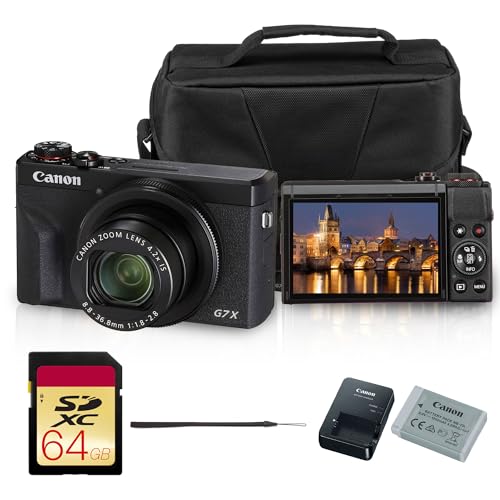

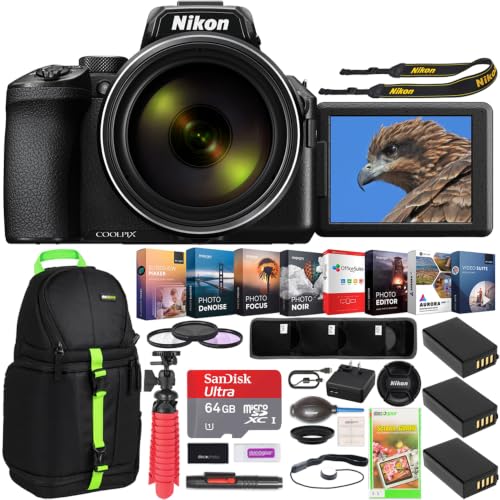
Who Should Buy Which Cameras?
Your routine decides the ratio of filming to stills, and that ratio decides the body class. Note first: best film photography cameras belong to a different medium class that cannot record video, so every group below assumes a digital hybrid body. The product table above groups the classes by routine for quick comparison.
For Event Filming and Long Sessions
Ceremonies, recitals, matches, and services all share one demand: the take cannot stop. If your routine is built on long sessions, rank record limits, cooling, and dual card slots above burst rates. A body that films in gentler modes for hours beats a sharper body that overheats during the vows. Power matters too, so check for wall power or a large external battery option.
For Remote Workers and Creators
If your week mixes video calls, recorded lessons, and product stills, your camera doubles as a studio tool. A flip screen you can see from the front, a microphone input, and clean video output over a cable are the classes to rank first. Autofocus that locks onto a face and stays there saves more retakes than any resolution jump. Stills matter for thumbnails and listings, so a balanced hybrid serves this group better than a filming only body.
For Students and Everyday Users
Students and everyday shooters need one camera that behaves itself without a week of menu study. Strong automatic modes, honest battery life, and a price that leaves room for a second lens matter more than pro ports. This group films short clips and shoots stills daily, so no single class needs to be extreme. Our guide to best beginning photography cameras covers the learning curve in more depth.
For Travelers and Commuters
Travel routines punish weight twice: once in the bag, once in the hand. Compact APS C and 1 inch classes film and shoot well while leaving room for everything else you carry. In body stabilization earns its place here, steadying walking footage and handheld stills at dusk. One versatile zoom usually beats a bag of primes when every gram is argued over.
Key Features to Compare
Features That Matter for Filming and Photography
Read the filming classes before the stills classes, because video exposes the hard limits. Many hybrid bodies cap a single take at about 30 minutes in some modes, and high resolution modes can stop early when heat builds inside the body. A stills first body shows those limits quickly, while filming aware classes add cooling vents, higher caps, or gentler modes that trade resolution for time. Check the record limit for the exact mode you plan to use, not the headline mode on the box.
Focus Pulling and Focus Breathing
The focus classes serve both crafts, but they serve them differently. For stills you want fast, sticky subject tracking; for filming you want a smooth pull that glides from one subject to the next without hunting. Focus breathing is the quiet trap, since some lenses change their framing slightly as focus shifts, which is invisible in a photo and obvious in a clip. Lenses built with low breathing cost more, and focus peaking overlays help when you pull focus by hand.
Sound Inputs and Monitoring
Sound belongs to the filming side of the purchase, and it is where cheap setups give themselves away. Built in microphones capture room echo and handling noise, so a microphone input is the first sound class to check. A headphone output matters just as much, because monitoring while you record is the only way to catch a buzzing cable or rustling shirt before it ruins a take. Add a simple wind cover for outdoor work, and treat sound as a line item in the budget, not an afterthought.
Sensor Size and Image Quality
Sensor classes split the hybrid field by light and lens size. Full frame sensors gather more light and blur backgrounds more easily, which flatters both evening stills and indoor filming. APS C bodies pair with smaller, cheaper lenses and still serve most routines well. If your week is mostly stills with the odd clip, the wider guide to best cameras for photography weighs the stills classes on their own terms.
Size, Weight, and Ergonomics
A hybrid body rarely works alone, so weigh the whole working kit rather than the body figure on the box. A microphone, a small light, and a cage or grip can double the carried weight of a compact setup. On stills heavy days grip depth decides comfort more than grams do, while on filming days a body that balances calmly on a small gimbal or tripod beats a lighter body that wobbles.
Battery Life and Charging
Filming drains a battery far faster than stills, so rated shot counts flatter every hybrid body. A pack that promises a long day of photos may give under an hour of high resolution filming. USB C charging and power delivery are worth real money to mixed routines, since the body can top up from the same charger as your laptop. Whatever class you choose, budget for at least one spare battery from the start.
Common Mistakes to Avoid When Buying Cameras
Hybrid regrets tend to repeat, and most of them are visible on the spec sheet before you buy.
- Judging a hybrid by its stills burst rate, then finding the filming mode stops at its record cap mid ceremony.
- Skipping the headphone output, so bad audio is only discovered when the footage is reviewed at home.
- Buying a lens with heavy focus breathing for filming, so every focus pull quietly zooms the frame.
- Assuming the kit lens covers both crafts, when its slow aperture struggles in indoor light.
- Forgetting card speed classes, so high bit rate filming stalls or refuses to start.
Setup and Care Tips
Format the memory card in the camera and set your main record mode before any real shoot. Run one full length test take at home so the record limit and heat behavior never surprise you at an event. Clean the lens with a cloth made for glass, not your shirt, and keep a spare battery charged in the bag. Store the body in a dry, padded bag with the lens cap on, and remove the battery for long storage.
Frequently Asked Questions
What features matter most in cameras for filming and photography?
Record limits, sound inputs, and focus behavior matter most, in that order. A hybrid that stops mid take or records unusable audio fails at filming no matter how sharp its stills are. Check each candidate at the resolution and frame rate you will actually deliver, not its headline mode, because limits change with the mode. Stills buyers within this class should then compare burst depth and buffer size.
Which camera class is better for low light filming and stills?
Full frame bodies with fast lenses handle low light best across both crafts. Filming adds a catch that stills shooters miss: video ties shutter speed to frame rate, so you cannot simply slow the shutter to gather light the way a stills shooter can. That makes lens aperture and sensor size the whole low light story for filming. When you can, add light; a small panel helps video more than any setting.
How much should I spend on a first camera for filming and photography?
About $500 to $800 buys an entry hybrid kit with a flip screen, a microphone input, and stills that satisfy families and students. The step to about $800 to $1,500 adds stronger autofocus, better heat behavior, and headphone monitoring. Spend the split deliberately: hold back enough for one fast lens and a basic microphone, because those two items lift a mid priced body past a costly body with kit sound.
Is a smartphone enough for filming and photography instead of a camera?
A smartphone films beautifully in good light and shoots stills most people are happy with. Its limits show on long takes, where heat can end a recording, and in dim rooms, where its small sensor and fixed lens give up detail. It also offers no path to better sound inputs or interchangeable lenses. If your routine is short clips and casual photos, stay with the phone; if sessions run long, a hybrid body is the honest upgrade.
What specs matter most for beginners filming and taking photos?
Beginners should rank reliable autofocus, a flip screen, and a microphone input above resolution charts. Those three decide whether early footage is usable while skills grow. A simple menu system with a strong automatic mode matters too, since a camera that fights you stays in the bag. Ignore top burst rates and the highest video mode for now, since both serve routines a beginner does not yet have.
How long can a hybrid camera record before it stops filming?
It depends on the body class and the mode, and the honest answer is to test yours before it matters. Many classes cap a single take at about 30 minutes, while others record until the card fills or the battery fades, and high resolution modes often stop sooner for heat. The practical habit is simple: run one full take at home in your chosen mode and time it. A camera that survives that test will survive your event.
Final Thoughts
Decide your ratio first. If filming leads your week, let record limits, heat behavior, and sound inputs rank the shortlist, then check that the stills side still serves you. The product table above compares the classes on the features that split them, and for most mixed routines the best cameras for filming and photography are the bodies with no weak side for the work you actually do. If you are still narrowing the field, our guide to best cameras for starter photography is a useful next read.

