
Best Cameras for Family Portraits: A Complete Buying Guide for 2026
Disclosure: We may earn a commission when you buy through links on this page, at no extra cost to you. As an Amazon Associate I earn from qualifying purchases. Learn more

Choose the best cameras for family portraits with this guide to eye autofocus, sensor size, focal length and low light.
Family portraits ask a lot of a camera. You need sharp eyes, natural skin tones, and reliable focus on people who rarely sit still, often in ordinary room light. The best cameras for family portraits make that job calmer by tracking faces well, handling dim rooms, and pairing with a lens that flatters people instead of stretching them.
This guide explains the specs that actually change your results, from sensor size to autofocus and lens choice. Use the comparison table below to shortlist models, then read the sections that match your family and your home.


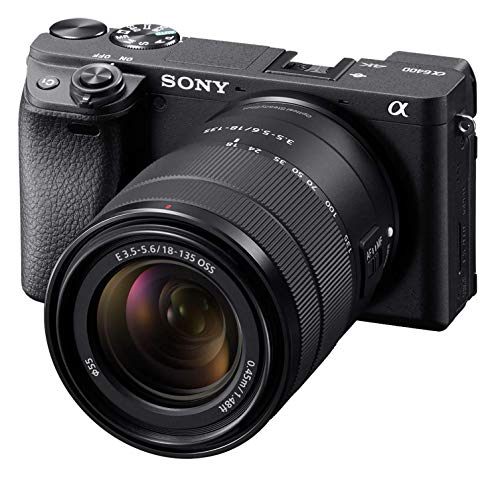


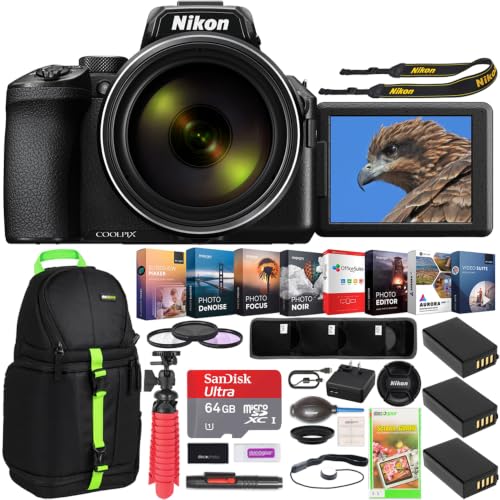
Matching a Camera to Your Family, Home, and Budget
There is no single right answer for every household. Start with who you photograph, where you gather, and how much gear you will carry.
Families With Young Children Who Move Fast
Young children give you seconds, not minutes, so focus speed and a fast burst matter more than extra megapixels. Look for face and eye detection that holds focus while a child leans, turns, or runs toward you. If most of your pictures are everyday play rather than posed groups, see our guide to the best cameras for families for broader daily use ideas.
Large Groups, Reunions, and Multigenerational Photos
Big group portraits need depth of field, even sharpness across two or three rows, and a self timer or remote control so you can join the photo. A camera with a tripod socket, a clear timer countdown, and good performance at moderate ISO settings will serve you well. Comfort with a tripod matters more here than a very wide maximum aperture.
Parents Who Mostly Shoot Indoors at Home
Home portraits usually happen near windows, lamps, and kitchen lights rather than in bright sun. Prioritize clean results at higher ISO settings, image stabilization for slower shutter speeds, and a lens with a wide maximum aperture. If your home has limited space, favor a moderate focal length that lets you frame a group without backing into a wall.
How to Choose: A Buying Guide
The product table above can help you compare headline specs quickly, but numbers alone do not tell you how a camera handles people. The factors below explain what each spec means for faces, group depth, and indoor light. Read them in order when comparing the best cameras for family portraits, and note which two or three matter most for your household before you spend.
Features That Matter for Family Portraits
Portrait work rewards accurate color, gentle highlight handling, and focus that finds eyes rather than noses or background objects. Skin tones should stay natural under mixed indoor light, so dependable white balance and a good auto mode are worth real money. A silent or quiet shooting option helps in small rooms, and face detection, lens quality, and low light results deserve priority over novelty modes.
Sensor Size and Image Quality
Sensor size shapes detail, depth of field, and performance in dim light. A 1 inch sensor in a compact camera beats a phone in control and lens quality while staying small. APS C sensors offer a strong balance of size, price, and shallow depth of field for most families. Full frame sensors gather the most light and give the softest backgrounds, but the bodies and lenses cost and weigh more.
Low Light Performance
Family gatherings often happen in the evening, so check how a camera behaves at ISO 1600 to ISO 6400 rather than only in daylight samples. Larger sensors and wider apertures keep shutter speeds fast enough to freeze a laugh without harsh flash. In body image stabilization helps with still subjects, but it cannot stop a moving child, so aperture and ISO range still lead.
Autofocus and Stabilization
Modern autofocus uses eye detection to lock onto the nearest eye and follow it as your subject shifts. Continuous focus mode suits moving children, while single point focus suits a calm posed adult. Image stabilization, whether in the body, the lens, or both, steadies handheld shots at slower speeds and also smooths 4K video of family events.
Lens and Zoom Range
The lens shapes faces more than the body does. Focal lengths around 35 mm suit whole groups in small rooms, 50 mm suits natural half body portraits, and 85 mm flatters single faces with soft backgrounds. Avoid very wide settings for close faces, because they enlarge noses and shrink ears. Optical zoom gives you real reach without losing detail, while digital zoom simply crops the image. For tighter head and shoulders work in a small room, see our guide to the best cameras for portrait for a closer look at single subject framing.
Ease of Use for Your Skill Level
A camera you understand will beat a complex camera left on the wrong setting. Newer photographers should value clear menus, a reliable auto mode, guided scene help, and simple WiFi transfer to a phone for quick sharing. More experienced users may want dual control dials, custom buttons, and raw files for careful editing. If you wear glasses, check viewfinder magnification, because a clearer viewfinder makes composition easier in bright light.
Types of Cameras for Family Portraits
Camera type decides how much control you get, how much you carry, and how quickly you can share photos. If you are still weighing broad categories against each other, see our guide to the best digital cameras for a wider view of the market.
Point and Shoot Compacts
Point and shoot compacts pair a fixed lens with a small body that fits a coat pocket or a small bag. Better models use a 1 inch sensor, a bright zoom lens, and face detection that works well for birthdays and school events. You give up interchangeable lenses and the softest backgrounds, but you gain speed and simplicity.
Mirrorless Cameras
Mirrorless cameras accept interchangeable lenses, show exposure in an electronic viewfinder, and lead the market in eye detection autofocus. Battery life is shorter than on a DSLR, so plan on a spare battery for long events. For most families who want room to grow, this is the most flexible type to own.
DSLR Cameras
DSLR cameras use an optical viewfinder and a long history of affordable lenses, including many used 50 mm options that suit portraits well. They feel solid in large hands and their batteries last through a full day of shooting. Eye detection in live view can be slower than on newer mirrorless models, and the bodies are larger to carry.
Vlogging Cameras
Vlogging cameras favor video, with flip screens, clear microphones, and strong subject tracking while the camera moves. Many use 1 inch sensors and bright fixed lenses that also handle still portraits capably. Their wide lenses suit group self portraits and room tours more than formal single faces. If your family records as many clips as photos, this type covers both jobs in one small body.
Common Mistakes to Avoid
- Buying for megapixels alone: chasing the highest pixel count while ignoring lens quality and autofocus leaves you with large files and soft eyes.
- Using a very wide lens up close: stepping in with a wide setting stretches faces at the edges and makes front faces look distorted.
- Skipping a spare battery: running out of power during a reunion means the group photo you planned never happens.
- Ignoring working distance: choosing a long portrait lens for a small apartment forces you to shoot from another room or crop the group.
- Leaving eye detection off: shooting portraits in a general focus mode lets the camera lock onto chairs and walls instead of eyes.
- Forgetting storage speed: pairing a fast burst mode with a slow memory card causes long pauses while the camera clears its buffer.
Setup and Care Tips for Your Portrait Camera
Good habits protect image quality more than most accessories do. Set eye detection and continuous focus before guests arrive, charge both batteries, and format your memory card in the camera after you have safely copied older photos. Place the camera on a tripod for group shots, use the timer or a phone remote, and take several frames because someone always blinks. For posing, background, and lighting ideas that pair well with these habits, see our guide to the best cameras for portrait photography.
- Clean the lens with a soft lens cloth and gentle circular strokes, because shirt fabric can drag grit across the coating and leave fine scratches.
- Carry a spare battery and a second memory card to every planned session, since portraits often happen once and cannot be restaged.
- Store the camera in a dry padded bag with the lens cap on, away from steamy bathrooms and hot cars that can harm seals and batteries.
- Update the camera firmware when the maker releases autofocus or color improvements, following the maker instructions and using a full battery.
- Use a neck strap or wrist strap during group sessions, because a dropped camera usually means a damaged lens mount or cracked screen.
- Check the sensor for dust spots at small apertures on a plain wall, and use a hand blower first before touching any cleaning tool.
Frequently Asked Questions
What features matter most in a camera for family portraits?
Eye detection autofocus, a bright lens, and clean high ISO results matter most for family portraits. Together they keep faces sharp in ordinary room light without forcing everyone to freeze. One extra point many buyers miss is flash control, because a camera that can bounce flash from a ceiling gives far softer indoor light than a direct pop up flash aimed straight at faces.
What focal length works best for family portrait photos?
A 35 mm lens works best for full groups indoors, while 50 mm suits couples and small families and 85 mm flatters one person. The right choice depends on your room size as much as on taste. If you own a zoom, stand where the group looks natural and zoom with the lens rather than crowding faces from close range.
Is a smartphone enough for family portraits instead of a dedicated camera?
A smartphone is enough for casual family portraits in bright light and for photos you mainly view on screens. A dedicated camera pulls ahead indoors, in print, and when you want a natural soft background without software edges around hair.
Which camera type is better for family portraits in low light?
A mirrorless camera with an APS C or full frame sensor is better for family portraits in low light than a small compact. The larger sensor gathers more light and keeps skin tones cleaner at high ISO settings. Pair it with a lens that opens to f 1.8 or f 2 and you can often skip flash entirely during evening gatherings at home.
What camera specs matter most for beginners taking family portraits?
Beginners taking family portraits should prioritize a helpful auto mode, eye detection, image stabilization, and simple phone transfer over advanced manual controls. Those four specs remove the most common causes of blurry or badly exposed first portraits. A kit zoom that covers wide group shots and short telephoto portraits also helps, because it lets you learn framing before buying extra lenses later.
How much should you spend on a first camera for family portraits?
Plan on about $400 to $900 for a first camera and kit lens that handles family portraits well. Spending under $400 usually means a small sensor compact, which can still work in good light. Above that range, your money buys larger sensors and better lenses. Reserve part of the budget for a spare battery, a fast memory card, and a padded bag.
Final Thoughts
Start with your hardest real situation, whether that is a dim living room, a moving toddler, or a twenty person reunion, and let that scene rank your features. Sensor size, eye detection autofocus, and the right focal length will shape your portraits more than any headline pixel count. When you are ready to compare models side by side, the product table above pulls the key specs into one place. Choose the best cameras for family portraits for your home and habits, and you will spend family gatherings taking pictures instead of fighting settings.

