
Best Cameras for Families: Matching the Right Camera to Your Routine for 2026
Disclosure: We may earn a commission when you buy through links on this page, at no extra cost to you. As an Amazon Associate I earn from qualifying purchases. Learn more

Learn how to choose cameras for families by use, size, ease of use, and budget. Compare photo and video options, sharing, and care tips to find a good fit.
Choosing best cameras for families starts with an honest look at how your household will actually use one. There is no single camera that suits every family, because a camera kept by the front door for quick daily moments serves a different job than one carried on a long vacation. The comparison table below can help you sort the main types, but the right choice still depends on who will hold the camera, where it will travel, and how you plan to share what you capture.
A good family camera should be easy enough that more than one person can use it without a lesson each time. It should also survive real family life, from sticky hands and crowded bags to bright parks and dim living rooms. This guide compares types, features, and budgets so you can match a camera to your routine instead of buying more camera than you need.
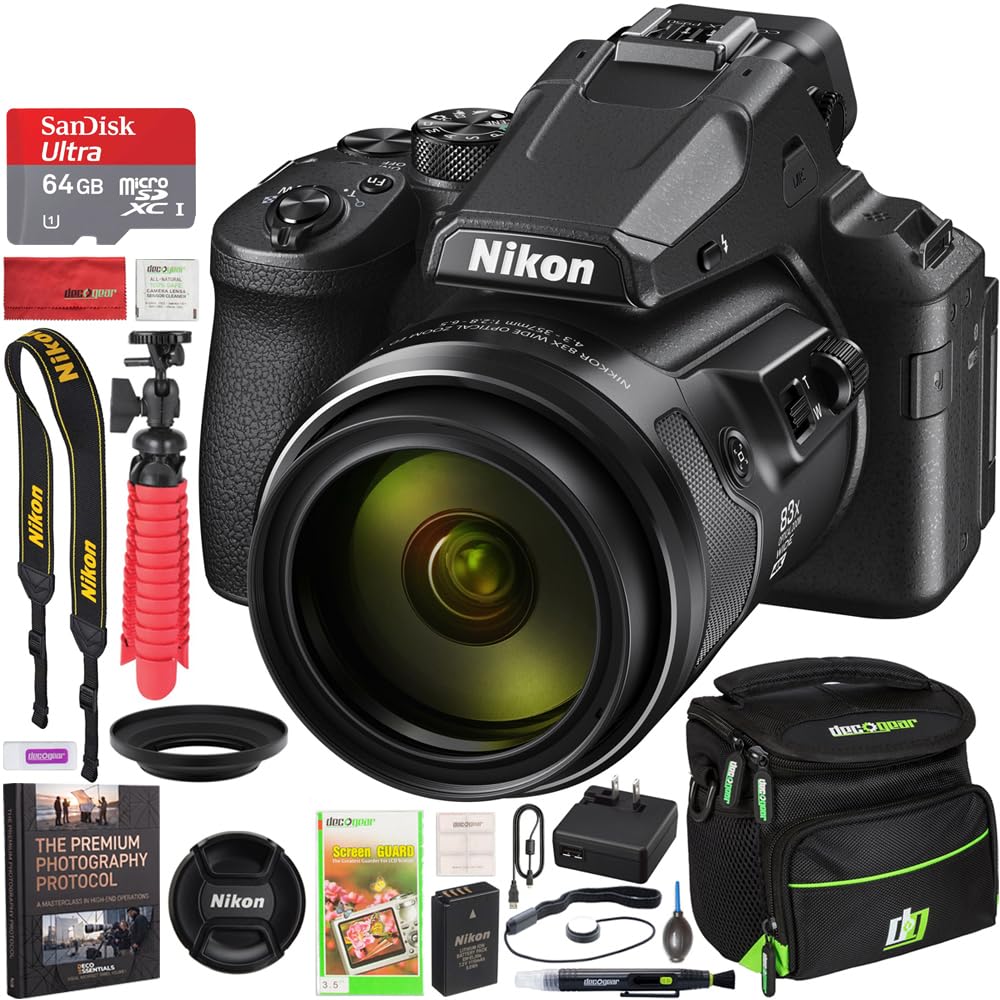


Who Should Buy Which Cameras?
Family needs differ more than camera brochures suggest. Use the groups below to find the pattern that sounds most like your household, then check the features that matter for that pattern.
Parents Photographing Young Children
Parents of young children need speed and simplicity above all else. A camera that starts fast, focuses fast, and works well indoors will catch more real moments than a complex camera left in a drawer. Look for reliable face focus, good low light performance, and controls that are easy to use with one hand while you hold a child with the other. A compact size also helps, because a camera you can grab in seconds is the one you will actually use.
Families Who Travel Together
Traveling families need a camera that is light, durable, and easy to carry all day. A long zoom range helps when you cannot walk closer to a landmark or an animal, and a sealed body helps in rain, dust, and sand. Battery life matters too, since charging chances may be limited during a full day out. A camera that fits in a jacket pocket or a small day bag is far more useful on a trip than a large kit that stays at the hotel.
Families Recording Video Milestones
Some families care most about video, from first steps and school plays to holidays and reunions. For these households, steady video, clear sound, and simple video controls matter more than still photo extras. A flip screen helps when you film yourself with children, and a good microphone input helps in noisy rooms. Check how long the camera can record without stopping, and how easy it is to move clips to a phone or computer for sharing.
Grandparents and Extended Family Sharing Photos
Grandparents and extended family members often want a camera that is simple to operate and simple to share from. Large, clear menus, a bright screen, and a direct way to send photos to a phone make a big difference. A camera that is too light can feel unsteady in older hands, so a comfortable grip and a neck strap matter. For this group, the best camera is often the one that causes the least frustration, not the one with the most settings.
Best Cameras for Specific Needs
The four options below cover the most common family requests. Each one favors a different mix of simplicity, video strength, price, and portability.
Best Cameras for a Family: What to Prioritize
When you shop for the best cameras for a family in the broad sense, start with ease of use, durability, and a size that suits several people. A camera with a clear auto mode, a sturdy grip, and a screen that is easy to see outdoors will serve more family members than a camera built for one expert. Spend your attention on battery life and storage too, since family trips and events can fill a card fast.
Best Video Cameras for Family: What to Prioritize
The best video cameras for family use put steady footage and clear sound first. Look for strong stabilization, a zoom range that stays smooth while you record, and a microphone setup that handles voices in a busy room. A long recording time and a simple way to trim and share clips matter as much as resolution, because most family videos are watched on phones and televisions rather than edited in detail.
Best Affordable Cameras for Family
The best affordable cameras for family buyers prove that a lower price does not have to mean a poor experience. Focus on a reliable auto mode, decent low light results, and a zoom range that covers indoor rooms and outdoor scenes. You can often save money by accepting a smaller sensor or a simpler screen, but do not give up a comfortable grip or a battery that lasts through a full outing. See our guide to the best cameras for family photography if still photos matter more than video in your household.
Best Cameras for Family Videos
The best cameras for family videos sit between a still photo camera and a dedicated video camera. They should record smooth, steady clips, handle indoor light without heavy noise, and let you switch between photos and video without hunting through menus. If you film children moving fast, test how well the focus follows a subject and how the camera handles sudden changes in light, such as walking from a bright yard into a shaded room.
| Type | Best For | Watch For |
|---|---|---|
| Compact point and shoot | Everyday carry and simple use | Shorter zoom and smaller sensor |
| Mirrorless camera | Better low light and lens choice | Larger size and higher cost |
| Video focused camera | Steady clips and clear sound | Still photo limits |
Key Features to Compare
Use these features to compare cameras side by side. The right balance depends on your family pattern, not on the longest spec list.
Lens and Zoom Range
A zoom range shapes what you can capture without moving. A wide end helps in small rooms and group shots, while a long end helps at parks, games, and zoos. Optical zoom keeps detail as you zoom in, while digital zoom crops the image and lowers quality, so favor optical zoom for family events. If you also use binoculars, remember that a number such as 8x42 describes magnification and lens size for binoculars, not camera zoom, so do not compare the two directly.
Sensor Size and Image Quality
Sensor size affects how a camera handles low light and how much detail it keeps in shadows and highlights. A larger sensor usually gives cleaner indoor photos, while a smaller sensor can still do well outdoors in bright light. Megapixels alone do not decide quality, since lens quality, focus, and processing matter too. For most families, a mid sized sensor with a good lens gives a better result than a high megapixel count paired with a weak lens.
Size, Weight, and Ergonomics
A camera that feels awkward will stay home. Children and smaller adults need a grip they can hold securely, while larger hands need room for fingers without pressing the wrong button. Weight matters on long days, and a camera that hangs comfortably from a strap is easier to keep close. Check the button layout as well, since a camera with a few clear controls is easier for several family members to share than one crowded with small dials.
Ease of Use for Your Skill Level
Auto modes, scene modes, and touch focus help new users get good results fast. A camera that moves photos to a phone with a simple app makes sharing far easier, especially when grandparents or children want to send pictures right away. Look for a menu that uses plain words and a screen that stays readable in sunlight. If a camera needs a manual to take a basic photo, it is probably too complex for everyday family use.
Features That Matter for Families
Family use creates specific demands that a generic camera guide can miss. Fast startup and fast focus help with children who do not pose for long, and a burst mode helps when several children move at once. A durable body, a lens cover that stays attached, and a battery that can be swapped or charged on the go all help in real family life. For sharing, favor a camera that creates files your phone and television can open without extra steps, and check whether more than one person can use the same camera without changing every setting.
Common Mistakes to Avoid When Buying Cameras
- Buying on price alone, then finding the camera is too slow or too hard to use for daily family moments.
- Ignoring the lens and zoom range, then finding indoor group shots are too tight or distant subjects are too small.
- Choosing a camera that is too large or too heavy, so it stays home on the trips where it would matter most.
- Skipping warranty and support checks, then facing a long wait when a family camera needs repair.
- Forgetting storage and battery costs, then running out of space or power during a birthday or vacation.
How to Make Your Camera Last Longer
Simple care habits protect a family camera far better than an expensive case alone. Use a lens cloth, not your shirt, to clean the lens, since fabric can carry grit that scratches glass.
Carry a spare battery on long outings, and store the camera in a dry, padded bag when it is not in use. Keep the camera away from sand, water, and extreme heat, and check the strap and battery door from time to time. When children use the camera, teach them to hold the strap around a wrist and to set the camera down lens up on a soft surface.
Frequently Asked Questions
What features matter most in cameras for families?
Speed, simplicity, and durability matter most in cameras for families. A camera should start quickly, focus reliably on moving children, and work well in dim rooms without complex settings. Ease of sharing matters too, since family photos lose value if they sit on a card for months. Look for a comfortable grip, a battery that lasts a full outing, and controls that more than one person can learn, since a camera that meets those needs will serve a family better than one with a longer spec list but slower everyday use.
What does 8x42 or 10x42 mean?
The numbers 8x42 and 10x42 describe binoculars, not cameras. The first number is magnification, so 8x makes a subject look eight times closer, while the second number is the objective lens size in millimeters, which affects brightness. A larger objective lens can gather more light, which helps at dawn or dusk, but it also adds size and weight. When you compare cameras, use camera terms instead, such as optical zoom range, sensor size, and low light performance, and do not treat a binocular number as a camera zoom rating.
How much should I spend on my first family camera?
A first family camera often falls in a modest range, around $200 to $600 for a compact or entry level mirrorless option, though prices vary with lens choice and features. Start by listing what you will photograph most, then spend on the features that serve those moments, such as low light performance or a longer zoom. A lower priced camera with a good auto mode can be a smart first step, and you can add lenses or accessories later. For still photo guidance, see our guide to the best cameras for family photos before you settle a budget.
Is a smartphone enough instead of a family camera?
A smartphone is enough for many everyday family photos, especially in bright light and for quick sharing. A dedicated camera earns its place when you need a longer optical zoom, better low light results, or a grip and controls that work well for long sessions. Cameras also help when several people share one device, since a phone is often needed for calls and messages at the same time. If your family mostly takes quick snaps and shares them at once, a phone may be the simpler choice, and a camera can wait.
What specs matter most for beginners?
Beginners should focus on focus speed, low light performance, battery life, and ease of sharing rather than advanced video formats or rare lens mounts. A clear auto mode, a bright screen, and a simple menu will help more than a long list of manual controls. Check the optical zoom range and the sensor size, since those two factors shape most everyday results. Also confirm that the camera uses a card type you can buy easily and a battery you can charge without special gear, since those practical details affect every outing.
The Bottom Line
The best family camera is the one your household will carry, understand, and enjoy using together. Favor fast focus, simple controls, a size that suits several hands, and a zoom range that covers both rooms and outdoor scenes. Compare the product table above against your family pattern, then choose the type that fits your routine and budget rather than the camera with the most features. When you keep those priorities in view, best cameras for families becomes a practical choice instead of a confusing one, and your camera will be ready for the moments that matter.

