
Best Cameras for Family Photography for 2026: A Family First Buying Guide
Disclosure: We may earn a commission when you buy through links on this page, at no extra cost to you. As an Amazon Associate I earn from qualifying purchases. Learn more

Compare camera types, sensors, lenses, video, and size for family life, and learn how to pick a simple, durable option that fits your budget.
Family life moves fast, from first steps in the living room to muddy shoes at the park, and a good camera helps you keep those moments clear. Best cameras for family photography should be easy to grab, quick to focus, and forgiving when light is poor or children will not sit still. This guide compares the features that matter most for everyday family use, so you can choose with confidence from the comparison table below.
You do not need the most advanced camera to get warm, sharp family photos. You need a camera that fits your hands, your bag, and your routine. The sections below explain sensor size, lens range, video, and size in plain terms.





Spending Levels That Fit Family Budgets
Budget shapes the choice more than any single specification, because a camera that stays at home helps no one. The levels below describe what to expect at each price range, without naming a single model.
Starter Spending for Simple Everyday Photos
At about $200 to $450, look for a simple point and shoot style camera or a basic interchangeable lens camera with strong automatic modes. These options usually offer reliable face detection, decent zoom for school events, and video that is fine for sharing with relatives. This level suits parents who want better photos than a phone without learning a complex menu system.
Everyday Spending for Sharper Photos and Video
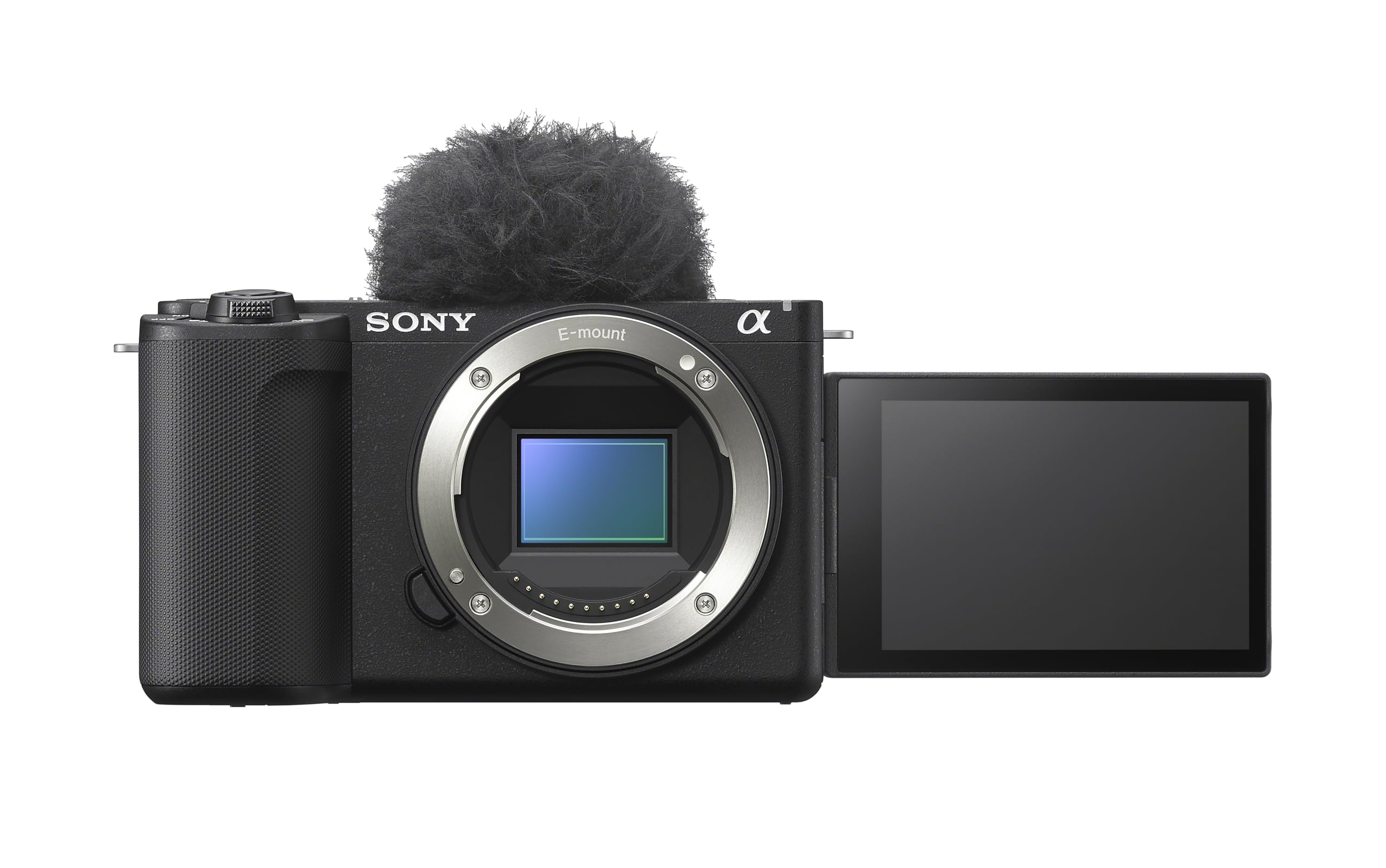
At about $500 to $900, you can expect a larger sensor, faster autofocus, and better handling of indoor light. Cameras in this range often add a flip screen for self portraits, a microphone input for clearer family videos, and a more comfortable grip for long days out. This level suits families who shoot often and want one camera for photos, video, and travel.
Step Up Spending for Low Light and Fast Action
At about $1,000 to $1,800, you pay for stronger low light performance, faster burst shooting, and more robust build quality. These cameras track moving children and pets more reliably, and they keep detail in mixed light at parties and evening games. This level suits families who print large photos, shoot sports, or record video they plan to keep for years.
How to Choose a Camera for Family Life
Family photography has its own demands. Subjects move and light changes from room to room, so a camera that focuses quickly and works well one handed will serve you better than a camera with features you never touch.
Features That Matter for Family Photography
Fast and accurate autofocus is the first feature to check, especially eye detection for children and pets. Good image stabilization helps when you shoot indoors without a flash or while walking beside a stroller. A tilting or flip screen makes it easier to shoot from a child's eye level or to frame a group photo that includes you. Look also for simple wireless transfer, so photos reach your phone quickly for sharing and backup.
Sensor Size and Image Quality
Sensor size affects how much light a camera gathers and how clean an indoor photo looks. A one inch sensor is a clear step up from a phone sensor and keeps the camera compact. An APS C sensor gathers more light and gives softer backgrounds, which suits portraits and indoor birthdays. A full frame sensor gathers the most light, but it adds size, weight, and cost that many families do not need.
Ease of Use for Your Skill Level
A family camera should let a beginner get good results in automatic mode and let a keen learner grow slowly. Clear menus, a dedicated mode dial, and a touchscreen help you change settings without hunting through layers of options. Scene modes for portraits, sports, and night scenes can be useful at first, but they should not hide manual controls completely. For a guide to simpler starting options, see our guide to the best cameras for starter photography in a paragraph about learning the basics.
Video Capabilities
Many families now record as much video as they shoot still photos, so video quality deserves equal attention. Look for 4K video at a smooth frame rate, plus good stabilization for walking shots. A flip screen helps you frame yourself with children, and a microphone input helps when you record recitals, interviews with grandparents, or outdoor narration. Check how long the camera can record before it needs a break, and whether it overheats in warm rooms, and a broader comparison is in our guide to the best cameras for photography.
Size, Weight, and Ergonomics
The best family camera is the one you carry, so size and weight are practical features, not minor details. A compact camera slips into a diaper bag or a jacket pocket and is easy to hand to another adult. A larger camera with a deep grip is steadier for long lenses and long days, but it needs a dedicated bag and more space in the car. Hold the camera if you can, and check that buttons fall under your thumb without shifting your grip.
Lens and Zoom Range
Lens range decides what you can frame without moving. A standard zoom that covers a wide view to a short portrait length handles most family scenes, from group photos in a small room to a child on a stage. A longer zoom helps at sports games and school performances, but it adds weight and needs steadier hands or better stabilization. A fast aperture, shown as a low f number, helps in dim rooms and gives softer backgrounds for portraits, and families still learning lens choices can see our guide to the best beginning photography cameras.
Types of Cameras for Family Moments
Camera types differ mainly in size, control, and how much you want to learn. The types below cover the main options for everyday family use.
Point and Shoot Compacts
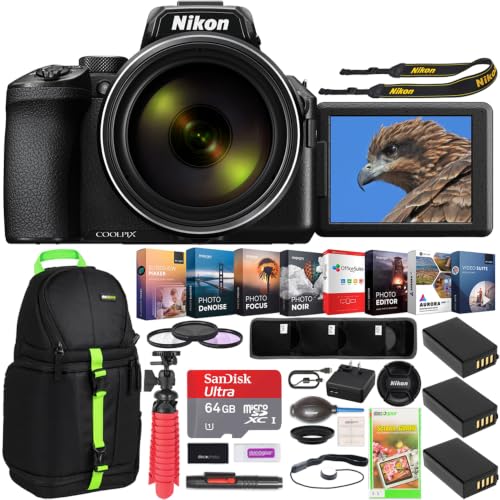
Point and shoot compacts are small, simple, and ready in seconds, which makes them ideal for parents who want better photos without a learning curve. They usually offer a built in zoom, automatic modes, and a screen for framing, all in a pocket sized body. Their smaller sensors limit low light quality compared with larger cameras, and their lenses cannot be changed, so you trade flexibility for convenience.
Mirrorless Cameras
Mirrorless cameras offer the best balance of image quality and size for many families. They use interchangeable lenses, fast autofocus, and strong video, while staying lighter than older large cameras. They cost more and require some learning, but they grow with you as children grow and your interests change. This type suits families who shoot often, print photos, and want room to add lenses later.
Action Cameras
Action cameras are tiny, tough, and waterproof, which makes them a good second camera for beaches, pools, bikes, and snow days. They record wide, steady video and survive drops and splashes that would worry a larger camera owner. Their small sensors and wide lenses are less suited to portraits or distant subjects, so they work best alongside a main camera rather than as the only family camera.
Vlogging Cameras
Vlogging cameras focus on easy video, with flip screens, strong stabilization, and clear audio options for family diaries and travel clips. They are light and simple to operate, and many offer good still photo quality as a bonus. Their zoom range is often limited, and their small bodies can feel cramped for long photo sessions, so they suit families who record video first and still photos second.
Care and Maintenance Tips
Simple care keeps a family camera ready and extends its life through years of outings.
- Use a lens cloth, not your shirt, because fabric can drag grit across the lens and leave fine scratches over time.
- Carry a spare battery, since cold weather, video, and wireless transfer drain power faster than still photos alone.
- Store the camera in a dry, padded bag, away from sand, sunscreen, and snack crumbs that can jam buttons and dials.
- Update firmware when the maker releases it, because updates often improve autofocus and fix small bugs.
- Keep small parts away from children, and follow maker guidance for battery charging, storage, and cleaning.
Frequently Asked Questions
What features matter most in cameras for family photography?
Fast eye autofocus, good stabilization, and reliable low light performance matter most for family photography, because children move and indoor light is often weak. A flip screen helps with group photos and low angle shots, while simple wireless transfer helps you back up photos quickly. A larger sensor helps, but only if the camera stays light enough to carry every day.
How much should a family spend on a first camera?
A family can get strong everyday results at about $200 to $450, especially with a simple compact or a basic interchangeable lens camera. Spending about $500 to $900 adds better low light quality, faster focus, and stronger video for frequent shooters. Spend more only if you print large photos, shoot sports often, or record video you plan to keep for years.
Which camera handles low light at home best?
A camera with a larger sensor and a fast lens handles low light at home best, because it gathers more light without raising sensitivity so high that photos look grainy. Look for a lens with a low f number and for stabilization that steadies handheld shots in dim rooms at home.
What specs matter most for beginners?
Beginners should focus on autofocus speed, ease of use, battery life, and a versatile zoom range, rather than on advanced video formats or extreme resolution. A clear touchscreen, a simple mode dial, and a helpful automatic mode will help you learn without frustration. Check that the camera transfers photos to your phone easily, because backup and sharing are part of everyday use.
Is a phone enough for family photos instead of a camera?
A phone is enough for quick snapshots, sharing, and bright outdoor scenes, and it is always in your pocket. A dedicated camera pulls ahead for low light, distant subjects, fast action, and large prints, thanks to a larger sensor and a real optical zoom. A camera also lets you control depth of field more naturally for portraits.
Final Thoughts
Choose a camera that fits your hands, your bag, and your patience for learning, then check autofocus, low light quality, and video before you check megapixels. A versatile zoom, a spare battery, and simple transfer will help you use the camera more often, which matters more than any single specification. Review the product table above, compare spending levels honestly, and pick the option you will actually carry to the park, the party, and the next family trip. With the right fit, best cameras for family photography can help you keep clear, warm memories without turning every outing into a technical project.

