Best Cameras for City Photography of 2026: Complete Buying Guide
Disclosure: We may earn a commission when you buy through links on this page, at no extra cost to you. As an Amazon Associate I earn from qualifying purchases. Learn more

Compare the best cameras for city photography with this buying guide on sensors, lenses, low light performance, and size, so you can choose with confidence.
City photography asks a lot from a camera. You shoot bright skylines at noon, dim side streets at dusk, crowded markets, and fast moving traffic, often all in a single walk. The best cameras for city photography handle that variety without weighing you down, because a camera left at home takes no pictures at all. Size, speed, and low light ability matter here as much as raw image quality.
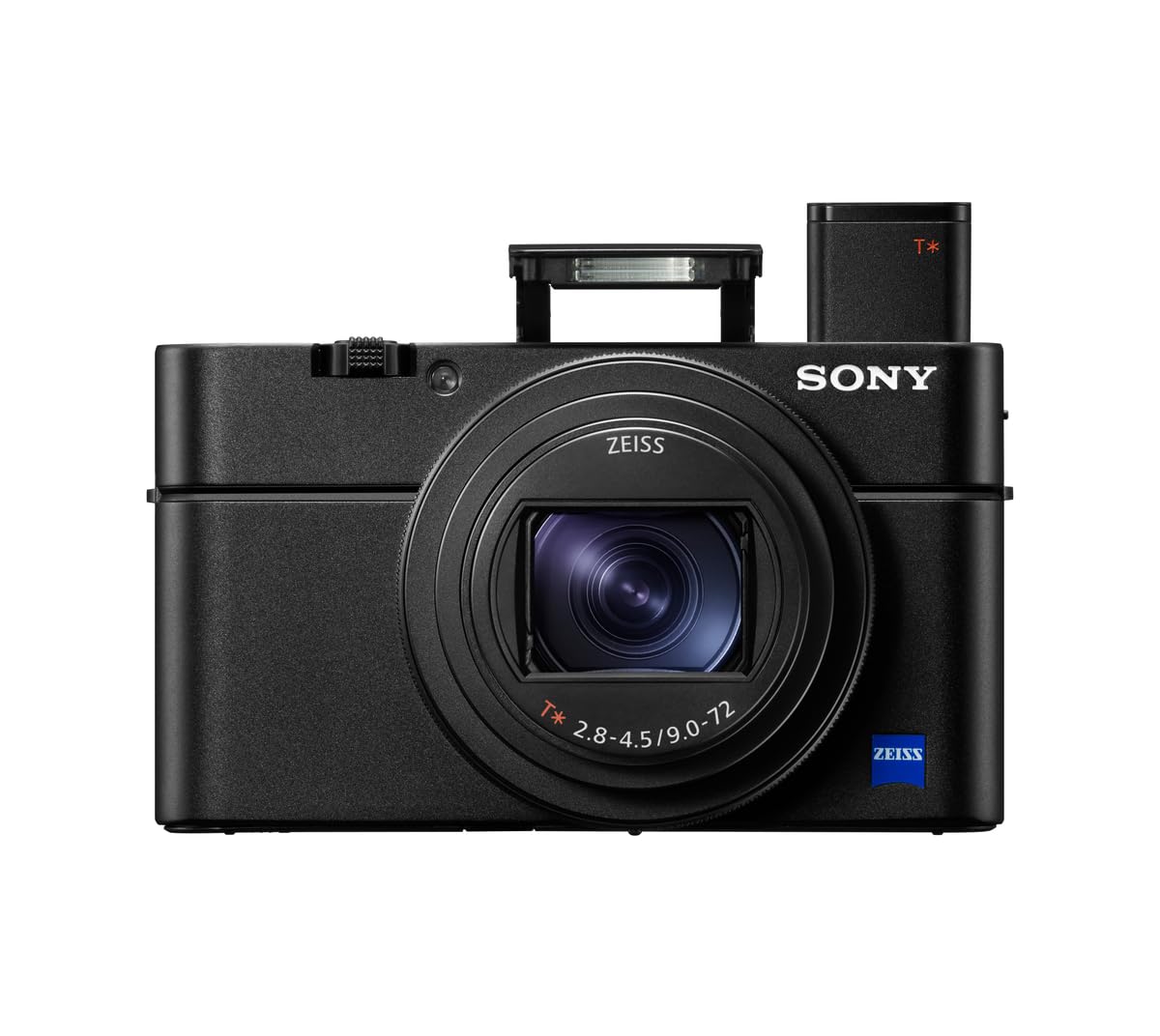
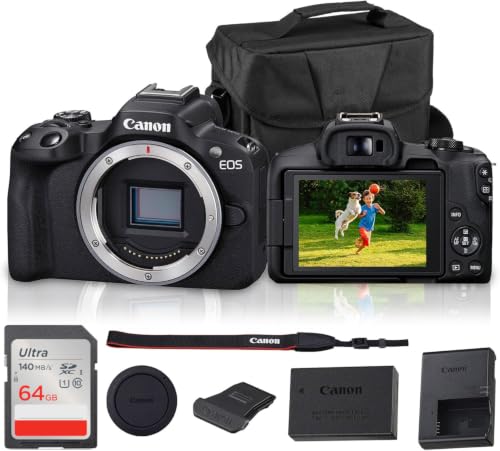
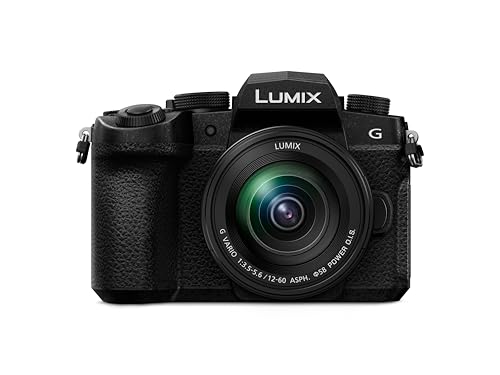
This guide walks you through the features that change your results in a city, from sensor size and lens choice to autofocus and weather protection. Start with the comparison table below to see how current models line up, then read on to match the specs to the way you shoot. If you want a broader view first, see our guide to the best cameras for photography for general background.




Who Should Buy a Dedicated City Camera?
A phone handles snapshots well, but a dedicated camera gives you control over depth of field, real optical zoom, and cleaner files after dark. The right choice depends on how you move through a city and what you like to shoot.
Daily Walkers and Commuters
If you shoot on the way to work, during lunch, or on evening walks, portability decides whether the camera comes along. A compact body that fits a coat pocket or small shoulder bag gets used daily, while a bulky kit stays home. Look for quick startup, controls you can work one handed, and a lens covering wide streets and tighter details. A quiet shutter helps in stations and cafes where a loud click draws attention.
Street and Architecture Photographers
Street scenes vanish in seconds, and buildings reward patience and precision. You need autofocus that locks on quickly, a burst mode for fleeting expressions, and a screen or viewfinder that helps you compose at odd angles. For architecture, a wide angle lens and good distortion control keep lines straight. A tilting screen lets you shoot from waist level, which keeps framing discreet. Weather sealing earns its keep when rain turns pavement into a mirror.
Travelers Who Also Shoot Video
If your city trips mix stills with clips for social posts or a travel channel, video features move up the list. You want steady footage while walking, clear audio in busy squares, and a screen that flips so you can frame yourself. Quick file transfer to your phone keeps posting easy on the road. Weight still matters, because a travel kit rides in your bag all day, so choose one body and one versatile lens rather than a full set.
Setting a Budget and Building a Shortlist
City cameras span a wide price range, from under $500 for capable compacts to about $2,500 or more for full frame kits with a lens. Split your budget between the body and the lens rather than spending everything on the body alone. A mid priced body with a bright, versatile lens usually outperforms a flagship body paired with a slow kit lens once the light drops. Leave room for a spare battery, memory cards, and a padded bag.
To build a shortlist, write down your three most common subjects, such as night streets, architecture, or candid portraits. Then pick two or three models from the product table above that fit your size limit and budget, and check them against the features in the next section. If this is your very first camera, our guide to the best cameras for starter photography explains the basics in a simpler order. Comparing ten models at once only blurs the differences that matter.
Key Features to Compare
The features below shape city results more than any headline spec. When you compare the best cameras for city photography, read each one with your own subjects in mind, because the right balance for night street work differs from the balance for bright daytime architecture.
Sensor Size and Image Quality
Sensor size drives low light quality, depth of field control, and camera size. A 1 inch sensor in a premium compact beats a phone sensor by a wide margin and keeps the camera pocketable. APS C sensors, common in mid range mirrorless bodies, gather more light and pair with a huge choice of lenses. Full frame sensors give the cleanest high ISO files and the shallowest depth of field, at the cost of bigger and pricier lenses. Megapixels matter less than marketing suggests, and around 20 to 26 megapixels is plenty for large prints and cropping.
Lens Choice and Optical Zoom
The lens decides what you can frame from where you stand. City shooting rewards a range that starts wide, around 24 mm in full frame terms, for interiors and tight streets, and reaches at least 70 mm for details and skyline shots. Optical zoom uses real glass to magnify the scene, so detail holds up, while digital zoom only crops and softens the image. A bright maximum aperture, such as f/2.8 or wider, lets in more light after dark and blurs backgrounds behind portraits.
Autofocus Speed and Accuracy
City subjects rarely wait for you. Autofocus that finds faces and eyes quickly helps with candid portraits, street performers, and family shots in busy places. Look for subject detection that recognizes people and vehicles, and for tracking that holds focus while a subject crosses the frame. Touch focus on the rear screen speeds up work when you compose low or overhead. In dim bars, tunnels, and evening streets, autofocus rated to work in very low light keeps hunting to a minimum and saves frames that last only a moment.
Image Stabilization for Handheld Shooting
Image stabilization steadies the camera so you can use slower shutter speeds without blur. In body stabilization, often called IBIS, moves the sensor to counter shake and works with almost any lens. Lens based stabilization corrects movement inside the objective lens, and many systems combine both. This matters at dusk, inside museums where tripods are banned, and on bridges that vibrate with traffic. It also smooths walking video, though it cannot freeze moving subjects.
Low Light Performance
Cities change character after sunset, and your camera should keep up. Clean files at ISO 3200 or 6400 let you shoot neon signs, lit windows, and night markets without a flash. A bright lens helps as much as the sensor, because it lets you keep ISO lower. RAW files give you more room to clean up shadows later at a computer. Check sample galleries for night scenes before you buy, and favor cameras whose colors stay natural under mixed street lighting.
Video Capabilities for City Clips
Many city photographers now record as much as they photograph. 4K video gives crisp footage of street life, and higher frame rates such as 4K at 60 frames per second keep panning shots across a skyline smooth. A microphone input matters if you record narration, because built in microphones pick up wind and handling noise. A fully flipping screen helps vlogging cameras and solo creators frame themselves against landmarks. Standard color modes look good straight from the camera, while log profiles record flatter color for editing.
Size, Controls, and Weather Protection
A camera you enjoy carrying gets used, so handle display models when you can and check grip comfort, button placement, and menu logic. Physical dials speed up manual work, while good auto modes help when a scene unfolds fast. Weather sealing, sometimes listed as dust and moisture resistance, protects against drizzle and dusty construction zones, though it never makes a camera waterproof. If you are new to dedicated cameras, our guide to the best beginning photography cameras covers friendly models with strong auto modes.
Types of Cameras for City Shooting
Four broad types serve city photographers well, and each trades size, flexibility, and price differently.
Point and Shoot Compact Cameras
Premium compacts pair a 1 inch or larger sensor with a fixed zoom lens in a pocket sized body. They suit walkers and travelers who want a clear step up from a phone without carrying a system. You give up lens changes, but you gain simplicity and speed. For a wider look at this format, see our guide to the best digital cameras, which covers compacts alongside larger models.
Mirrorless Cameras
Mirrorless bodies offer interchangeable lenses, electronic viewfinders that preview exposure, and strong video in bodies smaller than traditional DSLRs. They suit photographers who plan to grow, adding a wide lens for architecture or a fast prime for night streets over time. The cost is a bigger bag and a higher total spend once lenses add up.
Vlogging and Creator Cameras
Creator focused models are compact mirrorless or fixed lens cameras built around video, with flip screens, product showcase modes, and strong face tracking. They fit travelers who film walking tours and market visits as much as they photograph them. Stills quality matches the related photo models, so the real choice is about handling and audio options.
Film Cameras for a Slower City Look
Some photographers still choose film for city work because it slows the process and gives prints a distinct grain and color. Film suits planned walks and architecture more than fast street moments, and ongoing film and processing costs add up. If that slower path appeals to you, our guide to the best film photography cameras explains the main formats and what to check on used bodies.
Common Mistakes to Avoid
- Buying the biggest sensor you can afford and then leaving it home, because size decides daily use.
- Judging zoom by digital zoom numbers, because digital zoom only crops and discards detail.
- Spending the whole budget on the body, because a slow kit lens then limits your night shots for years.
- Ignoring weather sealing while planning to shoot rainy streets, because one soaked camera can end a trip early.
- Chasing megapixels for social posting, because huge files slow transfers while adding nothing on a phone screen.
- Skipping a spare battery, because cold evenings and heavy screen use drain batteries fast.
Care and Maintenance for City Cameras
City gear faces dust, drizzle, bumps, and temperature swings between heated shops and cold streets. A few habits keep your camera ready.
- Clean the front element with a microfiber lens cloth, not your shirt, because grit in fabric can scratch coatings.
- Carry a spare battery and rotate both, because a flat battery during blue hour costs you the best light of the day.
- Store the camera in a dry, padded bag with a silica gel pack, because humidity and rain speed up fungus growth on glass.
- Update the camera firmware when the maker releases it, because updates often improve autofocus behavior and fix bugs.
- Wipe the body after wet or dusty outings and let it dry before sealing the bag, because trapped moisture corrodes contacts.
- Use a wrist or neck strap in crowds, because a knocked camera on pavement rarely survives undamaged.
Frequently Asked Questions
What size camera is best for city photography on foot?
The best size is the largest camera you will still carry all day without thinking about it. For most walkers, that means a premium compact or a small mirrorless body with one lens, roughly the weight of a full water bottle. A padded crossbody bag that opens from the top also speeds access, so you miss fewer moments in busy streets.
Do cameras for city photography need weather sealing?
Weather sealing is strongly worth having, though it is not essential for fair weather shooters. Cities bring drizzle, splashes from traffic, and dusty wind, and sealed bodies and lenses resist that moisture and grit at the seams and dials. Sealing only works when both the body and the lens are rated, and it never allows deliberate soaking.
Is a smartphone enough for city photography instead of a camera?
A smartphone is enough for daylight snapshots and quick posts, and its small size means it is always with you. A dedicated camera pulls ahead after dark, at longer zoom ranges, and when you want blurred backgrounds or large prints. Many photographers carry both, using the phone for scouting shots and the camera when a scene deserves the extra quality.
How much should you spend on a first camera for city photography?
Most first time buyers do well spending around $500 for a strong compact or under $1,000 for an entry mirrorless kit that will not limit them for years. Spend toward the top of that range if night shooting matters, because brighter lenses and larger sensors live there. Keep a small part of the budget aside for cards, a spare battery, and a bag. Used gear from reputable sellers stretches the budget further, as long as the shutter count is modest and the sensor is clean.
What magnification and zoom range suits city photography?
For city work, a zoom range of about 24 mm to 70 mm, or up to 105 mm, in full frame terms covers most scenes, from tight interiors to skyline details. Brands sometimes express this as magnification, such as 3x or 4.2x, which simply compares the longest focal length with the shortest. A wider start matters more than extreme reach in cities, because you can rarely step back inside a narrow street.
Final Thoughts
Choosing among the best cameras for city photography comes down to three things: a size you will carry daily, a lens and sensor pairing that handles dusk and night streets, and autofocus fast enough for moments that do not repeat. Set your budget, shortlist two or three models, and check them against those priorities in the product table above.