
Best Cameras for Cinematography in 2026: Types Compared and How to Choose
Disclosure: We may earn a commission when you buy through links on this page, at no extra cost to you. As an Amazon Associate I earn from qualifying purchases. Learn more

Compare every camera type for film work side by side. Learn how heat limits, sound inputs, sensors, and support gear shape the best cameras for cinematography.
Cinematography asks more of a camera than stills ever do, and that is where the confusion starts. A body that takes lovely photographs may overheat on a long take, starve you of sound options, or fight you on a tripod for hours. This guide to the best cameras for cinematography starts from the moving picture itself: the purchase is a video tool first, and stills ability is the second half of the decision. The comparison table below sets the main types side by side so the trade offs are visible at a glance.
Every type below can shoot a film. They differ in how they handle heat, sound, lenses, and support gear, and those differences decide your days on set far more than resolution numbers do. Read the types first, then use the choosing section to match a type to the way you actually shoot.


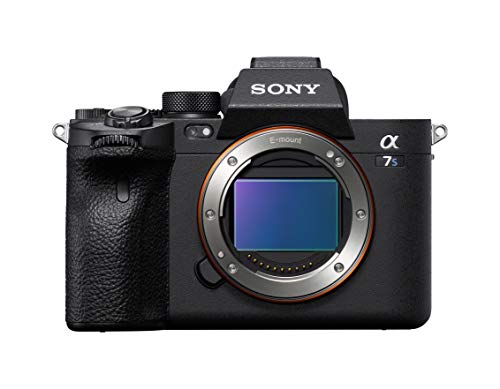


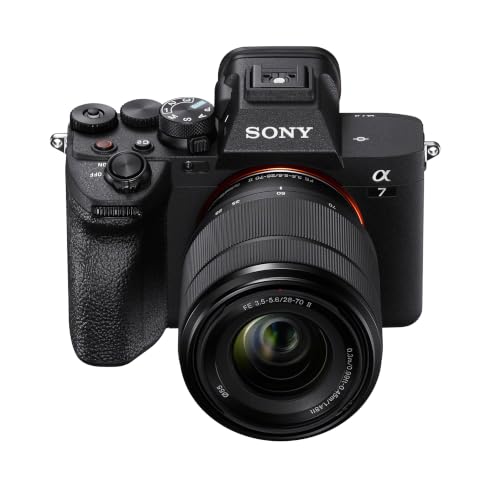
Types of Cameras Compared
Four families cover nearly every film project outside a rental house. The table sums up the shape of each family, and the sections after it explain how each one behaves in real production work. A parallel shelf of best digital cinematography cameras covers the fully electronic end of these same families.
| Type | Best For | Pros | Cons | Typical Price |
|---|---|---|---|---|
| Mirrorless cameras | Most independent film work | Strong video features, wide lens choice, compact bodies | Heat limits on long takes, small batteries | About $700 to $2,500 |
| DSLR cameras | Budget sets and hybrid shooters | Low used prices, long battery life, huge lens families | Video features lag, bulky for gimbals | About $400 to $1,500 |
| Dedicated cinema cameras | Crewed productions and long records | Built for video, strong cooling, pro connections | Costly, stills are an afterthought | About $1,800 to $6,000 |
| Camcorders and action cameras | Events, travel, and tight spaces | Long record times, simple handling, deep focus | Small sensors, limited lens control | About $300 to $1,200 |
Mirrorless Cameras
Mirrorless bodies are the default choice for most film work today. They pair interchangeable lenses with video features that stills cameras only recently gained, such as focus peaking, zebra patterns for exposure, and high frame rate recording. Their compact size suits gimbals and small crews. The same compact size is also their weakness, because a small body sheds heat slowly and may limit long takes in warm rooms.
Choose this family when you shoot a mix of planned scenes, interviews, and run and gun material. The lens families are deep and still growing, and rental houses stock them widely. They sit inside the wider family of best digital cameras, but video duty narrows the field fast. Budget for extra batteries, since video drains a small pack in a fraction of the time stills shooting takes.
DSLR Cameras
DSLR bodies built the first wave of affordable cinema, and used prices now make them the budget door into large sensor film work. Their lens families are enormous and cheap to build second hand. Battery life is a genuine strength, since the optical viewfinder sips power between takes. Video is where they show their age, with softer recording in some classes, limited frame rates, and autofocus that hunts during a take.
Choose a DSLR when the budget is tight and your work is planned, lit, and shot in short takes. Interviews, music pieces, and controlled scenes suit them well. Fast moving documentary work exposes their limits quickly, so match the tool to the pace of your shooting.
Dedicated Cinema Cameras
Dedicated cinema bodies are designed around one job. They record for hours without heat drama because cooling is part of the design, and they carry the connections crews expect, from full size audio inputs to timecode. Menus serve video only, so nothing stills related clutters the screen. The price of that focus is money: bodies cost more, and stills ability is basic or absent.
Choose this family when film is the work itself rather than a sideline. Weddings filmed in full, stage events, and crewed short films all reward the reliability. For a solo shooter who also needs photographs, the hybrid families below usually make the smarter buy.
Camcorders and Action Cameras
Camcorders trade lens choice for endurance. A fixed zoom, a sensor tuned for deep focus, and record times measured in hours make them the safe tool for events, ceremonies, and lectures. Action cameras go further: tiny, rugged, and happy on a helmet, a dashboard, or a chest strap. Both families use small sensors, so shallow depth of field and low light finesse are limited.
Choose these when the shot must simply happen. A camcorder on a tripod at the back of a hall will outlast every mirrorless body beside it. An action camera survives places no cinema body should go. Treat them as specialists inside a kit rather than the whole kit.
Mirrorless vs Dedicated Cinema Bodies: Which Should You Choose?
The real contest in most budgets sits between a strong mirrorless body and an entry level cinema body, and five points separate them. For heat, the cinema body wins, since its cooling is designed in rather than worked around, and for sound it usually offers better inputs and monitoring. For lenses, the mirrorless body wins on choice and price, and for stills only the mirrorless body plays at all. For cost, the mirrorless body leaves money for the lights and support that audiences actually notice.
The verdict follows your shooting pattern. If you shoot long, continuous material with a crew, choose the cinema body and build around it. If you shoot varied work alone or in pairs, choose the mirrorless body and spend the savings on sound and light.
Both choices are professional. The wrong choice is the one that ignores how your record button actually gets used.
How to Choose the Right Camera
Heat and Recording Limits
Heat is the first check because it can end a take that nothing else can save. Small bodies trap warmth, and high resolution recording at high frame rates makes more of it. Makers answer with record limits, warning icons, or fans, and those answers differ by class. A body that stops at a wedding speech or mid interview is the wrong body however fine its picture looks in short clips.
Match the limit to your longest real take. Interview shooters and event shooters need headroom measured in hours. Short film crews shooting brief takes can accept tighter limits and gain a smaller body in exchange. Read the limit for the exact mode you plan to use, since the generous figure on the box often applies only to the lightest recording setting.
Sound: Microphone Inputs and Audio
Sound is the weak half of nearly every camera, and audiences feel it before they can name it. The microphone built into a camera body sits in the wrong place, hears the operator, and flattens voices. An input for an outside microphone is therefore a true cinema feature, and a headphone socket to monitor what you record matters almost as much. Bodies without an input force you into a separate recorder and sync work in editing.
Plan the sound chain alongside the body. A modest camera with a good microphone on a stand near the subject sounds better than a flagship body recording from across the room. When you compare bodies, treat the audio section of the spec sheet as seriously as the sensor section.
Sensor Size and Image Quality
Sensor size shapes the look of your film more than resolution does. Larger sensors, up to full frame class, give shallower depth of field and cleaner files in dim light, which is the classic cinema look. Smaller sensors keep more of the scene in focus, which helps solo shooters and documentary work where nobody can pull focus for you. Makers quote impressive figures for every class, so treat headline numbers as class figures and judge by the style of your scenes.
Resolution deserves a calm head. Audiences watch most independent film on screens where good 4K and great technique beat a weak higher resolution file every time. Spend on the sensor class and lenses before chasing the largest number. Sharpness follows light and glass more faithfully than it follows pixel counts, and shoppers cross checking guides to best quality cameras will find exactly the same lesson there.
Support, Light and Sound Share the Budget
The camera body is one line of the budget, never the whole of it. A tripod that pans smoothly, a light that shapes a face, and a microphone that hears it clearly all reach the audience directly. Support gear also outlives bodies: a good tripod and a good microphone serve three cameras in a row. Splitting the budget across the chain is the habit that separates finished films from impressive unboxings.
A workable split gives the body about half the money and divides the rest among a tripod, one microphone setup, and one flexible light. Adjust the shares toward your weakness. Talk heavy projects lean toward sound, while night exteriors lean toward light. The body you can afford after that split is the right body.
Size, Weight, and Ergonomics
A cinema camera is held, carried, and balanced for hours, so handling is a working feature rather than a comfort extra. Light bodies fly well on gimbals but can feel twitchy on a shoulder. Heavy bodies sit steady and tire the arms on long days. Buttons you can find without leaving the eyepiece, and a screen you can angle for high and low shots, save takes in the field.
Travel shooters should weigh the whole working kit, including lenses and support, against airline limits and their own backs. Studio shooters can trade weight for cooling and connections. There is no universal right answer, only the answer that matches where your camera spends its life.
Battery Life and Charging
Video is hungry work. A battery that survives a day of stills may last under an hour of continuous recording, and a set day built on stills habits collapses by lunch. Check the recording minutes per battery for the exact body class, then plan spares or a larger power solution. Cinema bodies often accept bigger external batteries, which is one more reason crews favor them.
Charging through USB C helps travelers top up from power banks between locations. Dedicated chargers are faster but add luggage. Whichever system a body uses, build the charging routine into your kit list before the first shoot, not during it.
Best Cameras for Specific Needs
Two questions come up on nearly every shoot plan: whether a DSLR still earns a place, and whether one camera can cover film and photographs together. Both have honest answers that depend on the work. Note that guides to best cameras for photography judge bodies by stills alone, which makes them a different purchase from a film first body.
Best DSLR Cameras for Cinematography
A DSLR earns its place when the work is planned and the budget is lean. Short takes, lit sets, and manual focus are its home ground, and used lens families stretch money further than any other route. Its limits are real: recording caps, softer detail in some classes, and autofocus you cannot trust mid take. Choose it for controlled scenes and interviews, and leave it behind for long events and fast documentary days.
Best Cameras for Cinematography and Photography
A hybrid shooter needs a body that serves two masters without failing either. Mirrorless families lead here, since they pair serious video features with full stills systems in one mount. The checks are a real viewfinder for photographs, a mechanical shutter for flash work, and video tools that stay available rather than buried. One warning matters: a body that splits its design budget across both jobs rarely tops either list alone, so accept balance as the goal.
Tips to Get the Most From Your Camera
A few habits protect both your footage and your gear. Clean the lens with a proper cloth, not a shirt, since coatings scratch quietly and flare shows in every backlit shot after. Carry a spare battery and a spare card on your body, not in the car, because the failure always arrives mid take. Store the kit in a dry, padded bag, and let cold gear warm up slowly indoors so condensation stays out of the lens.
On set, set your exposure and white balance by hand and lock them, so shots match when you cut them together. Record a few seconds of room tone at every location for your editor. And keep a small notebook of the settings that worked, because the second shoot should start smarter than the first.
Cameras: Your Questions Answered
What features matter most in cameras for cinematography?
A microphone input, honest recording limits, and manual control of exposure and focus matter most. After those come sensor class, stabilization for handheld work, and a screen you can read outdoors. Resolution headlines matter least, because delivery screens forgive resolution and punish bad sound and shaky exposure. When you compare bodies, score the first three features before anything else on the sheet, and let the budget follow that order.
Which is better for low light filming?
The larger sensor class is better for low light, and full frame bodies lead this comparison. They gather more light per pixel, so files stay clean at sensitivities that make small sensors noisy. A bright lens helps every class, often more cheaply than a body upgrade. Remember that shallow focus at wide apertures makes focus pulling harder, so the low light win asks more of the operator or the autofocus.
Is a smartphone enough instead for short films?
A modern smartphone films surprisingly capable footage and can absolutely carry a short film built on story and light. Its limits are fixed lenses, small sensor behavior in dim scenes, and sound recorded from wherever the phone stands. Add a microphone and a small grip and the gap narrows further. Choose a dedicated camera when you need lens choice, long takes, or a look your phone cannot fake.
Do I need 4K for cinematography work?
No rule says a film must be 4K, and many festivals and platforms accept less. Shooting 4K does buy editing freedom: you can reframe, stabilize, and crop while still delivering a sharp file. The costs are heat, card space, and editing load, all of which rise steeply. If your computer and budget handle it comfortably, shoot 4K, and if they strain, a well lit lower resolution frame beats a struggling 4K one.
How much should I spend on my first cinema camera?
Spend about half your total on the body and keep the rest for sound, light, and support. For many beginners that means a used mirrorless or DSLR body around the middle of the market rather than a new flagship. Skills in lighting and audio lift a modest body further than an expensive body lifts poor craft, so upgrade the body later, when your finished work shows you exactly which limit you keep hitting. Roundups of best starter cameras aimed at stills beginners make a fair price cross check, but they judge a different starting point than film work does.
What specs matter most for beginners in this field?
Beginners should chase a microphone input, a flip screen, dependable autofocus for solo work, and recording limits that cover their longest planned take. Sensor class comes next, and resolution last. A forgiving camera that starts fast and keeps recording teaches more than a demanding body with a bigger number on the box. Buy the tool that removes friction from practice, because practice is the real beginner spec.
The Bottom Line
The choice comes down to three checks: the body must record as long as your takes demand, it must accept a real microphone, and its type must fit your crew size and subjects. The product table above puts the families in one view, so test your shortlist against those checks there. Chosen that way, the best cameras for cinematography are simply the ones that disappear into the work and let the film itself take the attention.


