
Best Cameras for Candid Photography: Types Compared and How to Choose for 2026
Disclosure: We may earn a commission when you buy through links on this page, at no extra cost to you. As an Amazon Associate I earn from qualifying purchases. Learn more

Compare mirrorless, compact and DSLR types to find the best cameras for candid photography for your budget, light and shooting style with clear guidance.
Candid photos feel honest because people stay relaxed and unaware of the camera. Choosing gear for that style can feel confusing because size, speed, and discretion pull in different directions. The best cameras for candid photography stay quiet, focus fast, and let you work without drawing attention. This guide compares each type clearly so you can match a body and lens to the places you shoot most.
Think about where your candid moments happen, at family gatherings, on busy streets, or during travel days with changing light. The comparison table below sums up the main types at a glance. If you want a wider starting point first, see our guide to the best cameras for photography and then return here to narrow the choice for unposed work.
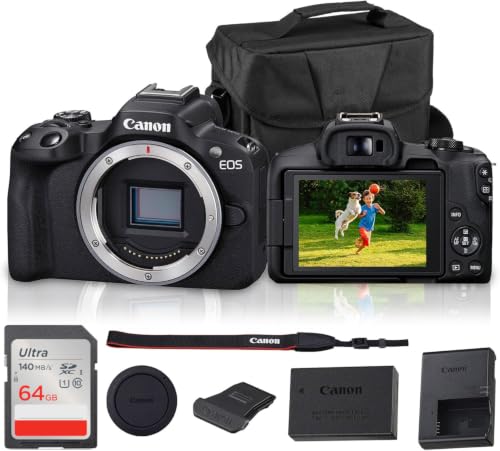


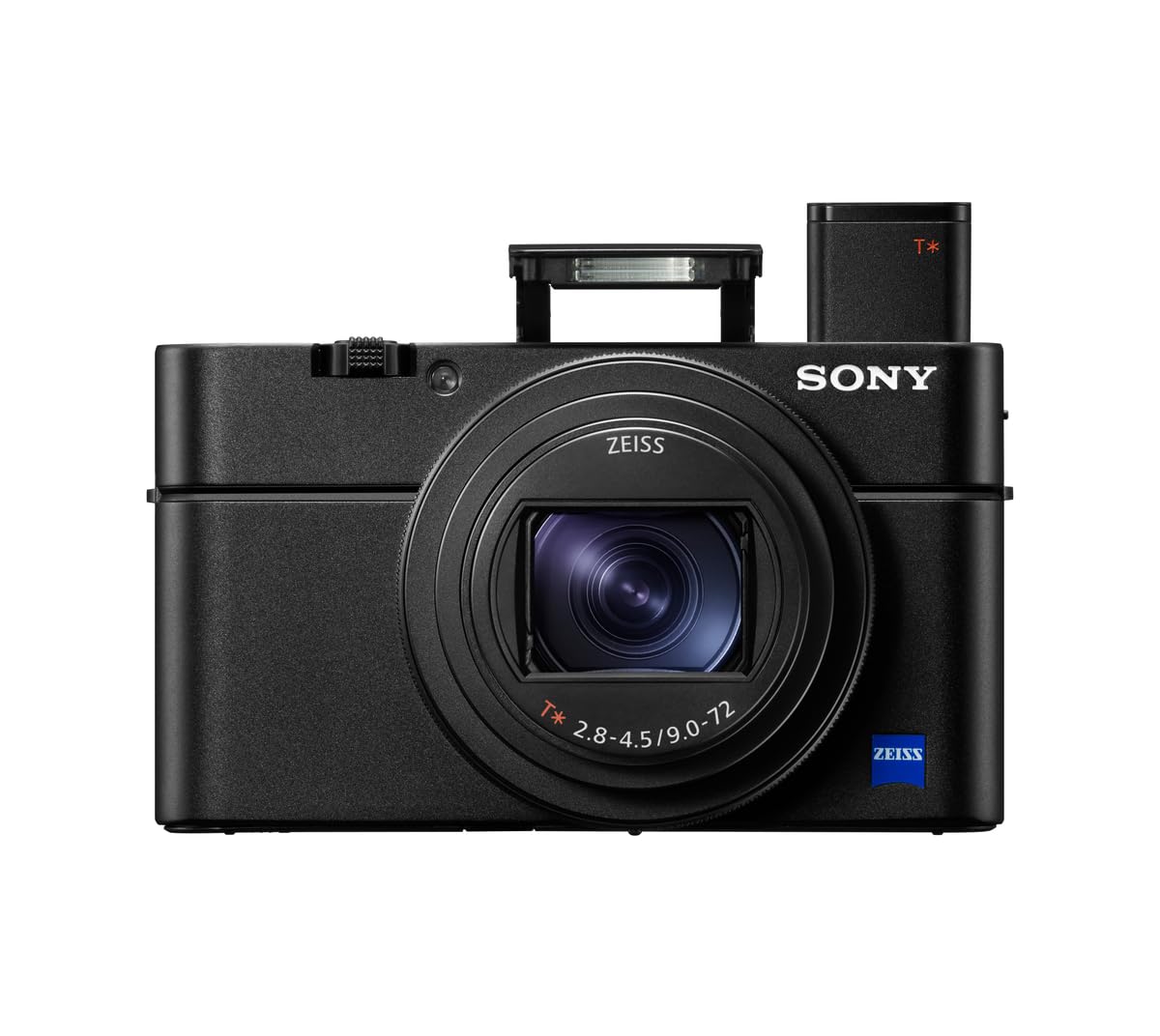


Types of Cameras Compared
As the product table above shows, no single type wins on every point that matters for candid work. Mirrorless bodies lead on quiet shooting and smart focusing, compacts lead on size and simplicity, and DSLR bodies lead on battery endurance and viewfinder clarity. Your setting and how close you can stand decide which trade off fits you.
Mirrorless Cameras
Mirrorless cameras use an electronic viewfinder or the rear screen, so there is no mirror moving inside the body. That design allows a fully silent electronic shutter, which helps when a click would break the mood at a ceremony or a quiet indoor event. Many models also offer eye detection autofocus that locks onto a face and holds it as the person turns or walks.
Because the lens mount sits close to the sensor, mirrorless bodies stay smaller than DSLR bodies with similar sensors. You can change lenses for the moment, choosing a small prime lens for street scenes or a short telephoto lens for distance at events. If you compare the wider field of best digital cameras, notice how many leading options are now mirrorless designs.
Point and Shoot Compacts
Point and shoot compacts carry a fixed lens that you cannot remove, and the whole camera often fits in a coat pocket. That tiny size is their candid strength, because people relax around a small camera that looks casual and familiar. Better models use a 1 inch sensor, which gathers far more light than a phone sized sensor. Optical zoom lets you frame from a distance without moving closer and changing the scene.
The limits show up when light drops or when you want a very shallow depth of field. A fixed lens means you cannot swap to a faster prime lens for night streets, and autofocus may hunt in dim rooms. Choose a compact if you value being unnoticed and ready in seconds, and if most of your candid work happens outdoors or in decent indoor light.
DSLR Cameras
DSLR cameras use a mirror and an optical viewfinder, so you see the scene through the lens with no screen delay. That direct view helps you follow action at sports days or school events, and the larger grip suits long lenses well. Battery life is excellent, often lasting a full weekend of shooting on one charge.
The trade off is presence, because a DSLR body is larger and the mirror makes a clear sound with each frame. That sound and size can make subjects aware of you, which works against the candid goal in quiet settings. Pick a DSLR if you already own compatible lenses, prefer an optical view, and shoot mostly where noise and size cause no problem.
Some photographers still choose film for candid work because the slower pace makes them more selective and observant. Film adds cost per frame and no instant review, so it suits patient shooters more than event coverage. If that deliberate style appeals to you, see our guide to the best film photography cameras for a fuller look at that route.
Mirrorless Cameras vs Point and Shoot Compacts: Which Should You Choose?
Choose mirrorless if image quality and lens choice top your list. A larger sensor and a fast prime lens give cleaner low light files, softer backgrounds, and more room to crop while keeping detail. You also gain stronger autofocus tracking for kids, pets, and street subjects who move without warning. The cost is a bigger kit and a higher price once lenses are included.
Choose a compact if being unnoticed and travelling light matter more than maximum quality. A pocket camera is ready the moment a moment appears, and its quiet, simple operation rarely interrupts a conversation or a performance. You give up lens swaps and some low light reach, but you gain a tool you will actually carry every day.
How to Choose the Right Camera
Start with your scenes, your distance from subjects, and the light you face most often, then let those answers rank the features below. Choosing the best cameras for candid photography is less about the highest numbers and more about how the camera behaves in the seconds before a fleeting expression disappears. Budget for the full kit as well, including a lens, a card, and a spare battery.
Sensor Size and Image Quality
Sensor size shapes low light quality, background blur, and camera size more than any other single spec. A 1 inch sensor in a premium compact is a strong step up from a phone and keeps the body pocketable. APS C sensors gather more light and pair well with fast prime lenses for indoor work. Full frame sensors go further in dim light, but they add cost, weight, and larger lenses that attract attention.
Megapixels matter less than many listings suggest for candid use. A 20 to 24 megapixel sensor already gives plenty of detail for large prints and sensible cropping when your framing is slightly wide. Very high counts help only if you shoot from far away and crop hard. If you are shopping as a new shooter, see our guide to the best beginning photography cameras before you pay extra for resolution alone.
Features That Matter for Candid Photography
Fast and reliable autofocus is the first feature to judge, because candid subjects rarely pose or repeat a moment for you. Look for eye detection for people, subject tracking that follows movement across the frame, and good focus in low contrast light. A silent shutter protects the natural mood, while a tilting screen lets you shoot from waist level so the camera stays out of your subject line of sight.
Image stabilization helps you handhold at slower shutter speeds in museums, cafes, and evening streets without blur from your own movement. In body stabilization in many mirrorless models works with almost any lens, while lens based stabilization is common on zooms and compacts. Viewfinder magnification tells you how large the scene appears through an electronic finder, which affects how confidently you can confirm focus on an eye outdoors.
Durability and Weather Sealing
Candid work often happens outdoors, at markets, festivals, and family trips where weather changes without warning. Weather sealed bodies and lenses use gaskets at buttons, dials, and mounts to resist dust and light rain, so you can keep shooting through a passing shower. Sealing is resistance, not full waterproofing, so a sealed camera still should not sit in heavy rain. A weatherproof rugged compact is different, since those models are built to survive drops and shallow water.
Video Capabilities
Many candid shooters also record short clips of the same moments, so video features deserve a quick check. 4K video gives crisp footage and room to crop in editing, while good autofocus during recording keeps faces sharp as people move. A microphone input adds clearer speech sound at family events, and a screen that flips to the side helps if you sometimes record yourself. Heat limits can stop long recordings on some small bodies, so check recording time for full ceremonies.
For candid stills, treat video as a bonus rather than the reason to pay more. A model with modest video but a silent shutter and superb eye focus will serve stills better than a video focused body with a loud shutter. If you are comparing starter kits, see our guide to the best cameras for starter photography to weigh stills features against video extras at entry prices.
Setup and Care Tips
Set up your camera before you head out so candid moments do not wait on menus. Turn on eye detection, set a quiet or silent shutter mode where the venue allows it, and choose continuous autofocus for moving subjects. Format your memory card in the camera after backing up your files, and charge both batteries the night before. A short practice session at home helps these choices become automatic under pressure.
Care is simple but specific to the camera itself. Clean the lens with a lens cloth made for optics, never your shirt, because shirt fabric can hold grit that scratches coatings. Keep a spare battery and card in your bag, and store the camera in a dry padded bag away from steam and car heat. Use a blower to clear dust from the mount before changing lenses outdoors.
Frequently Asked Questions
What features matter most in cameras for candid photography?
A silent shutter, fast eye detection autofocus, and a fast lens matter most for candid photography. Together they let you capture a real expression without sound, delay, or a missed focus point. One point many buyers overlook is the minimum focus distance of the kit lens, which decides how close you can work at a table. Check that figure if you shoot intimate indoor scenes at close range.
How much should you spend on a first camera for candid photography?
Most first time buyers do well with a budget of about $500 at the low end, or about $1000 at the high end, for the camera and first lens combined. That range covers capable compacts and entry mirrorless kits with quiet modes and eye focus. Keep part of your budget aside for a fast memory card, a spare battery, and a padded case. Spending more mainly buys better low light quality and faster burst speeds, not better timing.
Is a smartphone enough for candid photography instead of a dedicated camera?
A smartphone is enough for casual candid photos in good light, and its familiar shape rarely makes people self conscious. It struggles when you need real optical zoom from a distance, fast focus on moving kids indoors, or large prints from dim scenes. A dedicated camera also gives physical dials that change settings without looking away. Many shooters keep the phone for daily snaps and carry a compact on special occasions.
Which camera type is better for low light candid photography?
Mirrorless cameras with APS C or full frame sensors are better for low light candid photography than small sensor compacts. Their larger sensors keep noise lower at high ISO settings, so faces stay clean in restaurants and evening streets. Pairing the body with a lens that opens to f1.8 or f2 can gain more than moving up one sensor size with a slow kit zoom. Keep shutter speed high enough to freeze natural movement.
What camera specs matter most for beginners in candid photography?
For beginners, sensor size, autofocus reliability, and a simple control layout matter more than megapixels or burst speed. A camera that finds eyes on its own lets you concentrate on timing and composition, which make candid images feel alive. One extra spec worth checking is the screen type, since a tilting screen helps new shooters try discreet waist level framing. Avoid paying for advanced video modes until your stills habits are settled.
Final Thoughts
The right choice comes down to discretion, focusing speed, and the light you shoot in most often. Mirrorless bodies suit most candid shooters who want quality and lens options, compacts suit anyone who prizes a pocketable tool, and DSLR bodies still serve shooters who love an optical view. Use the comparison table above to confirm that your shortlist covers the sensor size and quiet shooting features you need.
Whichever type you pick, spend your first weeks learning timing, distance, and respect for your subjects, because those habits shape candid results more than any spec. When you are ready to choose, the best cameras for candid photography for you will be the ones you carry often, operate quietly, and trust to focus the instant a genuine moment appears. Check the product table above once more before you order.


