
Best Cameras for Blogging Fashion: A First Time Buyer's Guide for 2026
Disclosure: We may earn a commission when you buy through links on this page, at no extra cost to you. As an Amazon Associate I earn from qualifying purchases. Learn more

Learn sensor, lens and video basics, compare camera types and avoid mistakes when choosing the best cameras for blogging fashion.
Buying your first camera for fashion blogging can feel confusing, because spec sheets mix numbers that matter with numbers that do not. The best cameras for blogging fashion are the ones that render fabric color honestly, frame a full outfit without fuss, and let you shoot alone without help. This guide starts with plain language basics, so the comparison table below is easy to read.
You do not need the largest sensor or the longest zoom for strong posts. You need reliable focus on your face and clothes, a screen you can see while you pose, and files you can post the same day. The sections below match those needs to camera types, lenses and budgets.
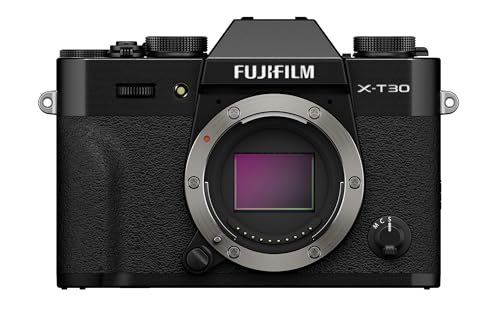

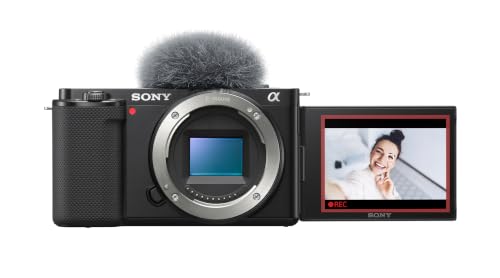
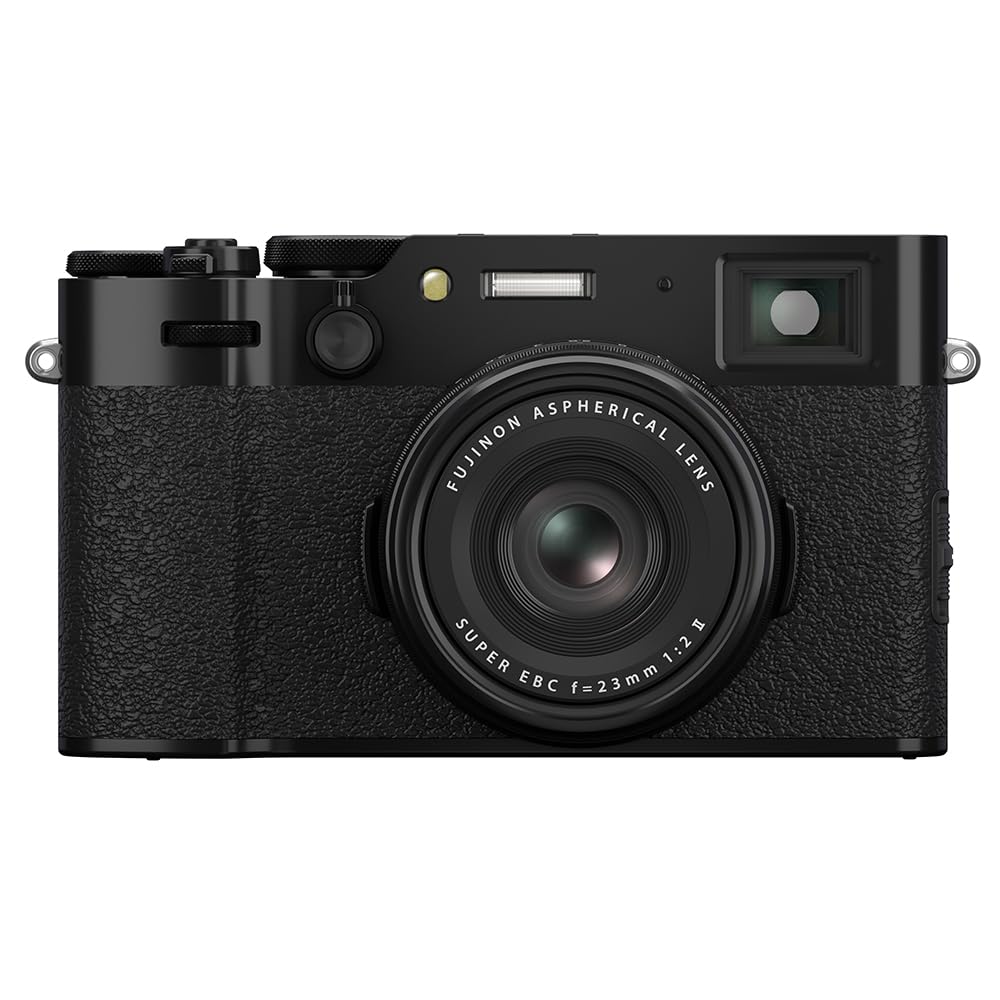


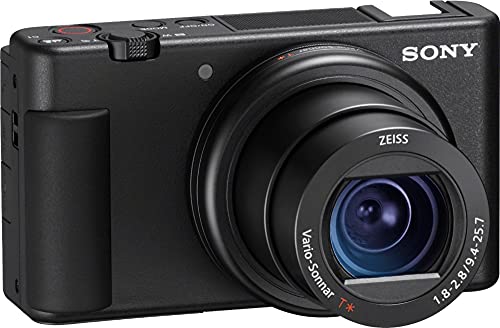
Camera Basics Every Fashion Blogger Should Know
A camera records light through a lens onto a sensor, then turns that light into a photo or video file. A larger sensor usually gathers more light, which helps in dim rooms and gives softer background blur behind an outfit. A smaller sensor keeps the body compact and costs less, which suits daily carrying.
Fashion work adds two demands that general snapshots do not. Colors must stay honest, so a red dress does not turn orange under store lights, and framing must fit head to toe looks in small rooms. That is why the best cameras for blogging fashion pair honest color with a lens range built for outfits, and readers can also see our guide to the best fashion cameras for a fashion only view.
Reading the Spec Sheet Through Your Own Shoots
Read each spec through your own shoots: a lookbook at home, street photos downtown, and short social clips. Balance matters more than any single top number.
Features That Matter for Blogging Fashion
A flip screen that faces you is near essential when you pose alone, since you can check framing and focus before you record. Eye detection autofocus holds focus on your face while you move, and honest color modes keep skin and fabric looking natural without heavy editing. Choose a camera with a microphone input if you narrate, because clear speech matters more than tiny gains in sharpness.
Sensor Size, Dim Light and Background Blur
Cameras in this guide use one inch, APS C or full frame sensors, listed from smallest to largest. Larger sensors usually handle dim light better and blur backgrounds more, which flatters portraits and detail shots. Smaller sensors keep bodies light and lenses affordable. Megapixels matter less than sensor size, since screens show only a fraction of a modern file, and clean color beats extra pixels.
Lens and Zoom Range for Outfits and Details
Most outfit work happens at wide to short portrait lengths, roughly 24 to 70 mm in full frame terms. Wide settings fit full length looks in tight rooms, while longer settings flatter faces and isolate shoes, bags and stitching. Optical zoom keeps detail sharp, so prefer it over digital zoom, which only crops the image. A bright maximum aperture such as f2.8 or f1.8 also helps indoors, since it lets in more light at the same shutter speed.
Video Capabilities for Fashion Blogging
Look for 4K video if you crop clips or pull still frames from footage, and choose image stabilization if you walk while filming, since it smooths small hand movements. A log profile gives editors more room to grade color, but plain modes look better straight from the camera for fast posting. If filming is your main plan, see our guide to the best cameras for blogging and vlogging for video led options.
Durability and Weather Sealing for Outdoor Shoots
Weather sealing uses gaskets around doors, dials and the lens mount to slow dust and light rain from entering the body. It helps at outdoor shows, markets and travel shoots, but it is not waterproof, so a sealed camera still needs shelter in heavy rain. Pair a sealed body with a sealed lens, since an unsealed lens leaves a clear path for moisture at the mount.
Which Camera Fits Your Kind of Fashion Blogging
Solo Outfit Creators Who Film Themselves
You shoot alone at home or in a rented space, so the screen, remote control and autofocus matter more than raw size. Pick a compact body with a forward facing screen, reliable eye detection, and a tripod thread placed so it does not block the battery door. For more solo creator ideas, see our guide to the best blogging cameras.
Street Style and Fashion Week Shooters
You move fast, shoot in crowds, and post before the day ends, so quick startup, a ready second battery and fast wireless transfer to your phone matter most. A weather sealed body with a versatile zoom covers changing light and distance without lens swaps in the street. Choose a side opening bag, since fast access prevents missed looks.
Best Video Cameras for Blogging Fashion: Tips for First Time Buyers
Video first buyers should rank steady handheld footage, clean microphone sound and long recording without overheating above photo resolution. A camera that records 4K at 60 frames per second suits smooth pans across a rack of clothes, and a headphone jack helps you catch wind noise while filming. If your posts are mostly clips, see our guide to the best cameras for video blogging.
First Setup Steps Before Your First Shoot
Charge the battery fully, format the memory card in the camera, and set the date, language and file quality before your first shoot. Turn on eye detection autofocus, pick a natural color mode, and test a patterned dress and a white shirt under your usual lights. Then work through these first checks in order.
- Stand where you normally pose and check that the frame fits head to toe, with space above your head and below your feet.
- Record a short clip while speaking, then listen for echo, fabric rustle and room noise.
- Send one photo to your phone and check color on that screen, since most readers will view it there.
- Use a lens cloth, not your shirt, to clean the front glass, and pack a spare battery for the next session.
Rookie Mistakes to Avoid
Most first camera regrets come from buying for the wrong shoot, not from buying a bad camera.
- Buying the longest zoom you can afford leaves you with a heavy camera you stop carrying, so daily posts quietly stop.
- Judging color only on the small camera screen hides shifts you notice later, after a full shoot is already done.
- Skipping a microphone input makes narration sound thin and distant, so viewers leave clips that look polished.
- Choosing a body without a forward facing screen forces endless test shots, so a simple outfit session takes twice as long.
- Spending the whole budget on the body leaves nothing for a lens, card or tripod, so the camera sits unused at home.
Care and Maintenance for Blogging Cameras
Store the camera in a dry bag or cabinet away from steam and direct sun, since moisture and heat age seals, batteries and hinges. Keep the body cap or a lens fitted when the camera is not in use, because an open mount invites dust that later shows as spots on plain backgrounds.
Check for dust spots by photographing a plain white wall at a narrow aperture such as f11, and use a blower before any contact cleaning if spots appear. Wipe the body with a soft dry cloth after outdoor shoots, and remove the battery during long breaks.
FAQs
What features matter most in cameras for blogging fashion?
Honest color, a forward facing screen and reliable face focus matter most, because fashion readers judge fabric and fit before anything else. One point many buyers miss is pattern rendering: fine stripes and lace can shimmer or soften on some cameras, so check sample images of patterned cloth at full size.
How much should I spend on my first camera for fashion blogging?
Most first time buyers get strong results from a camera and lens that together cost about $500 to $1,000. Keep roughly a fifth of your budget back for a memory card, a small tripod and a carry bag, since those items decide whether the camera leaves home. Spending above that range mainly buys dim light performance and faster lenses, not better style sense.
Is a smartphone enough instead of a camera for fashion blogging?
Yes, a smartphone is enough for quick daily posts, and its instant sharing is hard to beat. A dedicated camera pulls ahead at indoor events and evening shoots, where phone files often turn grainy and flash flattens fabric texture. Phones also interrupt filming with calls and drain fast on video days, so many bloggers add a camera later.
Which camera type is better for low light fashion photos?
A camera with a larger sensor is usually better for low light fashion photos, but the lens can reverse that result. A bright f1.8 lens on an APS C body often beats a slow kit zoom on a full frame body in a dim venue, since the aperture admits far more light. When you compare two options, compare the lens you will actually mount, not the body alone.
What lens range works best for full length outfit photos in a small room?
A lens range near 24 to 35 mm in full frame terms works best for full length outfit photos in a small room. At those settings you can stand about 8 to 12 feet from the camera and still fit shoes and headroom in the frame. If your room is shorter, turn the camera vertical, since a tall frame needs less stepping back.
Final Thoughts
Start with honest color, a screen you can pose to, and a lens that fits your room, because those three points shape every fashion post you publish. Match the camera to your main shoot, keep money back for the lens, and use the product table above to compare size, video features and price.
Chosen that way, the best cameras for blogging fashion become a simple tool rather than a research project, and your eye for outfits stays in charge. Pick the option you will carry daily, learn its color settings well, and let consistent posting build your blog.


