
Best Cameras for Beginning Professional Photographers in 2026: A Buyer Checklist
Disclosure: We may earn a commission when you buy through links on this page, at no extra cost to you. As an Amazon Associate I earn from qualifying purchases. Learn more
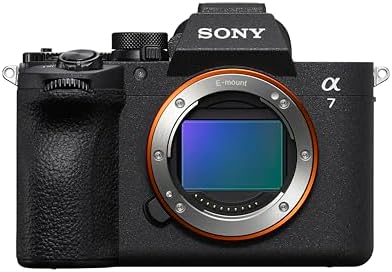
Compare the best cameras for beginning professional photographers by sensor, focus, lenses, video and price, with a clear buyer checklist inside.
Your first paid sessions change what a camera must do. A missed focus moment or a dead battery is no longer a small annoyance, because a client is waiting for files. The best cameras for beginning professional photographers balance image quality, reliable focus and a lens path you can afford. Use the comparison table below to match each camera against the checklist in this guide.
Start with the work you plan to book in the next year. Portraits, small events and paid content each reward different strengths. The sections below sort those needs first.
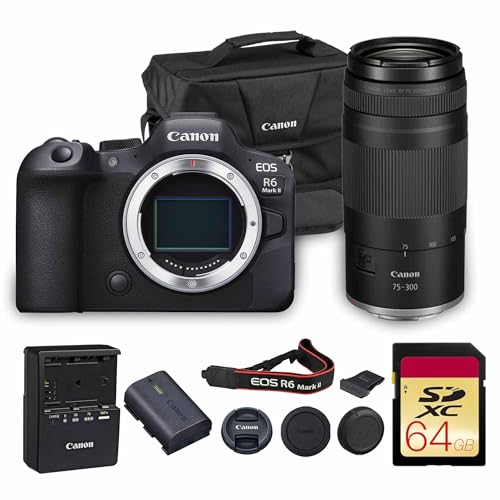
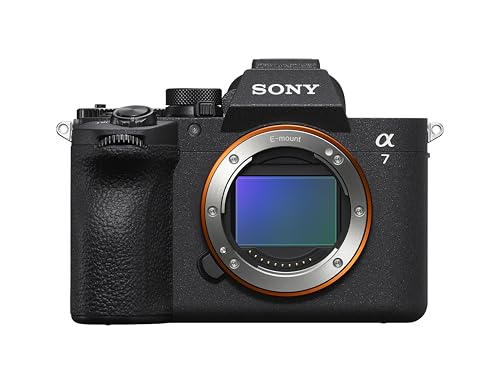


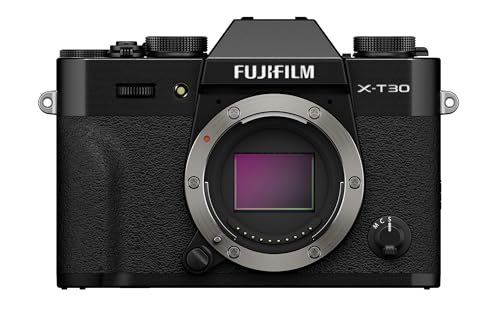


Who Should Buy Which Camera as a Beginning Professional?
Your first client type should shape your first camera. The three groups below spend their budget in different places.
Portrait and Family Session Starters
You shoot planned sessions where you control the light and the pace. Put money into a sensor that holds clean color in shade and a lens that gives soft background blur. Strong face and eye detection helps when children move, and a clear rear screen helps you check expressions between bursts. Accurate skin tones matter more here than weather sealing.
Event Helpers and Wedding Second Shooters
You work fast in mixed light while a lead photographer counts on your files. You need autofocus that tracks people crossing a room, quiet shooting for ceremonies and strong results at higher ISO settings. Two card slots matter more for you than for most starters, because an event cannot be restaged. Choose a body that stays balanced during a long day.
Creators Moving Into Paid Content Work
You deliver photos and short video for local brands, venues or creators. Look for clean 4K video, a microphone input and a screen that flips toward you for solo filming. Fast phone transfer helps you send previews the same day. If travel is part of the work, see our guide to the best travel cameras for professional photographers for smaller kits.
Key Features to Compare
Score each camera on the same six points, in this order. That habit stops a low body price from hiding costs you will meet on your first paid season.
Sensor Size and What It Means for Paid Work
Sensor size shapes depth of field, low light quality and lens size. A 1 inch sensor suits a small fixed lens camera, but it gives less background blur and less clean detail in dim rooms. APS C sensors are the common starting point for paid work, balancing cost, size and quality. Full frame sensors gather more light and blur backgrounds more, but bodies and lenses cost and weigh more. Megapixel count matters less than sensor size.
Autofocus You Can Trust During Paid Sessions
Autofocus is where a starter body earns or loses client trust. Look for face and eye detection, subject tracking that holds a moving subject across the frame and good focus in dim light for receptions. Test how the camera behaves when a subject turns away or another person crosses in front, because busy scenes confuse weaker systems. Focus with the lenses you can afford matters most.
Lenses and the Upgrade Path Ahead
The objective lens you mount shapes your images more than small body differences. Before you buy a body, list the lenses your work needs first, such as a fast prime for portraits and a standard zoom for events, then check their prices in that system. A healthy used market and rental options near you lower real costs. Choose the mount you can grow with for years.
Controls That Help You Learn Without Slowing Work
You are still building speed with manual settings, so controls should teach rather than fight you. Two control dials let you adjust aperture and shutter speed without opening a menu, and a clear exposure display helps you learn cause and effect. Guided menus help early on, but you should be able to turn aids off as habits form. For a simpler starting point, see our guide to the best digital cameras for beginning photographers.
Shooting in Dim Light and Keeping Shots Steady
Paid work often happens indoors or near sunset, where light is scarce. Judge files at the ISO values you will actually use, not the highest number on the box. Image stabilization in the body or lens steadies slow shutter speeds for still subjects and smooths handheld video, but it cannot freeze a moving child or dancer. Pair it with a fast lens for moving subjects.
Video, Battery Life and Weather Sealing
For hybrid work, look for 4K video, a microphone input and a headphone socket so you can check audio while you record. Battery life is given in shots per charge, but video drains a battery far faster, so budget for spares. Weather sealing helps in light rain and dust, though it never makes a camera waterproof. Stills only buyers can trade video features for a better lens.
Choosing Between Mirrorless, DSLR and Compact Camera Types
Mirrorless cameras show exposure and focus aids in the viewfinder before you shoot, which shortens the learning curve for paid work. See our guide to the best mirrorless cameras for professional photographers for the widest choice of current bodies and lenses.
Older DSLR systems can cost less used, but new lens development has slowed and video focus is usually weaker. A compact camera suits travel and quiet work and removes lens costs, yet it cannot adapt when a client asks for a different look. For that route, see our guide to the best compact cameras for professional photographers. Most starters planning paid growth will land on mirrorless.
Quick Buyer Checklist Before Your First Paid Season
Answer each question before you order. A no answer points to the cost you still need to solve.
- Can the camera record to two cards at once for work you cannot repeat?
- Does eye detection hold focus on a moving person in indoor light?
- Can you afford the body plus the first lens your client work needs?
- Does the camera offer a microphone input if paid video is part of your plan?
- Will the total kit weight feel manageable through a full event day?
- Have you budgeted for spare batteries, cards, a bag and backup storage?
- Can you rent or buy extra lenses for this system in your area?
Treat this list as a gate. The best cameras for beginning professional photographers are the ones that pass every gate above while leaving budget for lenses. For the step above this level, see our guide to the best cameras for professional photographers.
Common Mistakes to Avoid
- Spending the whole budget on a body leaves no money for the lens that shapes your images.
- Choosing a camera with one card slot for a wedding risks losing an event that cannot be repeated.
- Trusting a high megapixel count on a small sensor leads to noisy files in dim venues.
- Ignoring total kit weight makes long event days tiring and leads to rushed, careless framing.
- Buying into a lens system with no local rental options leaves you stuck when a job needs a special lens.
- Believing weather sealing means waterproof leads to damaged gear in heavy rain.
Care and Maintenance for Your Working Camera
Clean the lens with a lens cloth, never your shirt, because fabric grit can scratch the coating. Leave sensor cleaning to a service shop if spots remain on your files. Wipe the body after outdoor work and let damp gear dry in open air before you close the bag.
Carry a spare battery and spare cards on every paid job, and store the kit in a dry, padded bag between sessions. Format cards in the camera only after files are backed up in two places. Check strap lugs, card doors and lens contacts each month, because wear found at home is cheaper than a failure on a job.
Questions New Professionals Ask Most
What features matter most in cameras for beginning professional photographers?
Reliable autofocus, a sensor large enough for your light and a lens system you can afford matter most. One point new buyers miss is tethering support, which lets you show a client images on a larger screen during a brand session. That instant review can prevent a reshoot, so check tethering before you assume every body offers it.
How much should beginning professional photographers spend on a first camera system?
Most beginning professional photographers should plan a total system budget, not a body price, with lenses and support gear taking a large share. Reserve money for insurance once clients pay you, because a single theft can end a young business. Earning small fees with rented gear first shows which purchase will pay for itself fastest.
Is a smartphone enough for beginning professional photographers doing paid work?
No, a smartphone is not enough as the main camera for most paid work, because clients expect control over depth of field, reliable files in dim light and lens choice for different scenes. A phone still works as a backup for wide shots and quick previews. A dedicated camera also gives you the raw files clients expect for editing.
Which camera setup is better for low light work for beginning professional photographers?
A larger sensor paired with a fast lens is better for low light work than a small sensor body alone. Placement matters too, since moving a subject a few steps toward a window can improve files more than raising ISO. Practice reading a histogram in dim rooms at home, so you can judge exposure without trusting a bright screen.
Do beginning professional photographers need two card slots in a camera?
Beginning professional photographers need two card slots when the work cannot be repeated, such as weddings and live events. For planned portrait sessions, a single slot can work if you copy files to a laptop during a break. Either way, buy cards from a trusted source, because counterfeit cards cause sudden file loss.
Our Verdict
Choose the system, not just the body. Sensor size, trusted autofocus and an affordable lens path will decide your results long after small specification differences are forgotten. Use the product table above to check your shortlist against the checklist.
When you judge best cameras for beginning professional photographers by the work you are about to book, choose the camera that protects client files, fits your hands and leaves budget for lenses. Upgrade only when a paid job demands it.


