
Best Cameras for Beginners Nature Photography: A Buyer Guide for 2026
Disclosure: We may earn a commission when you buy through links on this page, at no extra cost to you. As an Amazon Associate I earn from qualifying purchases. Learn more

Pick the best cameras for beginners nature photography by comparing types, zoom reach, autofocus, weather protection and weight.
Nature photography asks a lot of a first camera. Light changes by the minute, animals move without warning, and the best scenes sit on trails or in fields far from a power outlet. The best cameras for beginners nature photography are easy to learn, light enough to carry on a long walk and flexible enough to handle landscapes, flowers and wildlife without a bag of gear. Use the product table to see the main options, then read the sections that match what you want to shoot.
This guide compares the camera types, explains the features that matter outdoors and lists the mistakes that cost beginners good shots. Start with the subject you will photograph most, because it decides how much zoom, speed and weather protection you really need.





Best Cameras for Beginners Nature Photography by Type
Three types cover almost every first purchase. They differ most in zoom reach, lens choice and carrying weight.
Mirrorless Cameras for Growing Skills
A mirrorless camera pairs a large sensor with interchangeable lenses and shows your exposure in the viewfinder before you press the shutter. That preview helps beginners learn fast. You can start with a kit zoom for landscapes and flowers and add a telephoto lens for birds and animals later. Bodies are compact, but lenses add weight and cost, so plan your budget around the lens you will need most.
DSLR Cameras for Long Battery Life and Used Lenses
A DSLR uses an optical viewfinder and tends to last a full day on one battery, which helps on remote trails. Used lenses are plentiful and affordable, so a starter body with a telephoto zoom is a low cost way into wildlife. The trade offs are bulk and slower autofocus in video. Choose a DSLR if you enjoy the classic feel and want the most lens for your money.
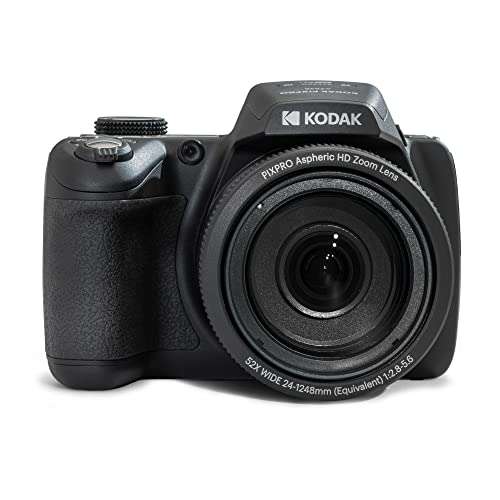
Superzoom Bridge Cameras for Reach Without Lens Changes
A bridge camera builds a very long zoom lens into one body, so you can frame a distant bird or a mountain ridge without carrying extra glass. It is the simplest way for a beginner to get real reach. The limits are a smaller sensor, which struggles in dim light at dawn and dusk, and autofocus that slows at the longest zoom. It suits walkers who want one camera for everything.
Key Features for Nature Photography
Choose features that solve outdoor problems. Megapixels matter less than the points below.
Zoom Reach and Lens Choice
Landscapes need a wide view, while wildlife needs reach. A kit zoom covering about 18 to 55 mm handles scenery and flowers, and a second zoom reaching about 200 to 300 mm brings animals closer. Superzoom cameras cover both in one lens. Digital zoom only crops the picture, so judge reach by optical zoom.
Autofocus and Burst Speed
Animals rarely hold still. Look for continuous autofocus that follows a moving subject and a burst mode that records several frames per second, so one frame catches the wing or the leap. Eye detection for animals is a bonus on newer mirrorless bodies.
Sensor Size and Low Light Results
Nature is often photographed at sunrise, sunset and in shaded woods. A larger sensor keeps images cleaner as the light fades. APS C sensors give a good balance of price and quality for beginners, while a one inch sensor suits compact travel cameras in good light.
Weather Sealing and Build
Light rain, dust and cold are part of outdoor work. Weather sealing slows moisture and dust, but it is not waterproofing, so carry a rain cover and dry the camera after wet days. A sturdy grip and a strap you trust matter on rocky ground.
Size, Weight and Battery Life
Add up the body, lens and spare battery before you buy. A camera that feels light in a shop can feel heavy after three hours on a trail. Look for USB C charging so a power bank can top up the camera, and carry a spare battery in an inside pocket in cold weather.
Choosing by Subject
Landscapes and Flowers
A wide kit zoom, a tripod and a camera with good dynamic range are the core kit. Beginners often do best with a compact mirrorless camera because it is light and sharp. Shoot early or late in the day for soft light.
Birds and Wildlife
Reach and focus speed decide your results. A DSLR or mirrorless body with a telephoto zoom, or a superzoom bridge camera, gives the distance you need. Stay quiet, move slowly and shoot from a respectful distance so you do not disturb animals.
Hiking and Travel Days
Weight rules here. A small mirrorless camera or a premium compact fits a jacket pocket and still makes sharp pictures. If you want guidance on a wider range of subjects, see our guide to the best cameras for photography or the best nature cameras for beginners.
Common Mistakes to Avoid
- Buying on megapixels alone leaves you with large files from a weak lens and noisy low light shots.
- Choosing a long zoom without checking its weight leads to leaving the camera at home.
- Ignoring battery life means a dead camera during the best light of the day.
- Shooting only at midday gives harsh shadows and flat color, so plan your outings for morning and evening.
- Spending the whole budget on the body leaves no money for a tripod, a spare battery or a rain cover.
Care and Setup Tips
Clean the front lens with a lens cloth, not your shirt, because grit in fabric can scratch the coating. Blow dust off first, then wipe in small circles. Format the memory card in the camera, turn on the grid overlay for straight horizons and set the camera to save raw files if it offers them. Store the camera in a dry, padded bag, and let it warm up slowly indoors after a cold day so condensation does not form on the lens.
Frequently Asked Questions
What makes a camera for nature photography different?
Nature work needs reach for distant subjects, quick autofocus for moving animals and a body that tolerates dust and light rain. A general family camera may lack one or more of these, so check zoom range and focus tracking before you buy.
What features matter most in cameras for nature photography?
Zoom reach, autofocus tracking and battery life matter most, followed by sensor size and weather protection. Add a comfortable grip and a screen that tilts for low angles near flowers and ground level.
How much should I spend on my first nature camera?
Plan about $600 to $1,200 for a mirrorless or DSLR body with a kit lens, and more if you want a telephoto zoom. A superzoom bridge camera can cost less and still reach distant birds. Keep part of the budget for a tripod, a spare battery and a bag.
Which camera type is better for low light at dawn?
A mirrorless or DSLR camera with an APS C or larger sensor is better than a small sensor bridge camera, because it keeps images cleaner as the light fades. A lens that opens wide also helps, and a tripod lets you use slower shutter speeds for still scenes.
Is a smartphone enough instead of a camera for nature photography?
A smartphone is enough for scenery and flowers in good light. It falls short for distant animals because its zoom crops the image and loses detail. A dedicated camera adds real optical zoom, faster tracking and larger files.
Final Thoughts
Pick the camera that fits the subjects you will photograph on most outings. A mirrorless camera suits learners who want room to grow, a DSLR rewards patient shooters on a budget and a superzoom bridge camera gives the simplest reach. Compare weight, zoom and battery life in the product table, and carry a spare battery and a rain cover. The best cameras for beginners nature photography are the ones you will take outside often, so choose the kit that is light enough to bring along.


