
Best Cameras for Beginners Film: Types and Costs Compared for 2026
Disclosure: We may earn a commission when you buy through links on this page, at no extra cost to you. As an Amazon Associate I earn from qualifying purchases. Learn more

Compare the best cameras for beginners film, from single use to reusable 35mm and manual SLRs, with film and developing costs.
Film is having a second life, and the best cameras for beginners film shoppers are really asking one question: how do I start shooting real film without wasting rolls on a camera I cannot control? The answer is to match the camera to your patience and budget. A focus-free point and shoot, a reusable 35mm body and a single use camera all make real photographs, but they teach different lessons and cost different amounts per frame.
This guide explains the main film camera types, the few specs that matter, what film and developing really cost, and the mistakes that ruin first rolls. Use the product table to compare the options in one place, then read the sections that fit your situation.


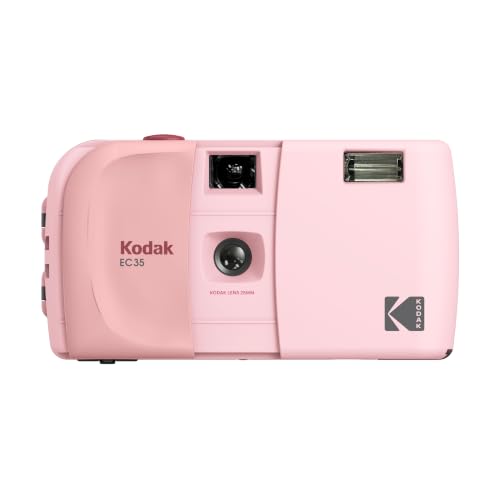
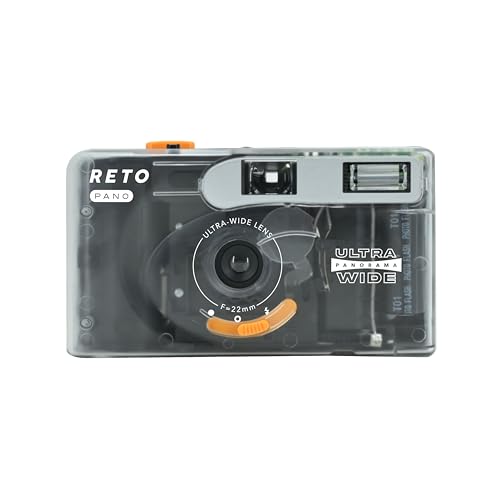
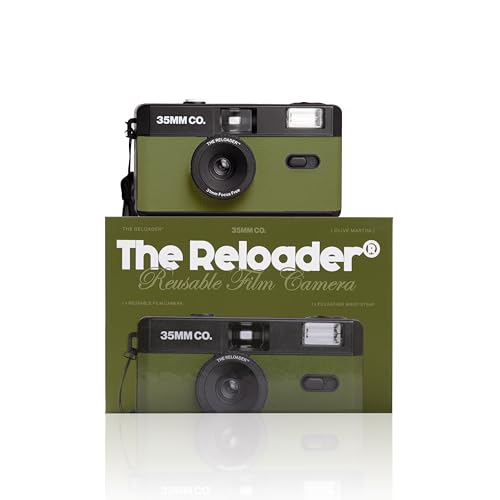
Best Cameras for Beginners Film by Type
Three kinds of film camera suit a first purchase. Each trades price, control and image quality in a different way, so pick the one that matches how you want to learn.
Single Use Cameras for a No Commitment Start
A single use camera comes loaded with film, a plastic lens and a simple flash. You shoot the roll, hand the whole camera to a lab and get prints or scans back. It costs the least up front and removes every decision about loading, rewinding and settings. The drawbacks are plain: image quality is basic, the flash is the only help in dim rooms, and you pay for a new camera with every roll. It suits parties, trips and anyone who wants to see whether film appeals before buying more.
Reusable 35mm Point and Shoot Cameras
A reusable 35mm compact takes standard film rolls that you load yourself, so the body can last for years. Models in this class are focus free or use simple autofocus, set exposure for you and include a built in flash. You load a fresh roll, shoot, rewind and send the film to a lab. This is the best starting point for most beginners because the learning curve is gentle and the cost per roll is far lower than a new single use camera each time. Look for a clear viewfinder, a flash you can turn off and a sturdy film door.
Manual 35mm SLR Cameras for Learning Exposure
A manual SLR gives you a lens you can change, dials for aperture and shutter speed, and a light meter that helps you set exposure. It teaches photography faster than any automatic camera, because every choice shows up on the negative. These bodies are heavier, need a battery for the meter, and take practice before the first roll comes back well exposed. They suit beginners who want to learn the craft, not only collect snapshots. New cameras in this class are rare, so many buyers look at refurbished or used bodies and should check the shutter and light seals before paying. Our guides to best SLR film cameras for beginners and best vintage film cameras for beginners cover that route.
Key Features to Compare in a Beginner Film Camera
You do not need a long spec list. A handful of features decide whether your first rolls come back sharp and well exposed.
Focus Free, Autofocus or Manual Focus
Focus free cameras keep everything from a few feet to infinity acceptably sharp, so you only compose and press. Autofocus models measure distance and set the lens for you, which helps with portraits at close range. Manual focus gives the most control but adds a step that beginners often miss. If you want the fewest wasted frames, choose focus free or autofocus first and move to manual later.
Built In Flash and Low Light Handling
Film is far less forgiving than a phone in dim light. A built in flash that you can switch on and off keeps indoor and evening shots usable, and it helps fill harsh shadows on sunny days. Faster film, such as ISO 400, also gives more room indoors. A camera with a lens that opens wider lets in more light, but most beginner models rely on flash and faster film instead.
Film Format and Loading
35mm film is the easiest format to buy, develop and scan, and it fits nearly every beginner camera. Check how the camera loads and rewinds: a clear film counter, a simple back latch and a rewind crank or motor all make the first roll less stressful. Half frame and panorama cameras are fun, but they change the shape of your photos and are better as a second camera.
Weight, Build and Ease of Carrying
A camera you carry gets used. Plastic compacts weigh little and slip into a jacket pocket, while metal SLRs feel solid but are heavy on a long walk. Choose the body you will bring along, and add a wrist strap if the camera is small and light.
Battery and Power Needs
Most compact film cameras use common AA or small lithium batteries for the flash and motor. A manual SLR may need a small battery only for the meter. Carry a spare, because a dead battery stops the flash and, on some models, the whole camera.
What Film and Developing Really Cost
The camera is only the first purchase. A roll of 35mm film usually gives 24 or 36 frames, and each roll needs developing and, if you want digital copies, scanning. Lab fees vary, but you can expect the film, development and scan together to add up to a noticeable amount per roll. That is why a reusable camera saves money over single use cameras once you shoot more than a few rolls.
Budget for film first. ISO 200 film suits bright daylight, ISO 400 handles mixed light and indoors, and black and white film is a low cost way to practice tone and contrast. Buy a few rolls at a time, store them in a cool place and use them before the date printed on the box. Plan a mailing or local lab option before you shoot so exposed rolls do not sit for months.
Common Mistakes to Avoid
- Opening the back of the camera before rewinding the film exposes the whole roll to light and ruins it.
- Shooting indoors without flash or faster film leaves dark, muddy negatives.
- Standing too close to a subject with a focus free lens gives soft pictures, so keep to the minimum distance in the manual.
- Leaving a loaded camera in a hot car can fog the film and spoil frames.
- Skipping a spare battery means the flash fails on the day you need it most.
- Buying a camera first and film second leaves you with no budget for the rolls that make the camera useful.
Caring for Your First Film Camera
Wipe the lens with a lens cloth, not your shirt, because grit in fabric can scratch the coating. Keep the camera in a dry, padded case, away from heat and damp. Remove the battery if the camera will sit unused for weeks, and check the film door seal for cracks or stickiness before each roll. Used and refurbished bodies often need fresh light seals, so inspect the door foam and replace it if it feels gummy.
Frequently Asked Questions
What features matter most in cameras for beginners who shoot film?
A simple loading system, a flash you can control and a lens that is easy to focus matter most. Beginners lose more frames to mistakes in loading and exposure than to image quality, so favor a camera that keeps those steps simple. A clear frame counter is also useful, because it tells you how many shots remain before you rewind.
How much should I spend on my first film camera?
A single use camera costs only a few dollars to start, and a reusable 35mm compact often costs about $35 to $130. Manual SLRs usually cost more, especially when refurbished. Keep part of your budget for film and developing, because a few rolls cost as much as a basic camera.
Which is better for low light, a single use camera or a reusable one?
Neither does well in very dim light, but a reusable camera lets you choose faster film such as ISO 400 or 800, which gives more room indoors. A single use camera is usually loaded with one film speed and relies on its small flash.
Is a smartphone enough instead of a film camera?
A smartphone is enough for sharp, easy photos. A film camera offers a different experience: you cannot review shots instantly, so you slow down, think about each frame and enjoy the look of grain and color. Many beginners keep the phone for everyday pictures and use film for projects and travel.
Can I reuse a single use camera?
Single use cameras are built to be handed to a lab, which opens the case to remove the film. They are not designed to be reloaded, so buy a reusable 35mm camera if you want to shoot many rolls. For more reusable options, see our guide to the best reusable film cameras for beginners.
Final Thoughts
Start with the type that matches your patience: single use for a quick trial, a reusable 35mm compact for steady practice, and a manual SLR when you want to learn exposure. Check focus style, flash control and loading, then budget for film and developing along with the camera. Use the product table to compare what is available today, and choose the one you will actually pick up and carry. The best cameras for beginners film fans choose are the ones that get fresh rolls shot, developed and enjoyed.


