Best Affordable Film Cameras for Beginners: Types Compared and How to Choose in 2026
Disclosure: We may earn a commission when you buy through links on this page, at no extra cost to you. As an Amazon Associate I earn from qualifying purchases. Learn more

Film format, exposure control, and running costs decide the best affordable film cameras for beginners.
Film cameras look simple until you start shopping. One listing praises full manual control, another promises the camera does everything for you, and neither mentions what film and developing will cost. The best affordable film cameras for beginners match how much control you want to learn, so use the comparison table below to weigh type, format and running costs together.
This guide compares camera types rather than naming models. You will learn which features help a new film shooter, which checks matter on a used body, and how to budget for shooting, not just the camera.


Who Should Buy an Affordable Film Camera as a Beginner?
Start with the experience you want from your first rolls. A camera built for quick snapshots will frustrate a learner who wants to study exposure, and the reverse is true too.
Complete Beginners Who Want Automatic Help
You want to load film, frame the shot and press the shutter without setting exposure on every frame. Choose a point and shoot camera with automatic exposure, autofocus and a built in flash. It handles dim rooms and bright streets while you learn composition and timing. Accept that you give up control, since these cameras offer no way to override a wrong exposure reading.
Learners Who Want to Build Skills Step by Step
You want to understand shutter speed, aperture and focus, and you accept some ruined frames while you learn. Choose a 35 mm SLR with a working light meter and one automatic mode to fall back on. Our guide to the best slr film cameras for beginners covers that route in depth. A standard lens around 50 mm keeps your view natural and costs low.
Gift Buyers and Students Watching the Total Budget
You are buying for someone new to film, or funding your own shooting from a limited pot. Choose a simple camera in proven working order over a rarer body that needs service before its first roll. Set money aside for film, developing and scanning from the start, because a cheap camera with no budget left for film teaches nothing. A reusable simple camera suits a gift best, since it needs almost no instruction.
Key Features to Compare
Compare these factors in order, because the body price is often the smallest part of the cost. That is why the best affordable film cameras for beginners are judged on running cost and ease of learning, not on listing price alone.
Film Format: 35 mm, 120 and Instant Film
Format decides film price, frame count and where you can get film developed. The 35 mm format is the sensible default, with the widest film choice, rolls of 24 or 36 frames. The 120 medium format gives larger negatives and fine detail, but only about 10 to 16 frames per roll, so each frame costs more. Instant film skips the lab, yet each print is the priciest frame of all, so save it for fun rather than daily practice.
Exposure Control and the Built In Light Meter
Exposure control decides how much the camera decides for you. Fully automatic cameras set shutter speed and aperture together. Aperture priority lets you choose the lens opening while the camera picks a shutter speed, a gentle way to learn. Fully manual cameras need a working light meter, the gauge that reads the light and guides your settings. Test a used meter against a bright window and a dark corner, because a dead meter turns every frame into a guess.
Focusing: Autofocus, Zone Focus and Manual Focus
Focusing style changes how fast you can shoot and how many frames come back sharp. Autofocus on later film cameras locks onto your subject for you. Manual focus on an SLR uses a split screen in the viewfinder, and you turn the lens ring until the halves line up, slower but precise. Zone focus cameras ask you to pick a distance symbol such as a person, a group or mountains, so keep your subject near that distance.
Lens Type: Fixed, Zoom and Interchangeable Lenses
The lens shapes your photos more than the body does. A fixed lens around 35 mm to 50 mm is bright, sharp and simple. A built in zoom on a compact covers more subjects but lets in less light, so indoor shots lean on the flash. Interchangeable lenses on an SLR let you add a wider or longer lens later. Check any used lens against bright light for fungus and haze, since a cloudy lens flattens every photo.
Built In Flash and Shooting in Low Light
A built in flash matters more than most buyers expect, because film cannot raise its sensitivity the way a phone does. A small pop up flash covers a group indoors at close range, usually about 6 to 13 feet with common film. Cameras without a flash need faster film or a steady hand in dim light, and slow shutter speeds blur moving subjects. Learn the flash off switch too.
Condition Checks That Matter on a Used Film Camera
Most affordable film cameras are used, so condition is a feature in itself. Open the back and look for crumbling foam light seals, the strips that keep light off your film, and budget for new seals if they feel sticky. Fire the shutter at several speeds. Older bodies also draw collectors, so see our guide to the best vintage film cameras for beginners before paying a premium for age alone.
Types of Affordable Film Cameras Compared for Beginners
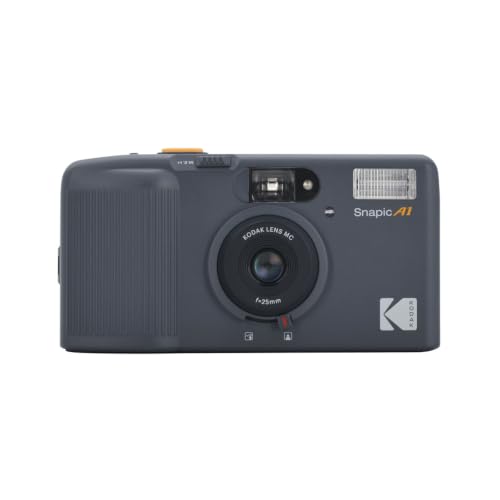
Four types cover nearly every sensible starter choice, and our broader guide to the best film cameras for beginners sets them in context. A point and shoot compact sets exposure and focus for you and slips into a jacket pocket, making it the easiest first camera for travel and family snapshots. Its weakness is total dependence on its electronics and flash, with no manual override.
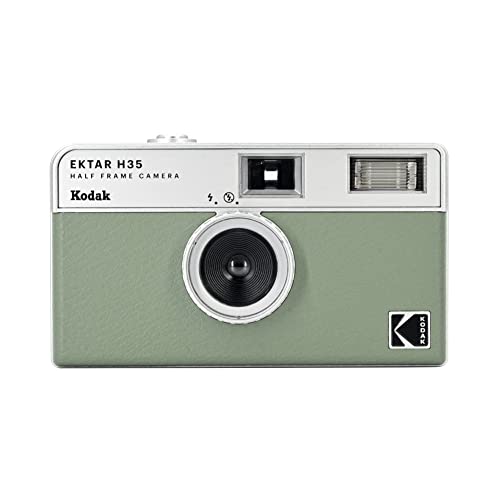
An SLR shows your exact framing through the lens and lets you change lenses and settings, making it the strongest learning tool of the group. It is also the bulkiest option and the one most likely to need new light seals after years in storage. A simple reusable camera sits at the other extreme, with a plastic lens and fixed focus. Results are soft, but the price is tiny and there is almost nothing to set wrong.
An instant camera prints a photo seconds after you shoot, which suits gifts and guest books. The cameras can be cheap while the film packs are not, at only about 8 to 10 prints per pack. Choose instant for shared fun, point and shoot for effortless frames, and an SLR for deliberate learning. If you are weighing film against a digital starter body, see our guide to the best affordable cameras for beginners for that wider comparison.
Common Mistakes to Avoid
- Buying the body alone and leaving no money for film and developing makes the camera sit unused after the first roll.
- Opening the back before you rewind the film exposes the roll to light and ruins frames you already shot.
- Loading the fastest film you can find for bright beach days gives harsh, washed out results and wastes money.
- Ignoring crumbling light seals on a used body leaves streaks across your negatives that no lab can remove.
- Storing a loaded camera in a hot car for weeks ages the film inside and shifts colors before you finish the roll.
Care and Maintenance for a Beginner Film Camera
Keep the camera in a dry, padded bag away from sand and rain, and wipe the lens with a clean lens cloth rather than a shirt, since gritty fabric can scratch the coating. Store unexposed film in a cool, dry place. Remove the battery if the camera will sit for months, because a leaking battery can corrode the meter contacts. Work the shutter a few times every month or two on a stored SLR to keep its mechanism moving.
FAQ
What makes an affordable film camera good for a complete beginner?
An affordable film camera is good for a beginner when it exposes and focuses reliably, so your first rolls teach composition instead of troubleshooting. Forgiving color negative film helps too, because it tolerates a stop or two of overexposure. Seek a DX code reader as well, which reads the film canister and sets the film speed for you, removing one whole class of loading mistakes.
Which type of film camera should a beginner choose for low light photos?
An SLR with a bright standard lens handles low light best for a beginner, because its wide lens opening gathers more light than a compact zoom can. Pair it with film rated at ISO 800 for evening streets and indoor gatherings. Brace your elbows against your body and exhale before pressing the shutter too, since at slow speeds your own movement blurs more frames than the subject does.
How much should a beginner spend on a first film camera in total?
A beginner should plan the total, not just the body, and keep about a third of the budget back for film, developing and scanning. Put the camera first, then three to five rolls of film, then the lab costs for those rolls. Keep a small reserve for light seals or a battery too, since spending everything on the body is the fastest way to lose interest.
Which film should a beginner load in a 35 mm camera first?
Load a color negative film rated at ISO 400 with 36 exposures for your first rolls in a 35 mm camera. That speed copes with sun, cloud and indoor flash, and the longer roll gives more practice per lab fee. Ask for scans rather than prints at first, because digital files are cheaper to share and easier to review while you learn.
Final Thoughts: Best Affordable Film Cameras for Beginners
Choose your format first, then the level of control you honestly want, then a body in proven working order. The product table above lets you compare types and prices with those three points in mind.
When you shop for the best affordable film cameras for beginners, remember that the camera is a one time cost and film is the habit. Buy the simple, working camera you can afford to feed, finish your first roll within a few weeks, and let those first scans tell you what to learn next.