
Best Cameras for Beginner Vloggers of 2026: Complete Buying Guide
Disclosure: We may earn a commission when you buy through links on this page, at no extra cost to you. As an Amazon Associate I earn from qualifying purchases. Learn more

A complete guide to the best cameras for beginner vloggers: screens, microphones, sensors, recording limits and price bands.
Your first vlogging camera has one job: to get out of your way while you learn to talk to a lens. Beginners usually shop by sensor size and resolution, yet the channels that grow are the ones viewers can hear clearly and watch without queasy, wandering footage. Choosing the best cameras for beginner vloggers means weighing sound, screen, and autofocus first, and treating spec sheet numbers as the last step rather than the first.
This guide works through those decisions in order, from the screen you frame yourself with to the hidden costs of the full kit. The comparison table below gathers the main camera classes side by side, so you can see how they differ before the detail sections narrow the choice to your style of video.



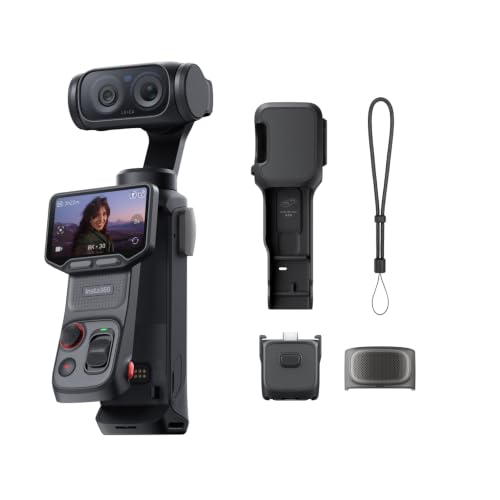
Sound and Screen Decide More Vlogs Than the Sensor
A Screen You Can See Yourself In
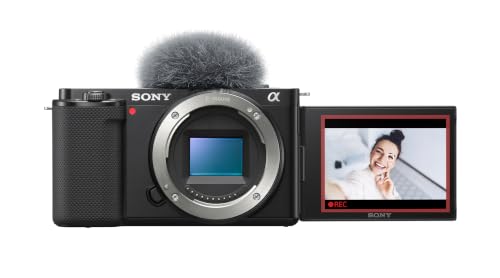
A fully articulating screen that flips to face you is the single feature most beginners should refuse to give up. It lets you check framing, focus, and your own expression while you record, which removes the guesswork that ruins early videos. A screen that only tilts up can work for desk setups, but it sits awkwardly behind a hot shoe microphone, and brightness matters too, because a dim screen washes out in daylight and leaves you guessing outdoors. Touch controls on the screen also speed up focus taps and menu changes while the camera sits at arm's length.
Sound: A Microphone Input Beats a Bigger Sensor
Viewers forgive soft footage far sooner than muffled or echoing speech, so audio deserves the first share of your budget after the camera itself. A microphone input, usually a small 3.5 mm socket, lets you add a clip on or shotgun microphone and transform the sound for a modest cost. Cameras without that socket lock you into their built in microphones, which pick up room echo and camera handling noise. A headphone socket, rarer at beginner prices, lets you hear problems while recording instead of discovering them at the editing desk.
How to Choose: The Complete Buying Guide
With the screen and sound checks settled, the remaining choices define how the camera behaves across a day of filming. Together, the points below are what make the best cameras for beginner vloggers different from cameras that merely record good video.
Sensor Size and Honest Image Quality
Compact vlogging cameras usually carry a one inch sensor, mirrorless cameras step up to APS C or full frame, and phones and action cameras use smaller sensors still. A larger sensor gathers more light, which shows up as cleaner indoor footage and softer backgrounds. Megapixels matter far less than this, since video uses only part of the sensor's resolution. Treat maker claims about image quality with care: headline figures such as maximum sensitivity settings describe what the camera allows, not what looks good, and they are not comparable across brands.
Autofocus and Stabilization in Plain Terms
Good vlogging autofocus finds your face, holds it while you move, and refocuses smoothly when you hold a product close to the lens. Face and eye detection should feel boring in use; constant hunting and pulsing is what you are paying to avoid. For stabilization, in body stabilization steadies small hand movements, electronic stabilization crops the image slightly for extra smoothness, and a small gimbal beats both for walking shots at extra cost and fuss. Many beginners do best with decent in body stabilization and a wide lens, which hides shake better than a longer one.
Size, Weight, and the Camera You Actually Carry
A camera that feels like a chore stays home, and a vlogging camera earns its keep in bags, coat pockets, and one handed grips. Compact fixed lens models win on carry and simplicity but give up lens changes forever. Mirrorless bodies grow with you through new lenses, at the cost of size and a steeper menu learning curve. If you film travel or daily life, weigh the whole shooting kit, camera, lens, and microphone together, and be honest about whether you will shoulder it on a hot afternoon walk.
Recording Limits and Overheating on Long Takes
Many cameras stop a single recording after a set time, and some shut down earlier when they run hot, especially at the highest resolution in a warm room. This is a class reality for small bodies that seal weather out and pack processing in, not a defect in one brand. Treat it as a check rather than a scare: read the stated continuous recording guidance, think about whether your format is five minute pieces or hour long talks, and plan around it. Podcasters and teachers who record long sessions should weight this check heavily, while most short form creators will never meet the limit.
Ease of Use and the Wider Beginner Shelf
Guided menus, a clear auto mode, and one tap transfer to your phone all shorten the distance between filming and publishing. If you are still deciding how much help you want from the camera, our guide to the best digital cameras beginners covers the friendliest end of the market. Creators who also write and photograph for a blog may prefer the crossover view in our guide to the best cameras for bloggers and vloggers, where stills quality carries more weight. Either way, a camera whose menus confuse you will slow your output more than a smaller sensor ever will.
What Each Price Band Buys
The product table above lines the classes up by price. Remember that a body price is never the whole spend: a microphone, a small tripod or grip, spare batteries, and memory cards form the real kit, and setting aside about a quarter of your budget for them is a sane rule for a first setup.
About $300 to $500: Capable Compacts and Older Bodies
This band buys strong compact cameras with flip screens and microphone inputs, plus older mirrorless bodies that pair well with an affordable standard lens. You give up the newest autofocus tricks and some low light polish, but learn every skill that matters. For talking head and desk based channels, this band is often all the camera a beginner needs for the first year.
About $500 to $800: The Beginner Sweet Spot
Here the autofocus becomes genuinely reliable, in body stabilization appears on many models, and screens and audio options stop forcing compromises. This is where most first time vloggers should aim if the budget allows, because the camera stops being the reason videos look rough. Resale value also holds up better in this band when you later upgrade.
About $800 to $1,200: Room to Grow
The top beginner band buys larger sensors, better lenses in the kit, weather sealing on some bodies, and longer recording headroom. The image gains are real yet smaller than the price jump suggests, so spend here only if you already know your format and film often. Beginners unsure of their style will usually grow faster by putting the difference into lighting and sound.
Types of Cameras for Vlogging
Three classes cover nearly every beginner, and the wider best digital cameras shelf holds plenty of models that shoot video as a side feature rather than a focus. Dedicated vlogging lines exist too, and our guide to the best vlogger cameras compares the models built purely around selfie style shooting.
Compact Cameras With a Fixed Lens
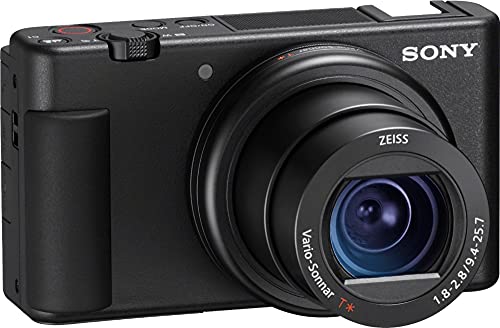
One body, one lens, no decisions left after purchase. Compacts suit talking head, travel, and daily vlogging where speed matters more than flexibility, and their smaller sensors still shine in decent light. The fixed lens is the ceiling: when you outgrow its reach or its low light limits, the whole camera is replaced.
Mirrorless Cameras
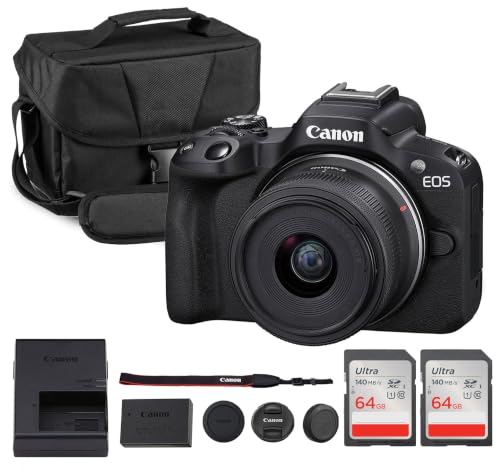
Interchangeable lenses make mirrorless the growth path, since a better lens later can transform the same body. You gain larger sensors and the strongest autofocus, and you accept more weight, more settings, and more spending temptation. Beginners who already enjoy photography usually settle here happily.
Action Cameras
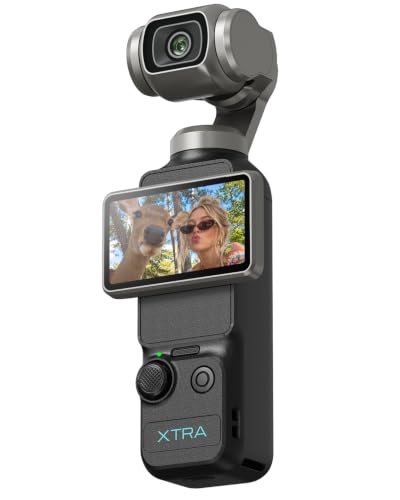
Tiny, tough, and very wide, action cameras suit sport, water, and mounted shots where a normal camera cannot go. Their stabilization is superb, while their small sensors, fixed focus, and limited audio options make them a second camera for most vloggers rather than the main one. Treat them as a specialist tool that some channels need weekly and others never need at all.
Setup and Care Tips
- Clean the lens with a cloth, not your shirt. A microfiber cloth kept in your bag prevents the fine scratches that slowly soften every frame.
- Carry a spare battery and card. Vlogging drains both faster than stills shooting, and a dead camera ends a filming day outright.
- Update the firmware. Makers often improve autofocus and stability through free updates, so check the support page a few times a year.
- Store the camera dry and padded. A simple padded case guards against bag knocks, and a dry shelf at home keeps fungus off the lens.
- Format cards in the camera. Formatting in the camera rather than a computer keeps the file system exactly as the camera expects and avoids corrupted clips.
Frequently Asked Questions
What makes a camera for beginners different from an advanced camera?
The difference is guidance, not a lack of quality. Beginner friendly cameras add guided interfaces that explain settings in plain language, scene modes that handle tricky light, and product showcase style settings that shift focus to whatever you hold up. Advanced bodies remove some of that hand holding in exchange for more manual controls and deeper menus. A beginner camera also keeps size and price down, which matters when the real task is publishing often rather than mastering exposure theory.
What features matter most in a camera for vlogging?
After the flip screen and microphone input covered earlier, look for a headphone socket or at least an on screen audio meter, so you can confirm sound levels while filming. A lens wide enough to frame you at arm's length, roughly the view of a 20 mm full frame lens, prevents the cramped look of early videos. Reliable power delivery over a USB cable also helps desk creators record long sessions without swapping batteries. None of these show up in headline advertising, yet together they decide how pleasant daily filming feels.
Is a smartphone enough for a first vlog channel?
Yes, for learning the craft a current smartphone is genuinely enough, and many channels start there. Its video is strong, its screen is already in your hand, and editing apps live on the same device. The honest gap is sound and control: phone microphones flatter no one, and manual settings are limited. A sensible bridge is to film on the phone while spending first on a microphone that fits it, then move to a dedicated camera once you know your format and upload rhythm.
How much should a beginner spend on a first vlogging camera?
Around $500 to $800 for the camera, plus roughly a quarter again for the kit around it, suits most beginners who plan to publish weekly. Spending less is fine if the camera still offers a flip screen and a microphone input, since those two features protect your learning curve. Spending more buys polish rather than permission to start. The worst use of money is the most expensive body paired with no microphone, no spare battery, and no light, because viewers notice sound and light long before sensor size.
Which camera type is best for indoor vlogs in low light?
Mirrorless cameras with APS C or full frame sensors handle dim rooms best, especially paired with a fast lens that opens to a wide aperture. Compacts with one inch sensors cope respectably near windows or lamps. Before stepping up a sensor size, though, price a simple video light: better light on your face improves footage more than a larger sensor does under the same weak room lighting, and it costs a fraction as much. Sensor size sets your ceiling, while lighting decides how close you get to it.
Do beginner vloggers need 4K video?
Not at first, since most viewers watch on phones at standard resolutions, and 1080p footage is kinder to your computer, your storage, and your editing patience. Recording in 4K does buy one real advantage: room to crop and reframe in editing without obvious softness, which forgives framing mistakes. Weigh that against longer file transfers and faster filling cards. A practical path is to shoot 1080p while you learn, then enable 4K for the videos where reframing will actually help.
Final Thoughts
Let sound and screen lead the decision, let autofocus and recording limits vet the shortlist, and let the kit budget keep the whole purchase honest. The product table above shows how the classes compare at a glance. Beginners who choose on those grounds rarely regret the camera, because it supports the habit that actually grows a channel: filming often without friction.
That is what the best cameras for beginner vloggers really means in practice, a camera you enjoy using every week, matched to the videos you truly plan to make.


