
Best Cameras for Beauty Photography 2026: Made Simple, a Clear Buying Guide
Disclosure: We may earn a commission when you buy through links on this page, at no extra cost to you. As an Amazon Associate I earn from qualifying purchases. Learn more

Shopping for the best cameras for beauty photography for the first time? Learn the terms, compare options, and avoid rookie mistakes with this easy guide.
Beauty work lives on small details, like the edge of a liner wing, the blend of a blush, and skin that still looks like skin. The best cameras for beauty photography capture those details with honest color and focus that lands on the eyes every time. This guide covers the choices that matter for faces, makeup, and hair.
You do not need the biggest body or the longest spec list for flattering results at home or in a small studio. You need a sensor, lens, and screen that suit how you shoot, plus light you can control. Use the comparison table below to see how camera types differ.



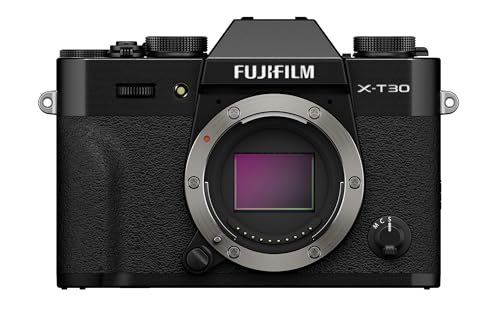


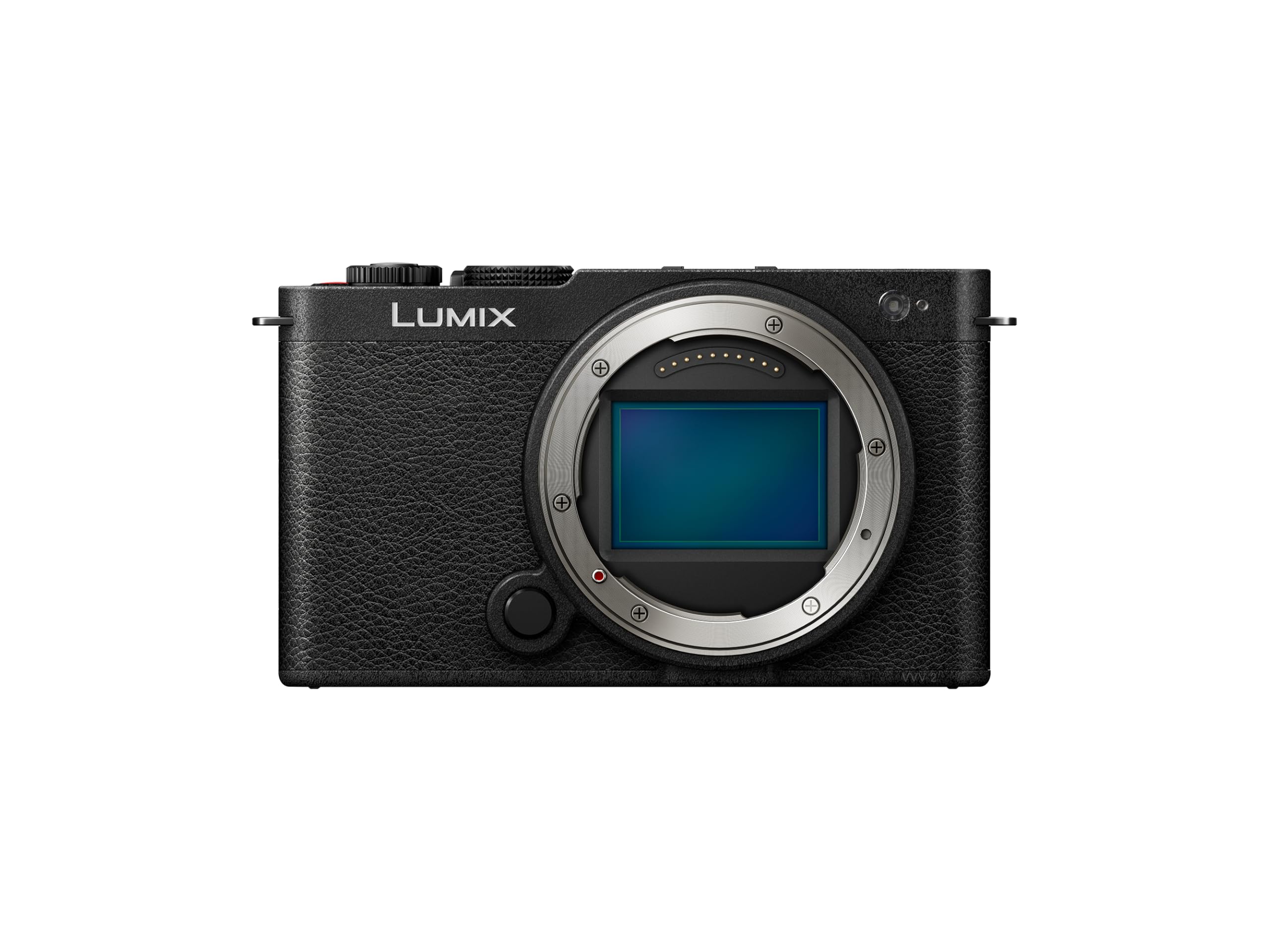
Cameras 101: The Basics for Beauty Work
A camera records light through a lens onto a sensor, and that sensor shapes how much fine detail and smooth tone the file holds. For beauty work, viewers look closely at lashes, brows, and skin texture, so that file matters more than for a landscape. For broader background, see our guide to the best cameras for photography.
Three ideas explain most choices. Aperture controls how much of the scene stays sharp and how soft the background looks. Shutter speed freezes movement when a model turns. ISO sets how sensitive the sensor acts in dim light, and raising it too far adds grain that can roughen smooth skin.
Who Should Buy Which Camera for Beauty Photography?
Your subject and space should decide the camera type, not price.
Makeup Artists Who Photograph Their Own Work
If you apply makeup and then record the result, you need a camera that works fast at close range and renders shades truthfully. A compact mirrorless body with a tilting touch screen lets you check focus from the front of the chair. Accurate color matters more than extreme reach, because a client judging a foundation match will notice a color cast. For compact options built for faces, see our guide to the best beauty cameras.
Beauty Creators Who Film Tutorials and Take Still Photos
If you shoot both video lessons and still images for posts, look for a hybrid camera that handles both jobs well. Clean 4K video, a screen that turns to face you, and a microphone input will shape your daily work more than a very high still photo count. Fast app transfer helps too, because a look often goes out the same day.
Portrait Photographers Who Focus on Faces and Skin
If you book portrait sessions and sell polished images, a larger sensor body with a wide choice of portrait lenses gives you the most control. You can separate your subject from the background, hold detail in highlights on skin and deep tones in hair, and print large.
Key Features to Compare
For the best cameras for beauty photography at any budget, compare these factors in order, because the first ones change every image you make.
Sensor Size and Detail for Skin and Makeup
Sensor size sets the ceiling for detail and clean results in soft light. A 1 inch sensor in a compact camera can look sharp in bright light, but an APS C or full frame sensor holds smoother skin gradients and cleaner shadows when light drops. Megapixels alone do not guarantee a better image, because a modest count on a larger sensor often beats a huge count on a tiny one. For most first time buyers, APS C balances quality and lens cost well.
Color Accuracy and Skin Tone Rendering
Beauty photos ask more of color than most subjects, because viewers know what healthy skin and a red lip should look like. Look for trusted color profiles, a portrait picture style, and raw file support so you can adjust white balance after the shoot without harming the image. A model that shifts skin toward orange or magenta costs editing time on every session. Skin should look natural under your own lights.
Eye Detection Autofocus for Faces
Eye detection autofocus finds a face and holds focus on the nearer eye, which is exactly where a beauty portrait must be sharp. It frees you to compose and watch expression instead of moving a focus point. Check that it works in stills and video, even when the subject wears glasses or turns partly away. Reliable eye focus raises your keeper rate sharply.
Lens Choices and Aperture for Soft Backgrounds
The lens draws the beauty look as much as the body does, so choose a system with portrait lenses you can afford. A prime lens with a wide aperture, such as f1.8 or f2, blurs a cluttered room and keeps attention on the face. Focal lengths around 50 mm to 85 mm on a full frame body flatter facial proportions. A kit zoom is fine for learning, but a fast prime is the first upgrade to buy.
Staying Clean and Steady in Soft Indoor Light
Many beauty shoots happen indoors, near a window or under studio lamps, where light is softer but weaker. A camera that stays clean at higher ISO settings protects skin from grain that makes retouching harder. Image stabilization in the body or lens steadies slow handheld shots for detail photos of products and finished looks. It cannot freeze a moving subject, so keep shutter speed up when your model moves.
Screen, Video, and Controls for Daily Beauty Work
A screen that tilts or swings out lets you frame self portraits without walking behind the camera each time. Touch focus, clear menus, and a simple auto mode help while you learn. Confirm the 4K video mode, microphone port, and WiFi or Bluetooth transfer to your phone. Battery life varies, so favor USB C charging and budget for a spare battery on session days.
Getting Started: Setup and First Use for Beauty Photography
Charge the battery, set the date, format the memory card in the camera, and mount your lens. Take a test portrait under your usual lights, then view it at full size to check focus on the eyes. Set raw plus JPEG if your card allows, so you keep an editable file and a ready to share copy. For a slower start, see our guide to the best beginning photography cameras.
Clean the front of the lens with a lens cloth, not your shirt, because shirt fabric can hold grit and leave fine marks. Practice at different apertures to see how the background changes. Carry a spare battery and card, because a finished look cannot wait while a battery charges.
Common Mistakes to Avoid
- Buying the highest megapixel count and ignoring color, so skin tones need heavy correction each time.
- Shooting beauty portraits with a very wide lens up close, so noses look larger than they are.
- Trusting a small rear screen for focus, so lashes look sharp in the studio but soft on a large display.
- Mixing window light with yellow room lamps, so one side of the face turns a different color than the other.
- Skipping a test shot, so a focus problem is found only after the makeup comes off.
- Storing the camera loose in a makeup bag, so powder settles on the lens and sensor cover.
Care and Maintenance for Beauty Photography Cameras
Makeup is the main hazard for this camera, because foundation, powder, and setting spray travel easily from hands to grips, dials, and glass. Wipe the body with a soft, dry cloth after each session, and clean your hands before adjusting settings mid shoot. Store it in a padded case, away from open powders and sprays.
Blow loose dust off the front lens element with a hand blower before you wipe it, so grit does not drag across the coating. Keep caps on at the vanity, and never change lenses over loose powder. If spots appear in the same place on every image, use the cleaning mode first and let a service center handle sensor cleaning.
FAQ
What features matter most in a camera for beauty portraits and makeup detail?
Accurate color, reliable eye focus, and a sharp portrait lens matter most for beauty portraits and makeup detail. One point new buyers miss is the JPEG preview, because a dull or overly sharp preview can mislead you about exposure while the look is still on the model. Set the preview to a faithful picture style so your in room judgment matches the edited file.
How much should a first time buyer spend on a beauty photography camera?
A first time buyer should plan about $600 to $1,500 for a capable camera and starter lens, with used APS C kits at the low end. Spend the larger share on the lens and lighting rather than the newest body. For budget planning in plain terms, see our guide to the best cameras for starter photography.
Is a smartphone enough instead of a dedicated camera for beauty photography?
A smartphone is enough for quick posts and practice, but a dedicated camera gives you lens choice, larger files, and more reliable focus for paid or printed work. The clearest gap shows when you crop a makeup detail shot, because the phone file has far less clean detail to spare.
Which lens focal length suits beauty portraits best on a new camera?
A focal length around 85 mm on a full frame camera, or about 56 mm on an APS C camera, suits beauty portraits best for most beginners. That distance keeps facial features in natural proportion and gives you room to direct the model. In a small room, a 50 mm full frame equivalent is the practical fallback, because it needs less space.
Which camera settings help beginners get flattering skin tones in beauty photos?
Setting white balance by hand for your main light helps beginners most with skin tones. Auto white balance can drift when a bright lip color or colored backdrop fills much of the scene, making a set hard to match in editing. Pick the preset that matches your light, or set a custom value once, and the session stays consistent.
The Bottom Line
Choose for color, eye focus, and lens first, and let sensor size support those three. Match the camera type to your role, whether you record your own makeup work, film tutorials, or book portrait clients. When you compare the best cameras for beauty photography side by side, return to the product table above and pick the option that fits your space, lights, and budget.


