
Best Cameras for Artistic Photography in 2026: Which One Fits the Way You Use It?
Disclosure: We may earn a commission when you buy through links on this page, at no extra cost to you. As an Amazon Associate I earn from qualifying purchases. Learn more

Compare the best cameras for artistic photography by sensor, lenses, manual control and low light skill, with a clear checklist for your style and budget.
There is no single model that suits every artist, because a studio portrait, a night street scene and a quiet landscape ask for different strengths. The best cameras for artistic photography match your subjects, your light and the way you like to work. This guide sorts the choices by use and by the features that shape a final image, so you can read the comparison table below clearly.
Start with the work you make most often. Controlled studio work needs precise handling, while walking and reacting needs speed and a body that stays out of your way. The sections below match each kind of artist to sensor size, lenses, control and price.
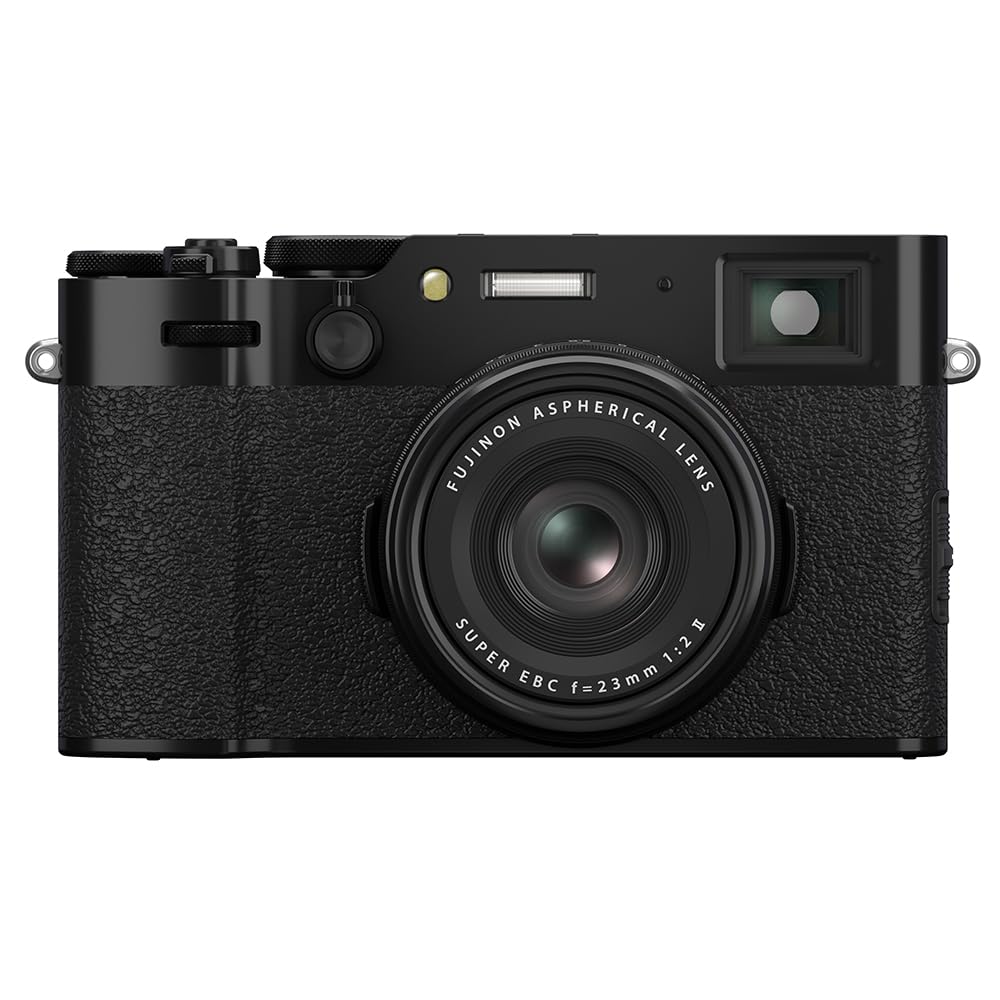


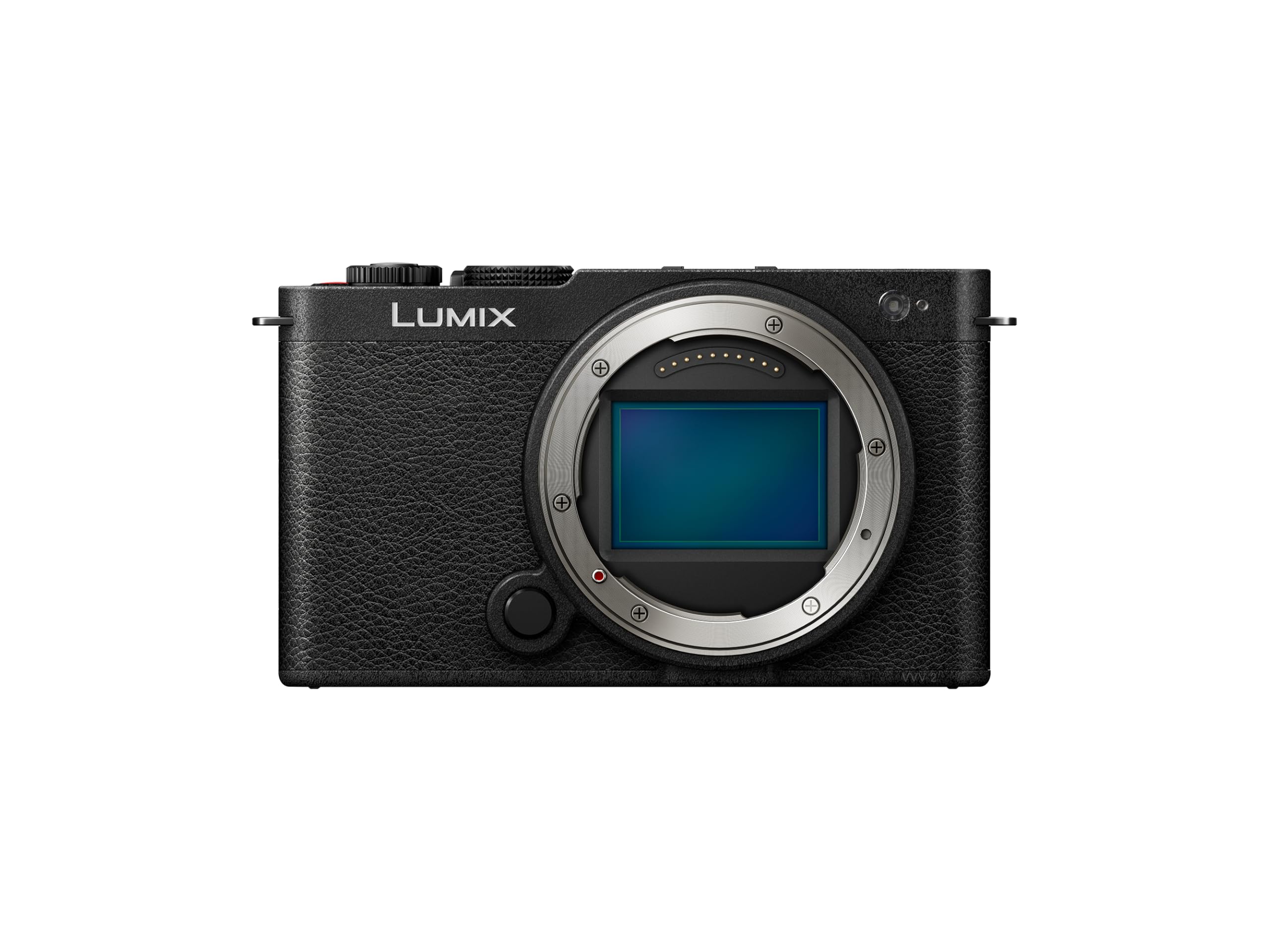


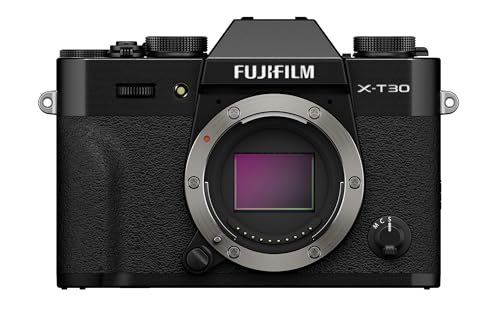
Who Should Buy Which Cameras for Artistic Work?
Pick the group below that sounds most like your normal week, then use its priorities as your shopping list.
Portrait and Studio Artists Who Control Their Light
You set the scene, place the lights and direct the sitter, so your camera must reward patience and precision. Put a large sensor, clean files at low ISO settings and a bright, accurate viewfinder first. A tilting screen helps for low or high angles. You can accept a heavier body, since the tripod carries the weight and the session runs to your schedule.
Landscape, Street and Travel Artists Who Work on Location
You chase changing light and scenes that will not wait, so size, weather sealing and quick handling matter as much as image quality. Choose a compact body with image stabilization and controls you can reach without lowering the camera. Battery life matters on long walks, and a quiet shutter helps in museums, where noise draws attention.
Students and Everyday Artists Building a Personal Style
You are learning to see, so you need a camera that teaches you exposure. Look for clear manual controls, one standard zoom or bright prime lens, and menus in plain language. A capable starter body and kit lens costs about $500 to $900, which leaves room for a tripod and classes. New students can see our guide to the best beginning photography cameras for simpler bodies that still allow manual control.
Key Features to Compare
When you compare the best cameras for artistic photography, start with control, color and lenses rather than headline megapixels. The five factors below shape your images more than resolution gaps do.
Sensor Size, Detail and Depth of Field for Art Work
Sensor size sets the ceiling for detail, low light cleanliness and shallow depth of field. A 1 inch sensor in a premium compact keeps the body small and still records rich files for modest prints. An APS C sensor is the balanced choice for most artists, with strong detail and compact lenses. A full frame sensor gives the cleanest high ISO files and the strongest subject separation, but lenses grow larger and prices rise. Megapixels matter less, since about 24 megapixels already prints large with care.
Features That Matter for Artistic Photography
Artistic work asks for deliberate control, so look for full manual exposure, easy ISO and aperture dials, and RAW files that hold color depth. Wide dynamic range keeps detail in bright skies and deep shade in one frame, which matters for landscapes and stage work. Focus peaking and a magnified view help you place focus by hand with manual lenses. Film style color modes can guide a look, but RAW files keep your options open for a different mood.
Lens and Zoom Range for Creative Framing
The lens draws the picture, so judge a system by its lenses. Prime lenses with apertures around f/1.8 to f/2.8 give strong subject separation and work well in dim rooms, but you frame with your feet. Zooms trade some aperture for reach, and optical zoom keeps full quality, unlike digital zoom which crops the file. Wide focal lengths suit interiors and landscapes, a length near 50 mm feels natural for daily scenes, and short telephoto lengths flatter portraits.
Video Capabilities for Hybrid Artists
If your art mixes stills with motion, check video tools with care. 4K video gives room to crop in editing, and a log profile holds more tone for color grading, much like a RAW still. A screen that flips forward suits solo filming, and a microphone input matters more than the built in microphone for clean sound. Some vlogging cameras trade dials for video ease, so weigh stills handling first if photographs stay the main goal.
Battery Life and Charging Options for Location Work
Mirrorless style bodies with electronic viewfinders often give about 300 to 500 shots per charge, and heavy screen use or video lowers that figure. USB C charging lets you top up from a laptop or power bank, which suits travel and event work. Location artists should budget for at least one spare battery. Check the shot rating for viewfinder and screen, since the two figures can differ a lot.
Types Compared: Which Camera Format Fits Your Artistic Style?
Interchangeable lens bodies offer the widest creative range, since one body can serve portraits, landscapes and stage work as your lens set grows, though they cost the most over time and ask you to carry a bag. Readers who shoot a wider mix of subjects can see our guide to the best cameras for photography for a broader view.
Premium point and shoot compacts put a 1 inch sensor and a fixed zoom in a coat pocket, which suits travel and street work. You give up lens choice, and you gain a camera you will carry daily. If bold color and staged scenes lead your work, see our guide to the best artistic cameras for bodies built around mood and color.
Film and instant cameras slow you down and make each frame cost money, a discipline many artists value. The look is distinct, with grain that digital files only imitate. If that slower pace appeals to you, see our guide to the best film photography cameras for formats and film stocks compared.
Buying Mistakes That Hold Back Your Art
- Buying on megapixels alone leaves you with detail you never print and too little budget left for the lenses that shape your style.
- Ignoring battery life and charging leaves location artists with a dead camera during the best evening light.
- Choosing a body too large to carry means it stays home while your phone records the scenes you wanted to make.
- Skipping RAW files locks in camera color choices and throws away editing room that artistic work often needs.
- Spending the whole budget on the body leaves nothing for a tripod, spare battery or printing, where flaws first show.
Setup and Care Tips
Set the camera to record RAW files and assign your most used settings to the custom buttons before your first real shoot. Use a lens cloth, not your shirt, since shirt fabric can drag grit across the front glass. Carry a spare battery and a spare card in the bag.
Store the body and lenses in a dry, padded bag, with silica gel packs if your home air stays humid. Clean the sensor only with tools made for sensors, and send the camera to a service shop if spots survive a blower. Check straps and tripod plates for wear, because a dropped body costs far more than a new strap.
Questions Artists Ask Before Choosing a Camera
What features matter most in cameras for artistic photography?
Manual control, RAW files and lens choice matter most in cameras for artistic photography. Try the two minute test: set aperture, shutter speed and ISO without opening a menu. If you can do it by feel within two minutes, the layout suits deliberate work. Enjoyable dials lead to more practice, and practice shapes style faster than specifications.
Is a smartphone enough instead of a camera for artistic photography?
A smartphone is enough for learning composition and sharing work online, but it limits print size and manual control. Phone processing can smooth skin and foliage in ways that fight a natural look. A dedicated camera adds a viewfinder and lenses that change how a scene renders. Many artists keep both, using the phone for scouting and the camera for final work.
How much should I spend on my first camera for artistic photography?
Plan about $500 to $900 for a first camera outfit, including a kit lens or one prime lens. Hold back about one third of the budget for a tripod, spare battery and your first prints, and put the rest into the body and lens. Used bodies from recent years stretch this budget well, since lens quality matters more than owning the newest body.
What specs matter most for beginners choosing a camera for artistic photography?
For beginners, a clear viewfinder, simple menus and a standard zoom matter more than top burst speed or huge resolution. Check viewfinder magnification, since a larger view makes manual focus and composition easier to judge. An APS C body with about 24 megapixels covers classes and home printing. Avoid bodies that hide exposure settings in touch menus, because slow changes discourage experimentation.
Which sensor size is better for low light artistic photography?
Full frame sensors are better for low light artistic photography, since each pixel gathers more light and files stay cleaner at high ISO settings. The gap shows most in night street scenes, concerts and candle lit portraits. Lens aperture can offset a smaller sensor, though, and stabilization helps with still subjects but cannot freeze a moving performer.
Should artistic photographers choose prime lenses or zoom lenses?
Artistic photographers who value low light and subject separation should start with a prime lens, while those who cover varied scenes should start with a zoom. A single prime teaches framing discipline, since you move instead of zooming, and that habit improves composition quickly. Zooms suit travel and events where your position is fixed.
Wrapping Up
Match the camera to your subject, your light and your patience for carrying and editing. Sensor size, manual control and lens choice decide most of your results, while price and size decide how often the camera goes with you. Use the product table above to check those points.
Chosen with those points in mind, the best cameras for artistic photography become tools you stop thinking about, which is when the real art starts. Pick the format that fits your style, buy the lens your subjects need, and spend the time you save on making pictures.


