
Best Artistic Cameras for 2026: Budget, Midrange, and Premium Levels
Disclosure: We may earn a commission when you buy through links on this page, at no extra cost to you. As an Amazon Associate I earn from qualifying purchases. Learn more

Compare the best artistic cameras at every price point. Learn what you get at budget, midrange, and premium levels and where spending more pays off.
Artistic camera prices stretch from a few hundred dollars to several thousand, and the gap is not only about sharpness. Money buys control over depth, color, and light, plus lenses that change how a scene feels. The best artistic cameras match your style of making images.
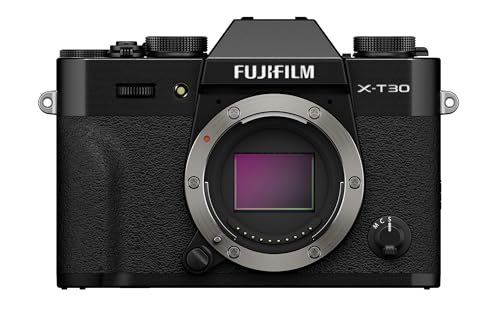
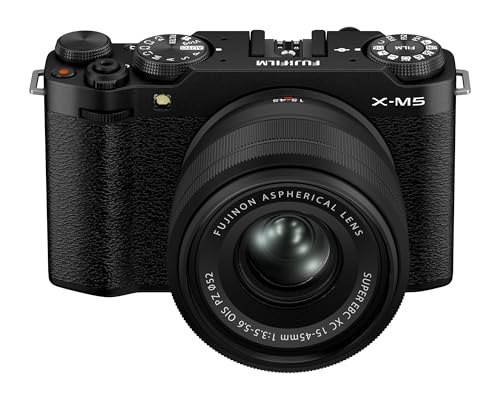
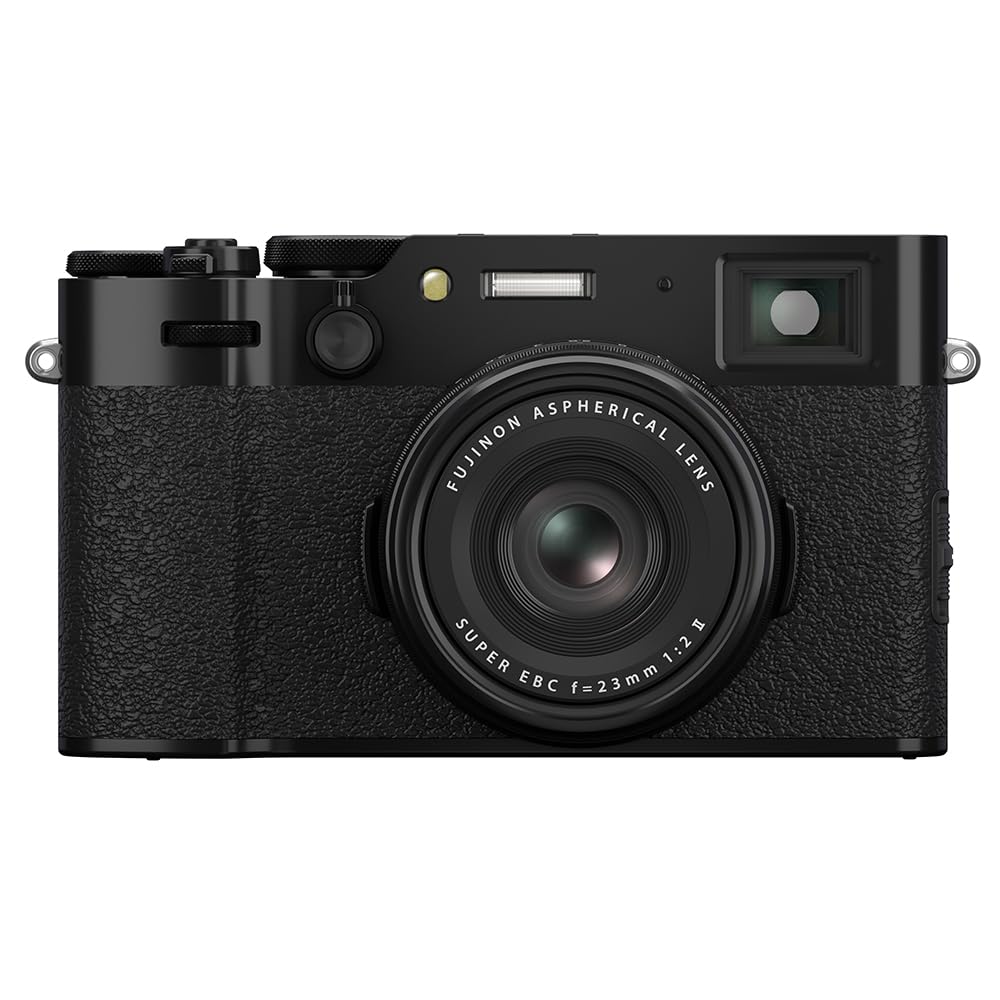
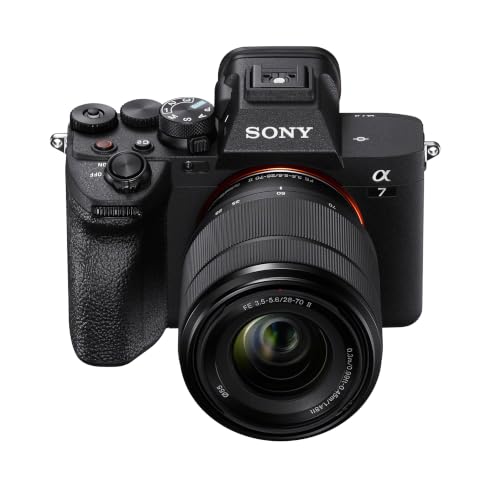
This guide compares camera types by budget so you can see where extra spending changes results and where it does not. Use the product table below to line up prices, then read the tiers that follow.




Who Should Buy an Artistic Camera?
A dedicated camera earns its place when you want deliberate choices a phone makes for you.
Makers Who Photograph Their Own Work
Painters, printmakers, and textile artists often photograph finished pieces for portfolios, and they need honest color more than dramatic effects. Faithful color profiles and a standard zoom record texture in brush strokes, paper grain, and fabric weave without shifting reds toward orange. A self timer helps you shoot flat work square on, with even light.
Photographers Building a Cohesive Series
If you shoot a series meant to hang or print together, consistency matters more than novelty. Repeatable manual settings and RAW files that grade the same way keep one image from looking warmer or flatter than the next. For staged series and gallery prints, see our guide to the best cameras for artistic photography.
Slow Shooters Who Love a Film Look
Some photographers make better work when the camera slows them down. Physical dials for shutter speed and aperture, a viewfinder that shuts out distractions, and film style profiles you tune once and reuse encourage you to compose before pressing the shutter. If that rhythm appeals to you, a midrange body with strong manual controls will serve you better than a premium body packed with automatic modes you never open.
What Your Money Gets You at Each Price Level
Price tiers buy you sensor size, lens choice, and build quality in that rough order.
Budget Level: Color and Control Before Raw Power
Bodies and kit lenses at about $400 to $800 usually pair a smaller sensor with a versatile zoom and solid color profiles. You still get real manual exposure, RAW files, and interchangeable lenses on many models. Trade offs show up in dim light and shallow depth, where portraits look less separated from the background. New buyers can also see our guide to the best starter cameras for models aimed at learning the basics.
Middle Level: A Larger Sensor and a Real Lens System
At about $800 to $1,800, sensors grow to APS C or full frame size, dynamic range widens, and lens catalogs deepen with fast primes that blur backgrounds smoothly. Extra dials and custom buttons keep your eye at the viewfinder. For most artistic buyers this level offers the strongest balance, since one good prime lens here changes your images more than a costlier body with a slow kit zoom would.
Premium Level: Dynamic Range, Build, and Print Headroom
Spending about $1,800 to $3,500 buys full frame sensors with wide dynamic range, strong weather sealing, dual card slots, and color depth that holds up in large prints. Highlight and shadow detail can both survive a careful edit. This level suits exhibitors who print big and shoot in rough conditions. Readers weighing top tier build can see our guide to the best quality cameras.
Key Features to Compare
Compare these five factors in order. The first three shape your images daily, while the last two shape field behavior.
Sensor Size and Dynamic Range
A full frame sensor gathers more light than an APS C or smaller sensor, so evening interiors stay cleaner at high ISO settings, and backgrounds melt more easily. Dynamic range decides how much highlight and shadow detail one frame holds at a bright window or a sunset. Choose full frame if you print large or shoot in mixed light often. Choose APS C for smaller lenses and lower cost.
Manual Controls and Creative Modes
Dedicated dials for aperture, shutter speed, and exposure compensation let you react to light without digging through menus, and that speed changes which moments you catch. Creative modes worth having include multiple exposure, which layers two frames in the camera, and interval shooting for time based projects. Adjustable picture profiles help you repeat a look across a series. Turn the dials in your hand if you can, since stiff controls get ignored.
Lens Choice and Mount Depth
The lens shapes your image more than the body does, so buy into a mount with the lenses your style needs. Portrait and still life work rewards fast primes around 35 mm to 85 mm, while landscape work leans on wide zooms. Check that the mount offers your focal lengths at prices you can reach within two years. A deep used market helps, since a second hand prime often costs half its new price.
Color Profiles, Film Styles, and RAW Files
Color science is why many artistic buyers choose one brand over another. In camera film styles give JPEG files a finished look straight away, which suits fast sharing and consistent series work. RAW files record far more color data, so you can rebuild a mood in editing without banding in skies. The strongest setup offers both. Avoid judging color from a store demo screen, and instead view full size samples on your own monitor.
Autofocus and Stabilization for Handheld Work
Eye detection autofocus helps when you photograph people who shift between poses, keeping a portrait session flowing. In body stabilization steadies handheld shots at slower shutter speeds, which matters for indoor still life and evening street scenes where tripods are impractical. Still, stabilization cannot freeze a moving subject, so shutter speed stays your main tool there. If subjects are mostly still, prioritize stabilization. If people dominate, prioritize autofocus.
The Real Cost of a Camera System: Lenses, Cards and Storage
The body is only the first payment in a camera system. Budget for one extra lens, fast memory cards, a spare battery, a bag, and editing storage over the first two years. Expect that bundle to add about a third to the body price at budget level and more at premium level. This total view matters because the best artistic cameras often belong to systems where lenses cost more than bodies. Readers comparing the wider market can see our guide to the best digital cameras.
Common Mistakes to Avoid
Most regrets here come from overspending on the body alone.
- Buying the most expensive body and keeping only a slow kit zoom, so your images never gain the depth you paid for.
- Chasing megapixel counts for social media work, so files grow huge while posts look no better.
- Ignoring lens prices in a mount, so the prime lens your style needs stays out of reach for years.
- Choosing a heavy full frame kit for travel sketching, so the camera stays home on trips you meant to document.
- Skipping a handling check during the return window, so awkward dials and a dim viewfinder annoy you for years.
- Forgetting card and battery costs, so a new camera arrives without basics for a full day of shooting.
Care and Maintenance for Artistic Cameras
Keep a soft blower in your bag and use it on the lens mount and sensor area before reaching for any cloth, since grit dragged across glass leaves marks. Wipe lenses with a microfiber cloth kept in its own pouch, and change lenses with the mount facing down in dusty places.
Store the camera in a dry cabinet or a bag with a desiccant pack if your home is humid, because moisture inside a lens can grow fungus that clouds contrast. Remove the battery during long storage and recharge it every few months.
Frequently Asked Questions
Is a smartphone enough instead of an artistic camera for creative work?
A smartphone is enough for sharing everyday creative work online, and its automatic processing handles mixed light well. A dedicated camera pulls ahead when you print, crop, or want a specific lens look, since phone processing fixes depth choices you cannot undo. Many artists start on a phone to learn composition, then buy a camera once they know which subjects they return to most.
How much should you spend on a first artistic camera?
Spend enough to reach the middle level if you can, and hold back roughly a third of your budget for a lens, cards, and a bag. Add one step many first buyers miss: set aside a small amount to print your twenty best frames at a modest size. Work on paper shows whether you need a larger sensor far better than files on a bright screen do.
What specs matter most for a first artistic camera?
Sensor size, lens choice, and manual controls matter most, in that order. Add one in hand check that listings cannot show you: hold the camera at eye level for two full minutes and work every dial. Weight, grip shape, and viewfinder clarity decide whether you carry it daily, and a camera left at home takes no artistic photos at all.
Which lens should an artistic camera buyer choose first for portraits and street scenes?
Choose a fast prime lens first, since its wide aperture teaches depth control faster than any zoom. A 50 mm lens on a full frame body gives a natural view for portraits, while a 35 mm equivalent suits street scenes with setting and gesture. Renting each focal length for a weekend is a cheap way to learn which perspective matches how you see scenes.
Which artistic camera traits matter most for low light gallery and evening scenes?
A fast lens and clean high ISO performance matter most, because galleries often ban flash and tripods. Stabilization helps with still subjects such as sculpture, but it will not sharpen a moving visitor. One habit helps more than gear: expose for the lit artwork rather than the room average, so the meter does not wash out the piece.
Our Verdict
Start with the tier that fits your printing and light, then choose the body with the controls and lens mount you will enjoy growing into. For most readers, a middle level camera plus one fast prime lens delivers the strongest results per dollar. The best artistic cameras are the ones you carry often and set with intent, so compare your finalists in the product table before you order.


