
Best Cameras for Animal Photography of 2026: Complete Buying Guide
Disclosure: We may earn a commission when you buy through links on this page, at no extra cost to you. As an Amazon Associate I earn from qualifying purchases. Learn more
Choose the best cameras for animal photography by subject distance first, then reach, autofocus, burst speed and sealing, with honest new and used budget paths.
A dog sprinting across the yard and a deer at the far tree line are both animal photography, but they are opposite shopping problems. One needs a camera that focuses fast at close range in poor light, and the other needs all the reach your budget can carry. Most wasted money in this hobby comes from buying for the wrong one of those two distances.
This guide to the best cameras for animal photography starts with the distance question, then works through the traits that matter once you know it: autofocus that tracks a moving subject, burst speed, sensor behavior at dawn and dusk, and sealing that survives a wet morning. The comparison table below puts the main camera classes side by side, and the sections after it explain what each class can and cannot do, including the used market route that gives many beginners their first serious telephoto reach.



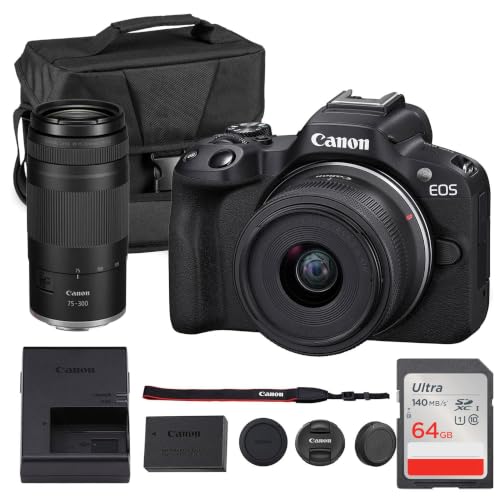
Step One: How Far Away Will the Animal Be?
Before you compare a single specification, stand where you will actually shoot and notice how small the animal looks. That one honest look decides your camera class more than any score or chart, because lens reach is the most expensive line in this hobby and the hardest one to fix later. A body can be replaced in a few years, while the long lens you buy for it tends to stay in the bag for a decade.
Pets, Farm Animals and Zoo Animals Up Close
Enclosures, gardens and living rooms put you close to the subject, and close subjects forgive short lenses. A modest zoom that covers everyday distances is enough glass for a cat on a windowsill or a goat at a fence, so your money works harder when it goes toward a brighter lens and quick focusing instead of raw reach. Eye detection for animals, now common across camera classes, earns its keep here because pets rarely sit still and pose. Indoor light is usually the real limit, so a lens that lets in more light beats a longer lens that leaves you raising the sensitivity and smearing fur detail with noise.
Wild Animals That Keep Their Distance
Truly wild subjects set the terms, and the terms are distance. A heron, fox or deer will not let you stroll closer because your lens is short, so reach decides whether the animal fills the frame or sits as a small shape in the middle of it. This is telephoto territory, where lenses are long, heavy and priced accordingly, and where a support such as a monopod stops being an accessory and becomes part of the kit.
Some listings sold as best animal cameras are actually trail cameras that sit on a tree and trigger themselves. Those are fine tools for learning what visits your land at night, but they are not cameras you aim, so they sit outside the classes this guide compares.
Why Cropping Is Not Free Reach
Every beginner hears the same shortcut: buy a high resolution sensor and crop the picture later. Cropping does enlarge the subject on screen, but it throws away pixels and magnifies noise, shaky technique and lens softness along with the animal. Treat it as an emergency salvage tool, not a buying plan.
If your subject needs more reach, the honest answers are a longer lens, a smaller sensor that multiplies the reach of the lens you have, or getting closer through patience and fieldcraft. No menu setting changes that arithmetic.
The Specs That Earn Their Money
Whatever your distance turns out to be, the best cameras for animal photography share a short list of traits that decide results in the field. Work through them in this order and you will rarely regret a purchase.
Autofocus That Finds the Eye and Holds On
Modern cameras can recognize animals and lock onto an eye, and when it works it feels like cheating. It works best on clean backgrounds in decent light, so be honest about the limits: subject detection misses in tangled brush, against backlight, and at dusk, and every brand measures and names its system differently, which makes the figures impossible to compare across makers. What matters more than the badge is whether the camera lets you grab focus with a single point quickly when the automatic system hunts. Buy for that fallback as much as for the detection itself.
Shutter Speed and Burst Shooting for Movement
Animals move in bursts, and a camera that fires a fast sequence gives you the one frame where the ears, eyes and expression line up. Look at frames per second, but also at the buffer, because a camera that shoots quickly for half a second and then stalls will miss the second half of the action. Electronic shutters shoot silently and fast, yet they can bend fast moving legs or wings in odd ways, so a mechanical shutter option still matters for running and flying subjects. Cards fast enough to clear the buffer are part of this cost, not an afterthought.
Sensor Size and What It Buys at Dawn and Dusk
Animals are most active when the light is worst, and sensor size shapes what you can do then. A crop sensor multiplies the reach of every lens, which is why so many wildlife shooters choose it on purpose, and its smaller lenses keep the whole kit carryable. A full frame sensor gathers more light and stays cleaner at high sensitivity settings, which helps in barns, woods and evening light.
More megapixels are not automatically better: what counts is how much clean detail the sensor delivers at the sensitivity you actually use. Makers measure and quote these numbers their own way, so treat them as rough guides within one brand, not as a league table across brands.
Weather Sealing Only Counts as a Matched Set
A body advertised as weather sealed only keeps that promise when the lens on it is sealed too, because the mount is where water gets in. Sealing is also graded in vague language with no shared standard behind it, so read it as splash resistance, not permission to shoot in a downpour. A simple rain cover costs little and protects far more than most sealing claims. Dust matters as well if you shoot around arenas, barns or dry trails, and a sealed kit saves you the slow grit that wears dials and rings.
The Main Camera Classes, Side by Side
This page stays with animals. Readers weighing one camera for people, travel and everyday scenes as well should see our guide to the best cameras for photography, because the priorities there are different. For animals, four classes cover nearly every buyer, and the product table above summarizes how they stack up.
| Camera class | Reach in practice | Carry weight | Best suited to |
|---|---|---|---|
| Compact travel zoom | Moderate zoom in a pocket size body | Very light | Zoo visits and pets on trips |
| Bridge camera | Very long fixed zoom, often the most reach per dollar | Light to medium | Distant wildlife on a tight budget |
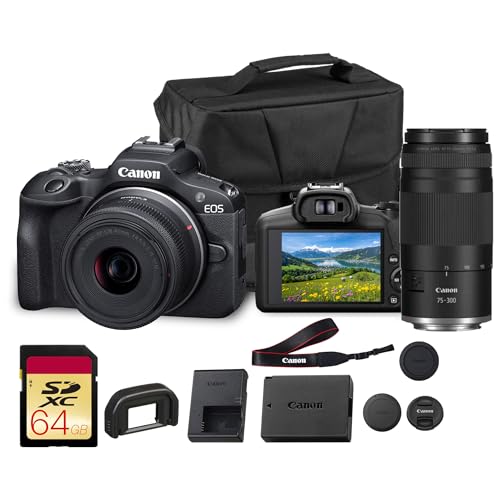
| Crop sensor mirrorless | Long telephoto zooms gain extra reach from the smaller sensor | Medium | Serious hobby wildlife work |
| Full frame mirrorless | Long telephoto lenses with the strongest low light results | Heavy | Dawn, dusk and large print work |
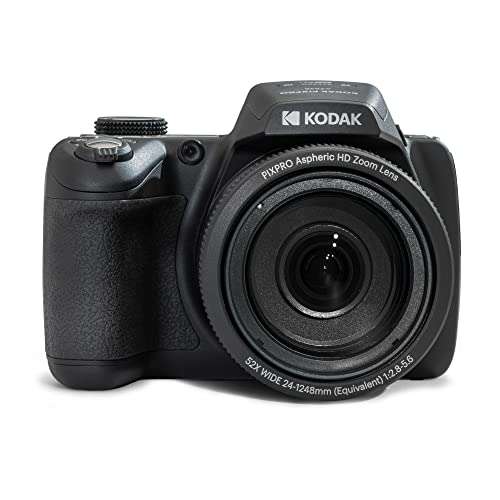
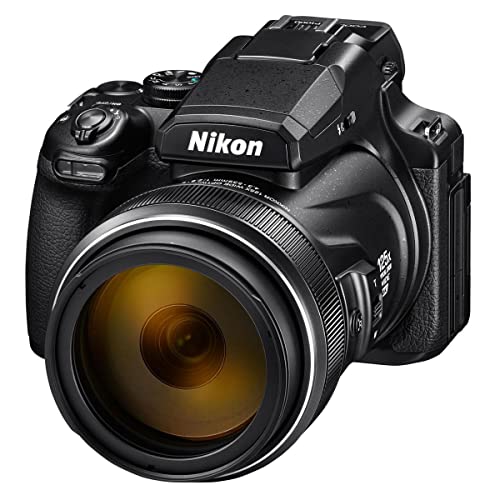
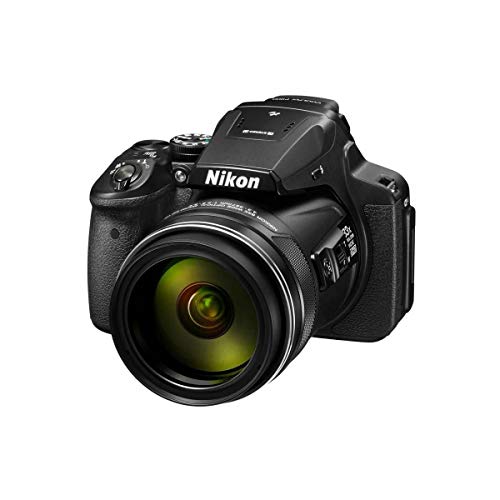
Bridge cameras deserve a fair word, because their fixed lenses reach distances that would cost several times more in an interchangeable lens system, and the whole kit fits in one small bag. Their smaller sensors struggle as the light fades, which is the trade you accept. Film, meanwhile, remains a small and deliberate niche: the best film photography cameras reward patience and craft, but manual focus and waiting days to see a frame make film a hard first tool for animals that will not repeat a pose.
The Used Route: Where the Budget Telephoto Lives
Here is the honest budget door in this hobby: lenses hold their value and their usefulness far longer than bodies, so a used telephoto from a few seasons ago often outperforms a new kit lens at the same money. Camera technology moves quickly, which pushes capable older bodies onto the used market at friendly prices, and animals do not care which season your camera came from. If this is your first camera of any kind, the wider advice in our guide to best beginning photography cameras covers controls and learning features worth having. The animal specific shortcut is simpler: put most of the budget in the lens, buy the body that your remaining money covers, and upgrade the body later.
Buy used with your eyes open. Choose sellers who accept returns, check that the lens mount matches the body you own or plan to own, and ask about the shutter count on a used body the way you would ask about mileage on a car. A lens with clean glass, smooth rings and a working focus motor is worth more than a newer bargain with problems you cannot see in a listing photo.
Mistakes That Waste Money
- Buying reach before weighing the kit, then leaving the heavy lens at home where it takes no pictures at all.
- Trusting digital zoom figures on a box, which crop and enlarge the image instead of adding real optical reach.
- Assuming a weather sealed body makes the whole kit sealed, while the unsealed lens on it lets water in at the mount.
- Paying for megapixels instead of glass, even though the lens decides sharpness long before the sensor count does.
- Spending the whole budget on the body and lens, then having nothing left for the spare battery and fast cards the camera needs.
Keeping the Kit Ready Season After Season
Animal work is hard on gear, so a few habits protect the investment. Wipe lenses with a proper cloth rather than a shirt, because grit on fabric scratches coatings over time. Store the kit in a dry, padded bag away from damp corners, and let a wet camera dry slowly at room temperature instead of sealing it into a bag while it is still soaked.
Carry a spare battery, since cold mornings drain packs faster than the gauge suggests. Finally, update the camera firmware when the maker releases it, because focusing improvements for animal detection often arrive that way rather than in a new body.
Animal Photography Questions Answered
Can I photograph wildlife with the camera I already own?
Yes, in most cases you can start with the camera you already own and learn what it cannot do before spending anything. Work the close subjects first, such as zoo animals, garden birds at a feeder and pets, where modest reach is enough. If you want a taste of real telephoto work first, renting a long lens for one weekend costs a fraction of buying one and tells you more about your patience and interest than any specification sheet can.
Is a bridge camera or an interchangeable lens camera better for animals?
A bridge camera is better if your budget is fixed and your subjects are distant, because it delivers the longest reach per dollar in one light package. An interchangeable lens camera is better if you expect the hobby to grow, because you can upgrade the lens first and the body later, and used lenses keep the cost of growing reasonable. The deciding question is whether you want a finished kit now or a system you can build on over several years.
What does the zoom number on the box really tell me?
The zoom number on the box tells you the ratio between the shortest and longest settings, not how far the lens actually reaches. A lens can carry a big ratio and still end at a modest distance, so compare the longest focal length instead, stated in millimeters, and on smaller sensors remember the reach feels longer than the number suggests. Ignore digital zoom claims entirely. They describe cropping done inside the camera, which you can always do yourself later with better judgment.
Do I need a tripod for animal photography?
You need support more than you need a tripod specifically. Long lenses amplify every tremor in your hands, and a monopod takes the weight off your arms while still letting you swing the lens to follow movement, which suits active subjects. A tripod earns its place when you wait in one spot for animals to come to you, such as at a water hole or a nest site viewed from a respectful distance. Match the support to how you actually shoot rather than buying the heaviest legs available.
What should I check first when buying a used telephoto lens?
Check the glass first by shining a small light through the lens and looking for fungus, haze or scratches that a listing photo can hide. Work the zoom and focus rings through their full travel, since stiffness or grinding points to wear that cleaning cannot fix. Mount the lens on your own body if you can and fire frames at near and far subjects to confirm the focus motor behaves. A short return window from the seller is worth paying slightly more for.
Final Thoughts
Everything in this guide comes back to three decisions: how far away your animals are, how much weight you will honestly carry, and whether the lens budget outweighs the body budget, as it should. Get those right and almost any current camera class will serve you well. Use the product table above to compare the classes against your answers, and choose the best cameras for animal photography setup that fits the subjects in front of you rather than the ones in an advertisement.


