
Best Animal Cameras: Trail and Wildlife Cameras for 2026
Disclosure: We may earn a commission when you buy through links on this page, at no extra cost to you. As an Amazon Associate I earn from qualifying purchases. Learn more

A practical guide to the best animal cameras: standard, WiFi, cellular and solar trail cameras, key specs and where to mount them.
Animals rarely perform when you are watching, which is why the best animal cameras for most people are motion triggered wildlife cameras, also called trail cameras. Strapped to a tree or post, they photograph deer, birds, foxes, raccoons and backyard visitors day and night, then store the pictures for you to review later. This guide explains the main camera types, the specs that matter and how to place them. Compare current models in the product table as you read.
Choosing well saves batteries, memory cards and frustration, because a camera with a slow trigger or poor night images records plenty of empty frames.
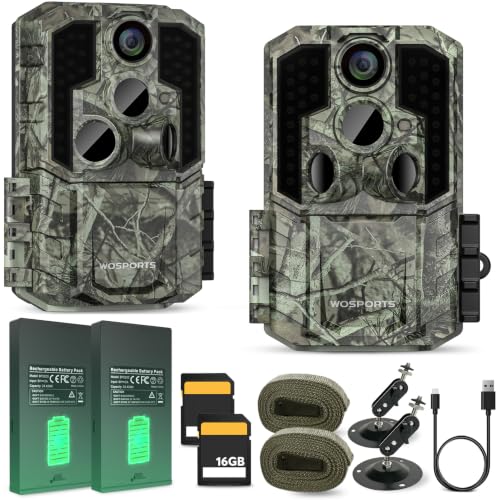

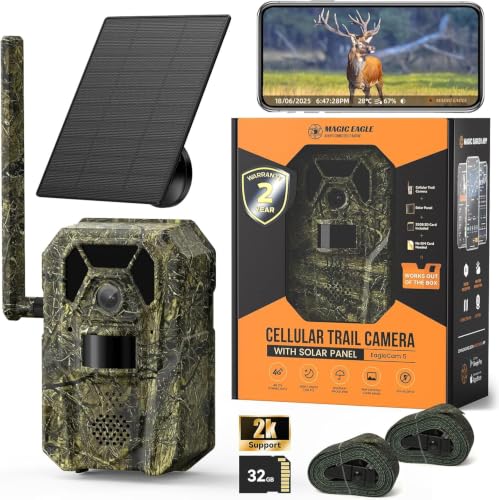
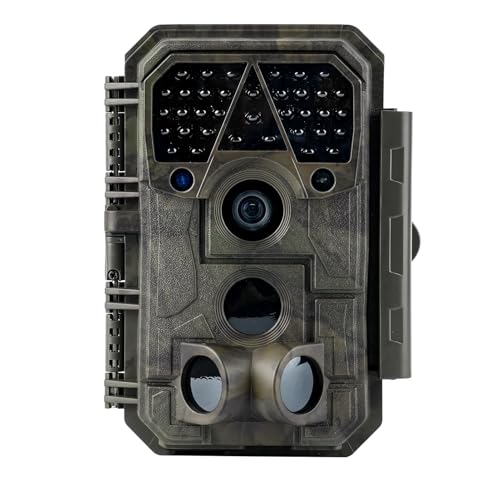
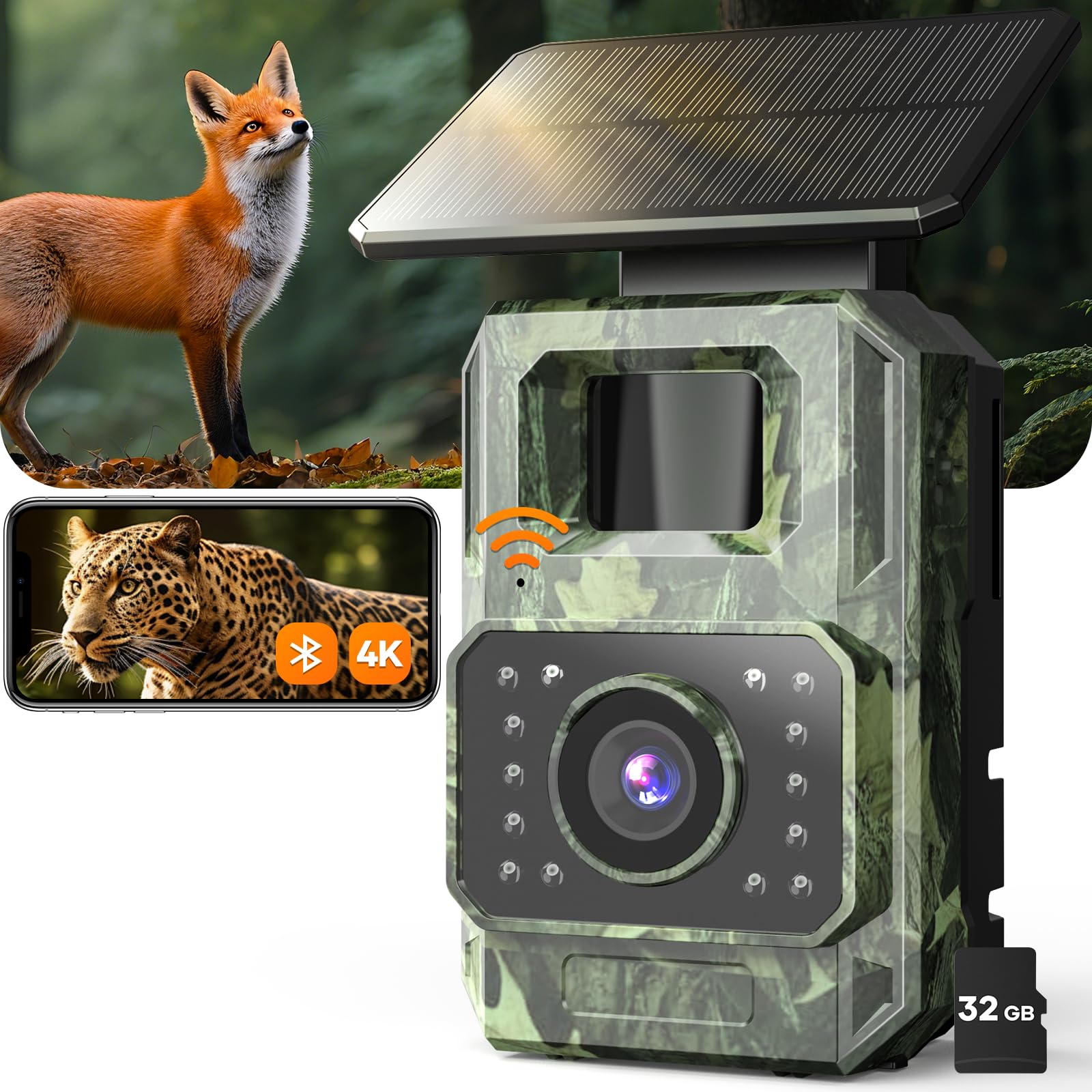
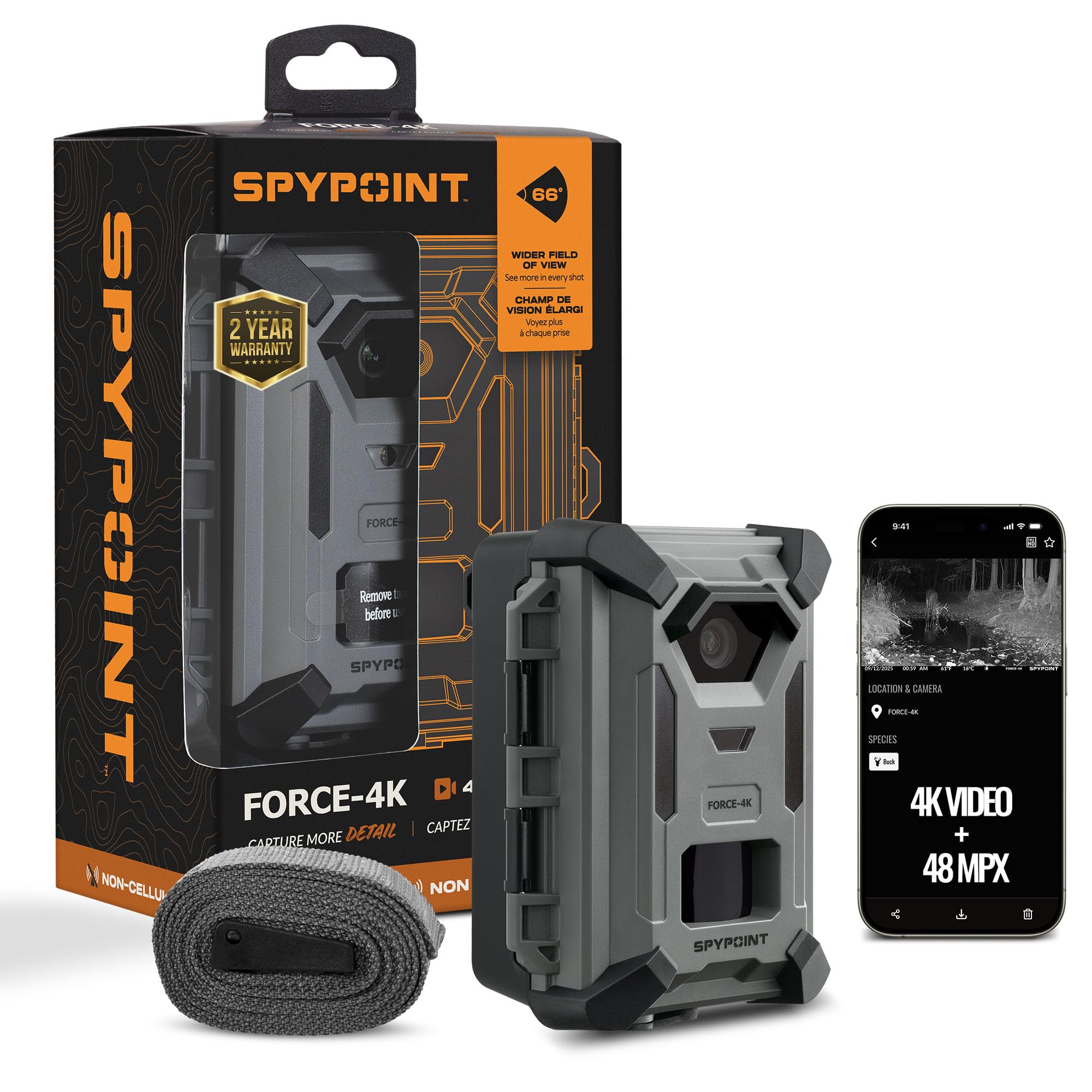
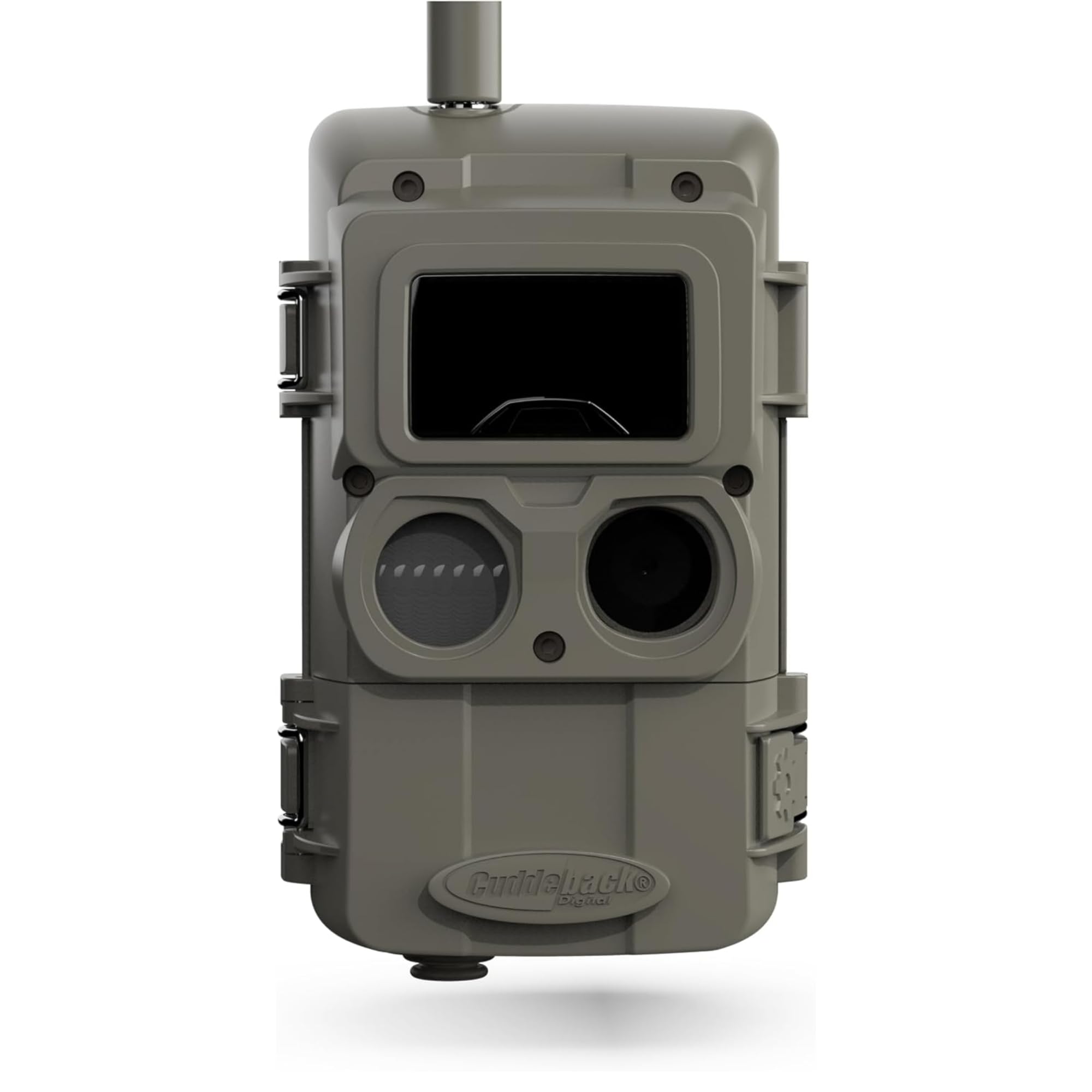

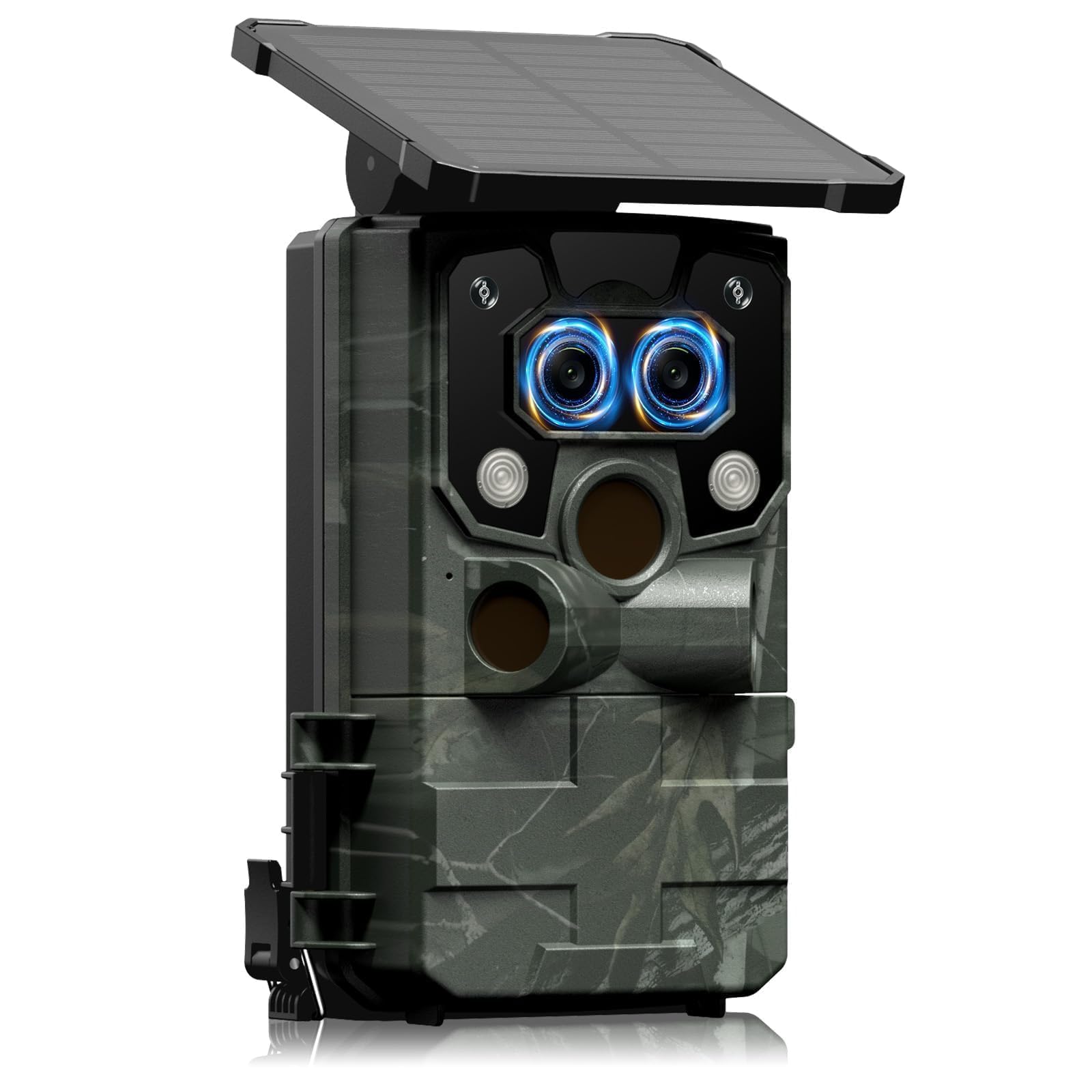
Types of Animal Cameras Compared
Standard Non Cellular Cameras
These cameras save photos and video to an SD card. You visit the camera, pull the card and review the images at home. They are the cheapest, work anywhere and need no subscription, so they suit most backyards and hunting areas.
WiFi and Bluetooth Cameras
These models connect to your phone when you are within range, so you can check settings and view images without removing the card. They save time in your yard or near a cabin, but the connection only works close by.
Cellular Cameras
Cellular models send photos to your phone through a mobile network, letting you watch remote areas from home. They cost more and usually need a data plan, and they need a signal where the camera sits.
Solar Powered Cameras
A small solar panel tops up the battery, which cuts how often you visit. They are handy for long term monitoring or places that are hard to reach, as long as the panel gets sunlight.
Key Specs to Compare
Trigger Speed and Detection Range
Trigger speed is how fast the camera snaps a photo once it senses motion. A fast trigger, around 0.3 seconds or less, catches animals walking in. Detection range, often 60 to 100 feet, decides how far away the sensor notices movement.
Night Vision and Flash Type
Infrared flash is invisible to most animals and gives black and white night images. No glow models hide the flash completely, low glow models show a faint red light, and white flash gives color night photos but can spook animals. Pick based on whether you value stealth or image quality.
Image and Video Quality
Megapixel claims are often interpolated, so focus on a clear lens, good sensor and a stable video mode. 1080p video is enough for most uses, and higher resolution helps for identification. Sound recording adds interest to clips.
Battery Life
Cameras run on AA batteries or a rechargeable pack. Lithium AA cells last longer in cold weather, and low power standby modes can stretch a set to months. Battery life drops when the camera takes many videos or uses a bright flash.
Storage and Durability
Check the maximum SD card size and make sure the case is rated for rain and dust. A lockable housing and a strap or lock cable help prevent theft in public areas.
Who Should Buy Which Type
Backyard Wildlife Watchers
A WiFi or standard camera with a fast trigger and decent night images is enough. Place it near a feeder or water source and check it weekly. For live viewing, our guide to the best live animal cameras may fit better.
Hunters and Land Managers
Cellular and solar models help you scout remote land without disturbing it. Choose no glow flash, strong battery life and a reliable signal.
Pet and Property Monitoring
If you want to see what visits your garden or barn, a small compact camera with motion alerts works well. Choose weatherproof construction and a mount that fits a post or fence.
Placement and Setup Tips
Mount the camera about knee to chest height, facing north or south so the sun does not trigger it or wash out the image. Clear branches and tall grass in front of the lens to avoid false triggers. Angle the camera slightly downward on slopes, and use fresh batteries and a formatted card.
Check the camera after a few days to adjust the view, then move it if it misses animals. For general photography, see our guides to the best cameras for animal photography and the best digital cameras.
Common Mistakes to Avoid
- Pointing the camera at moving branches or the sunrise, which fills the card with empty photos.
- Using weak batteries that die in cold weather.
- Choosing a white flash where animals may be startled.
- Skipping a lock or strap in areas where theft is possible.
- Forgetting to format the card before use.
Care and Maintenance
Wipe the lens and sensor with a soft cloth and keep seals clean. Remove batteries before long storage, and save photos to a computer regularly. Replace worn straps and check the housing for cracks after winter.
How to Choose the Best Animal Cameras for Your Property
Walk the area first and look for signs: tracks, trails, droppings, feeding spots and worn paths. A camera placed along a game trail or near a water source collects far more useful images than one pointed at an empty field. Choose a spot with a clear view of about 20 to 30 feet, away from moving branches.
Next, think about access. If you can visit weekly, a standard or WiFi camera is perfect. If the site is far from home, a cellular or solar model saves trips and lets you adjust your plans based on what shows up. Consider how you will carry and mount the camera, and whether a lock is needed.
Plan your storage and power. Use a quality SD card of a size the camera supports, format it before use and keep spares. Lithium AA batteries or a rechargeable pack hold up better in cold weather. The product table lists current options by price, so you can compare features quickly.
With a site, a mounting plan and a power plan in place, the best animal cameras repay you with surprising glimpses of what happens when no one is around, from midnight foxes to early morning deer.
Quick Buyer Checklist
Run through this list before you order.
- Is the trigger speed fast, at 0.3 seconds or less?
- Does the flash type match your goal: no glow for stealth or white flash for color?
- Will the battery and SD card last between your visits?
- Is the housing weatherproof and lockable?
Frequently Asked Questions
Do animal cameras need WiFi?
No. Standard models store to an SD card, while WiFi and cellular models add remote viewing.
How long do batteries last?
Weeks to months depending on settings, temperature and use. Lithium batteries last longest in cold weather.
Will the flash scare animals?
Infrared flash is hard for most animals to notice, and no glow models are the least visible.
How high should I mount the camera?
Around knee to chest height for medium animals, higher for larger ones, angled slightly down.
Can I use one for security?
You can, but a dedicated security camera is better for constant monitoring and alerts.
Final Thoughts
Pick a type that matches your location, then check trigger speed, flash type and battery life. Use the product table to compare current models. The right choice among the best animal cameras gives you clear photos of wildlife you would otherwise never see.


