
Best Cameras for African Safari Made Simple: A Clear Buying Guide for 2026
Disclosure: We may earn a commission when you buy through links on this page, at no extra cost to you. As an Amazon Associate I earn from qualifying purchases. Learn more
Compare the best safari cameras for an African trip by zoom, sensor, autofocus and weather sealing, with a simple checklist for first time buyers.
Buying your first safari camera can feel confusing, because wildlife sits far away, light changes fast, and dust gets everywhere. This guide explains the best cameras for african safari in plain language, starting with the basics and moving toward a confident choice. You do not need professional experience to get sharp photos of elephants, lions, and giraffes.
Start by thinking about how close your vehicle can legally get to animals. Reach, focus speed, and comfort in your hands matter more than a long list of settings. Use the comparison table below to compare types side by side once you know which features fit your trip.



Cameras 101: The Basics for Your First Safari
A digital camera records light through a lens onto a sensor, then saves the image to a memory card. A larger sensor usually gathers more light, while a longer lens makes distant animals appear larger. If you are new to photography, see our guide to the best digital cameras for a broader look at camera types.
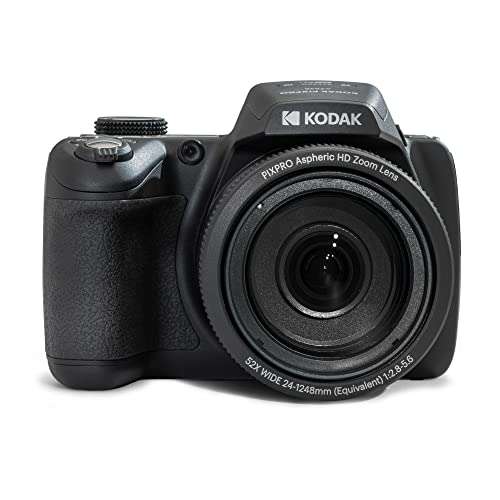
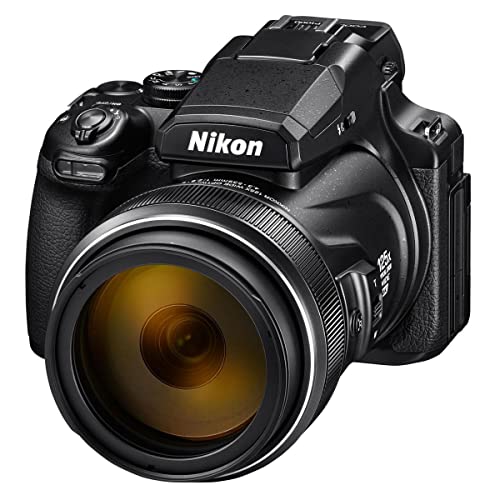
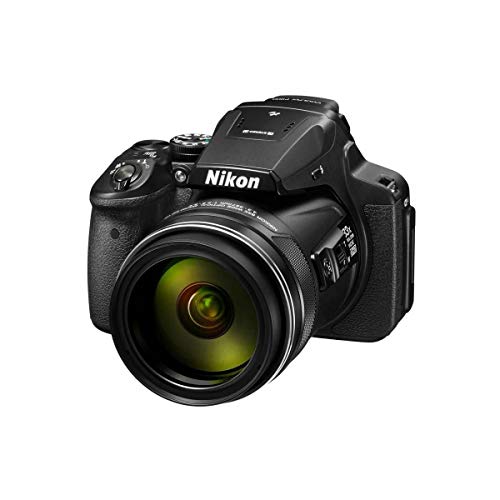
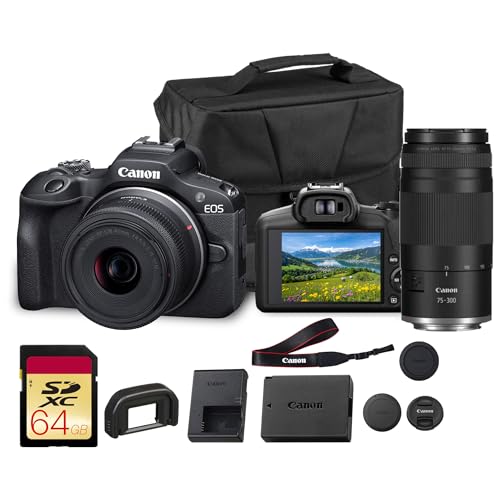
Three types suit a safari. Compact cameras with a fixed long zoom lens are simple and light. Mirrorless cameras with interchangeable lenses cost more but grow with your skills. Bridge cameras sit between them, offering very long zoom with no lens changes in dusty air.
Who Should Buy a Safari Camera
Matching the camera to your group balances weight, cost, and learning time.
First Time Safari Guests Who Want More Than a Phone
You want clear photos of animals that a phone would render as tiny shapes. A bridge camera or a compact long zoom model suits you well, because the lens is built in and automatic modes handle exposure while you watch the scene. You can focus on the guide and the moment instead of menus.
Families Sharing One Camera on Game Drives
When several people pass one camera around a vehicle, simple controls and a tilting screen help everyone get a turn. Choose clear automatic settings, a grip that suits different hand sizes, and image stabilization for excited hands. A shared camera also needs a tough strap and a battery that lasts a full day.
Travelers Planning More Wildlife Trips After This One
If this safari starts a longer hobby, a mirrorless body with interchangeable lenses rewards the extra cost and weight. You can begin with one telephoto lens and add options later. Readers comparing that route can also see our guide to the best cameras for safari for a wider view of the category.
Key Features to Compare
Only a handful of specs decide your safari results. The best cameras for african safari tend to balance long reach, fast focus, and protection from dust rather than winning on any single number.
Lens and Zoom Reach for Distant Wildlife
Reach is the first feature to check, because safari vehicles stay on tracks and animals choose their own distance. Look for a lens that reaches about 300 mm to 600 mm in full frame terms, or a compact camera with strong optical zoom. Optical zoom uses real glass to magnify the scene, so detail stays crisp. Digital zoom only crops the image, so files lose detail fast. A wider end near 24 mm still helps for landscapes and elephants that wander close.
Sensor Size and Image Quality in Early Light
Game drives start near dawn, when light is soft and animals are active, so sensor size shapes your results. A 1 inch sensor in a premium compact handles shade well. APS C sensors in mirrorless cameras gather more light and keep fur texture clean at higher sensitivity settings. Full frame sensors perform best in dim light but add cost and heavier lenses. Megapixels matter less than many buyers expect, because 20 megapixels already allow large prints and sensible cropping.
Autofocus, Burst Speed, and Image Stabilization
Animals move without warning, so autofocus must lock on quickly and follow a subject through grass and branches. Animal eye detection helps when it is offered, because a sharp eye makes the whole portrait feel alive. A burst rate of about 10 frames per second gives you several chances at a yawn or a bird taking flight. Image stabilization steadies the lens at long zoom, which matters in a vehicle where everyone shifts at once and engines vibrate at idle.
Weather Sealing and Dust Resistance on Safari Roads
Safari dust is fine, dry, and persistent, and it drifts through open vehicles all day. Weather sealed bodies and lenses resist that dust and shrug off light rain. Sealing is never total protection, so treat it as a safety margin rather than permission to leave gear uncovered. Fixed lens cameras have an advantage here, because no lens change ever exposes the sensor. If you do swap lenses, do it inside the vehicle with openings facing down.
Size, Weight, and Ease of Use While Traveling
Your camera must survive baggage limits, long drives, and hours of holding at the ready. A kit that feels fine in a shop can tire your arms by the third hour on rough roads. Simple menus, a good grip, and clear dials matter more than deep custom settings for most first time buyers. Phone transfer through an app is worth having, because you can share a favorite shot at dinner without packing a laptop.
Getting Started: Setup and First Use on Safari
Before you travel, charge every battery, format your memory cards in the camera, and set the date and time for your destination. Practice at home with pets or birds so focus and zoom feel familiar. Readers who want to deepen their technique can see our guide to the best cameras for safari photography for composition ideas.
- Set image quality to the largest JPEG option, or RAW plus JPEG if you plan to edit.
- Turn on image stabilization and animal eye detection if your camera offers them.
- Choose continuous autofocus and a burst drive mode for moving animals.
- Pack a spare battery, a spare card, and a soft lens cloth in your day bag.
- Use a bean bag on the vehicle rail to steady long zoom shots.
Many guests spot animals first with binoculars, then lift the camera once the subject settles. If that habit appeals to you, see our guide to the best binoculars for african safari.
Common Mistakes to Avoid
- Buying on megapixels alone leaves you with plenty of resolution but too little reach for distant animals.
- Trusting digital zoom crops away detail, so your leopard photo turns soft and grainy at home.
- Changing lenses in open dusty air coats the sensor, and every later photo shows the same dark spots.
- Packing one battery and one card risks a dead camera during the best sighting of the trip.
- Waiting until the safari to learn your camera means you miss moments while hunting through menus.
Care and Maintenance for Safari Cameras
Clean your lens with a soft lens cloth, never your shirt, because gritty dust on fabric can scratch the glass coating. Use a hand blower each evening to clear dust from dials and the lens barrel. Keep the camera in a sealed bag inside the vehicle when roads turn especially dusty.
Back up your cards each evening and store copies in separate bags. At home, keep the camera dry with the lens cap on, and check strap screws before your next trip.
Safari Camera Questions, Answered Plainly
What features matter most in cameras for African safari trips?
Reach, autofocus, and dust resistance matter most on a safari. A long lens brings distant animals close, fast focus keeps them sharp as they move, and sealing protects the camera on open roads. One point many beginners miss is sound: a quiet shutter disturbs resting animals less, so check for a silent shooting mode before you buy.
What focal length does a safari camera need for distant wildlife?
Most beginners do well with reach of about 300 mm to 600 mm in full frame terms. Around 300 mm suits large animals at moderate distance, while 500 mm to 600 mm helps with birds and shy species. Renting a longer lens for one trip is a smart middle path, because rental lets you try the weight before spending heavily on glass you may rarely use at home.
What specs matter most for beginners buying a safari camera?
Beginners should rank ease of use first, then reach, then autofocus. A camera you understand beats a complex model left on the wrong setting, so clear automatic modes carry real value. Also check the screen in bright sun before you travel: a viewfinder stays readable at midday, while a rear screen alone can wash out and slow your framing.
How much should I spend on my first safari camera?
A sensible first budget is about $400 to $1,500 for the camera or kit, depending on type. Compact and bridge models sit near the lower end, while a mirrorless body with a telephoto lens moves higher. Leave room for a spare battery, fast memory cards, and a padded bag, because those small items protect the main purchase and often get forgotten.
Is a smartphone enough instead of a safari camera?
A smartphone is enough for scenery, camp life, and animals that come very close to the vehicle. It falls short for distant wildlife, because its zoom crops a small sensor image and fine detail in fur and feathers disappears. Many travelers carry both: the phone for quick shares at the lodge, and the camera for game drives.
Which safari camera type is better for low light at dawn?
A mirrorless camera with an APS C or full frame sensor is better for low light at dawn. Its larger sensor keeps noise lower as sensitivity rises, so early elephants and hunting cats stay cleaner. A bright lens aperture helps too, because it lets in more light at the same shutter speed. Bridge cameras still work at dawn, but expect softer results.
Final Thoughts
Choose reach first, then focus speed, then comfort in your hands, and your first safari becomes far easier to photograph well. Match the type to your group, practice before you fly, and protect your gear from dust. When you are ready, the best cameras for african safari for you are the ones you can carry and use without hesitation, so revisit the product table above and pick the type that fits your trip.


