
Best Cameras for Aesthetic Photography in 2026: What Actually Matters Before You Buy
Disclosure: We may earn a commission when you buy through links on this page, at no extra cost to you. As an Amazon Associate I earn from qualifying purchases. Learn more

Compare cameras for aesthetic photography by sensor, color look, lens aperture and controls, with a buyer checklist, red flags and simple care tips.
An aesthetic photo is less about sharpness alone and more about mood. Color, light, background blur and grain shape how an image feels. The best cameras for aesthetic photography give you control over that look without slowing you down. Use this checklist, then check your shortlist against the comparison table below.
Start with the style you love most. Soft portraits, warm travel scenes and quiet street images each ask for different lenses, sensors and controls. The sections below match those styles to the traits that create them, so you spend on what changes your pictures.


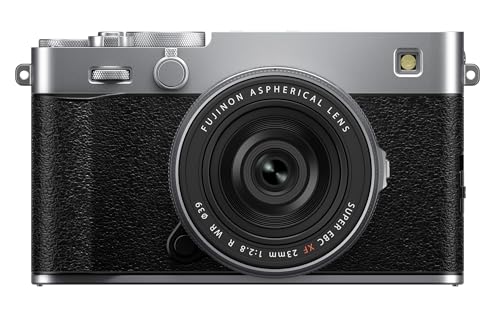
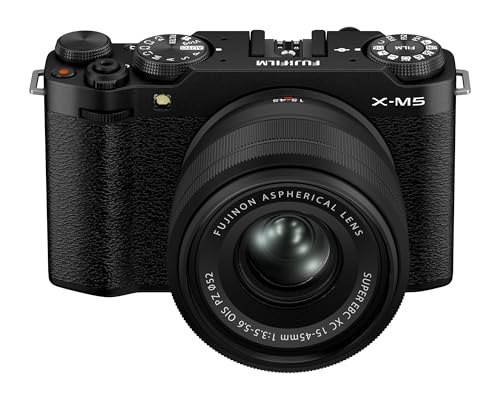
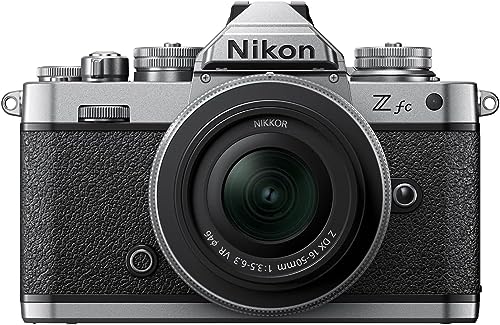


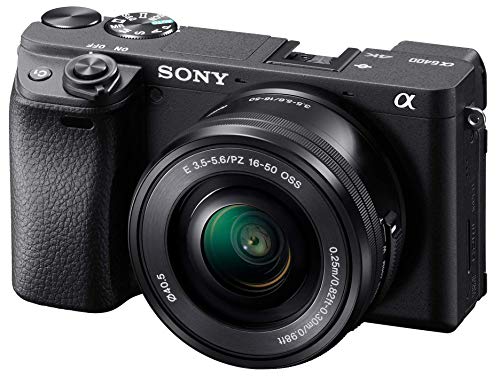


Who Should Buy Which Camera for an Aesthetic Look?
Pick by the images you want to make each week. Your subject, light and patience for editing point you to different cameras.
Portrait and Lifestyle Creators Who Love Soft Backgrounds
You shoot people near windows, in cafes and outdoors at golden hour. Choose a camera that accepts fast prime lenses, because a wide aperture melts backgrounds and keeps attention on your subject. Reliable eye autofocus matters too, since a portrait fails when focus lands on an ear. If you are still learning, see our guide to the best beginning photography cameras.
Travel and Street Photographers Who Want Mood on the Move
You work fast in changing light and you carry your camera all day. Choose a compact body with a bright zoom or a versatile prime, plus image stabilization for slower shutter speeds at dusk. A tilting screen helps you frame candid scenes without drawing attention. Small size is a real feature, because a camera left at the hotel takes no pictures.
Creators Who Want a Finished Look With Little Editing
You post often and you prefer color that looks right straight from the camera. Choose strong built in color profiles or film simulations, a screen you trust for judging tone, and fast phone transfer. You give up some editing freedom when you shoot only JPEG files, so pick a camera that also saves raw files for shots you later want to rework.
Key Features to Compare
Compare these factors in order. When you shop for the best cameras for aesthetic photography, the lens and the color look matter more than video modes. See our guide to the best cameras for photography for a wider view.
Sensor Size and Image Quality for Aesthetic Photography
Sensor size shapes depth, low light quality and dynamic range. A 1 inch sensor suits a small travel camera and still beats a phone in dim rooms. APS C sensors balance size, price and background blur for most creators. Full frame sensors gather the most light and give the shallowest depth, but bodies and lenses grow larger and cost more. Megapixel count matters less than listings suggest. About 20 to 30 megapixels is plenty for prints, and clean files at high ISO settings matter more for evening work.
Lens Choice and Aperture for Aesthetic Photography
The lens draws the picture more than the body does. A prime lens with an aperture around f1.4 to f2 gives soft blur and works in shade, while a zoom lens with a range like 24 to 70 mm covers travel scenes with less swapping. Interchangeable lens cameras let your look grow, because you can add a portrait lens later. Fixed lens cameras keep things simple and light. Check closest focus distance too if you love detail shots of food or flowers.
Color Profiles and the Look Straight From the Camera
Color science decides if skin looks warm or flat and if greens feel rich or neon. Look for built in profiles or film simulations you can tune for contrast, saturation and grain. Check sample galleries in the light you shoot most, because a profile that flatters noon sun can turn muddy indoors. See our guide to the best aesthetic cameras when color tops your list.
Autofocus and Stabilization for Aesthetic Photography
Eye autofocus keeps portraits sharp at wide apertures, where the sharp zone is thin. Subject detection also helps with moving children, pets and street scenes. In body image stabilization steadies the camera at slow shutter speeds, which suits dusk streets. Stabilization cannot freeze a moving subject, though, so you still need a fast shutter speed for people on the move.
Controls, Size and Battery Life for Aesthetic Photography
Dials for aperture, shutter speed and exposure compensation invite you to shape light by hand. A touch screen alone can feel slow in bright sun, where an electronic viewfinder helps. Expect about 300 to 500 shots per charge from many mirrorless models, and choose USB C charging if you travel with a power bank. Grip shape decides comfort more than weight on paper.
Camera Types Compared for an Aesthetic Look
Three broad types cover most aesthetic styles, and each trades size, control and cost in a different way.
Mirrorless Cameras With Interchangeable Lenses
This type gives you the widest choice of looks, because lenses change the image more than settings do. Start with one bright prime or a standard zoom, and add glass only when a gap shows in your work. The cost is bulk and higher total spend over time, since bags and second lenses add up.
Compact Cameras With a Fixed Lens
A premium compact keeps one good lens, a larger sensor than a phone and real manual controls in a pocket size body. It suits travel and street work where attention matters. Optical zoom on some models covers portraits and distant details, while others fix one wide view. You accept the single lens as a creative limit, and many photographers find that limit sharpens their eye.
Film and Instant Cameras for a Slower Aesthetic
Film brings grain, softer color and a slower pace that many aesthetic feeds try to copy with filters. Instant cameras trade control for a physical print you can hand to a friend. Film and development add cost to every frame, so many shooters use film for personal projects and digital for client work. If that pace appeals to you, see our guide to the best film photography cameras.
Before You Order: Final Checks for Your Aesthetic Style
Answer each question before you pay. A no should make you pause.
- Does the camera accept the lens or focal length your style needs most?
- Do sample images in your usual light show color you actually like?
- Can you reach aperture and exposure controls without menu diving?
- Is the camera light enough that you will carry it on a normal day?
- Does autofocus track eyes at the widest aperture you plan to use?
- Can the camera record 4K video if your aesthetic work includes clips?
- Is the total cost, with a lens and a spare battery, inside your budget?
Common Mistakes to Avoid
- Buying for megapixels alone leaves you with sharp files that still lack the color and depth you wanted.
- Choosing a body before a lens starves the budget for the part that shapes the look most.
- Ignoring weather sealing risks a ruined shoot when drizzle starts during an outdoor session.
- Paying for high frame rates wastes money if you shoot still portraits and quiet scenes.
- Trusting heavy sample edits misleads you about the color the camera makes on its own.
- Skipping the grip test can leave you with a camera that cramps your hand on long walks.
Setup and Care Tips for Aesthetic Cameras
Set your camera up for the look before the first outing. Pick one color profile, set raw plus JPEG saving, and assign exposure compensation to a dial you can reach. Shoot the same scene with each profile at home first. Carry a spare battery, because good light rarely waits.
Clean the lens with a lens cloth, not your shirt, since grit in fabric can scratch coatings. Store the camera in a dry padded bag away from steam and heat. Wipe the body after beach or rain shoots, and let everything dry fully before you close the bag.
FAQ
What features matter most in a camera for aesthetic photography if you hate editing?
Color profiles and metering matter most if you hate editing. A camera with pleasing JPEG color and a screen that matches the final file saves hours each month. One fresh point is workflow: enable Wi Fi transfer and consistent file naming, so favorite frames reach your phone in order and you post the right version.
Is a smartphone enough instead of a camera for aesthetic photography?
A smartphone is enough for bright daylight posts and casual sharing. Its small sensor limits background blur to software tricks, and those tricks can cut hair and glasses badly. A dedicated camera earns its cost when you shoot in dim rooms, print your work or want one look across a full set of images.
What specs matter most for beginners choosing a camera for aesthetic photography?
A beginner should value a helpful auto mode, clear menus and one good lens over raw spec peaks. Look for guided help that explains settings on screen, plus room for manual control later. Budget for a photo walk as well, because seeing how light direction changes a portrait teaches more than a second accessory.
How much should you spend on a first camera for aesthetic photography?
Most first buyers do well at about $400 to $900 for a body with one lens. Spend the larger share on the lens if you must choose, since you will keep it after a later body upgrade. Keep some budget for a bag, a spare battery and cards.
Which camera type is better for low light aesthetic photography?
A larger sensor camera with a bright prime lens is better for low light aesthetic work. Candles, neon and window light reward a wide aperture and clean high ISO files. One extra trick helps any type: place your subject near the light source instead of raising ISO settings, because closer light is softer and cleaner.
Our Verdict
Choose the camera that makes your favorite look easy. Sensor size and lens aperture shape depth and low light results, color profiles decide the mood, and handling decides if the camera leaves the house. Match those three to your style, then use the product table above to check price and size.
When you compare best cameras for aesthetic photography with that order in mind, the right choice gets clear fast. Buy the simplest camera that gives you the look you love.


