The Best Aesthetic Cameras: Buying Guide for 2026
Disclosure: We may earn a commission when you buy through links on this page, at no extra cost to you. As an Amazon Associate I earn from qualifying purchases. Learn more

Learn how to choose the best aesthetic cameras by comparing sensor size, classic design, lenses, controls, and build quality before you buy today.
An aesthetic camera earns its place twice. It has to make photos you are proud to share, and it has to look and feel good enough that you actually carry it. Choosing the best aesthetic cameras for your style means balancing classic design against sensor quality, lens options, and controls you can use without digging through menus. The comparison table below sums up the key specs side by side.
This guide walks you through who these cameras suit, the features that truly change your results, the main camera types, and the care habits that keep dials, leatherette, and glass in good shape.




Who Should Buy an Aesthetic Camera?
Looks are the starting point for this whole category, so think first about how the camera will appear in your life, on your desk, in your bag, and in your own content. If your main goal is the mood of the images themselves, see our guide to the best cameras for aesthetic photography for a closer look at style led shooting. The groups below cover the most common reasons people choose design forward cameras.
Creators Who Want to Look Good on Camera Too
You film yourself, pose with your gear, or shoot flat lays where the camera is part of the scene. A silver top plate, neat dials, and a tidy leatherette finish read well on video and in photos. Prioritize a flip screen and clean 4K video. A camera that photographs well as an object saves you styling effort in every shoot.
Travel and Street Photographers Who Carry All Day
You walk for hours and shoot whatever catches your eye, so the camera hangs on a strap against your hip all day. Compact size, a secure grip, and quick dials matter more to you than maximum resolution. A smaller body also draws less attention in busy streets, which helps candid work. Choose a model you can lift, set, and shoot with one hand while the other holds a coffee or a rail pass.
New Photographers Drawn In by Classic Design
You are learning, and the honest truth is that a beautiful camera makes you practice more. Physical dials for shutter speed and exposure teach you cause and effect faster than buried menu settings. If you are comparing first cameras broadly, see our guide to the best starter cameras alongside this one. Start with strong auto modes you can override gradually, and let the design pull you into daily shooting.
How to Choose the Best Aesthetic Cameras
Design gets your attention, but the factors below decide whether you still love the camera after a month of real use. Work through them in order, and use the product table above to check how each model you are considering stacks up on sensor, lens, and build.
Sensor Size and Image Quality
Sensor size shapes detail, depth, and low light ability more than megapixel count does. One inch type sensors suit truly pocketable compacts, APS C sensors balance size and quality for most buyers, and full frame sensors give the shallowest depth and cleanest high ISO files in larger bodies. More megapixels only help if you crop hard or print large. For sensor tradeoffs across all classes, see our guide to the best cameras for photography.
Lens Choice and Optical Zoom
Some aesthetic cameras have a fixed lens, while others accept interchangeable lenses that grow with you. A fixed prime lens keeps the camera slim and simple, and it often suits street and daily life framing. Optical zoom ranges, often about 3x to 10x on compacts, change framing with real glass rather than cropping, so image quality holds up. Check the aperture at the long end of the zoom, since a slow maximum aperture limits you indoors.
Autofocus, Stabilization, and Video
Modern autofocus with eye detection keeps portraits sharp even when you shoot at wide apertures for soft backgrounds. In body stabilization, often called IBIS, steadies handheld shots and smooths walking footage without a gimbal. For video, look for 4K recording and a microphone input if you narrate. Slow or hunting focus ruins the calm, deliberate feel that draws people to these cameras, so treat focus speed as a core spec, not a bonus.
Low Light Performance
Cafes, evening streets, and indoor gatherings are classic settings for this style of shooting, and they all punish weak low light performance. A fast lens rated around f/1.8 to f/2.8 gathers far more light than a kit zoom at f/4 or slower. Larger sensors hold detail and color at high ISO settings where small sensors turn grainy. Judge sample images at the ISO values you will actually use, not only at base ISO.
Battery Life, Controls, and Ease of Use
Retro styling only helps if the controls are genuinely pleasant, with firm dials, clear markings, and a menu you can learn. Check the rated shots per charge, and favor USB C charging so a power bank can rescue a long day out. WiFi transfer to your phone matters if you post quickly. Film simulation modes are also part of the appeal here, since they deliver finished looking JPEG files straight from the camera.
Size, Build Quality, and Weather Sealing
Hold the dimensions against your hand and your usual bag before you buy, because a beautiful camera that stays home earns you nothing. Metal top plates and dense dials feel very different from light plastic styled to look classic. Weather sealing with gaskets at doors and dials lets you keep shooting in light rain and dusty streets. If build quality is your top priority, compare your shortlist with our guide to the best quality cameras before you decide.
Types of Aesthetic Cameras
Three broad types cover most of this market, and each one trades size, flexibility, and price differently. If you want the full landscape of digital models first, see our guide to the best digital cameras and then come back to the style focused options here.
Instant Cameras for a True Retro Look
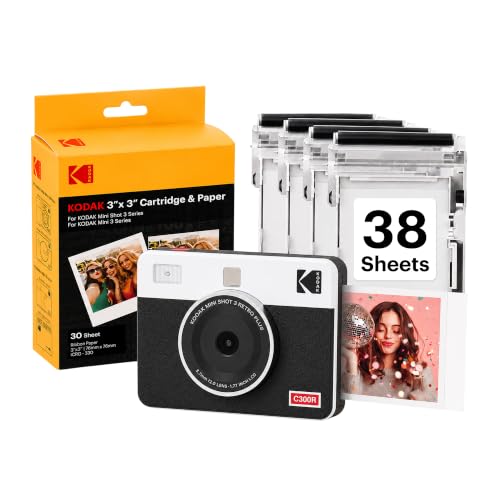
Instant cameras print a physical photo seconds after you press the shutter, and the chunky bodies and pastel or classic finishes are pure nostalgia. They suit parties, guest books, and travel journals where a keepsake matters more than file quality. Running costs are the catch, since every shot uses a sheet of film. Image control is minimal, so treat an instant camera as a joyful second camera rather than your only one.
Compact Cameras With Fixed Lenses
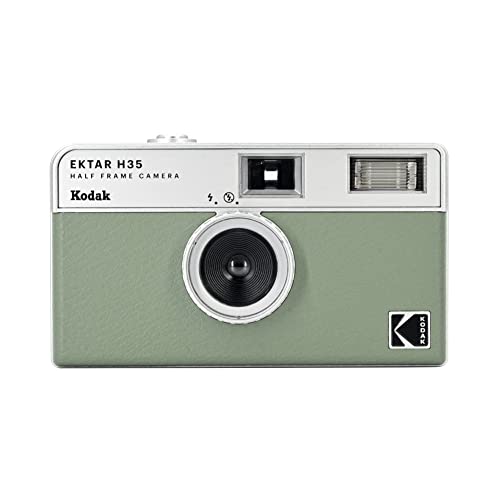
Fixed lens compacts pair a quality sensor with one carefully matched lens in a body that slips into a jacket pocket. You never change lenses, never clean sensor dust, and never hesitate over which lens to pack. Premium models use fast prime lenses and large sensors, which is why keen photographers love them for daily carry. The tradeoff is framing with your feet, so confirm the focal length suits the subjects you shoot most.
Mirrorless Cameras With Classic Dials
Mirrorless models with retro top dials and silver finishes offer the deepest system, with interchangeable lenses, strong video, and advanced autofocus. They cost more and grow heavier as you add lenses, but they are the only type here that can serve both casual daily shooting and serious projects. The classic styling softens the technical look, which many owners find makes people relax in front of the camera.
Common Mistakes to Avoid
- Buying on looks alone and ignoring the grip, so the camera feels awkward within a week of daily use.
- Choosing the largest sensor without checking total size, so the camera stays home instead of going out with you.
- Paying for a long optical zoom with a slow aperture, so indoor and evening photos come out soft and noisy.
- Picking tiny, stiff dials that look charming in photos but slow down every settings change you make.
- Skipping weather sealing while planning outdoor trips, so one rainy afternoon can end the shoot and risk the camera.
- Spending your whole budget on the body, so nothing is left for a memory card, a spare battery, or a protective bag.
Care and Maintenance for Your Aesthetic Camera
Good looking cameras invite daily carry, and daily carry means dust, fingerprints, and the odd knock. A few steady habits protect both the finish and the optics.
- Wipe the lens and screen with a clean microfiber lens cloth, since shirt fabric can drag grit across coated glass and leave fine scratches.
- Clean leatherette and textured grips with a barely damp cloth, then dry the body fully before it goes back into its bag.
- Store the camera in a dry, padded bag with the lens cap on, and keep it away from steamy bathrooms and hot car interiors.
- Carry a spare battery and rotate both batteries evenly, so neither one sits empty for months and loses capacity.
- Update the firmware when the maker releases it, since updates often improve autofocus behavior and fix small bugs.
- Check strap lugs and wrist strap stitching every few weeks, because a worn strap is the cheapest failure that can still drop your camera.
Once a season, inspect the dials and buttons for grit that makes them feel crunchy, and clear it with a soft brush and short bursts of air. If a dial turns stiff or a door stops latching, get it serviced before a small fault becomes damage inside the body.
Frequently Asked Questions
How much should you spend on your first aesthetic camera?
Plan on about $300 to $600 for a capable first model, and keep roughly a third of your total budget aside for a lens, cards, and a bag if the camera takes interchangeable lenses. Spending more mainly buys a larger sensor, faster glass, and better build. A sensible split protects you from owning a lovely body you cannot fully use on day one.
Can a smartphone replace an aesthetic camera for daily photos?
A smartphone covers casual snapshots well, but it cannot match the depth, control, or shooting feel of a dedicated camera. Physical dials, a real viewfinder, and larger sensors change both your results and your habits. Large prints show the gap most clearly, since phone files soften under heavy cropping. Many owners use both, saving the camera for deliberate outings and the phone for everything else.
Can you change lenses on an aesthetic camera?
Yes, mirrorless models in this style accept interchangeable lenses, while compacts and instant models have fixed lenses by design. Changing lenses adds range, from wide street views to tight portraits, but it also invites sensor dust. Swap lenses indoors or shielded from wind when you can, and point the body downward during the change so dust is less likely to settle on the sensor.
Do aesthetic cameras shoot good video for social clips?
Many do, and 4K recording with in body stabilization gives you smooth clips without extra gear. Check whether the camera offers a fully articulating screen if you film yourself, and note that some retro bodies lack a microphone input. Vertical video modes, where offered, save editing time for short social clips. For longer filming, note that compact retro bodies can limit record times as they warm up.
How can you tell if an aesthetic camera is well built or only styled to look classic?
Turn every dial and press every button, since quality shows up as firm, even resistance with no wobble or hollow flex. Look at the seams where the top plate meets the body and at the finish around the lens mount, where thin paint wears first. A metal mount, snug battery door, and positive dial clicks signal substance. Styling alone cannot fake that dense, precise feel in the hand.
Final Thoughts
The right choice balances three things: a sensor and lens pairing that fits your subjects, controls that make you want to shoot, and a size you will carry without thinking twice. Shortlist two or three models in the product table above, weigh them against the factors in this guide, and pick the one that feels right in your hand. Chosen well, the best aesthetic cameras become the cameras you reach for daily, and that habit is what improves your photos most.