
Best Cameras for Aerial Photography: Budget, Midrange, and Premium Picks for 2026
Disclosure: We may earn a commission when you buy through links on this page, at no extra cost to you. As an Amazon Associate I earn from qualifying purchases. Learn more

Compare the best cameras for aerial photography by budget, sensor, stabilization and weight, with a clear checklist for drone and plane based shooting.
Spending more on an aerial camera does not always buy better pictures from the air. Weight, vibration and harsh light matter as much as resolution once a camera leaves the ground. The best cameras for aerial photography balance sensor quality, steady video and a body light enough for your aircraft or mount. Use the comparison table below to match each type to your budget.
This guide sorts the choices by price tier, then explains the features that change results in flight. You will see what budget models do well, where midrange models earn their higher price, and when premium gear makes sense for paid work.
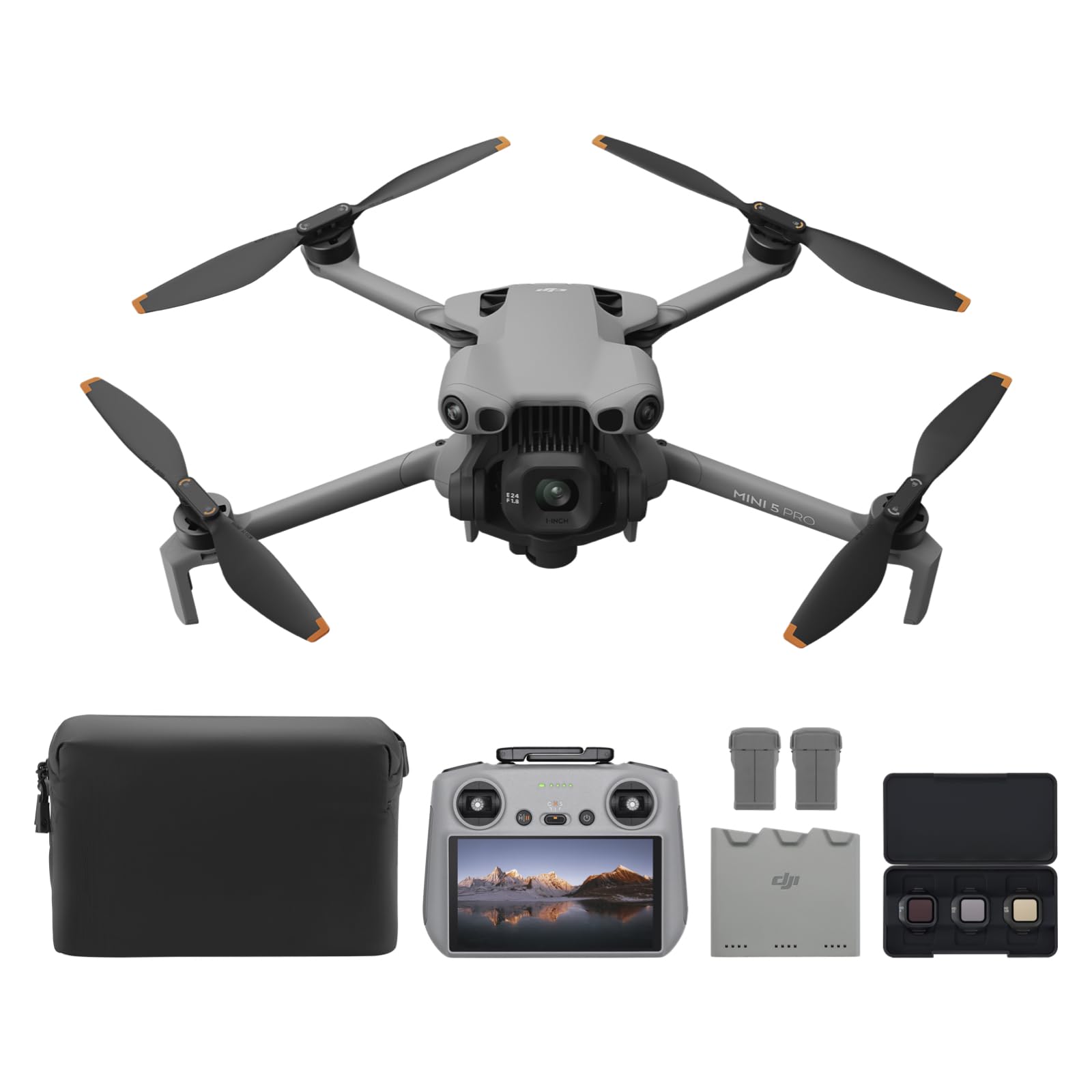


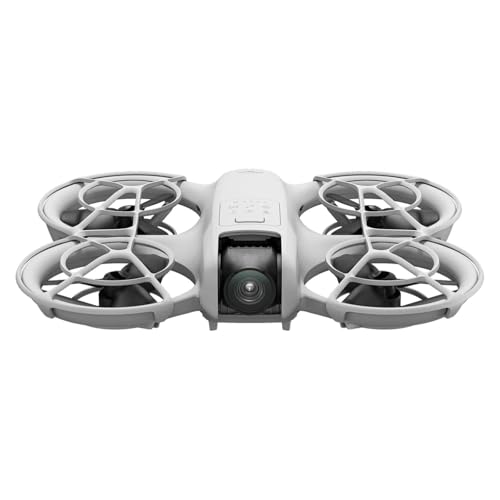


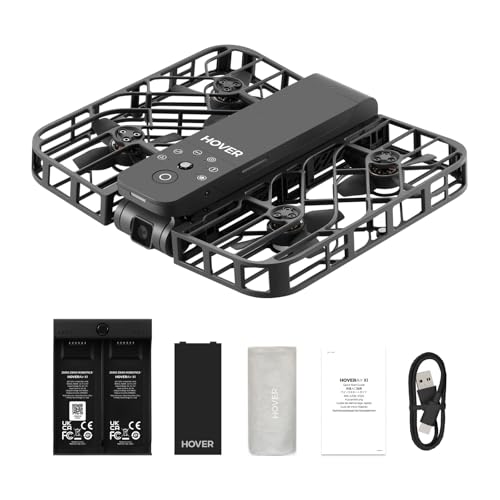

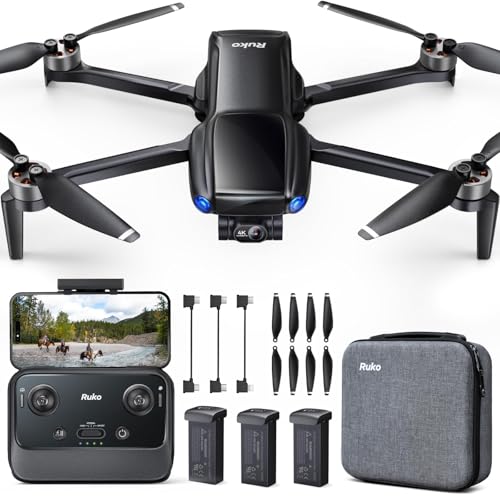
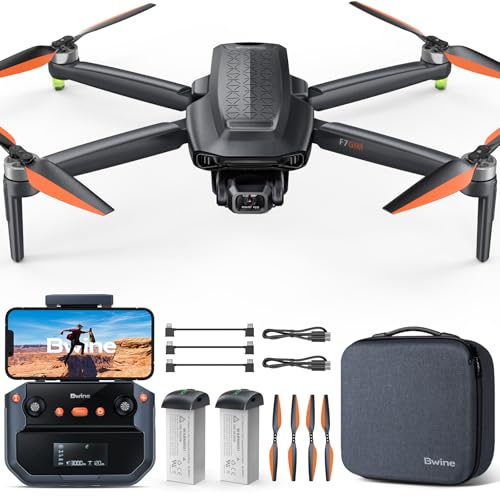

Who Should Buy Which Cameras for Aerial Photography?
Start with the job the camera must do in the air, since property views, mapping work and scenic video demand different things.
Real Estate and Property Photographers Who Fly Often
You need clean stills, true colors and wide views that show a house, lot and street in one frame. A compact mirrorless camera or a capable drone camera with a wide angle lens suits short flights and quick edits. Choose strong dynamic range because roofs in sun and shaded yards often sit in the same shot.
Travel and Landscape Creators Who Film From the Air
You need smooth 4K video, natural color and a camera light enough to carry to remote launch spots. A midrange body with a proven gimbal pairing gives steady clips when wind moves the aircraft. Slow motion frame rates help if you film waves or roads from a legal distance. If you are still building general skills, see our guide to the best beginning photography cameras for ground based practice that carries over to flight.
Inspection, Farm and Survey Teams Who Need Detail
You need sharp detail you can zoom into later, plus files that record location and time clearly. A larger sensor and a longer lens help you read roof damage, crop stress or equipment labels without flying dangerously close. Weather sealing matters because field work rarely waits for perfect skies. Plan for extra batteries and cards for long sites.
Key Features to Compare
When you compare the best cameras for aerial photography, judge each model by how it performs in moving air, bright sun and limited flight time. Five factors matter more than a long spec sheet.
Sensor Size and Image Quality in Aerial Cameras
Sensor size shapes detail, dynamic range and low light results more than megapixel count alone. Small sensors in compact drone cameras look sharp in bright sun, yet they struggle when shadows fall across fields or streets. A 1 inch sensor is a strong middle step, while APS C and full frame bodies capture cleaner files for large prints and heavy crops. From altitude, you crop often, so clean files matter.
Weight, Size and Mount Compatibility for Flight
Every gram counts once a camera leaves the ground. A heavy body can shorten flight time, strain a gimbal motor and push total takeoff weight into a stricter rule category. Check the payload limit of your drone or mount, then weigh the camera with lens, battery and card fitted. In the United States, total weight can affect registration and operating duties, so check current Federal Aviation Administration guidance before you launch.
Stabilization and Gimbal Support for Smooth Aerial Video
Aircraft vibrate and tilt, so stabilization decides whether aerial video looks calm or shaky. Many aerial cameras rely on a 3 axis gimbal that holds the lens steady while the aircraft moves around it. In body stabilization helps some mounted work, but it rarely replaces a gimbal in wind. If video is your main product, spend on the gimbal pairing before you spend on extra resolution.
Lens Choice, Zoom and Field of View From Above
Lens choice sets how much ground each frame covers and how close you must fly. Wide angle lenses suit property and mapping views because they show context in one pass. A moderate telephoto lens isolates subjects, which helps inspection work where you must keep a safe gap. Optical zoom keeps detail when you change focal length, while digital zoom only enlarges pixels. Fixed lenses keep weight low.
Video Quality, Frame Rates and Shutter Behavior in Motion
Most buyers should treat 4K video as the baseline for aerial work because it leaves room to crop clips in editing. Higher frame rates such as 60 or 120 frames per second allow smooth slow motion, but they fill cards faster and can raise heat. Fast sensor readout reduces rolling shutter wobble when the aircraft pans across straight lines like roads and fences.
Complete Aerial Setups at Each Budget Level
Prices spread widely because aerial cameras range from compact action models to full frame bodies plus lenses and a gimbal. These tiers describe complete working setups, not body only prices.
Budget Tier: Light and Simple Cameras for Learning to Fly and Frame
For about $250 to $600, expect a compact drone camera or action style camera with a small sensor, fixed wide lens and good results in bright daylight. You give up clean low light files, flexible lenses and some dynamic range. This tier suits learners and hobby flights, where light weight and simple controls matter more than large prints. Spend first on a spare battery and a fast memory card.
Midrange Tier: Bigger Sensors and Steadier Video for Regular Flying
For about $700 to $1,500, expect a 1 inch or APS C sensor, stronger 4K video, better dynamic range and more reliable subject tracking. Aerial work starts to look polished in mixed light at this level, with steadier gimbal pairings and richer color for editing. Most regular creators and part time property shooters should land here. For ground use too, see our guide to the best cameras for photography.
Premium Tier: Full Frame Reach for Paid and Demanding Work
For about $1,800 to $3,500 or more, expect full frame image quality, strong low light files, fast readout and richer color depth. These setups weigh more, cost more to insure and demand aircraft with higher payload limits. Compare this class with everyday bodies in our guide to the best digital cameras to judge which gains are unique to aerial work.
Long term costs add up beyond the camera. Budget for spare batteries, fast memory cards, neutral density filters, a hard case, gimbal service and possible insurance for paid work. Lenses for interchangeable bodies can cost as much as the body itself. Leave room in your budget rather than spending every dollar on the body alone.
Common Mistakes to Avoid
Most aerial buying regrets come from ground based thinking.
- Buying the heaviest camera your drone can lift leaves no margin, so wind and climbs drain the battery and strain the gimbal.
- Judging a camera only by megapixels leads to noisy files when you crop a distant roof or field.
- Skipping neutral density filters forces harsh shutter speeds in bright sun, so moving scenes look jittery on video.
- Ignoring card write speed causes some cameras to stop recording or drop frames during long 4K clips.
- Flying a new camera before a ground check wastes a flight on settings you could have fixed at home.
Care and Maintenance for Aerial Cameras
Clean the lens before each flight with a blower and a soft cloth, because dust spots repeat across every frame from a full shoot. Check the mount and gimbal arms for cracks or loose screws after any hard landing.
Store batteries partly charged if they will sit for weeks, and keep them away from heat in parked cars. Format memory cards in the camera after you back up files, and retire cards that show write errors. Update firmware on the ground, never right before a paid flight, and check hover footage after each update.
Aerial Photography Cameras: Your Questions Answered
What features matter most in an aerial photography camera?
Stabilization, sensor size and weight matter most because they decide whether aerial footage stays sharp in moving air. Add reliable subject tracking if you film moving boats, cars or athletes from above. Also check how quickly the camera starts and responds, because short flights leave little time to fix settings after launch. A camera ready in seconds protects shots a slower setup would miss.
How much should a first time buyer spend on an aerial photography camera?
Most first time buyers should spend about $400 to $900 on a complete aerial camera setup. That range buys bright light quality that looks good online while keeping the loss small if you crash or lose interest. New shooters can see our guide to the best cameras for starter photography for ground based basics.
What specs matter most for beginners choosing an aerial photography camera?
For beginners, simple controls, clear auto exposure and a screen you can read in bright sun matter most. A touch screen that stays visible outdoors prevents the exposure errors that ruin many first flights. Choose automatic modes you can trust, then learn manual settings one variable at a time on the ground. Light weight matters more than pro ports at this stage.
Which aerial photography camera setup works better in low light conditions?
A larger sensor setup with a fast lens and a steady gimbal works better in low light conditions. It gathers cleaner detail at dawn, dusk and under tree cover, where small sensors turn grainy fast. Keep flight paths simple in dim light, because obstacle sensors on many aircraft also see less well in the dark. Short, planned passes beat long wandering flights when light fades.
Our Verdict
Choose by sensor, weight and stabilization first, then let your budget pick the tier. Budget models teach framing in bright light, midrange setups serve most regular work, and premium gear earns its cost on paid jobs. Use the product table above to compare weight, sensor size and video options side by side.
When the best cameras for aerial photography match the aircraft you own and the work you actually fly, every flight gets easier and your files need less rescue in editing. Start with the tier that fits your jobs today.


