
Best Cameras for Adventure Travel for 2026: Which One Fits the Way You Use It?
Disclosure: We may earn a commission when you buy through links on this page, at no extra cost to you. As an Amazon Associate I earn from qualifying purchases. Learn more

Match sensor size, weather sealing, zoom, and battery life to your trips to choose the best cameras for adventure travel without paying for extras.
There is no single camera that suits every trip, because a week of trekking in the rain asks very different things of your gear than a desert road trip or a snorkeling holiday. The best cameras for adventure travel are simply the ones whose size, toughness, and image quality match the way you actually move outdoors. This guide works through that match step by step, so you can spend on the features your trips demand and skip the rest.
Start with the comparison table below to see how the main camera types differ at a glance, then read on for the details behind each spec. If your trips are mostly city breaks and family holidays rather than rough terrain, see our guide to the best cameras for travel for a lighter duty shortlist of considerations.






Who Should Buy Which Camera for Adventure Travel?
Adventure travel covers a wide range of trips, and your camera choice should follow your itinerary rather than a spec sheet ranking. The three groups below cover most outdoor travelers. Find the one that sounds like your next trip, note the features it tells you to prioritize, and use that shortlist when you compare models in the product table above.
Hikers and Backpackers Who Count Every Ounce
When you carry everything on your back for days, camera weight competes directly with water, food, and warm layers. A compact camera with a 1 inch sensor usually hits the sweet spot here, giving you clearly better image quality than a phone while staying light enough to ride in a hip belt pocket. Prioritize a weatherproof body or at least solid weather sealing, a secure wrist strap, and a lens that covers wide landscapes and moderate zoom without swapping parts. Interchangeable lens systems can still work, but only if you commit to one versatile lens and leave the rest at home.
Paddlers, Surfers, and Movement Focused Travelers
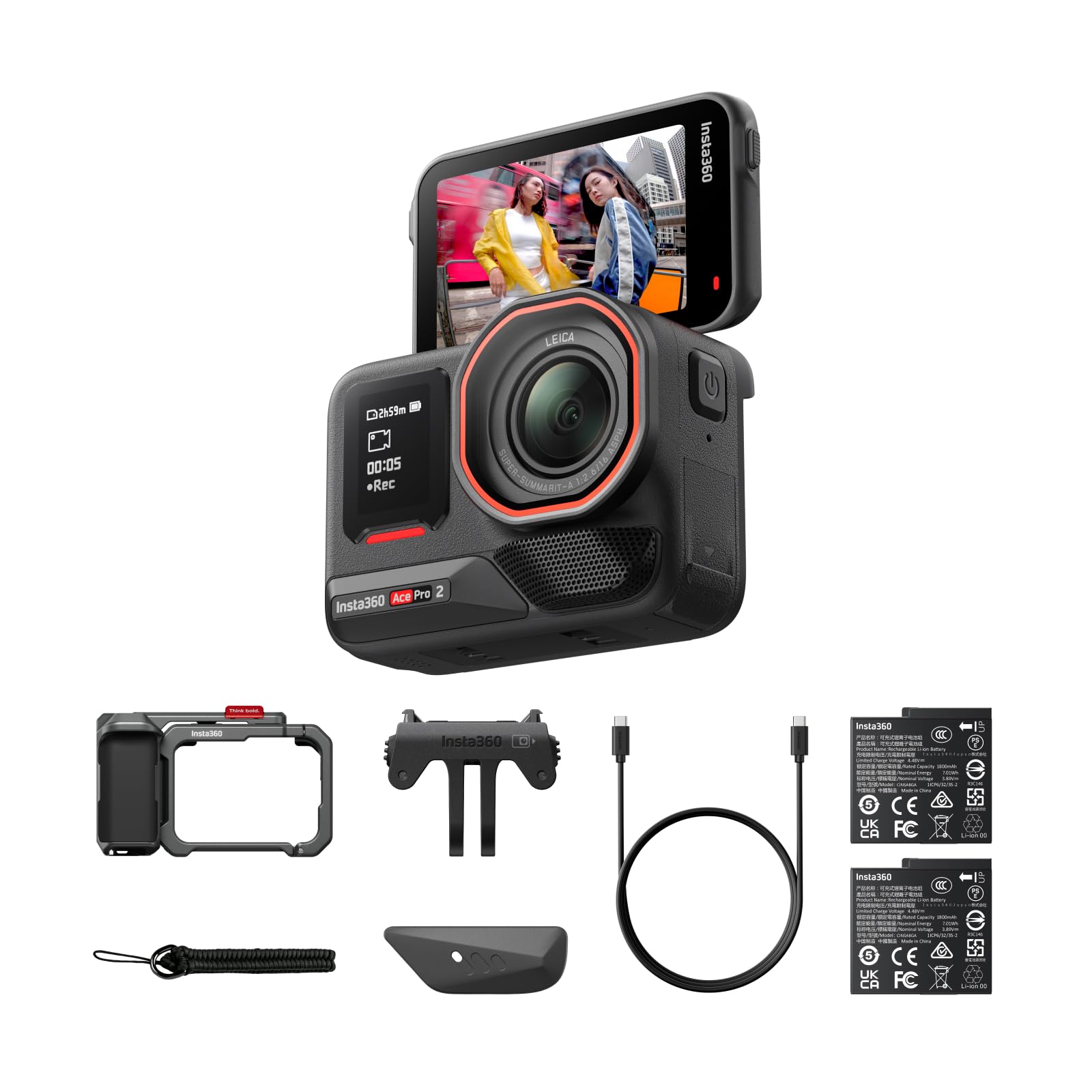
If your trips involve kayaks, surfboards, ski slopes, or mountain bike trails, a rugged action camera earns its place. Action cameras are built to survive drops, dust, and full submersion, and their strong image stabilization keeps footage watchable while you move. Mounts let you attach one to a helmet, chest strap, or paddle, so you capture the moment without stopping to hold anything. The trade off is a small sensor and a fixed wide lens, which limits low light quality and distant subjects. Many travelers carry one as a second camera alongside a larger stills camera.
Wildlife and Landscape Photographers
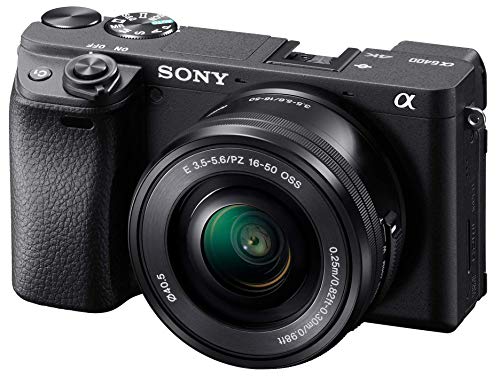
If the photos are the point of the trip, a mirrorless camera with an APS C or full frame sensor justifies its extra bulk. You get stronger low light performance, faster and more reliable autofocus for animals in motion, and access to long telephoto lenses that bring distant wildlife closer. Magnification matters here, so plan your lens around the subjects you expect, from wide valley views at dawn to birds across a lake. For trips built around rough conditions as much as image quality, see our guide to the best cameras for adventure for more on durability trade offs.
Key Features to Compare
Specs only matter when they connect to something that happens on a real trip. The factors below are the ones that decide whether a camera helps you or slows you down outdoors, and each one explains what to look for before you buy.
Size and Portability
Start by weighing the full kit, not just the camera body. Add the lens you will actually carry, a spare battery, cards, and a padded case, then compare that total against what your pack can spare. A camera that lives in an easy to reach pocket gets used far more than a better one buried at the bottom of your bag. If small size is your top priority, see our guide to the best small cameras for travel for models built around minimal bulk. Also check how the camera rides in your luggage, and browse the best backpacks for travel if your current pack has no padded space for gear.
Battery Life and Charging
Cold weather, heavy screen use, and 4K video all drain batteries faster outdoors than at home. Look at the rated shots per charge, then assume real world results will be lower on a demanding trip. Carry at least one spare battery, and learn your cameras power saving settings before you leave. USB C charging is worth prioritizing because it lets you top up from the same power bank that charges your phone, which saves carrying a separate charger. Cameras that only charge through a bulky dock become a burden on multi day routes with no outlets.
Weather Sealing and Toughness
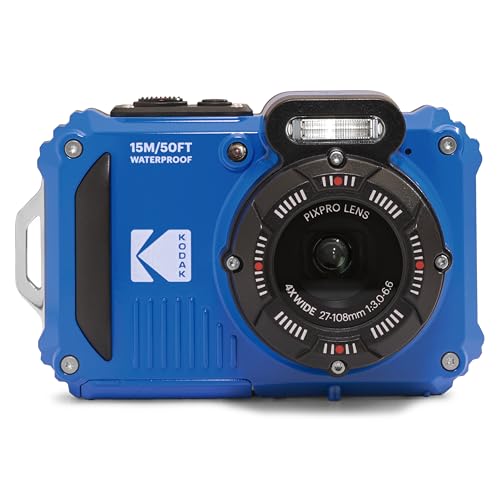
Adventure trips bring rain, spray, dust, and the occasional drop onto rock, so durability is a core feature rather than a bonus. Weather sealing means gaskets around buttons, dials, and the lens mount that slow water and dust entry, though it does not make a camera waterproof. Fully waterproof models carry a depth rating and can go snorkeling or kayaking without a housing. Check whether the sealing claim covers the lens as well as the body, since an unsealed lens is the weak point. A rugged build also protects against the knocks that happen in a crowded pack or a bouncing vehicle.
Low Light Performance
Some of the best travel moments happen at dawn, at dusk, or around a campfire, when light is scarce. Low light quality depends mainly on sensor size and how cleanly the camera handles high ISO settings, which are the sensitivity values used in dim conditions. A wider maximum aperture, shown as a lower f number on the lens, also lets in more light. Read sample images at high ISO rather than trusting spec sheets, and favor cameras whose noise stays fine grained instead of smearing detail. Strong image stabilization helps too, because it lets you handhold slower shutter speeds without blur.
Sensor Size and Image Quality
Sensor size is the single biggest driver of image quality. Small sensors in basic compacts struggle in dim light, 1 inch sensors are a clear step up for travel, APS C sensors suit serious hobbyists, and full frame sensors give the best low light results and background blur at the highest cost and weight. Megapixels matter less than most buyers think, since anything from about 20 megapixels up prints and crops well for travel use. If you are comparing camera types more broadly, see our guide to the best digital cameras for how the main categories differ.
Stabilization, Autofocus, and Video
Image stabilization steadies your shots when you shoot handheld on a moving boat, a windy ridge, or a bumpy track, and it matters for both photos and video. Autofocus speed and subject tracking decide whether a running animal or a playing child stays sharp, so look for eye detection and continuous tracking if your subjects move. For video, 4K resolution is now the sensible baseline for adventure clips, paired with a microphone input if you want clear audio. An articulating screen helps when you film yourself or shoot from low angles on the trail.
Common Mistakes to Avoid When Buying a Camera for Adventure Travel
- Buying on megapixel count alone, which leads to a small sensor camera that falls apart in dim light.
- Ignoring the weight of the full kit, which leaves you with a camera you stop carrying by day three.
- Assuming weather sealing means waterproof, which can ruin a camera the first time it goes underwater.
- Skipping spare batteries and cards, which costs you photos when a card fills or a battery dies far from an outlet.
- Choosing a lens range that misses your subjects, which means wildlife stays tiny in the frame or interiors feel cramped.
- Forgetting to check warranty and repair support, which matters when a camera fails right before a big trip.
Tips to Get the Most From Your Adventure Travel Camera
Clean the objective lens with a proper lens cloth rather than your shirt, because shirt fabric often holds grit that can scratch the coating. Wipe salt spray and dust off the body after beach or desert days, and let a cold camera warm up inside a sealed bag when you come indoors so condensation forms on the bag instead of inside the lens. Store the camera in a dry, padded bag with a small silica gel pack when you are not using it.
Carry your spare battery in an inside pocket in cold weather, since warmth preserves its charge, and rotate your memory cards so one failure cannot take a whole trip of photos with it. Back up your images to a phone or portable drive each evening when you can. Some travelers also pack compact binoculars for scouting distant wildlife before lifting the camera, which saves battery and missed shots. Before a big trip, spend a few outings at home learning your cameras menus, so settings changes feel automatic when conditions change fast.
Your Questions About Adventure Travel Cameras, Answered
What features matter most in cameras for adventure travel?
Weather sealing, battery life, and a size you will actually carry matter most in cameras for adventure travel. After those basics, match the sensor size and lens range to your subjects, and prioritize image stabilization if you shoot while moving. Chasing the best cameras for adventure travels on spec sheets alone usually leads to overpaying, so rank durability and portability first and treat extra megapixels or exotic video modes as secondary.
Which type of adventure travel camera is better for low light?
A mirrorless or advanced compact camera with a larger sensor is better for low light than an action camera. Bigger sensors gather more light and stay cleaner at high ISO, and a lens with a wide maximum aperture helps further. Action cameras remain the right pick for harsh conditions and movement, but expect grainier results after sunset. If evenings matter to you, carry the larger camera for dusk and save the action camera for daytime action.
What does optical zoom and magnification mean on a travel camera?
Optical zoom describes how much the lens itself can magnify a scene, so a 10x zoom brings distant subjects ten times closer without losing detail. Digital zoom simply crops and enlarges the image, which lowers quality, so compare optical figures only. For wildlife, look for long optical reach, while wide coverage suits landscapes and street scenes. Check the actual focal range in millimeters as well, because zoom multipliers alone can hide a narrow starting width.
What camera specs matter most for beginners on adventure trips?
Beginners should focus on ease of carrying, a reliable automatic mode, and solid image stabilization before anything else. A 1 inch sensor compact gives forgiving image quality without lens swapping, and a simple control layout means fewer missed shots while you learn. Skip manual heavy models at first, because a camera you understand beats a powerful one you leave on automatic guesswork. Add a spare battery and a fast memory card to your first purchase.
Is a smartphone enough instead of a dedicated adventure travel camera?
A smartphone is enough for casual snapshots in good light, but it falls short on optical zoom, battery endurance, and toughness. Phones also risk your main communication tool every time you shoot near water or on a ledge. A dedicated camera adds real magnification, physical controls you can use with gloves, and a body built for knocks. Many travelers use both, saving the phone for quick shares and the camera for the photos they plan to keep.
How much should I spend on my first adventure travel camera?
Expect to spend about $300 to $600 for a capable rugged compact or entry action setup, and about $700 to $1,500 for a mirrorless kit with a versatile lens. Spending more mainly buys a larger sensor, better low light results, and faster autofocus rather than sharper daylight photos. Put part of the budget aside for a spare battery, cards, and a protective case, because those extras decide how the camera performs on the road.
Final Thoughts
The right choice comes down to three questions. How much weight will you honestly carry, how rough are the conditions your trips involve, and what do you most love to photograph? Answer those, weigh them against the product table above, and the shortlist usually narrows itself. For most outdoor travelers, the best cameras for adventure travel balance a sensor large enough for dawn and dusk, sealing that shrugs off bad weather, and a body small enough to stay within reach all day.


