
Best Cameras for Action Sports in 2026: Match the Camera to Your Sport
Disclosure: We may earn a commission when you buy through links on this page, at no extra cost to you. As an Amazon Associate I earn from qualifying purchases. Learn more

Compare stabilization, waterproofing, battery life, and mounts to choose the best cameras for action sports that survive your riding, skiing, or surfing.
Surfing, mountain biking, skiing, and skateboarding punish ordinary cameras, so the best cameras for action sports are built differently: small, sealed, shock resistant, and ready to record while you move. Most riders and paddlers end up choosing a compact action camera that mounts to a helmet, handlebar, or chest strap and keeps filming through spray, dust, and falls. This guide explains how to match a camera to your sport, which features change the footage, and what to skip. Use the product table to compare current models once you know your priorities.
Action sports put three demands on a camera at once. It has to survive impacts and water, it has to keep the picture steady while you bounce over rough ground, and it has to last through a full session on one charge. The sections below walk through each demand in plain terms, then cover mounts, accessories, and the mistakes that waste money.


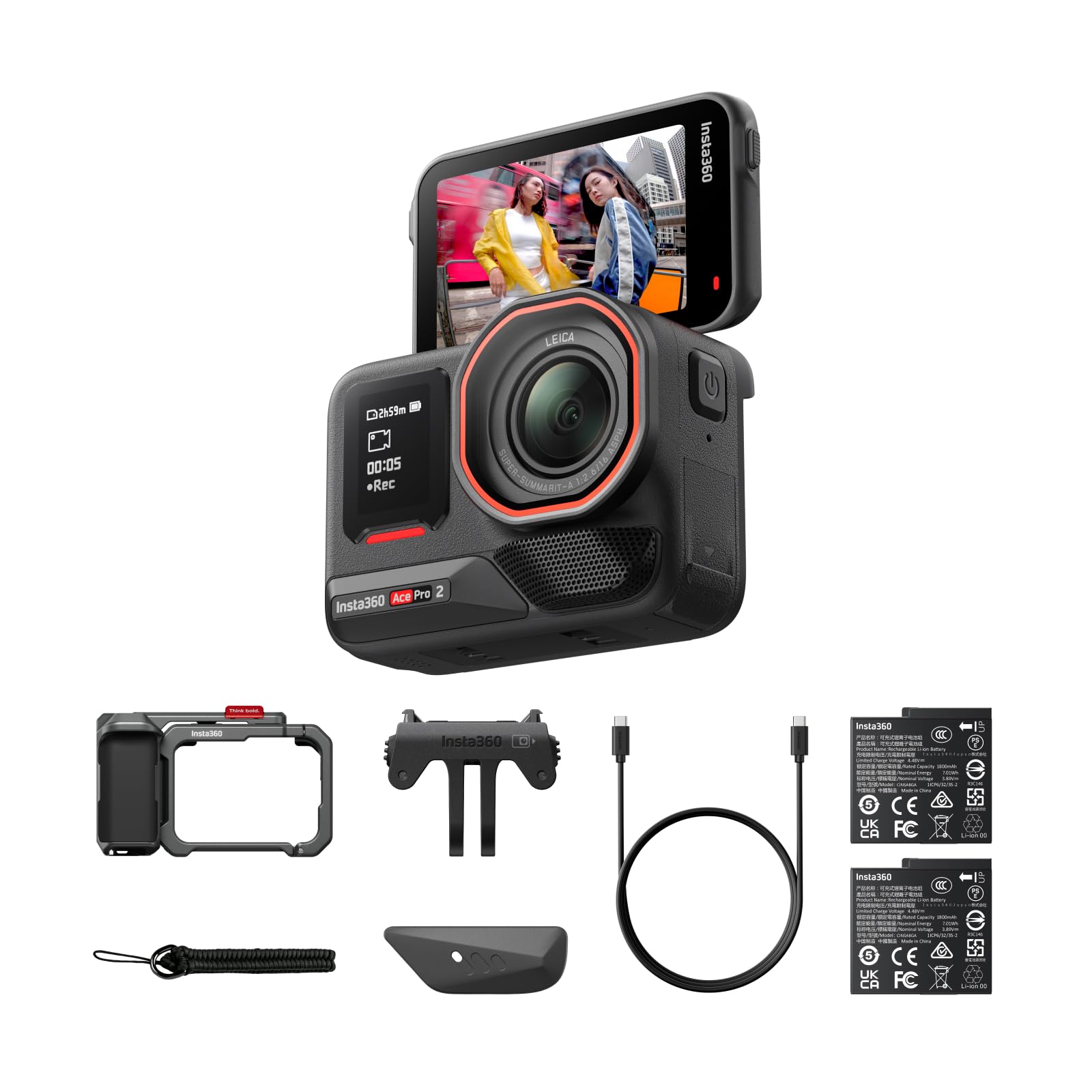
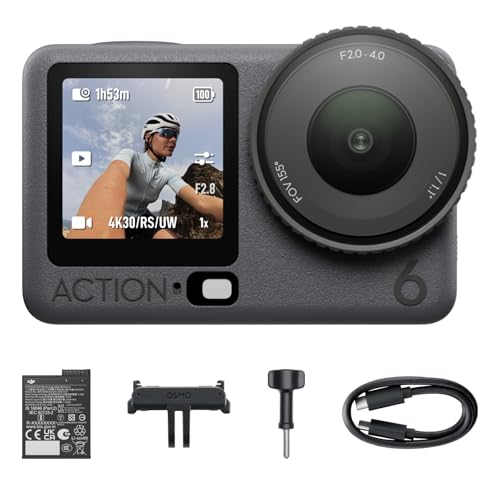
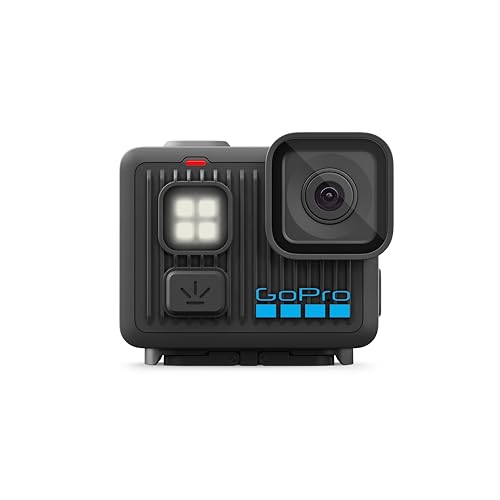
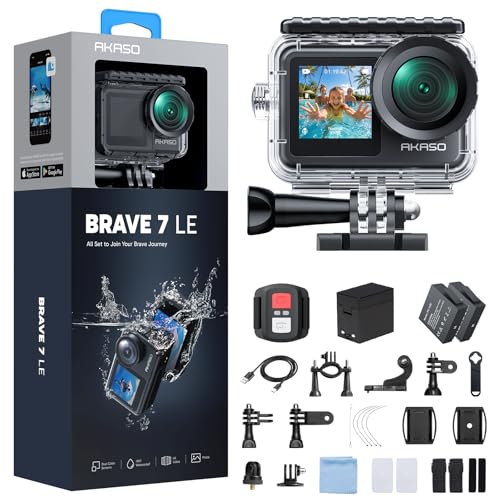

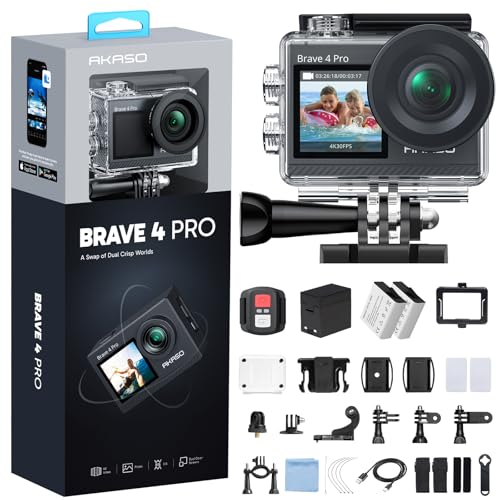
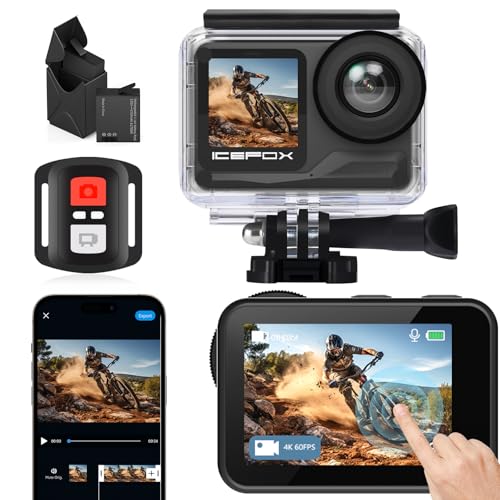

Who Should Buy an Action Sports Camera?
Your sport decides the camera more than your budget does. A camera that suits a weekend surfer may frustrate a downhill biker, so start with the group that sounds most like you.
Riders, Skiers, and Snowboarders
Fast movement over bumpy terrain calls for strong electronic stabilization, a wide field of view, and a screen that stays readable in bright snow or sun. Cold drains batteries quickly, so look for a camera that accepts a spare battery and keep it warm in an inside pocket. A secure helmet or chest mount matters as much as the camera itself, because footage from a loose mount is rarely usable.
Surfers, Paddlers, and Swimmers
Water adds its own problems: salt, drops on the lens, and the risk of losing a camera in the surf. Choose a model that is waterproof without a separate housing, add a floating handle or strap, and rinse it in fresh water after every session. A front screen helps you frame yourself on a board, and a lens that sheds water quickly gives cleaner clips.
Skaters, Climbers, and Everyday Adventurers
If your sport involves tricks, scrambles, or hikes, low weight and a simple interface matter most. You want a camera you can start with one button, mount in seconds, and forget about until the clip is needed. A compact body with a rugged shell and decent battery life covers most of these uses without the cost of a flagship model.
Key Features to Compare
Spec sheets for these cameras are long, but only a handful of items change what you see on screen. Compare them in the order below, then check how the options in the product table stack up against your sport.
Stabilization and Video Quality
Stabilization is the most important feature for action footage, because without it every bump turns into a shaky blur. Electronic stabilization crops the frame slightly to smooth motion, and the better systems also level the horizon so a spinning board or bike still produces watchable video. Resolution matters, but 4K at 30 frames per second is plenty for most riders. Higher frame rates, such as 60 or 120, let you slow footage down for jumps and splashes, so look for them if you plan to edit slow motion.
Durability and Waterproofing
Many action cameras are waterproof to about 30 to 40 feet without a case, which covers surfing, snorkeling, and rain. Check the depth rating in the listing, and remember that seals depend on a clean, closed door, so wipe away sand and grit before each use. Shock resistance is harder to compare on paper, so favor a sturdy build with a recessed lens, and consider a protective lens cover if you ride or climb in rough terrain.
Battery Life and Charging
Battery life is the limit most action shooters hit first. Higher resolutions, high frame rates, bright screens, and cold weather all shorten run time, often to about an hour of recording per battery. Look for removable batteries, because swapping a spare is faster than waiting for a charge. USB C charging is useful because a power bank or car charger can top up the camera between runs.
Screens, Controls, and Voice Commands
A rear touch screen makes setup easy, while a small front screen lets you check your framing when the camera faces you. Big physical buttons are easier to press with gloves, and voice control or a wrist remote helps when the camera is mounted out of reach. Simple menus matter more than extra modes, since you will adjust settings with cold, wet, or gloved hands.
Sensor Size and Low Light Footage
Larger sensors gather more light, which improves footage in forests, at dusk, and in shaded canyons. Small sensors look sharp in daylight but turn grainy as light fades. If you often ride early or late, a camera with a larger sensor and a brighter lens will give cleaner results than one with a higher resolution label.
Audio and Wind Noise
Built in microphones pick up wind and rushing air, which can drown out speech. Some cameras offer wind reduction or accept an external microphone through an adapter. For action sports, strong music or voiceover added in editing often sounds better than raw audio, so treat sound quality as a secondary feature unless you plan to talk on camera.
Mounts and Accessories That Matter
Mounts decide where the camera can go, and the right mount changes the footage more than most camera upgrades. A helmet mount shows what you see, a chest mount shows your hands and the terrain ahead, and a handlebar or board mount gives a steady view of the action. Many cameras use a common mounting system, so spare accessories are easy to find.
A few extras are worth buying early. A spare battery and a fast memory card come first, followed by a floating grip for water sports and a lens cover for rough use. Skip bulky kits packed with items you will never use, and buy accessories for your sport instead.
Common Mistakes to Avoid
- Choosing by resolution alone, then getting shaky footage because the camera has weak stabilization.
- Skipping a spare battery, so a long day on the mountain ends after one run.
- Ignoring the mount, so the camera shifts or falls off during the first hard impact.
- Forgetting to rinse the camera after salt water or mud, which damages seals over time.
- Buying a slow memory card, which can stop recording in high bit rate modes.
Care and Maintenance
Rinse the camera with fresh water after salt water, sand, or mud, and let it dry before opening the battery door. Clean the lens with a soft lens cloth, not your shirt, because grit trapped in fabric can scratch the glass. Check the door seal for hair or sand before every session, and replace lens covers that have scratches.
Store the camera in a dry, padded case, charge the batteries before long storage, and keep firmware up to date. A camera that is cared for after every session will keep its seals and stabilization working season after season.
Frequently Asked Questions
What features matter most in cameras for action sports?
Stabilization, waterproofing, and battery life matter most. Smooth footage depends on stabilization, a sealed body protects the camera in water and dust, and a removable battery lets you keep filming through a full day. Resolution comes after those three, since 4K is already sharp enough for most sharing.
How much should I spend on a first action sports camera?
Many riders do well with a model in the budget to midrange tier, roughly $100 to $350, plus a spare battery and a good memory card. Spending more mainly buys a larger sensor, better stabilization, and sharper low light footage, which matters if you film often or sell your clips. Start modestly if you are unsure how often you will use it.
Is a smartphone enough instead of an action camera?
A phone can capture casual clips on easy trails, but it is risky near water, mud, and crashes, and it is awkward to mount. An action camera is small, sealed, and built to be mounted, so it keeps recording where a phone would be damaged. Many athletes use the phone only as a remote screen and for sharing.
Which is better for low light, a compact or an action camera?
A larger sensor camera is usually better in low light, but action cameras with bigger sensors and bright lenses close much of the gap. For dawn rides and forest trails, choose a model known for clean night footage and keep the shutter speed in mind. Extra light from a helmet lamp can also help.
What specs matter most for beginners?
Beginners should look for simple menus, reliable stabilization, a touch screen, and a waterproof body without a case. Skip complex manual settings at first and learn one feature at a time. A beginner friendly camera that you actually carry will produce more good clips than an advanced one left at home.
Can I use one camera for both video and photos?
Yes, most action cameras take still photos as well as video, and many include burst modes and timelapse. Photo quality is good in daylight but trails larger cameras in low light and has a wide, curved look. For serious stills of your sport, see our guide to the best cameras for sports action shots.
Final Thoughts
Match the camera to your sport first, then compare stabilization, waterproofing, battery life, and mounts before you look at resolution or price. A compact camera with strong stabilization and a secure mount will outperform a more expensive model that shakes or runs out of power. The product table above lets you compare the current options side by side.
Chosen that way, the best cameras for action sports become a tool you trust in rough conditions rather than a gadget you worry about. Start with the features that match your sport, pick the mount that fits where you ride, and let the footage improve as you learn the camera.


