
Best Cameras Ever: A Complete Buying Guide for 2026
Disclosure: We may earn a commission when you buy through links on this page, at no extra cost to you. As an Amazon Associate I earn from qualifying purchases. Learn more

Compare the best cameras ever by sensor size, lens system and handling to find a modern classic that fits the way you shoot.
Calling a camera the best ever depends on what you value: image quality, handling, lasting design or the photos it helped create. The best cameras ever share a few traits, mainly a lens range you can grow with, controls that feel natural and build quality that lasts for years. This guide compares the main kinds of camera so you can choose a modern classic that suits the way you shoot, and the comparison table below lines up the options.
Some buyers want the sharpest files, others want a camera that feels good in the hand or fits in a pocket, and others simply want the one they will carry every day. The sections below turn those wishes into clear choices.
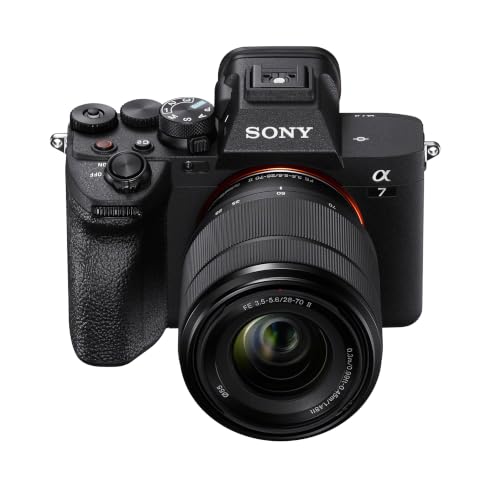



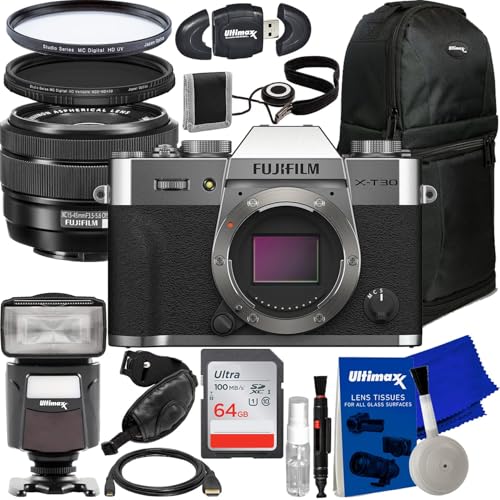


What Makes One of the Best Cameras Ever
Great cameras earn their reputation through reliability, a strong lens system and handling that disappears while you shoot. Specifications change every year, but a camera that stays popular usually combines a sensor that holds up, lenses you can afford and a design that people enjoy using.
Image Quality
Sensor size, lens quality and processing decide how photos look. Larger sensors gather more light and give cleaner files in dim places, while good lenses keep corners sharp. Megapixels matter less than most buyers expect.
Handling and Controls
A camera that fits your hand and puts the settings you use under your fingers gets used more. Dials, a comfortable grip and a clear screen matter every day, even though they never appear in a headline.
Lens System and Longevity
The lens mount you buy into decides what you can shoot for years. A deep range of affordable lenses, including used ones, protects your investment long after the body is replaced.
Types of Cameras Compared
| Type | Best For | Pros | Cons | Typical Price |
|---|---|---|---|---|
| Mirrorless | Photo and video in one system | Modern autofocus, compact bodies, growing lens range | Shorter battery life | about $600 to $3,500 |
| DSLR | Stills with an optical viewfinder | Long battery life, deep used lens market | Bigger and heavier | about $450 to $1,500 |
| Premium compact | Everyday carry with high quality | Pocket size, large sensor, bright lens | Fixed lens | about $500 to $1,700 |
| Instant camera | Fun prints and keepsakes | Instant prints, simple use | Film cost, limited control | about $80 to $300 |
Mirrorless Cameras
Mirrorless cameras have no mirror box, so bodies stay compact and the newest autofocus and video features arrive here first. They suit anyone who wants one system that handles portraits, travel, sports and video. The trade is battery life, so plan on a spare.
DSLR Cameras
A DSLR uses a mirror and optical viewfinder, giving a clear through the lens view and long battery life. The used lens market is deep and affordable, which makes this a smart route for stills shooters. Video tools and size trail mirrorless rivals.
Premium Compact Cameras
Premium compacts put a large sensor and a bright lens in a body that fits a coat pocket. They suit travelers and street photographers who value always having a serious camera with them, and they give up the freedom to change lenses.
Instant Cameras
Instant cameras deliver a print in moments, which makes them popular for parties, trips and gifts. Image quality and control are modest, and film adds cost per shot, but the experience is part of the appeal.
Mirrorless vs DSLR: Which Should You Choose?
Choose mirrorless if you want the newest autofocus, strong video and a lighter bag. Choose a DSLR if you shoot mostly stills, like an optical viewfinder and want proven lenses at used prices. Both can produce outstanding photos, and the lens you pair with the body matters more than the badge on the front.
How to Choose the Right Camera
Sensor Size
Full frame sensors give the cleanest low light files and shallow background blur, APS C sensors balance price and size, and 1 inch sensors suit compacts. Pick the class that fits your lighting and your budget.
Lens Mount and Budget
Check that the mount offers affordable lenses for your subjects, such as a fast prime for portraits and a longer zoom for sports. Plan to spend as much on lenses as on the body over time.
Autofocus and Video
Reliable eye detection for people and animals raises your keeper rate. If you film, look for 4K recording, a microphone input and a screen that flips toward you.
Durability and Weather Sealing
Sealing resists dust and light rain, but it is not waterproofing, and the lens must be sealed too. It matters if you shoot outdoors in all seasons.
Size and Weight
A camera that is comfortable to carry gets used. Hold it if you can, and consider the weight of the lens you will fit.
Buying New or Used
Many famous cameras are available used at a fraction of their launch price, which makes the used market a smart way to own something special. Check the shutter count, the condition of the lens mount and the sensor, and prefer sellers who offer returns. New cameras bring a warranty, a fresh battery and current software, which suits buyers who want peace of mind. Either route works when the lens range and the controls fit the way you shoot.
Common Mistakes to Avoid
- Choosing by megapixel count alone, which ignores sensor size and lens quality.
- Spending the whole budget on the body, leaving nothing for lenses, cards or a bag.
- Ignoring the lens mount, which decides every lens you can add later.
- Buying a camera too large to carry, which then stays at home.
- Skipping a spare battery, which ends many shoots early.
Care and Maintenance
Clean the lens with a blower first, then a soft lens cloth, and never with a shirt that can carry grit. Store the camera in a dry, padded bag with caps on the body and every lens. Carry a spare battery and memory card, and update the firmware when the maker offers it. Our guide to the best digital cameras covers the wider range, and the guide to the best cameras for photography goes deeper on stills.
Frequently Asked Questions
What makes a camera a classic?
A classic camera combines strong design, reliable handling and lasting influence on later models. It should still feel good to use today, not just look good on a shelf.
Should I buy a film camera today?
Film cameras suit slow, deliberate shooting and a distinctive look, but film and processing add cost. Start with a simple reliable model if you are curious, and keep a digital camera for everyday work.
Are older cameras hard to repair?
Common models often have spare parts and repairers, while rare ones can be hard to service. Check repair availability before buying and budget for a service on any camera that sat unused for years.
Does a famous camera improve my photos?
A good camera helps, but light, composition and practice matter more. A camera that feels natural encourages more shooting, which improves photos over time.
How much should I spend on a first serious camera?
Most buyers do well with about $500 to $1,000 for a body and kit lens, with room left for a card, a spare battery and a bag.
The Bottom Line
Choose the camera that fits your hands, your subjects and your budget, with a lens system you can grow into. Review the product table above and compare the finalists on sensor size, handling and lens choice. That approach points you to the best cameras ever made for your own kind of photography.


