
Best Cameras Drones 2026: A Beginner Guide
Disclosure: We may earn a commission when you buy through links on this page, at no extra cost to you. As an Amazon Associate I earn from qualifying purchases. Learn more

Learn how camera quality, flight time, and controls affect camera drones, plus safety rules and beginner checks for first flights and travel use.
Shopping for best cameras drones mixes two purchases in one: a flying machine and a camera. Beginners should weigh ease of flying first, since a drone that is hard to control will not capture good footage. The comparison table below compares the main drone types for new pilots.
Camera drones range from small toys to serious photo tools. Sensor size, stabilization, and video resolution shape image quality, while flight time, range, and obstacle sensing shape safety and ease. Your goals decide which side deserves more budget.

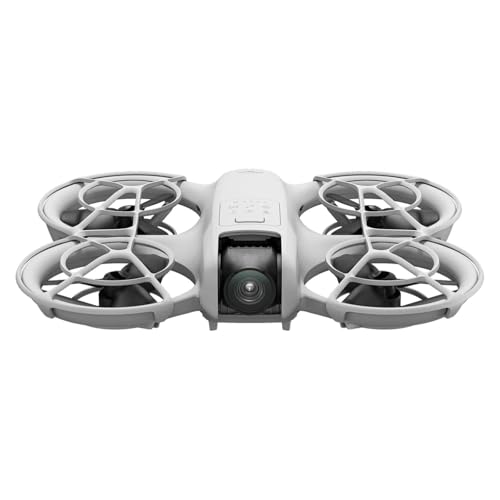


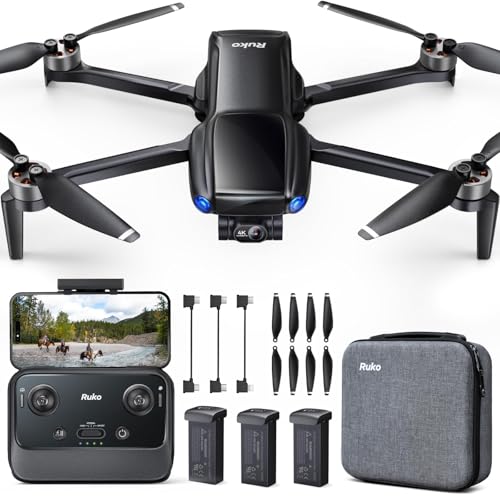
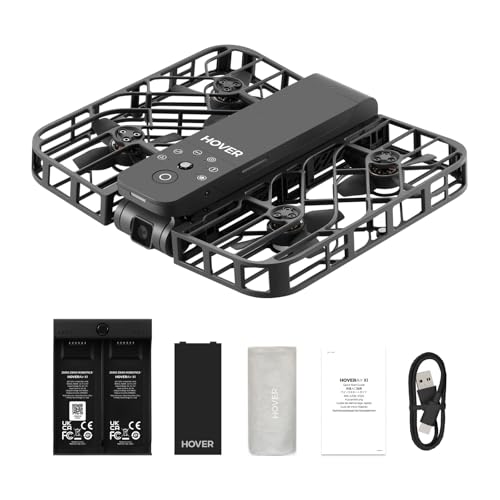
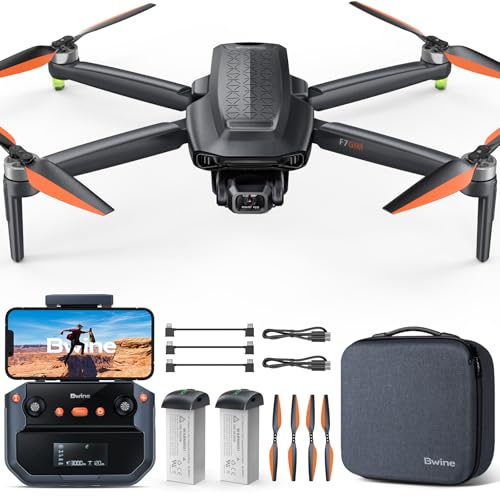

Check local rules before you buy. Many areas require registration, limit altitude, and ban flights near airports and crowds. A drone that suits legal flying spots near you matters more than one built for places you cannot fly.
Camera Drone Basics for Beginners
A camera drone combines motors, a battery, a controller, and a stabilized camera. Gimbal stabilization keeps footage smooth despite wind and movement, while electronic stabilization alone often looks shakier. Larger sensors capture better detail in low light, while small sensors suit bright daylight and social sharing.
Flight time usually ranges from about 20 to 40 minutes per battery in real conditions, less in wind. Spare batteries extend sessions, but they add cost and weight to your kit. Beginners should practice in open areas with clear sight lines before attempting complex shots.
Features to Compare
Camera and Stabilization Quality
Look for a mechanical gimbal, sensor size, and video resolution that match your output goals. Social clips need less than large prints or professional edits. Check low light samples too, since daylight footage flatters small sensors. Smooth gimbal movement matters more than headline resolution alone.
Flight Ease and Safety Sensors
Beginner modes limit speed and range while you learn controls. Return to home, low battery warnings, and obstacle sensing reduce crash risk. GPS hold keeps the drone steady when you release sticks, which helps new pilots frame shots without fighting drift.
Flight Time and Battery Costs
Real flight time falls short of advertised figures in wind and cold. Count usable minutes, not headline numbers, and price spare batteries before buying. A drone with short flights but cheap spares may suit practice better than one with costly batteries.
Size, Weight, and Travel Rules
Sub 250 gram drones face lighter rules in many regions, which suits travel and casual use. Larger drones offer better cameras and wind resistance but need registration in more places. Check weight rules for your country and your travel destinations before choosing size.
Controller, Range, and App Experience
A comfortable controller with a clear phone mount or built in screen improves framing. Range claims assume open areas, so real range is often lower near trees and buildings. A reliable app with maps, battery alerts, and simple editing saves frustration after flights.
Mistakes First Time Drone Buyers Make
Avoid these errors for safer first flights and better footage.
- Buying the most advanced camera before learning basic flight control.
- Flying first in a tight or windy spot instead of an open field.
- Ignoring local registration and no fly zone rules.
- Ordering one battery, then ending sessions just as skills improve.
Checklist Before Your First Flight
Confirm local rules, charge all batteries, and calibrate in an open area. Test return to home and beginner mode before filming. If controls feel steady and the camera framing looks smooth, you are ready for simple shots. Build skill gradually rather than chasing complex moves on day one.
Making the Final Choice
Drone budgets should split between aircraft, camera, and batteries. Entry drones suit learning with forgiving controls and lower crash costs. Mid range drones add better cameras, longer flights, and obstacle sensing that new pilots appreciate once basics click. Premium drones serve serious photo and video work with larger sensors and longer range. Beginners gain most from a forgiving mid range or entry model, since crash costs and learning curves matter more than sensor size at first.
Practice progression matters more than initial specs. Start in open fields with beginner modes, practice hovering, gentle turns, and return to home before attempting tracking shots or low flights. Log flight time and review footage to learn wind effects and framing. Skills built gradually transfer to any drone, while early crashes on an expensive model discourage further flying. Patience in the first month pays off for years.
Accessories change the real cost of drone ownership. Spare batteries, extra propellers, a landing pad, and a protective case add up quickly. Price the full kit before buying, not just the drone body. A drone with affordable spares and common battery types suits beginners better than one with costly proprietary parts. Also budget for registration or training fees where local rules require them.
Legal flying locations shape satisfaction more than range claims. Check nearby parks, fields, and coastal spots for permission and restrictions before buying. Some areas ban drones entirely, while others limit altitude or require permits. A drone that fits legal spots near home will fly weekly, while one built for distant locations may sit unused. Local flying freedom is a feature worth weighing heavily.
Think about your output goals honestly. Social clips need only decent stabilization and bright daylight performance, while prints and client work demand larger sensors and manual camera control. Editing skills also matter, since raw footage improves greatly with basic color and stabilization edits. Match the drone to your current editing level and grow into advanced models as skills and goals develop.
First week checks for a camera drone should focus on control confidence, not footage quality. Practice hovering, gentle turns, and return to home in open areas before filming anything important. Note battery behavior in wind and check app alerts for signal strength. If controls feel twitchy, use beginner modes longer rather than pushing range early. Confidence built in week one prevents crashes later.
Accessories for drone pilots include spare batteries, extra propellers, and a landing pad for dusty or uneven ground. Spare batteries extend practice sessions when learning curves are steepest. A landing pad protects cameras from dust and grass during takeoff and landing. Buy accessories after a few flights, once you know whether range, battery life, or landing surfaces limit you most.
Some buyers suit a simpler drone or a handheld camera better. If local flying spots are scarce, a drone may sit unused while a gimbal camera serves daily filming. If photography matters more than flight, a larger sensor drone justifies cost, but casual social clips do not need it. Match the tool to real filming opportunities, not to aspiration alone.
Long term costs for drones include batteries, propellers, and occasional repairs after hard landings. Batteries degrade with cycles and need replacement over time. Propellers wear and crack, so inspect them before every flight. Budget for spares and consider insurance or care plans for costly models. A realistic ownership budget prevents surprise costs after the first crash.
Related Guides
For a closer look at a nearby choice, see our guide to best starter drones with cameras and compare how its focus differs from the option described here.
For a closer look at a nearby choice, see our guide to best beginner drones with cameras and compare how its focus differs from the option described here.
For a closer look at a nearby choice, see our guide to best inexpensive drones with cameras and compare how its focus differs from the option described here.
For a closer look at a nearby choice, see our guide to best small drones with cameras and compare how its focus differs from the option described here.
For a closer look at a nearby choice, see our guide to best drones without cameras and compare how its focus differs from the option described here.
Frequently Asked Questions
Do I need a license to fly a camera drone?
Rules vary by country and drone weight, and many regions require registration or basic training. Check your aviation authority guide before flying. Recreational rules still limit altitude, distance, and flights near airports, crowds, and emergency operations.
What flight time should a beginner expect?
Most consumer drones fly about 20 to 35 minutes per battery in calm conditions. Wind, cold, and aggressive flying shorten that figure. Carry spare batteries and land with reserve power rather than flying until warnings appear.
Is a gimbal better than electronic stabilization?
A mechanical gimbal usually gives smoother footage because it physically steadies the camera. Electronic stabilization crops the image and can look jerky in wind. For video work, a gimbal is worth prioritizing over higher resolution alone.
Can I fly a drone in wind?
Light wind is fine for most drones, but gusts challenge small models and drain batteries fast. Check the maker wind rating and avoid flying near trees and buildings in gusty conditions. Beginners should practice on calm days first.
What should I pack for a drone outing?
Pack the drone, controller, charged batteries, spare props, a landing pad, and a microfiber cloth. A phone charger and a small case protect gear during travel. Check no fly zones for your location before you leave home.
Final Thoughts
A smart pick among best cameras drones balances easy flying, steady footage, and rules you can follow locally. Use the product table above to compare drone types, then practice in open space before filming important moments. Skill and safety matter more than any single camera spec.


