Best Beginner Drones with Cameras at Every Price: What Your Money Really Gets You 2026
Disclosure: We may earn a commission when you buy through links on this page, at no extra cost to you. As an Amazon Associate I earn from qualifying purchases. Learn more

The best beginner drones with cameras are stable, easy to fly and forgiving. Learn how camera quality, flight time, controls and price tiers compare.
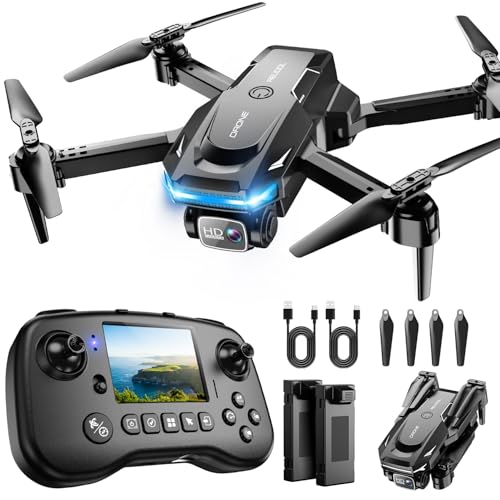
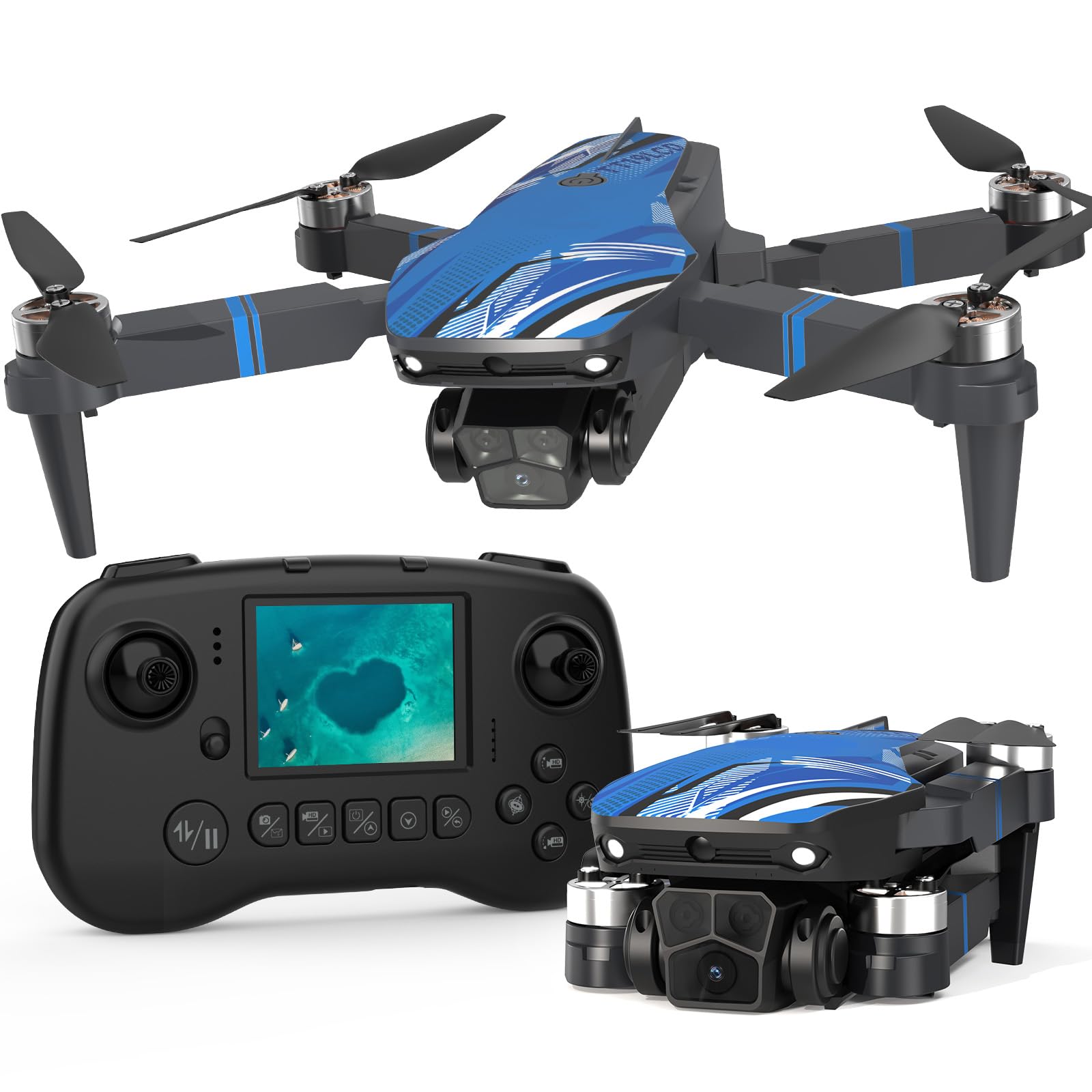
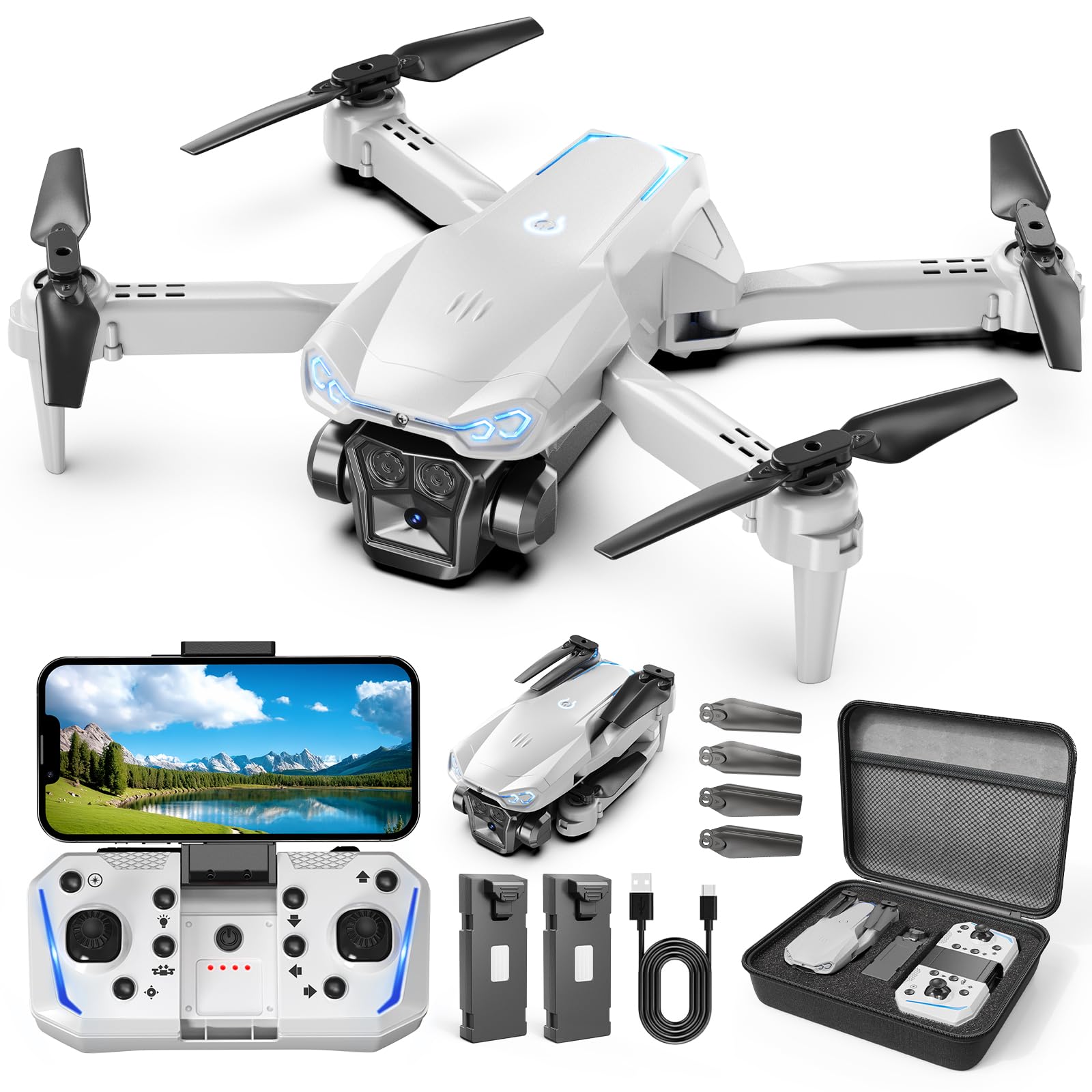
The price range for camera drones is very wide, and best beginner drones with cameras shoppers often wonder where their money is best spent. The comparison table below gives you a quick overview, and this guide explains camera quality, flight time, and controls in plain terms. A good beginner drone is easy to fly, forgiving of mistakes, and fun to learn with, even before you think about professional footage.
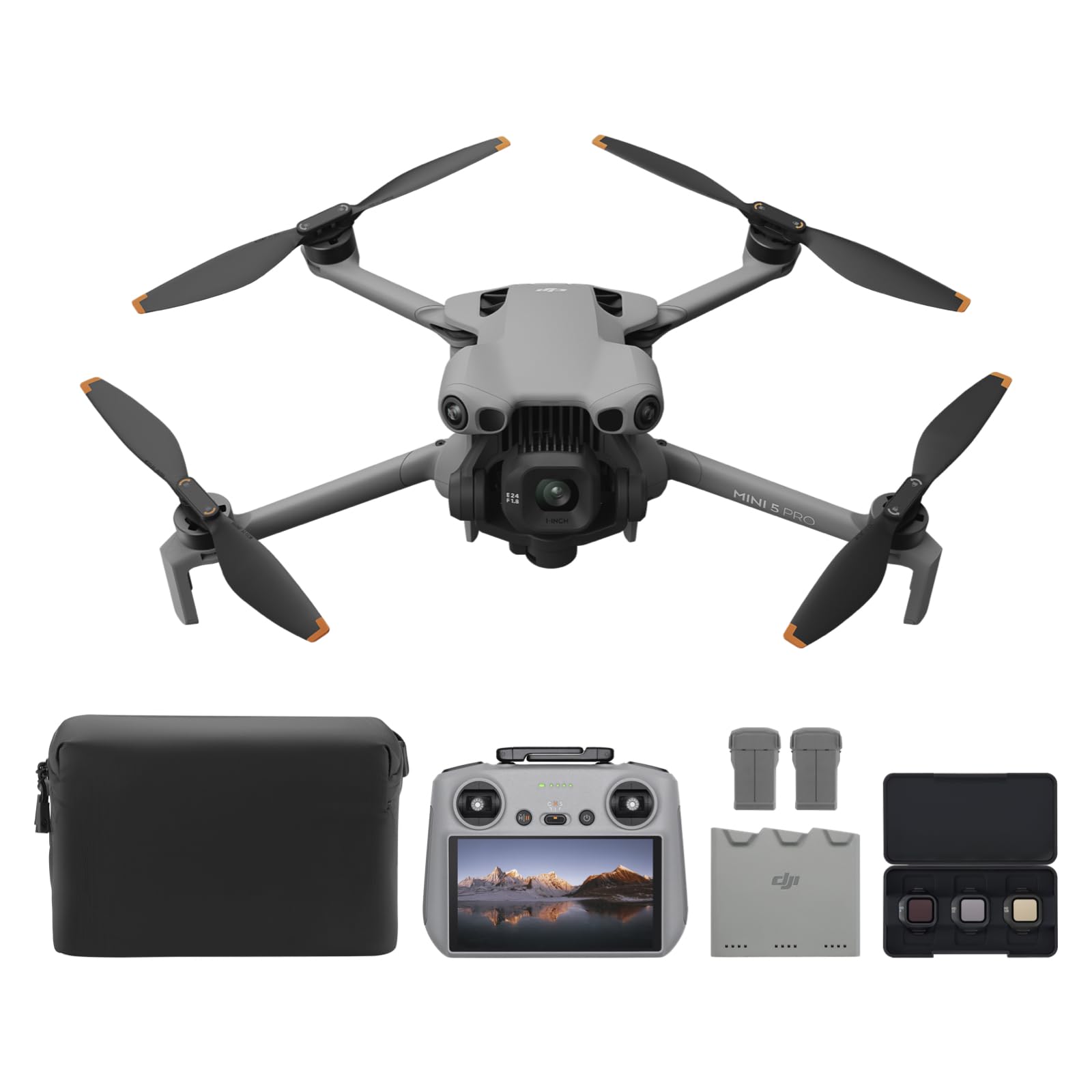
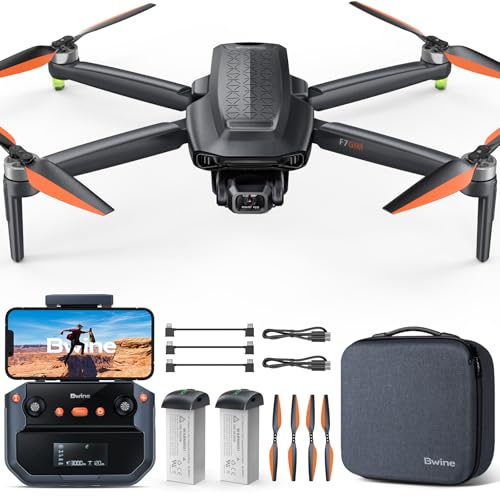

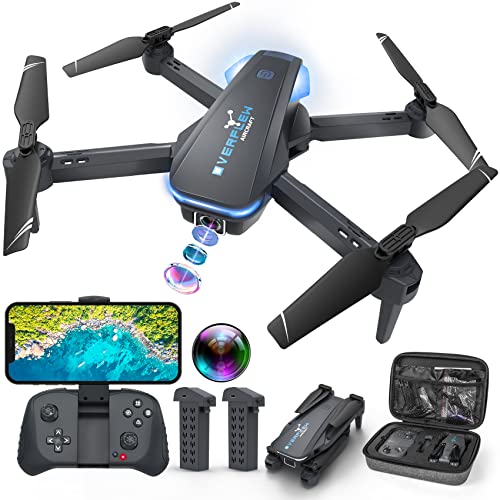



What Makes a Drone Beginner Friendly?
A beginner drone should take off and land steadily, hover in place without constant correction, and respond gently to the controls. GPS positioning helps the drone hold its place in light wind, and return to home features add confidence when you are learning. Simple controls and a clear app make the first flights much less stressful.
Durability also matters for beginners. Small crashes are part of learning, so propeller guards and replaceable parts are valuable. A drone that is cheap to repair encourages practice, while a fragile drone can make every flight feel risky.
Camera Quality Explained Simply
Camera quality depends on resolution, sensor size, and stabilization. Higher resolution gives sharper stills, but a stable image matters more for video. A gimbal, which steadies the camera as the drone moves, makes a bigger difference to video quality than a small jump in resolution. Without stabilization, footage can look shaky even on a calm day.
Think about how you will use the footage. For social sharing, a modest camera with good stabilization is plenty. For larger screens or editing, a larger sensor and higher resolution help. Check whether the camera tilts, how it stores footage, and whether you can preview the live view on your phone.
Flight Time, Batteries, and Range
Most beginner drones fly for roughly twenty to thirty minutes per battery, and wind and camera use reduce that time. Spare batteries extend a flying session far more usefully than a slightly longer single flight. Charge time matters too, so check how long a battery takes to recharge before your next outing.
Range figures are often measured in ideal conditions, and real world range is shorter, especially near buildings and trees. For beginners, a modest range is fine, because you should always keep the drone where you can see it. Fly in open spaces while you learn, and avoid strong wind.
Controls, Safety, and Local Rules
Learn the controls in a wide, open area away from people, roads, and animals. Practice take off, hovering, gentle turns, and landing before you try camera moves. Many drones offer beginner modes that limit speed and range, which is a helpful way to build skill gradually.
Check the local rules for your area before you fly. Rules often cover registration, height limits, distance from people, and no fly zones near airports. Respect privacy as well, and do not fly over private gardens or film people without a good reason. Safe and legal flying keeps the hobby enjoyable for everyone.
Budget Tiers and What Your Money Buys
At the lowest tier, you get a simple drone with a basic camera and short flight time. This tier is good for learning controls and deciding whether you enjoy the hobby. The middle tier adds GPS, better stabilization, and longer flight time, which makes footage noticeably smoother.
The upper tier for beginners adds a better camera, obstacle sensing, and more reliable return to home features. Spend on stabilization and flight reliability before chasing the highest resolution, because steady, safe flights produce better footage than a sharp but shaky camera.
Practice Tips for Better Footage
Start with slow, smooth movements. Gentle turns and steady forward flight look far better than fast, jerky moves. Fly in good light, preferably morning or late afternoon, and avoid harsh midday sun that washes out colors. Plan a simple flight path before take off, so you can focus on the camera instead of the controls.
Review your footage after each session and note what worked. Small improvements in speed, height, and framing add up quickly. The product table above can help you compare the shortlist before you choose your first camera drone.
Related Guides to Explore
For a wider view of camera drones at every level, see our guide to the best drones with cameras. If photography on the ground interests you as well, the guides to the best digital cameras beginners and best dslr cameras for beginners cover cameras you can use without a flight license.
Building Drone Skills Step by Step
Drone skill grows fastest with short, regular practice rather than occasional long sessions. Fly for twenty minutes in a calm, open area, focusing on one skill at a time, such as smooth turns or steady hovering. Short sessions keep concentration high and reduce the chance of mistakes from fatigue.
Practice camera moves separately from flying skills at first. Fly a simple path without recording, then repeat it while filming. This separation lets you focus on framing without worrying about controls, and it produces smoother footage sooner.
Learn to read wind and light before each flight. Wind that feels gentle on the ground can be stronger higher up, and it drains batteries faster. Light changes quickly near sunset, so plan your shots with the sun position in mind and allow time to land safely.
Keep a simple flight log noting location, weather, battery use, and what you practiced. A log helps you track progress and spot patterns, such as shorter flight times in cold weather. It also helps you plan spare batteries for future sessions.
Join a local flying community or online group for beginners when you are ready. Other pilots share location tips, rule updates, and practical advice that speeds learning. A supportive community makes the hobby more enjoyable and helps you fly safely and legally.
Choosing with Confidence
Compare beginner drones on stability, camera stabilization, and battery practicality rather than on maximum specifications. A drone that hovers steadily and films smoothly in real conditions produces better results than a drone with impressive numbers that is hard to control.
Check the availability of spare parts, especially propellers and batteries, before you buy. A drone with easy to find spares stays flying after minor crashes, while a drone with scarce parts can sit grounded for weeks after a small accident.
Read local rules carefully and choose a drone weight class that suits your flying plans. Lighter drones often face simpler requirements, which suits beginners who want to start flying quickly and legally without complex registration steps.
Think about the app and controller experience, since you will use them every flight. A clear app, responsive controls, and a comfortable controller make learning enjoyable, while a confusing interface adds frustration to every session.
Finally, start with a drone that matches your current skill, not the drone you hope to need in a year. Skills grow quickly, and a forgiving beginner drone builds confidence that transfers to more advanced machines later, when you truly need them.
Frequently Asked Questions
Do I need a license to fly a beginner camera drone?
It depends on your location and the weight of the drone. Many places require registration for drones above a certain weight, and some require a basic test. Check the rules for your country and region before your first flight, and keep any registration details with you. Rules can change, so check again if you buy a larger drone later.
What flight time should I expect?
Most beginner drones fly for about twenty to thirty minutes on one battery in calm conditions. Wind, cold weather, and heavy camera use reduce flight time. Spare batteries are the simplest way to extend a session. Land with some battery remaining rather than pushing to the last minute, which protects the battery and the drone.
Is a gimbal important for a beginner drone?
Yes, a gimbal makes a clear difference to video quality. It steadies the camera as the drone moves, so footage looks smooth instead of shaky. Electronic stabilization helps, but a mechanical gimbal is generally better. If video matters to you, prioritize a gimbal over a small increase in resolution.
Where is the best place to practice flying?
A wide, open field away from people, roads, trees, and power lines is ideal. Avoid windy days while you learn, and keep the drone within sight at all times. Practice basic moves first, such as take off, hovering, and landing, before you try longer flights or camera work.
How do I protect my drone from crashes?
Use propeller guards while learning, fly in open spaces, and keep speeds low in beginner mode. Learn the return to home feature before you need it, and check the battery and propellers before each flight. Small, careful steps build skill faster than risky flights, and they keep repair costs low.
Final Thoughts on Beginner Drones with Cameras
Start with a steady, forgiving drone, spend on stabilization and spare batteries, and learn the rules before you fly. The product table above can help you compare the shortlist. With best beginner drones with cameras as your guide, you can enjoy learning to fly and capture footage you are proud to share. Apply these checks to any best beginner drones with cameras you compare.