
Best Cameras Available in 2026: What Actually Matters Before You Buy
Disclosure: We may earn a commission when you buy through links on this page, at no extra cost to you. As an Amazon Associate I earn from qualifying purchases. Learn more

A clear checklist for choosing the best cameras available by sensor, lens, autofocus, video, battery and sealing.
Camera listings reward big numbers, yet the numbers that fill a spec sheet rarely match the photos you plan to take. The best cameras available for you are the ones whose sensor, lens and controls fit your subjects and your budget. This guide gives you a clear checklist to use while you study the comparison table below.
Start with how and where you shoot. A parent chasing toddlers needs fast focus more than studio detail. A traveler needs a small body and a spare battery. A creator needs clean video and a microphone input. The sections below turn those needs into simple buying decisions.



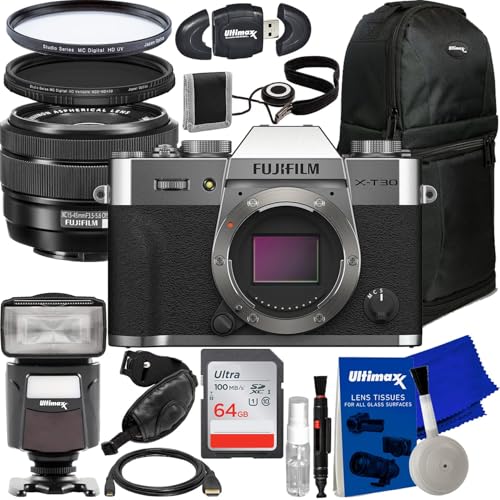
Who Should Buy Which Kind of Camera?
Match the camera to the outing you repeat most often. Your main subject, your carrying habits and your patience for settings will point you to the right format.
Families and Travel Shooters Who Want More Than a Phone
You want sharper indoor shots and real zoom on trips, without a heavy bag. Choose a compact body or a small mirrorless camera with a versatile zoom lens, a reliable auto mode and image stabilization. Quick transfer to your phone matters, since family photos get shared the same day.
Hobbyists Growing Skills in Portraits and Landscapes
You are ready to control aperture, shutter speed and focus yourself. Choose an interchangeable lens body with a larger sensor, clear manual dials and a growing choice of lenses you can add later. For deeper guidance on stills first shooting, see our guide to the best cameras for photography.
Creators Who Shoot Video as Often as Stills
You record talks, lessons or travel stories and still want strong photos. Choose a camera with 4K video, a screen that turns toward you, a microphone input and focus that tracks faces while you move. Good heat handling matters during longer clips. A standard hot shoe lets you add a light or microphone later.
Key Features to Compare
Compare each camera in the same order, so a low price cannot hide a weak lens or a short battery life.
How Sensor Size Shapes Photo Quality
Sensor size shapes detail, depth and low light results more than megapixel count does. A 1 inch sensor suits compact bodies, APS C balances size and quality for most hobbyists, and full frame sensors gather the most light for dim rooms and large prints. For readers who rank clean files above all else, see our guide to the best quality cameras.
Lens Choice, Optical Zoom and Aperture
The lens decides what you can frame and how much light reaches the sensor. Optical zoom moves glass to change framing without losing detail, while digital zoom crops the image and softens it. A lower f number, such as f/2.8, lets in more light and blurs backgrounds more than f/5.6 does. On interchangeable lens bodies, check the price and size of lenses you may add later.
Focus Tracking and Shake Control
Autofocus speed and tracking decide how many moving subjects stay sharp. Face and eye detection help with children, pets and players in motion. Check how the camera focuses in dim light. Image stabilization steadies the body or the lens, which helps handheld shots at slower shutter speeds and smoother walking video.
Video Capabilities That Matter in Daily Use
Look past the largest video badge on the box. 4K video at 30 frames per second suits most family and travel clips, while 60 frames per second gives smoother motion and room for slow motion edits. A microphone input improves voices far more than a small gain in resolution does. A flipping screen helps creators frame themselves, and a headphone socket helps you catch wind noise early.
Battery Endurance and Recharging Options
Battery ratings count still photos per charge, and video drains a battery far faster than stills do. A rating of about 300 to 400 shots suits light days, while about 600 or more shots suits long outings. USB C charging lets you top up from a car or a power bank between stops.
Weather Sealing and Build
Weather sealing uses gaskets around doors, dials and the lens mount to slow dust and light rain. It helps at beaches, ball fields and misty trails, but it does not make a camera waterproof for use under water. A sealed lens must complete the seal, since the mount is an easy entry point. Metal bodies handle knocks well, while lighter builds are easier to carry.
Camera Types Compared: Which Format Fits Your Shooting?
When you compare the best cameras available side by side, format explains most price and size gaps. For a broad starting point across formats, see our guide to the best digital cameras. Then use the three groups below to narrow your search.
Interchangeable Lens Mirrorless Cameras
These cameras pair an electronic viewfinder with lenses you can swap for portraits, sports or wide scenes. They offer the widest growth path, since one body can serve many subjects as your lens set grows. The trade off is total cost and bulk once you carry two or three lenses.
Fixed Lens Compact Cameras
A compact camera keeps its lens attached, so the whole kit fits a jacket pocket or a small purse. A 1 inch sensor gives a clear step up from a phone, and a built in zoom covers family scenes and travel views. You give up future lens choices, but you gain a simple camera you will carry daily.
Action Cameras and Small Vlogging Cameras
Action cameras are tiny, rugged and built for mounts on bikes, helmets and boats, with wide views and strong stabilization. Small vlogging cameras add a pocket size gimbal or a larger sensor for steadier walk and talk clips. Choose them when movement, water or tight spaces matter more than prints or careful portrait work.
Final Checks Before You Place an Order
Answer each question honestly before you pay. A no answer points to a spec or cost you should settle first.
- Can you hold this body and lens for an hour without hand strain?
- Does the zoom range cover your widest room and your farthest subject?
- Will autofocus track the children, pets or players you shoot most?
- Does the price leave room for a spare battery and memory cards?
- Can you charge the battery in the camera through USB C?
- Does the screen move the way you need for self recording or low angles?
- Is a weather sealed lens available for the body you chose?
- Would you still carry this kit on an ordinary weekday outing?
Common Mistakes to Avoid
These errors cost money or leave buyers with a camera that sits unused.
- Chasing the highest megapixel count buys large files without better photos in dim light.
- Spending the whole budget on a body leaves no money for the lens your subject needs.
- Trusting digital zoom figures gives you cropped, soft images at the far end.
- Ignoring total kit weight leads to a camera that stays home on busy days.
- Skipping a microphone input leaves vlog voices thin and hard to follow.
- Believing vague claims about sealing or zoom invites returns and lost shooting time.
Care and Maintenance for Your Camera
Clean the front lens element with a blower first, then a soft lens cloth, since wiping grit across glass can scratch the coating. Keep a cloth in your bag rather than using a shirt, which often holds sand or lotion. Cap the lens between spots and keep the body in a padded bag.
Store the camera in a dry place away from direct sun, and remove the battery during long breaks in use. After a beach or rain outing, wipe the body with a slightly damp cloth, dry it fully, and leave the battery door open for an hour before storage.
FAQ
Which sensor size is best for low light photos?
A full frame sensor is best for low light photos, since its larger surface gathers more light at the same settings. APS C cameras can still do well when paired with a bright lens, such as one at f/1.8. Check sample images at night too, since cameras with the same sensor size can handle noise quite differently.
Is a smartphone enough instead of a dedicated camera?
A smartphone is enough for casual snaps, quick shares and well lit scenes. A dedicated camera pulls ahead when you need real optical zoom, fast tracking of moving subjects or clean prints at larger sizes. Consider your printing habits too, since large wall prints reveal soft detail that a small phone screen hides.
What specs matter most for a first camera for beginners?
Simple menus, a helpful auto mode and a comfortable grip matter most for a first camera. Beginners also benefit from guided displays that explain each setting as they change it. For a focused shortlist path, see our guide to the best starter cameras. Start with the kit lens and add lenses later.
How much should you spend on a first dedicated camera?
Most first time buyers do well spending about $500 to $1,000 on a body with a kit lens. That range buys a sensor and controls you can grow with, without the weight or cost of pro gear. Set aside about 15 percent of the budget for cards, a spare battery and a bag.
Do you need 4K video on a camera bought mainly for photos?
No, you do not need 4K video if still photos are your main goal. Spend that money on a better lens or a larger sensor instead, since both improve every photo you take. One exception is family events, where short 4K clips age better on large home screens. Check clip length limits too, since some bodies stop 4K clips sooner.
The Bottom Line
Put sensor size, lens choice and autofocus at the top of your list, then check battery life, video tools and sealing against your real outings. Use the product table above to confirm size, price range and the features you settled on in the checklist.
Chosen that way, the best cameras available stop being a ranking and become a fit for your hands, your subjects and your budget. Buy the format you will carry often, and let your second lens or spare battery wait until your shooting habits prove the need.


