
Best Cameras and Video Cameras: A Buying Guide for 2026
Disclosure: We may earn a commission when you buy through links on this page, at no extra cost to you. As an Amazon Associate I earn from qualifying purchases. Learn more

Compare the best cameras and video cameras by sensor, lens system, video limits and price band, and choose the right class for stills, video or both.
Most buyers are not really shopping for one device. They are shopping for birthdays in stills, school plays in video, trips that need both, and a camera that will not sit in a drawer after the first month. The best cameras and video cameras for that mixed life are chosen by deciding which job leads, stills or moving pictures, and how much lens and accessory spending you accept after the body itself.
This umbrella guide compares the classes side by side, explains the few specs that decide real results, and keeps long term costs in view. Use the comparison table below for the quick class picture, then read the sections that match your lead job before you set a budget.





Start With the Job: Stills, Video or Both
Every later choice gets easier once the lead job is named. A body that is brilliant at one job often asks for real compromise at the other, and the honest answer for many households is a hybrid that is good at both rather than perfect at either.
Stills First Buyers Who Add Occasional Clips
If photographs are the point and video means short clips of family moments, put your money into the sensor and the lens mount. A stills led interchangeable lens body gives you lens choice for years, strong low light photographs and video that is perfectly serviceable in short bursts. Accept the limits plainly: clip length caps, heat build up on long takes and video autofocus that trails dedicated video bodies. Your clips will look good, they just will not run for a whole ceremony without planning.
Video First Buyers Who Record Whole Events
If the point is a full game, a full recital or a long interview, recording time and heat handling outrank almost everything. Dedicated camcorder classes are built to record for extended periods without the thermal shutdowns that stills first bodies can hit, and they pair that with zoom lenses that cover a whole hall from one seat. Photographs from such a device are a bonus, not a reason to buy. Creators who publish their work should also look at guides to best cameras for video blogging, where flip screens and microphone inputs matter more than raw recording length.
Hybrid Buyers Who Genuinely Need Both
Hybrid buyers should shop the middle class on purpose. Modern hybrid interchangeable lens bodies shoot strong stills and serious video in one mount, so one lens set serves both jobs and one bag carries everything. The costs are real: these bodies sit above simple compacts in price, video features add menu complexity, and long event recording still needs heat awareness and spare batteries. For travel, family documentation and creator work that mixes photographs with edited video, this is still the class that most buyers end up happiest with.
Key Features to Compare
Six factors decide how any of these devices behave in your hands. Read them as a set, because a strong score in one area rarely rescues a weak score in the area your lead job depends on.
Sensor Size and the Lens System Behind It
Sensor size shapes low light results, depth of field control and the physical size of the whole kit. Small sensors live in compacts and camcorders and keep lenses compact and affordable. Mid size and full frame sensors live in interchangeable lens bodies and unlock shallow focus and cleaner high sensitivity images, at the price of larger and costlier lenses.
Megapixels sit well down this list. A modest pixel count on a larger sensor will outshoot a huge pixel count on a tiny one in the dim rooms where family photographs actually happen, and the lens system you buy into costs more over five years than the body does.
Video Specs That Actually Matter
Resolution and frame rate are the headline pair, and both need context. 4K recording gives cropping room and sharper delivery than standard high definition, while higher frame rates smooth fast sport and allow clean slow motion playback.
What the headline hides is thermal behavior. Many stills first bodies limit long high quality takes because heat builds in a sealed body, so a specification sheet that promises a mode says nothing about how long it runs in a warm hall. For event work, sustained recording at a moderate setting beats a spectacular mode that stops partway through.
Stabilization and Autofocus in Motion
Stabilization decides whether handheld footage is watchable and whether slower shutter speeds stay sharp in stills. In body systems steady the sensor, in lens systems steady the optics, and electronic systems crop the frame slightly to smooth movement. For video, the pairing of stabilization with autofocus that can track a face or an eye is what separates calm footage from hunting and shaking clips. Test any class with movement in mind: a child crossing a stage is a harder subject than a landscape, and spec sheets rarely describe tracking behavior in useful terms.
Audio Inputs and Monitoring
Picture quality gets the attention, but poor sound is what viewers notice first in home and creator video. Built in microphones capture the room, the handling noise and the person holding the camera more than the person in front of it. A microphone input changes the class of result, and a headphone output lets you confirm the sound while recording instead of discovering problems later.
Camcorders and higher hybrid bodies tend to offer both. If your video involves speech, budget for a microphone alongside the body rather than treating audio as an optional extra.
Battery, Cards and Heat on Long Takes
Recording drains batteries far faster than stills shooting, and high resolution modes fill cards at a pace that surprises new owners. Plan on spare batteries for any event day and on fast, generously sized cards for 4K work, and count both in the real price of the class. Heat ties the three together, since a body working hard on a warm day may pause to cool even with power and space remaining. The product table above lists the classes in short form, and this running cost picture is why the cheapest body in a class is rarely the cheapest way to own it.
Build, Sealing and Handling
Cameras live in rain, dust, sand and crowded bags. Weather sealing on body and lens keeps working in poor conditions, though it is protection against splashes and dust rather than a license to soak the kit. Handling matters as much: a grip that fits your hand, controls you can reach without menus, and a screen you can angle for low or high shots all decide whether the camera comes along at all.
Weight is part of handling. A superb body left at home for its bulk takes worse photographs than a modest one in your pocket.
The Main Classes Compared
Four classes cover nearly every sensible purchase. The table summarizes the split, and the short sections below it add the ownership notes that a table cannot hold.
| Class | Strongest at | Main limit | Typical body spend |
|---|---|---|---|
| Hybrid interchangeable lens | Stills and video in one system | Heat limits on the longest takes | About $600 to $2,500 |
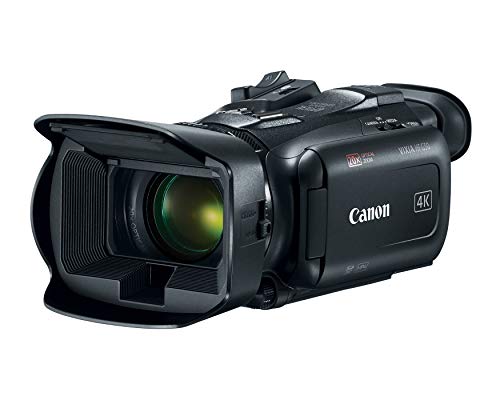
| Dedicated camcorder | Long event recording with big zoom range | Modest still photographs | About $250 to $1,200 |
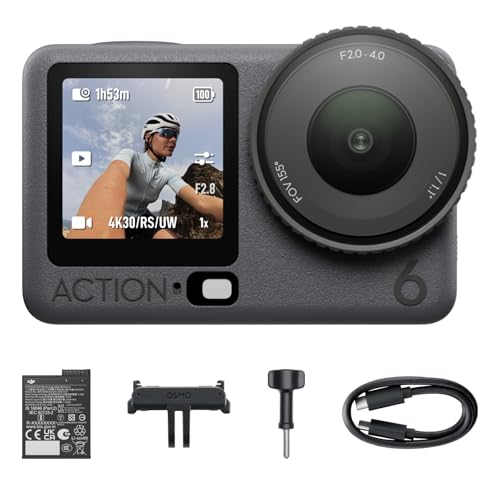
| Action camera | Rugged casual video in tight spaces | Small sensor and fixed wide lens | About $200 to $450 |
| Point and shoot compact | Simple stills and short clips | Little lens or system growth | About $150 to $600 |
Hybrid Interchangeable Lens Cameras
This class is the default answer for mixed work. One mount accepts lenses for portraits, sport, travel and low light, and video quality scales with the lens you fit. Owners should expect to spend on lenses over time and to learn more settings than a compact asks for. Readers weighing this class against bodies sold purely as dual purpose devices can compare notes in guides to best photo and video cameras, which use the same stills plus video lens to judge the field.
Dedicated Camcorders for Long Events
Camcorders trade stills ambition for recording stamina. A built in zoom that reaches across a gym, cooling designed for continuous runs and handling shaped for one handed recording make them the calm choice for ceremonies and seasons of games. Their stills are snapshots rather than photographs to print large, and the class has shrunk as phones improved, so compare current ranges carefully. Within its job, though, nothing else records a two hour event with as little fuss or as few accessories.
Action and Compact Cameras for Casual Video
Action cameras are small, rugged and wide, made to be mounted, worn and occasionally dropped, with stabilization that flatters movement. They suit cycling, water sports, travel clips and any filming where a larger body would stay home. Their fixed wide view and small sensor limit portraits and low light work. Enthusiasts comparing this class on its own terms will find dedicated coverage in guides to best action video cameras, where mounting and durability get the attention they deserve.
Point and Shoot Compacts
Compacts answer a simple brief: better photographs than a phone manages in poor light, with a real optical zoom, in a body that fits a coat pocket. That advantage means a larger sensor than a phone carries and a lens that zooms by moving glass rather than cropping. Video is a supporting feature for short clips. There is no system to grow into, which is either freedom or a ceiling depending on the buyer, and for many casual photographers that finality is exactly the appeal.
Cameras and Video Cameras for Specific Needs
Three requests come up often enough to deserve direct answers. Each one narrows the class choice before any brand or specification comparison begins.
Dedicated Video for Long Shows and Events
When the assignment is recording a full performance, choose stamina over spectacle. A camcorder class body, or a hybrid with proven long take behavior at your chosen settings, a mains power option for fixed positions and cards sized for the whole event matter more than the highest frame rate on the box. Position and audio decide the result as much as the sensor does, so a seat or tripod spot near the action plus a microphone plan will beat a specification upgrade bought instead of them.
Best Camera Video Cameras under 200
Shopping for best camera video cameras under 200 means accepting a defined set of trade offs and spending with your eyes open. At about $200 and under, the realistic classes are simple compacts, entry camcorders and older or refurbished bodies, and new buyers should compare those against the phone already in their pocket. Money in this band is best judged on zoom range, honest recording limits and return terms rather than on headline resolution. Budget minded readers can extend the comparison in guides to best inexpensive video cameras, which stay inside the same low spend reality.
Best Kids Cameras and Video Cameras
The best kids cameras and video cameras are chosen for survival and simplicity first. A body a child can drop without disaster, controls with a short path to a picture, and storage that a parent can empty without special software matter more than image quality at this age. Video on these devices is about the fun of recording, not fidelity. Set expectations kindly: the photographs will be charming and technically rough, and replacing a lost unit at this price level should be an annoyance rather than a financial event.
Price Bands and What Each Step Buys
Bands are best read as class boundaries. Under about $200 buys simple compacts, entry camcorders and capable action alternatives, plus the refurbished route into older interchangeable lens bodies. About $300 to $700 opens new hybrid bodies with kit lenses, mid range camcorders and the strongest compacts, and it is the band where most mixed stills and video buyers should start.
About $800 to $1,800 brings larger sensors, stronger video features, better sealing and the first lenses beyond a kit zoom. Above that, spending buys professional handling, deeper lens systems and video tools that casual owners will rarely touch, while serious creators may also be comparing the dedicated bodies covered in guides to best video cameras for filmmaking.
Tips to Get More From Your Camera
- Carry a charged spare battery and a second card on any day that matters, because video drains both far faster than stills shooting does.
- Wipe the lens with a clean cloth made for optics, since a shirt carries grit that can mark the coating over time.
- Format cards in the camera after your files are safely copied, which keeps the card file system matched to the device that writes it.
- Update the camera software when the maker offers it, since autofocus and heat behavior are often improved in later releases.
- Record a short test at your real event settings before the day, so clip limits and heat behavior surprise you at home instead of in the hall.
- Store the kit in a dry padded bag away from radiators and car heat, and remove the battery for long storage periods.
Cameras and Video Cameras: Questions Answered
What specs matter most for a first camera?
Sensor size, the lens or lens mount and sustained recording behavior matter most for a first camera. Those three decide low light quality, how far the kit can grow and whether video runs as long as you expect. Pixel counts and the longest list of video modes matter least, because beginners rarely use exotic modes and cannot fix a small sensor later. Add handling to the short list as well, since a camera that feels awkward gets left behind.
How much should I spend on my first one?
Most first time buyers land well between about $300 and $700 for the body or kit. That band buys a hybrid with a kit lens, a solid camcorder or a strong compact, each with room to learn. Spending under about $200 can work for casual clips and simple stills, but leave part of any budget unspent for a bag, spare battery and cards. Owners who skip the accessories to stretch the body budget usually spend the difference later anyway, under time pressure.
Which class is better for low light filming?
Hybrid interchangeable lens cameras are better for low light filming as a class. Their larger sensors gather more light per frame and their fast lenses open wider than the fixed lenses on compacts and most camcorders, which keeps sensitivity settings and the noise that comes with them lower. Camcorders remain fine under hall and stage lighting, and action cameras are the weakest here. If your events are dim by nature, such as evening sport under weak floodlights, sensor size should lead your whole comparison.
Is a smartphone enough instead of a camera?
A smartphone is enough for casual clips and everyday snapshots, and its video stabilization and sharing speed beat many cameras. A dedicated camera pulls ahead where phones cannot follow: real optical zoom across a hall, long continuous recording without storage or heat drama, larger sensors in dim light and controls that work with gloves or wet hands. The practical test is your last year of photographs. If missed reach and poor dim results keep appearing, a camera solves real problems rather than adding a hobby.
What does 4K 60 mean on a camera?
4K 60 means the camera records video at about four times the pixel count of standard high definition, at sixty frames per second. The higher frame rate renders fast motion more smoothly and lets you slow footage to half speed while keeping fluid playback. It also fills cards quickly and works the processor hard, so heat limits appear sooner in this mode than at lower settings. Many events look just as good at lower frame rates, so treat 4K 60 as a tool for sport and deliberate slow motion rather than a default.
Final Thoughts
Decide the lead job first, then let sensor size and the lens system set the class, and only then compare video modes inside that class. Keep the running costs in the same calculation as the body price, because lenses, cards and batteries decide what ownership actually feels like. Judged that way, the best cameras and video cameras are the ones whose class matches your real week, and the product table above gives you the short class comparison to check your choice against before you buy.


