
Best Cameras and Lenses for 2026: Types Compared and How to Choose
Disclosure: We may earn a commission when you buy through links on this page, at no extra cost to you. As an Amazon Associate I earn from qualifying purchases. Learn more

See how camera types and lens mounts differ, what sensor size changes, and how to split a budget when choosing the best cameras and lenses to buy.
Choosing a camera gets confusing because the body is only half of the purchase. Every system camera is really two decisions at once, the body you hold and the lens that forms the picture, and the two halves have to agree on a mount before they can work together. This guide compares the main types of best cameras and lenses side by side so you can see which route fits your subjects, your hands and your budget.
The comparison table below lines the types up by purpose and price. After that, the guide works through the mount decision, the budget split, and the specs that actually change a photograph, in the order that locks you in.




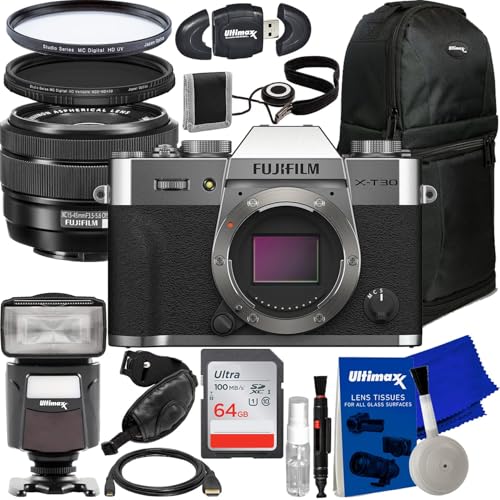

Types of Cameras and Lenses Compared
Four body types cover almost every buyer, and each one pairs with lenses in a different way. A system camera lets you swap lenses on one shared mount, while a fixed lens camera makes that choice for you at the factory. Read the classes first and the badges second, because the right class matters more than any single name on the front of the body.
| Type | Best For | Pros | Cons | Typical Price |
|---|---|---|---|---|
| Mirrorless system | Growing shooters who want one body for stills and video | Compact bodies, modern autofocus, deep native lens ranges | Battery life is shorter than a DSLR, and lens prices add up | about $600 to $2,500 with a kit lens |
| DSLR system | Buyers who like an optical viewfinder and a deep used market | Long battery life, endless used lenses, solid grip | Bigger and heavier, and video features lag behind | about $450 to $2,000 with a kit lens |
| Point and shoot compact | Travel and family photos with zero fuss | Pocket size, lens built in, simple controls | Small sensor, and the lens can never be changed | about $250 to $900 |
| Action camera | Sports, water and mounted recording | Tiny, rugged, very wide view, strong stabilization | Fixed wide lens, small screen, stills are a side feature | about $200 to $500 |
Mirrorless Systems
A mirrorless camera has no mirror box, so light falls straight on the sensor and you preview the scene on a screen or through an electronic viewfinder. The bodies stay compact, the autofocus tracks eyes and moving subjects well, and every major maker now builds its newest lenses for these mounts first. The trade is battery life, since the sensor and screens draw power the whole time you shoot. Choose this type if you want one system that handles stills and video and keeps growing with you.
DSLR Systems
A DSLR uses a mirror to bounce light up to an optical viewfinder, so you see the scene through the lens itself with no screen lag. Battery life is long, the grip suits big lenses, and decades of production mean the used lens market for these mounts is deep and cheap. The costs are size and weight, plus video tools that trail the mirrorless class. Choose a DSLR if you shoot mostly stills, like the through the lens view, and want proven lenses at used prices.
Point and Shoot Compacts
A compact bonds one lens to one small body and never lets you change it, which is exactly the appeal for many buyers. The better models use a 1 inch sensor that beats a phone in dim light, and the lens folds away so the whole camera rides in a jacket pocket. Zoom range is the main fork in this class: a short zoom keeps the body slim, while a long travel zoom trades size for reach. Choose a compact if you want better photos than a phone gives, with nothing extra to carry or learn.
Action Cameras
An action camera is a small sealed box built to be mounted, dropped and dunked, with a very wide fixed lens and electronic stabilization doing the hard work. It records sports, water and vehicle footage that no system camera could survive unprotected, and it shrugs off weather that would stop a shoot. The wide lens distorts close faces, the tiny screen is hard to judge in sunlight, and still photos are a bonus rather than the point. Choose one as a second camera for movement, not as your only camera.
Interchangeable Lens Systems vs Fixed Lens Compacts: Which Should You Choose?
The fork comes down to one question: will you ever want a different lens? A system camera answers yes and charges you for the privilege in size, weight and money, because the body is only the start of the spending. A compact answers no and rewards you with a camera that is ready in seconds and small enough to take everywhere. On image quality, a system with a fast lens pulls clearly ahead in dim light and shallow depth, while in bright daylight a good compact closes most of the gap.
Cost over time separates them further. A compact is bought once, while a system invites a second lens, then a third, and each one only fits the mount you chose. There is also a middle path worth knowing: plenty of shooters adapt older glass, and the guide to the best lenses for film cameras explains what those film era lenses were built for and why they still work on modern mounts with an adapter. Neither route wins for everyone, and the best cameras and lenses for you are the ones whose limits you will rarely meet.
How to Choose the Right Camera and Lens
Spec sheets make every camera sound alike, so work through the decision in the order that commits you. The mount comes first because it decides every lens you can ever fit. The budget split comes next, and only then do sensor size, zoom range and sealing deserve your attention.
The Lens Mount Is the Commitment
Body plus lens is one decision, not two, because the mount is the contract between them. A lens only fits the mount it was built for, so the body you pick today quietly chooses the lens catalogue you will shop from for years. Before you fall for any body, read the lens range for its mount: count the affordable zooms, the fast prime lenses and the special tools your subjects need. Bodies get replaced every few years as sensors improve, while a good lens set is kept for a decade, so choose the mount you want to live with and let the body be the flexible half.
Splitting the Budget Between Body and Lens
Splitting the money is the real question in this whole purchase, and the lens deserves the larger share more often than buyers expect. The lens decides more of the picture than the body does: it sets the sharpness, the depth of field and how the camera behaves in low light, while the body mostly handles speed and convenience. A cheaper body paired with a better lens class is a real plan that working photographers use all the time. Whichever way you split it, hold money back for a memory card, a padded bag and a second battery, because a system without them is not finished.
Sensor Size and Image Quality
Sensor size is the honest shortcut for image quality. Full frame sensors gather the most light and give the shallowest depth of field, APS C sensors balance size and price in the middle, and the smaller Micro Four Thirds class trades some low light reach for notably smaller lenses. The guide to the best lenses for mft cameras shows how that smaller mount turns into a lighter bag, which matters on long walks. Megapixels matter less than the class of the sensor: a modern 24 megapixel sensor outshoots an old 36 megapixel one in the dark, so read the sensor generation, not just the count.
Lens and Zoom Range
Focal length, written in millimetres, describes how much of the scene the lens takes in: low numbers see wide, high numbers reach far. Most buyers start with the kit zoom that covers everyday range, then add a fast prime lens for portraits and dim rooms once they know what they shoot most. Aperture is the other number on the barrel: a lower f number lets in more light and blurs backgrounds more, and it usually costs more. If reach matters more than swapping lenses, compare the fixed lens route in the guide to the best cameras with zoom lenses before you commit to a system.
Durability and Weather Sealing
Weather sealing means gaskets at the doors, dials and mount that resist dust and splashes; it does not mean waterproof, and a sealed body gains little if the lens on it is unsealed. Sealing is worth paying for if you shoot in rain, near the sea or on dusty trails, and it is fair to skip on a camera that lives indoors. Check that the maker states the sealing plainly rather than hinting at it, and remember that no rating covers a dunk in a river. A dry bag and a cloth still matter more than any seal once the weather turns.
Ease of Use for Your Skill Level
Controls should match the photographer you are now, with room for the one you are becoming. Full auto modes and guided menus help a beginner start well, while twin dials and custom buttons repay a shooter who works manually. App transfer sounds minor until you try to share a photo from a trailhead, so check how the camera talks to your phone. The best test is simple: pick the camera up, and if the grip and weight make you want to carry it all day, it passes the test that matters most.
Picking the Right Cameras and Lenses for Different Uses
The same budget builds very different kits depending on where you start from. These four starting points cover the routes most buyers actually take.
Best Digital Cameras and Lenses: Which Type Works Best
Digital is the default now, and its real advantages are instant review, reusable cards and files you can edit the same evening. Within the digital field, the fork is between native mirrorless ranges and older DSLR ranges adapted or bought used. Start with the native range for your mount; the guide to the best lenses for mirrorless cameras maps how the main mirrorless mounts differ in depth and price. Pick the mount with the lenses you will actually buy next, not the longest catalogue.
Best Nikon Cameras and Lenses: Which Type Works Best
Buying into one maker is a system decision, so judge any single maker range by three things: how deep its lens catalogue runs in the classes you need, how healthy the used market is for its mount, and how easy service and spares are to reach. Compare that depth across makers before you settle; the guide to the best lenses for sony cameras is one example of how one maker's range is organised, and every major maker publishes its own map. The maker matters less than the fit between its range and your subjects.
Best Beginner Cameras and Lenses: Which Type Works Best
A beginner needs a kit that teaches without punishing, so start with a body that has guided auto modes and a kit zoom that covers wide to short telephoto in one lens. That pairing handles landscapes, family events and travel while the skills form. Leave part of the budget unspent: after a few months you will know whether a fast prime or a longer zoom is the right second lens, and that knowledge is worth more than any bundle. Avoid exotic mounts with thin lens ranges, because a beginner system must be easy to grow.
Best External Cameras Lenses: Which Type Works Best
External add on lenses clip or screw onto a phone or a compact and widen the view, add macro reach or bend the edges for effect. They cost little, weigh almost nothing and suit casual shooting and social sharing well. Their limits are honest ones: edges soften, flare grows in bright light, and the fit depends on the exact phone or lens barrel you own. Treat them as a playful extra, not a system: the day the soft edges start to bother you is the day a real interchangeable lens earns its price.
Care and Maintenance Tips
Glass care decides how long a lens stays worth using. Clean the front element with a proper lens cloth, never your shirt, since grit in fabric scratches coatings. Use a blower before you wipe, keep caps on both ends of every lens, and store the kit in a dry, padded bag away from damp rooms. Carry a spare battery and a spare card on any trip, because both fail at the worst moment and weigh nothing in the bag. If dust spots keep appearing in the same place in your photos, have the sensor cleaned by a service shop rather than poking at it yourself.
Cameras and Lenses: Your Questions Answered
Which camera type is better for low light, a system camera or a compact?
A system camera is better for low light, because its larger sensor gathers more light and it can mount a fast lens that a compact can never change to. A compact with a 1 inch sensor still beats a phone clearly, and its built in stabilization helps with still subjects. One point the spec sheets miss: for scenes that do not move, a small tripod improves a compact more than one sensor size step improves a system camera, and it costs far less.
Is a smartphone enough instead of a dedicated camera?
For casual sharing, a smartphone is enough for most people, and it is always with you. A dedicated camera pulls ahead when you zoom across a field, shoot in a dim hall, print large, or want backgrounds to melt away behind a portrait. The honest test is your own photo roll: if your phone shots keep failing in the same situations, those failures name the camera class you need. If they rarely fail, spend the money on trips instead and take more photos.
What specs matter most for beginners choosing a camera and lens?
The mount, the kit lens range and the quality of the guided auto modes matter most for a beginner. Those three decide whether the camera is easy to grow with and easy to get a good photo from on day one. Sensor size comes next, and megapixels come last. One factor guides rarely mention is weight: a slightly lesser camera that feels good in your hands will be carried, and a carried camera takes more and better photos than a superior one left at home.
How much should I spend on my first camera and lens kit?
About $500 to $900 buys a complete first kit with a body, a kit zoom, a card and a bag, and that is the sensible entry point for most people. Spending more mainly buys low light reach and build quality, not better daylight photos. Keep roughly a fifth of the budget back from the body and lens so the extras are covered without stress. A used body one step older, paired with a new kit lens, is the classic way to stretch this budget further.
What do the numbers on a lens, such as 24 to 70 mm and f/2.8, mean?
The millimetre numbers are the focal length range, so 24 to 70 mm runs from a wide view to a short portrait reach, and a single number means a fixed prime lens. The f number is the widest aperture: lower lets in more light and blurs the background more. One catch for smaller sensors: the lens keeps its stated focal length, but the camera crops the view, so the scene looks narrower than the same numbers on a full frame body.
Final Thoughts
Start with the mount, split the budget toward the lens, and let sensor size settle the rest. The product table above gathers the types side by side so you can check a class against your subjects and your bag before you buy. Chosen that way, the best cameras and lenses stop being a spec contest and become a system you can shoot with for years, adding one well chosen lens at a time.


