
The Best Camera Smart Phones for 2026: A Buying Guide and Checklist
Disclosure: We may earn a commission when you buy through links on this page, at no extra cost to you. As an Amazon Associate I earn from qualifying purchases. Learn more

Compare the best camera smart phones by sensor, lens, night mode, video, storage and battery, with a clear checklist for choosing the right phone for you.
A phone camera fails you in the moments that matter most, a dim restaurant, a moving child, a sunset that looks washed out on screen. Choosing the best camera smart phones means looking past megapixel counts and judging how a phone handles light, motion, color, and zoom in real scenes. This guide explains the sensors, lenses, and processing that shape your photos.
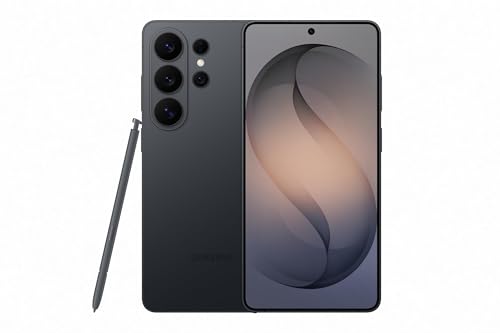
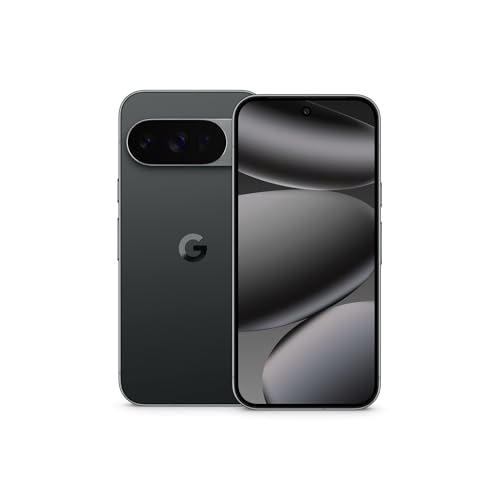
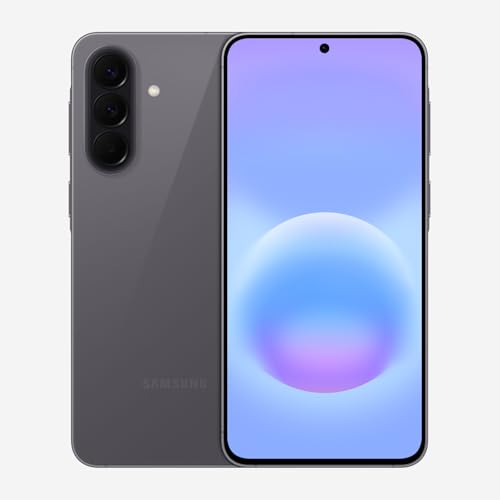
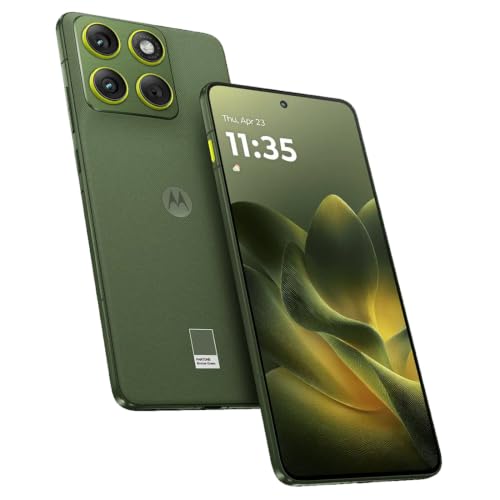
Start by naming your main use, such as family snapshots, travel, social video, or low light events, and then match the camera system to that use. The comparison table below gathers the current options in one place, so you can see which specifications deserve your money.




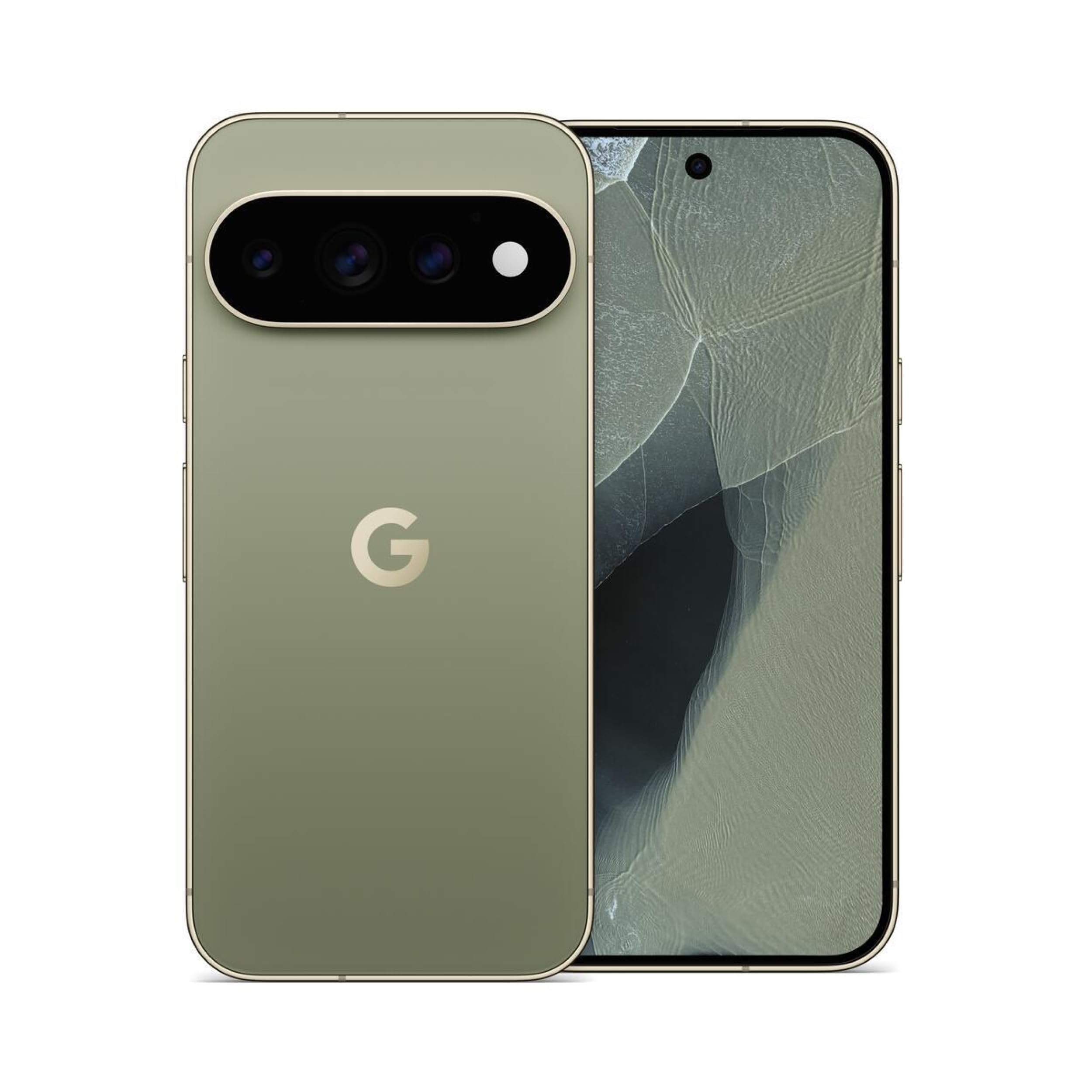
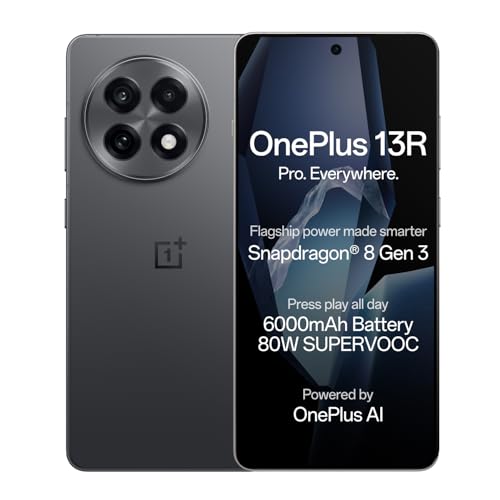
Who Should Buy a Camera Focused Phone
Parents and Family Photographers
Parents need a camera that reacts fast, focuses on moving faces, and keeps skin tones natural under mixed indoor light. Prioritize quick autofocus, reliable portrait mode, and a shutter that captures the moment without a long processing pause, because a sharp late frame still misses the expression you wanted.
Travel and Landscape Shooters
Travelers benefit from a full camera kit in one pocket, with an ultrawide lens for tight streets and interiors, a main lens for everyday scenes, and a telephoto lens for distant details. Look for consistent color across all three lenses, so photos from one trip look like they came from a single camera.
Video Creators and Social Sharers
If you film more than you photograph, judge a phone by its video stabilization, microphone quality, and front camera as much as by its rear lenses. Smooth footage while walking, clean audio in a breeze, and accurate focus on your face make clips watchable without extra gear. A bright OLED screen helps you frame shots outdoors and review color before posting.
Key Features to Compare
Main Sensor, Lens Aperture, and Stabilization
The main camera does most of your shooting, so its sensor size and lens quality matter far more than a headline megapixel number. A larger sensor gathers more light, which gives cleaner shadows and more natural detail without heavy processing. A wide aperture, shown as a lower f number, also helps in dim rooms. Optical image stabilization steadies the lens itself, reducing blur from small hand movements during longer exposures.
Night Mode and Low Light Processing
Night mode combines several frames into one brighter image, balancing bright signs and dark corners in a single shot. Good processing keeps colors believable, holds detail in faces, and avoids the flat, smeared look that comes from aggressive noise reduction. If evenings, concerts, and indoor events are your main subjects, weight this factor above extra zoom.
Ultrawide and Telephoto Lenses
Extra lenses extend what you can frame without moving. An ultrawide lens fits group photos, architecture, and landscapes in tight spaces, though edges can soften on weaker models. A telephoto lens uses optical zoom to bring distant subjects closer while keeping detail, unlike digital zoom, which simply crops the image. Look at the optical zoom range, often about 3x to 5x. Sports and stage shooters should value telephoto quality, while city travelers gain more from a sharp ultrawide.
Video Quality and Front Camera
Video quality depends on resolution, frame rate, stabilization, and how the phone handles changing light as you pan. Footage at 4K resolution holds detail on a large screen, while higher frame rates suit fast action but create bigger files. The front camera deserves equal attention if you join video calls or record yourself, since its smaller sensor struggles sooner in dim rooms and clear sound shapes how polished a clip feels.
Display, Battery, and Charging for Shooters
Your screen is your viewfinder and editing desk, so an OLED display with strong outdoor brightness and accurate color makes framing and reviewing honest. A refresh rate of 120Hz makes scrolling through a photo library and panning while filming feel smooth. Battery capacity, listed in mAh, often falls between about 4,500 and 5,500 mAh in this class, and camera use drains it faster than browsing does.
Storage, 5G, Unlocked Use, and Software Updates
Photos and video fill space quickly, so 128GB suits light shooters who offload often, while 256GB or more fits creators and families. An unlocked phone works across carriers and simplifies travel, and 5G speeds up cloud backup on the go. Long software updates also protect a camera purchase, since makers improve processing through updates for years. Our overview of the best phones with good camera quality compares these support features across price bands.
Types of Camera Smart Phones Compared
Mid Range Phones
Mid range phones, often about $300 to $600, usually deliver a strong main camera and capable night mode while trimming telephoto quality, build materials, or update length. They suit most families and casual travelers well, because everyday photos in decent light look close to flagship results.
Camera Focused Phones
Camera focused phones put the largest share of their price into sensors, lenses, and image processing, sometimes at the cost of gaming power or extra features. They fit enthusiasts who shoot daily, edit on the phone, and notice differences in color and detail across lenses.
Flagship Phones
Flagships combine top camera systems with the brightest displays, fastest processors, premium build, and the longest update windows. Prices often run about $800 to $1,200, so the value case rests on longevity and consistency across every lens rather than on any single specification. Readers ranking models purely by camera can also see our guide to the best phones by camera.
Compact Phones
Compact phones trade screen size and sometimes battery capacity for one handed comfort and easy pocket carry. Their main cameras can be excellent, though smaller bodies may include fewer lenses. Choose this type if a large phone makes you shoot less often.
Choosing a Camera Phone for Night and Evening Shooting
Best Night Camera Smart Phones
If the best camera smart phones on your shortlist will mostly shoot after dark, judge three things that daylight specs hide: how clean faces stay under street lighting, how quickly night mode finishes processing so the next shot is ready, and whether the ultrawide lens supports night mode at all, since many phones limit it to the main lens. A dim street scene with car headlights also reveals flare control and highlight handling in one frame.
Common Mistakes to Avoid
- Choosing by megapixel count alone, because sensor size and processing shape image quality more than the raw number does.
- Ignoring ultrawide and telephoto lens quality, because weaker extra lenses produce soft photos you stop using.
- Buying 128GB for heavy video shooting, because high resolution clips can fill that space within one long trip.
- Skipping carrier band checks on an unlocked model, because missing bands can leave you with weak coverage at home.
- Leaving photos only on the phone, because one loss or failure can erase years of family pictures at once.
- Judging a camera only in bright store light, because easy light hides the low light weaknesses you will face weekly.
Care and Maintenance for a Camera Phone
- Use a case with a raised edge around the camera area and a screen protector, so a flat drop is less likely to crack lens glass.
- Wipe each lens with a clean microfiber cloth before important shots, because pocket lint and fingerprints cause haze and flare.
- Keep software updated, because makers ship camera improvements and security fixes through regular system updates.
- Avoid leaving the phone in extreme heat, such as a parked car in summer, because heat ages the battery quickly.
- Back up photos regularly to cloud storage or a computer, and confirm the backup opens before deleting anything.
- Check available storage monthly and offload large video files, so a full phone never blocks an urgent recording.
FAQ
Do camera smart phones need 5G for good photos?
No, camera smart phones do not need 5G to take good photos, because image quality comes from the sensor, lens, and processing on the device itself. A 5G connection still helps your routine by uploading full resolution backups quickly and sharing large video files without a long wait. If coverage where you live is mostly 4G, prioritize camera hardware first.
How much storage do camera smart phones need for video?
Most buyers should choose 256GB if they record video often, because one minute of 4K footage can use several hundred megabytes and a holiday adds up fast. Light shooters who mainly take photos and offload monthly can manage 128GB. One practical check is to review your current phone usage in settings, then double it if you plan to film more.
How many years of software updates should a camera phone get?
A camera phone should get at least four years of security updates, and five to seven years is better for a premium purchase. Updates matter to photographers beyond security, because makers refine color, night mode, and file handling over time. Check the stated update window for the exact model before buying, since promises differ even within one brand.
Should you buy an unlocked camera phone or a carrier model?
Buy an unlocked camera phone if you value carrier freedom, travel use, and a cleaner resale path later. Carrier models can cost less upfront through monthly deals, but they may include extra apps and slower update timing. Either way, confirm the model supports your carrier main 5G and 4G bands, because an unlocked label alone does not guarantee full coverage.
Is a mid range camera phone good enough for family photos?
Yes, a mid range camera phone is good enough for most family photos, especially birthdays, holidays, and outdoor play in decent light. The gaps appear at the edges of use, such as dim restaurants, fast indoor sports, or distant stage shots, where flagship sensors hold more detail.
Final Thoughts
Choose by the scenes you shoot most, then weigh the main sensor, night processing, and lens coverage in that order, with storage and update length as the tie breakers. The product table above collects the current best camera smart phones in one view, so compare your shortlist there against the factors in this guide. A phone that handles your hardest light and fits your hand will serve your memories far better than one that only wins on a specification sheet.


