
Best Camera Phones Under 500 Dollars by Budget for 2026
Disclosure: We may earn a commission when you buy through links on this page, at no extra cost to you. As an Amazon Associate I earn from qualifying purchases. Learn more

Compare the best camera phones under 500 dollars by price tier, camera system, night mode, video, display, battery and update support before you buy.
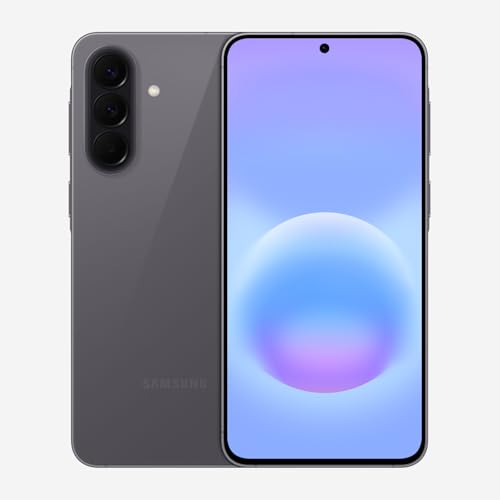
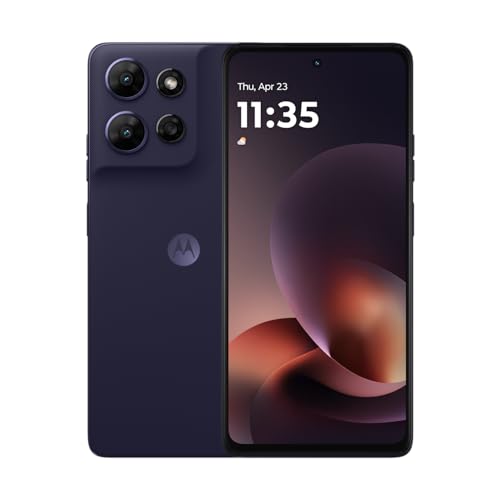
Spending under $500 does not mean giving up on good photos, but it does mean choosing your trade offs with care. The best camera phones under 500 dollars put most of their budget into the main camera, the display and the battery, and cut corners you may not miss. The comparison table below shows the choices in this range side by side.
Start with how you actually shoot. For family moments indoors, night mode and a wide aperture matter more than a long zoom. For travel scenes and video, you need a good ultrawide lens and steady stabilization.





Who Should Buy a Camera Phone Under $500?
Your shooting habits, not the spec sheet, should set your budget. Each group below can stop spending elsewhere.
Parents Capturing Family Moments Indoors
You shoot birthdays, school events and everyday moments in mixed indoor light, often with little warning. Prioritize a main camera that opens wide, locks focus fast and handles moving children without blur. Night mode matters to you more than a telephoto lens, and a simple point and shoot experience beats manual controls you will never open.
Travelers and Social Creators Shooting All Day
You shoot landscapes, street scenes and short video clips away from home, sometimes on one charge from morning to night. You need a useful ultrawide lens for tight spaces, steady video when you walk, and enough storage for clips you cannot offload until you return.
Flagship Owners Stepping Down Without Regret
You are used to flagship phones and want to spend less without a clear drop in photo quality. Focus on the top of this budget, where larger sensors, optical stabilization and longer software updates narrow the gap. Zoom range and wireless charging are where cheaper phones still trail.
What Each Price Band Buys You in a Camera Phone
Tier gaps here are real but uneven. A small step up can buy a much better main sensor, while the next step may only add polish. That is why the best camera phones under 500 dollars tend to cluster in the middle tier below.
About $200 to $300: Daylight Basics Done Well
Phones in this tier give you one capable main camera, a basic second lens of limited value, and a screen that may use LCD rather than OLED. Daylight photos can look sharp, but indoor shots soften sooner and night mode works more slowly. Choose this tier if you shoot mostly outdoors and would rather save money than chase low light detail.
About $300 to $400: The Value Zone for Most Shooters
This tier is where optical stabilization, larger main sensors and more reliable night mode become common, and where OLED screens with a 120 Hz refresh rate start to appear. Ultrawide lenses here are genuinely usable rather than decorative. For most buyers this is the sensible stopping point.
About $400 to $500: Near Flagship Cameras, Some Extras Missing
At the top of the budget you can expect the strongest main cameras in this range, better video stabilization and sometimes a short telephoto lens for portraits. Displays are brighter, builds may add IP68 water resistance, and update promises tend to run longer. You still give up long range zoom.
Key Features to Compare
Compare these five factors in order. The first two decide your photo quality, and the rest decide how pleasant the phone is to live with.
Main Camera Sensor, Aperture and Night Mode
The main camera does nearly all the work in this range, so judge it first. A larger sensor gathers more light, which means cleaner indoor shots and less noise after dark. A wide aperture, shown by a lower f number, helps in the same situations. Night mode combines several frames into one brighter image, and good versions keep faces natural instead of pale. If you shoot indoors often, spend here first.
Ultrawide, Telephoto and Realistic Zoom Expectations
Most phones under $500 offer an ultrawide lens, and far fewer offer a true telephoto lens. Ultrawide views suit landscapes, group shots and small rooms, but edges can look stretched, so keep faces near the center. Without a telephoto lens, zoom relies on cropping the main image, which holds up at about two times and falls apart soon after.
Video Quality and Stabilization
Video separates tiers quickly. Optical stabilization steadies the lens itself and gives smoother walking footage than electronic correction alone, which crops the frame and can wobble at the edges. Many phones here record 4K video on the main camera but limit the other cameras to lower resolutions. Check microphone quality too, because wind noise can ruin a sharp clip.
OLED Display, Refresh Rate and Outdoor Brightness
An OLED display shows deeper blacks and richer color than an LCD, which makes reviewing photos more accurate. A refresh rate of 90 Hz or 120 Hz makes scrolling feel smoother, though it does not change the photos themselves. Outdoor brightness matters most here, because a dim screen is hard to frame with on a sunny day. Compact phones are easier to hold for one handed shooting, but their smaller screens make editing less comfortable.
Battery Size, Charging Speed and Photo Storage
Camera use drains a battery faster than casual browsing, because the screen stays bright and the processor works hard on every shot. Most phones here carry about 4,500 to 5,000 mAh, and a full day of heavy shooting is realistic rather than guaranteed. Fast wired charging helps before a day out, while wireless charging is still uncommon here. Choose 256 GB if you shoot much video.
A Simple Checklist Before You Settle on a Tier
Work through this list before you order. Confirm the phone is sold unlocked if you may change carriers, and decide your storage size now, since most phones here have no card slot. Then see our guide to the best phone cameras under 500 if camera quality is your only priority, and our guide to the best android phones under 500 dollars for the wider Android field in this budget.
For a dedicated camera instead, see our guide to the best cameras under 500 dollars and our guide to the best video cameras under 500 dollars if video is the main job.
Extra Costs of Owning a Camera Phone Over the Years
The phone price is only part of what you will spend. A case and a screen protector are near essential for a device you raise and lower all day. Cloud storage for photo backup often becomes a monthly cost once free space runs out. Budget also for a replacement battery or repair if you keep the phone for four years or more.
Common Mistakes to Avoid
- Judging a camera by megapixel count alone makes you ignore sensor size, which decides low light quality.
- Paying extra for a weak macro lens wastes money that could have bought more storage.
- Choosing 128 GB for heavy video shooting fills the phone and forces rushed deletions on a trip.
- Buying a carrier locked phone at a discount can make switching networks later costly.
- Ignoring the update window leaves you with unpatched security flaws sooner.
- Skipping a case risks a cracked lens cover that costs far more to repair.
How to Keep Your Camera Phone Lasting Longer
Wipe the lens with a clean microfiber cloth before important shots, because pocket lint and skin oil soften photos more often than camera settings do. Keep the phone in a case with a raised edge around the camera area, and store it away from heat in a parked car, since heat ages the battery faster.
Back up your photos regularly so a lost phone does not mean lost memories. Delete duplicate bursts each month to keep free space for new video. Install updates promptly, because camera improvements and security fixes often arrive together.
Frequently Asked Questions
Can you get a good camera phone for under $500?
Yes, you can get a genuinely good camera phone for under $500, especially for daylight and indoor family photos. The honest limit is zoom, where pricier phones pull clearly ahead. A useful test is to shoot a dim room and a bright window in one frame, because that scene exposes weak dynamic range fast.
How much storage does a camera phone buyer under $500 need?
Most camera phone buyers under $500 should choose 256 GB if the price gap is about $50 or less. Photos alone rarely fill a phone, but a minute of 4K video can use several hundred megabytes. If you back up weekly and delete clips after editing, 128 GB can still work, though it leaves little room for offline media on trips.
How many years of software updates should a camera phone under $500 get?
A camera phone under $500 should get at least three years of major updates and four years of security updates. Longer support also matters for resale, because a phone with updates remaining sells more easily. Check the promise for the exact model rather than the brand, since near flagship models often get more years.
Should I buy an unlocked camera phone under $500?
Yes, buying unlocked is usually the safer choice for a camera phone under $500 unless a carrier offer is clearly cheaper overall. An unlocked phone lets you change networks, travel with a local SIM and sell to any buyer later. Before ordering, confirm the model supports the bands your carrier uses, because some versions lack a band that affects rural coverage.
Is a mid range camera phone under $500 good enough for everyday photos?
Yes, a mid range camera phone under $500 is good enough for everyday photos for most people, including prints at small sizes. It may struggle only when you crop distant subjects or shoot fast action in dim light. If your photos live on screens and in shared albums, the difference from pricier phones is hard to spot at normal viewing size.
The Bottom Line
Set your tier by your light, not by the longest spec list. Indoor shooters should fund the main sensor and night mode first, travelers should protect ultrawide quality, video and storage, and everyone should confirm the update window. Then use the product table above to compare finalists in your tier.
Chosen that way, the best camera phones under 500 dollars give you most of what pricey flagships offer for the photos most people actually take, and the savings can cover a case and photo backup.


