
Best 4K Video Cameras Under 500 in 2026: Types Compared and How to Choose
Disclosure: We may earn a commission when you buy through links on this page, at no extra cost to you. As an Amazon Associate I earn from qualifying purchases. Learn more

Types, sensors, autofocus and audio compared to help you choose the best 4k video cameras under 500.
The same 4K label covers tiny action models, compact models for creators and larger models with changeable lenses, which is why choosing feels confusing. The best 4k video cameras under 500 for you depend on what you film most, how much control you want and how much gear you will carry. Use the comparison table below to match each type to your subjects, rooms and budget.
This guide compares types rather than naming models. It explains where your money goes at this price, which corners makers cut and which costs sit outside the camera price, since a lens, a card and a microphone can change the real total.

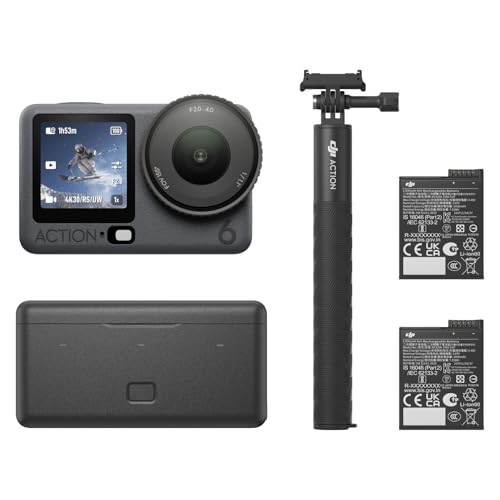

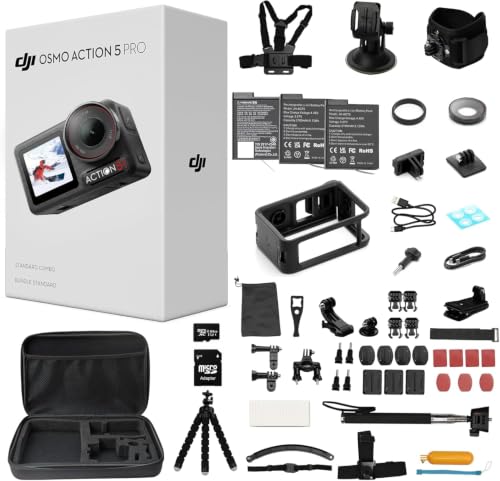


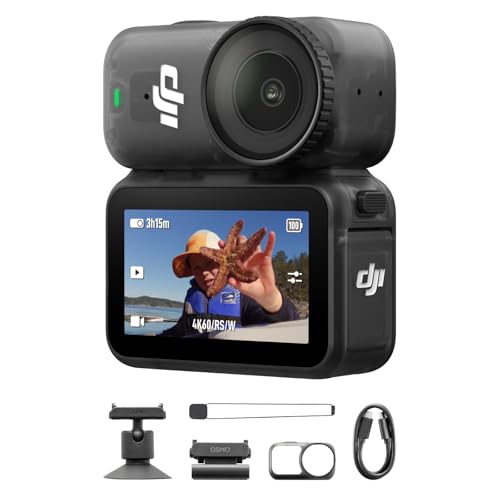

Types of 4K Video Cameras Compared
Start with body style, because style decides lens choice, handling and how you record sound. Each type below suits different rooms, trips and levels of patience.
Compact and Vlogging Cameras
A compact vlogging camera pairs a fixed lens with a sensor that is often the 1 inch type, so the kit fits in a jacket pocket and starts fast. Most give you a turning screen, face detection autofocus and built in microphones aimed at a speaker close to the lens. You cannot change the lens and zoom is modest, so you frame with your feet. Choose this type if you film yourself and travel light, at about $350 to $500.
Mirrorless Cameras for Planned Shoots
A mirrorless camera uses changeable lenses and, in this budget, usually an APS C sensor, which gives you more control over focus, framing and background blur. At under $500 you will mostly find older models, sale kits with a basic lens or used bodies, so check the lens cost before you celebrate a low body price. Choose this type for interviews, lessons and planned family events, where extra lenses reward growing skills.
Action Cameras for Movement and Water
An action camera is a small, tough box with a very wide fixed lens, strong electronic stabilization and a body built to shrug off rain, dust and shallow water. It records your view while biking, paddling or walking, and can serve as a second angle at home. Its tiny sensor is a weak point indoors, where faces can look soft in dim rooms. Choose this type for movement first, at about $200 to $400, which leaves money for mounts and cards.
Mirrorless Cameras vs Vlogging Cameras: Which Should You Choose?
For dim indoor light, the mirrorless camera usually wins, because its larger sensor and brighter changeable lens gather more light than a compact fixed lens. For solo framing, the vlogging camera usually wins, because its turning screen and simple controls let you check your position and restart in seconds. For walking footage, a compact is easier to hold steady without extra support.
Sound and total cost can settle the choice. A compact often records a clear voice at arm length with no extra gear, while a mirrorless setup may need a separate microphone to match it. Pick mirrorless only if you will use extra lenses, and compact if most of your filming is unplanned and done alone.
How to Choose the Right 4K Video Camera Under $500
When you compare the best 4k video cameras under 500, judge each model against the same five checks. If your priority is video first rather than stills, see our guide to the best cameras under 500 for video.
Sensor Size and Real 4K Detail
Sensor size shapes image quality more than the 4K label does. A larger sensor collects more light on each frame, so indoor footage stays cleaner and subjects stand out from the background. Many very cheap camcorders claim 4K while using a tiny sensor and software to enlarge the picture, which gives soft detail on a big screen. Check native sensor size and bitrate, and view sample footage at full screen size. Shoppers who also shoot still photos can see our guide to the best 4k cameras under 500.
Autofocus and Stabilization for Handheld Video
Good autofocus for video tracks a face smoothly as the person moves, without pulsing while it searches. Face and eye detection help most with people. Stabilization comes as lens based, sensor based or electronic, and electronic systems crop the frame and can warp edges near the corners. If you walk while filming, rank stabilization high. If you film from a tripod, reliable autofocus matters more than any stabilization mode.
Low Light Performance for Indoor Filming
Low light results depend on the sensor and the lens opening working together. A lens marked f/2.8 lets in more light than one marked f/4, so the camera can keep its sensitivity lower and the picture stays cleaner. Judge models by footage from a lamp lit room, not a bright store demo. Grain that dances on walls, smeared hair detail and slow autofocus are warning signs.
Video Features and Audio Connections
Most buyers at this price get 4K at 30 frames per second, which suits talking, travel and everyday events. Recording at 60 frames per second gives smoother motion and room to slow footage down, but files grow fast and some models overheat sooner in that mode. A microphone socket matters more than fancy color profiles, because clear speech holds attention. High bitrate 4K needs a card rated for sustained video writing, so count one in your budget.
One Strong Priority: What $500 Buys a Video Shooter
Set honest expectations before you shop. A new full frame camera is not realiztic at about $500, and neither is every socket and the fastest frame rates in one body. What is realiztic is one strong priority: a capable compact bought new, an action camera bought new with mounts, or an older mirrorless kit bought used or on sale. Keep about $50 to $100 aside for a card, a spare battery and a simple microphone or mount. For a shortlist built around the same budget in dollars, see our guide to the best video cameras under 500 dollars.
Best 4K Video Cameras under 500: Common Mistakes to Avoid
These errors waste more money at this price than any single missing feature.
- Buying for the 4K label without checking sensor size and bitrate leaves you with soft footage no better than good 1080p video.
- Spending about $500 on a mirrorless body alone leaves nothing for a lens, a card or a battery.
- Choosing a tiny sensor action camera as your only indoor camera gives you noisy, distorted looking room footage.
- Trusting digital zoom to reach distant subjects throws away detail exactly when the subject matters most.
- Ignoring the microphone socket means settling for thin, echoing speech that viewers tire of within minutes.
- Buying the cheapest memory card you can find causes recordings to stop during long 4K clips.
Care and Maintenance Tips for 4K Video Cameras
Clean the front lens element with a soft lens cloth, never your shirt, because shirt fabric can hold grit that scratches coatings. Keep lens caps on in your bag, blow dust off with a hand blower before you wipe, and never touch a mirrorless sensor with cloth or fingers. For dust spots that keep appearing on footage, use the camera cleaning mode and leave deeper cleaning to a service shop.
Store the camera in a dry, padded bag, and carry a spare battery on long days, because 4K recording drains power fast. Copy clips to a computer, then format the card in the camera, which keeps its file system in the form the camera expects.
Frequently Asked Questions
Can you get a good 4K video camera for under $500?
Yes, you can get a good 4K video camera for under $500 if you choose one clear priority and accept trade offs elsewhere. One useful route is a model from a prior range that dropped in price when a newer range arrived. Buy where returns are easy, and film your real subjects in the first week so you can return a poor fit in time.
Which type of 4K video camera under $500 is better for low light video?
A mirrorless camera with an APS C sensor is usually better for low light video than a compact or action camera in this budget. If you must use a smaller camera indoors, a small LED light panel placed close to your subject often improves the picture more than raising sensitivity does.
What specs matter most for beginners buying a 4K video camera under $500?
Reliable autofocus, a screen you can read outdoors and simple menus matter most for beginners, because they decide whether you capture the moment at all. Start in full automatic mode and change one setting at a time as you learn. Comfort in your hands matters too, because an awkward camera stays in its bag.
What does 4K at 30 frames per second mean for a video camera?
It means the camera records about four times the pixels of 1080p video and takes 30 separate pictures every second to build the motion. That rate looks natural for speech, lessons and travel scenes. For fast pans across a sports field it can look choppy, so use slower pans, or hold a fixed position and let the players move through the frame.
Is a smartphone enough instead of a 4K video camera under $500?
For casual clips, a good smartphone is often enough, and its video can beat a cheap camera with a tiny sensor. A dedicated camera earns its cost on long events, because phone calls, messages and full phone storage can interrupt a recording without warning. It also keeps your phone free for directions, tickets and calls on a trip.
Our Verdict
Choose by type first, then by sensor, autofocus and sound. A compact vlogging camera suits solo creators and travelers, an older mirrorless kit suits planned shoots and dim rooms, and an action camera suits movement, weather and water. Keep part of the budget for the card, battery and audio extras that make any of them pleasant to use.
Use the product table above to check type, price and key features side by side. When you judge best 4k video cameras under 500 by your main subject and your real total budget, the right type usually becomes obvious.


