
Best Calcium Tablets to Take: Which One Fits the Way You Use It for 2026
Disclosure: We may earn a commission when you buy through links on this page, at no extra cost to you. As an Amazon Associate I earn from qualifying purchases. Learn more

Match the best calcium tablets to take to your routine: form, dose, vitamin D, and timing around meals and medicines.
There is no single tablet that suits everyone, because your schedule, diet, stomach, and other medicines all change what works for you. The best calcium tablets to take for a busy traveler look very different from the right choice for someone who is home all day and can split doses with meals.
This guide sorts tablets by how you actually live, then walks through forms, doses, and tablet size. Use the comparison table below to check serving sizes side by side once you know which group sounds most like you.
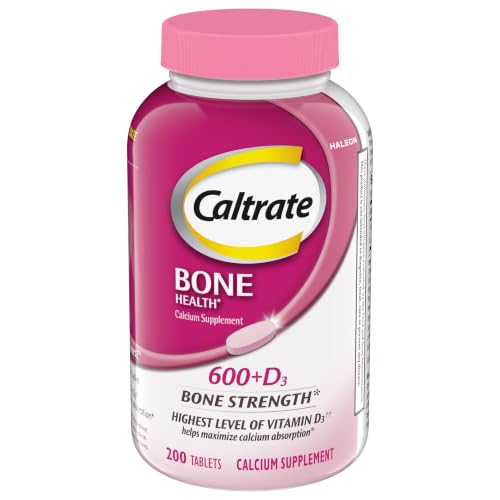


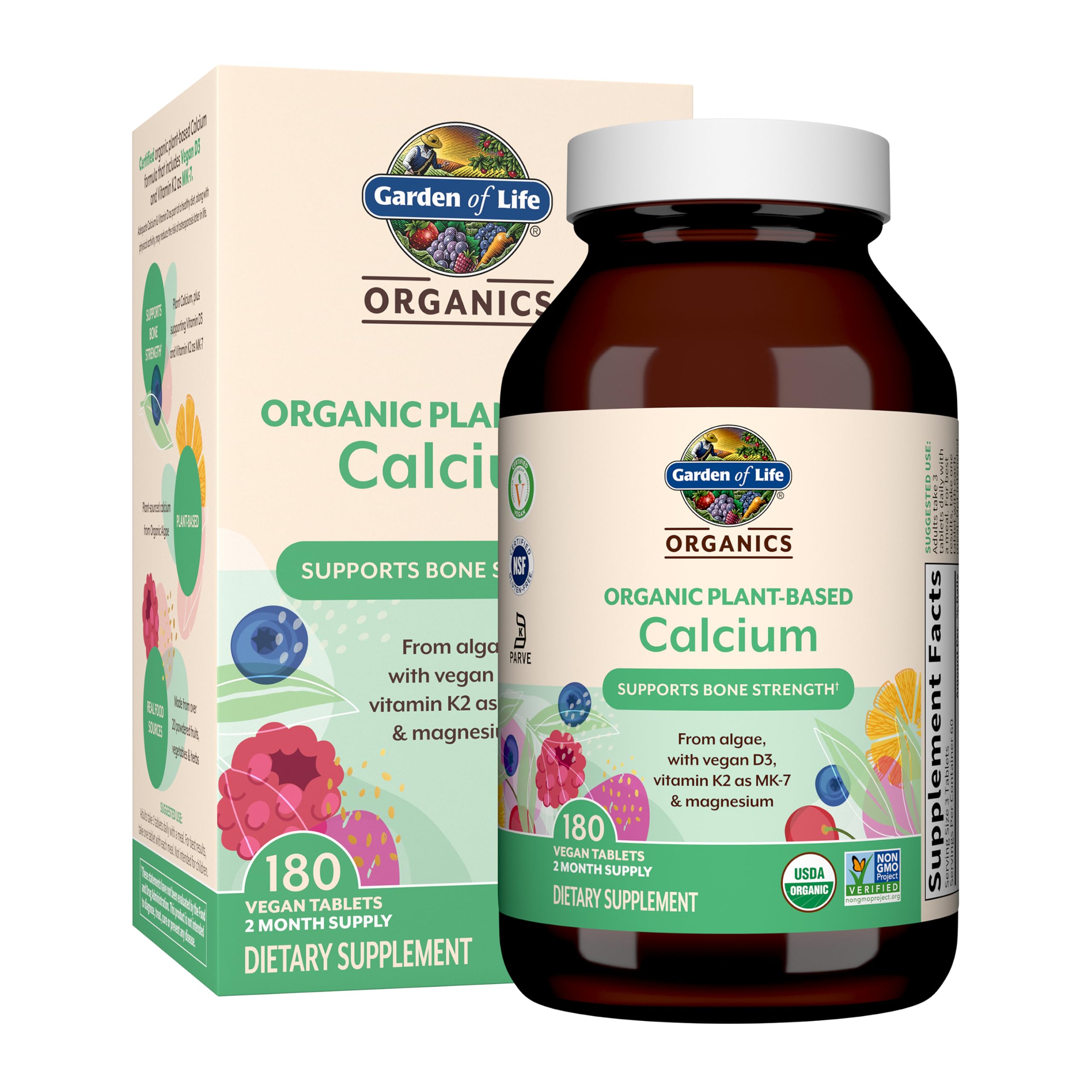

Who Should Buy Which Type of Calcium Tablet?
Start with your routine, not with the biggest number on the front of the bottle. A tablet you take consistently, at a time that fits your meals and medicines, will do more for you than a stronger tablet that sits forgotten in a cabinet.
For Travelers and Commuters
You need a format that survives a bag, a desk drawer, and a shifting schedule. Look for once daily dosing where possible, blister packs or a small sturdy bottle, and a form that does not demand a full meal. Calcium citrate is often easier here because it can be taken with or without food. Pack only what you need for the trip plus a small spare supply, and keep tablets in your carry on bag so a lost suitcase does not interrupt your routine.
For Active Adults Who Train Often
Hard training increases your overall nutrient needs, but it does not mean you need the highest dose on the shelf. Prioritize a tablet that pairs calcium with vitamin D, fits around meals and other supplements, and is third party tested for purity. Athletes who are subject to drug testing should look for sport focused certification. Spread larger amounts across the day, since your body absorbs calcium in smaller amounts more efficiently than in one large dose.
For Remote Workers and Desk Based Adults
Long hours indoors often mean low sun exposure, so vitamin D content matters more for you than for someone who works outside. Choose a combined tablet you can take with lunch, keep it where you eat rather than at your desk, and set a daily reminder at first. If you drink little milk and eat few leafy greens, check the elemental calcium per serving carefully. Our guide to the best time to take tablets can help you anchor the habit to a meal you never skip.
For Students and Everyday Users
Your priorities are simplicity, tolerability, and price per month. A standard carbonate tablet taken with food is often the lowest cost route if your stomach handles it well. Avoid paying extra for long lists of added herbs or trace minerals you did not set out to buy. Buy a bottle size you will finish within a few months, store it with your breakfast items, and build the habit around one steady cue.
Key Features to Compare
Labels can look similar while delivering very different amounts of usable calcium. The five points below tell you how to read a label in under a minute and spot the trade offs that matter.
Calcium Form: Carbonate or Citrate
Carbonate carries more elemental calcium per tablet, about 40 percent of its weight, so tablets can be smaller or fewer for the same dose. It needs stomach acid to break down, so take it with food, and some people find it causes gas or constipation. Citrate carries about 21 percent elemental calcium, so you may need more tablets, but it absorbs well without food and is often gentler. People who take acid reducing medicine often do better with citrate, a point worth raising with your clinician.
Elemental Calcium and Dose per Serving
Read the supplement facts panel for elemental calcium, not the total weight of the compound. Many adults aim to close a gap between what food provides and the general guidance of about 1,000 to 1,200 mg per day from all sources, as published by the National Institutes of Health. Absorption drops as single doses climb, so servings that split the amount into two intakes of about 500 mg or less usually make sense. More is not automatically better, and totals well above your needs raise the risk of side effects.
Vitamin D and Other Paired Nutrients
Vitamin D helps your body absorb calcium, so many tablets include it, most often as vitamin D3. Check the amount in international units and add up what you already get from a multivitamin or a separate vitamin D tablet to avoid stacking unknowingly. Some formulas add vitamin K or magnesium, which can be useful for some people and unnecessary for others. If you are comparing the broader category, see our guide to the best calcium tablets for how combined formulas differ from plain ones.
Tablet Size, Coating, and Format
Calcium tablets are notoriously large, and swallowing difficulty is a real reason people quit. Look for coated tablets, smaller mini tablets, or scored tablets that can be split, and read recent buyer comments about size with care. Chewables suit people who cannot swallow pills, but they often carry added sugars and fewer milligrams per piece. Powders and liquids exist too, though this guide focuses on tablets. Never crush a tablet unless the label or your pharmacist says it is safe for that product.
Testing, Allergens, and Added Ingredients
Dietary supplements are not approved by the Food and Drug Administration before sale in the way medicines are, so independent testing matters. Seals from USP, NSF, or ConsumerLab show that a product was checked for identity, strength, and common contaminants. Scan for allergens such as soy, dairy, or shellfish derived ingredients if they affect you, and watch for artificial colors and sweeteners you would rather avoid. A short ingredient list that you can read easily is usually a good sign.
Common Mistakes to Avoid When Buying Calcium Tablets
- Choosing by total tablet weight instead of elemental calcium per serving.
- Taking calcium at the same moment as iron or certain thyroid medicines, which can block absorption.
- Buying the highest dose available when your diet already covers most of your needs.
- Ignoring tablet size, then skipping doses because swallowing is unpleasant.
- Forgetting to count calcium from food, fortified drinks, and a multivitamin toward your daily total.
Timing deserves special care if you take iron as well. Reading about the best time to take iron and calcium tablets can help you space the two apart by at least two hours, which protects the absorption of both.
How to Get More From Your Calcium Tablets
Store tablets in a cool, dry place away from bathroom steam, and keep the lid closed so moisture does not soften them. Take carbonate with food and split larger daily amounts into morning and evening portions. Review your routine every few months, especially after any change in medicines, diet, or health status. If you are pregnant or planning pregnancy, needs and safe limits differ, so read guidance on the best time to take calcium tablets during pregnancy and discuss your own plan with your obstetrician before starting.
FAQs
When is the best time of day to take calcium tablets?
The best time is the time that fits your meals and medicines consistently. Carbonate works better with food, so breakfast or dinner suits it well, while citrate can be taken at any point in the day. If your daily amount is large, split it into two smaller doses. Keep calcium away from iron supplements and certain antibiotics, and ask your pharmacist to map out a schedule if your medicine list is long.
How long should you take calcium tablets for?
There is no fixed course length, because the need depends on your diet, age, and bone health over time. Many people take them for years under clinician guidance, with periodic reviews. A bone density scan or blood work may prompt a change. Tell your doctor if you develop kidney stones, ongoing constipation, or unusual thirst, since these can be warning signs that your intake or your health picture has changed.
Can you take calcium tablets on an empty stomach?
Yes, if the form is citrate, which does not rely heavily on stomach acid or food. Carbonate is a different story and should be taken with a meal to improve absorption and reduce stomach upset. If fasting doses cause nausea for you, move the tablet to your largest meal instead. Consistency matters more than a theoretically perfect time that you cannot maintain.
Do calcium tablets interfere with other medicines?
Yes, calcium can reduce the absorption of several medicines, including some thyroid treatments, certain antibiotics, and iron. The usual fix is spacing, often two to four hours apart, but the right gap depends on the specific drug. Bring your full supplement list to every appointment and pharmacy visit. Never adjust the timing of a prescribed medicine on your own without checking first.
Should you take calcium if you already eat dairy every day?
Not necessarily, because two or three servings of dairy plus other foods can already cover much of the daily target for many adults. Estimate your food intake honestly for a week before buying. If you are close to the general guidance, a smaller supplement dose, or none at all, may be the sensible answer. A dietitian can help you total your intake accurately.
Our Verdict
Match the form to your stomach, the dose to the real gap in your diet, and the schedule to your other medicines. Those three decisions matter more than brand or bottle size. Compare the shortlisted options in the product table above, and remember that the best calcium tablets to take are the ones your clinician agrees fit your health picture and that you will actually take every day. Talk with your clinician about your personal needs before starting any new supplement.


