
Best Calcium Tablets During Pregnancy: A Buying Guide for 2026
Disclosure: We may earn a commission when you buy through links on this page, at no extra cost to you. As an Amazon Associate I earn from qualifying purchases. Learn more

Compare the best calcium tablets during pregnancy by form, elemental dose, vitamin D, timing with iron, and tablet size, with a checklist to help you choose.
Your baby builds bones and teeth from the calcium you eat, so your intake matters throughout pregnancy. If your meals already cover most of your daily target, a tablet may only need to close a small gap, which is why the best calcium tablets during pregnancy for you depend on your diet, your prenatal vitamin, and any iron you take. The comparison table below lets you check form, dose, and tablet count side by side.
This guide walks through the label in plain language. You will learn how carbonate and citrate differ, why elemental calcium matters more than tablet weight, and how to space calcium around iron. Nothing here replaces your prenatal care.


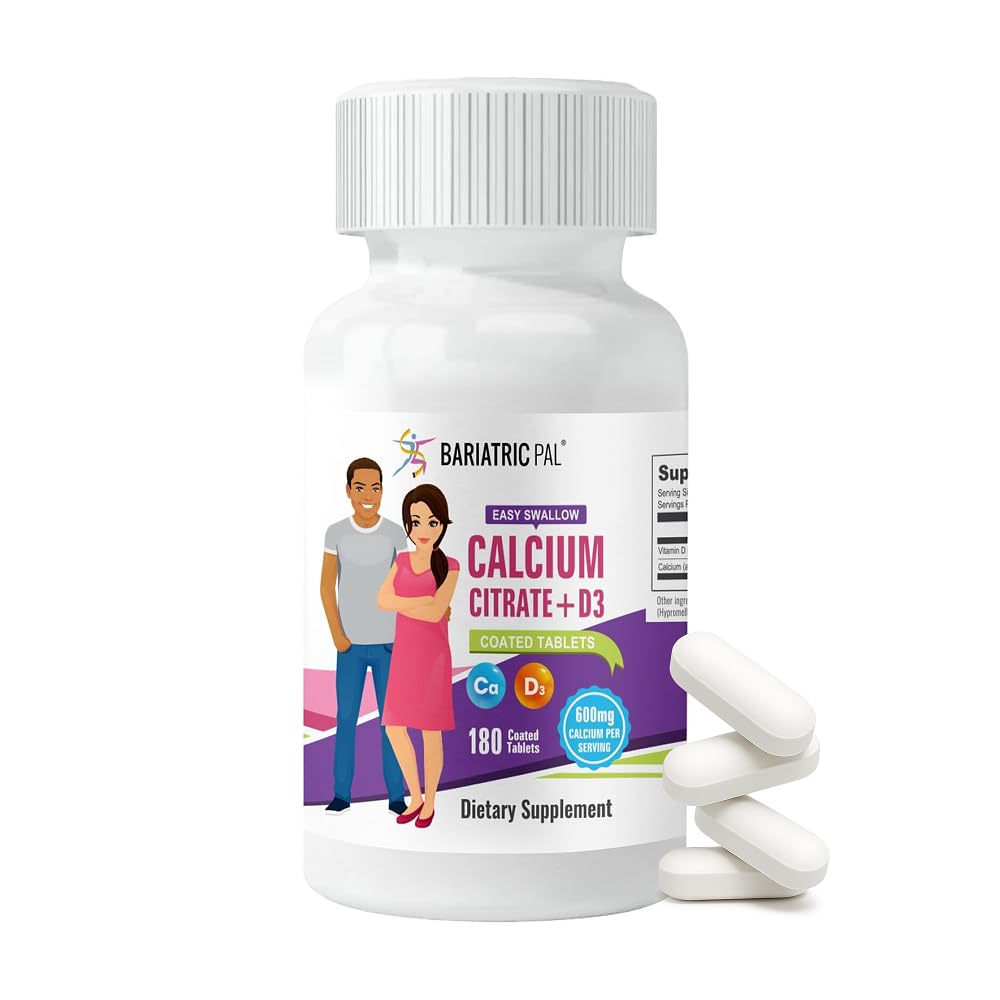

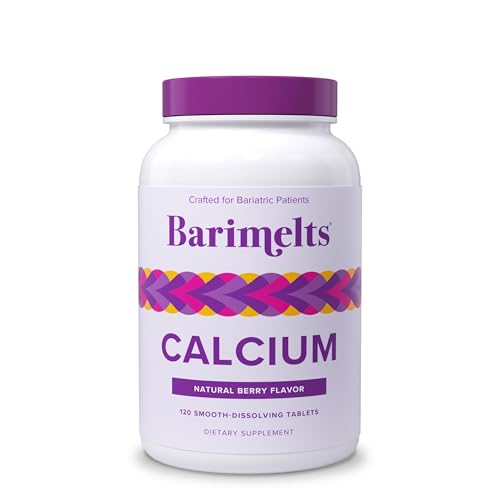
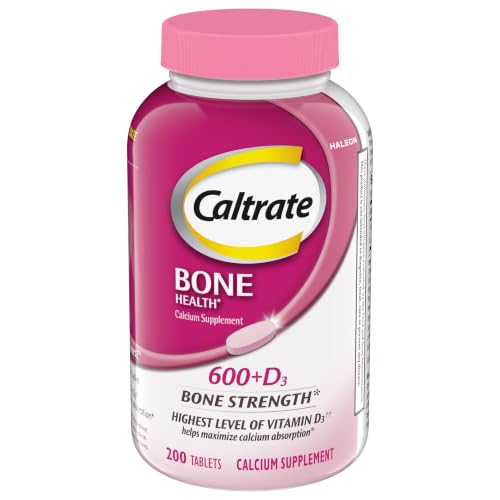
Who Should Buy Which Calcium Tablets During Pregnancy?
Pregnant Readers Who Eat Little Dairy
If milk, yogurt, and cheese rarely appear in your meals, your diet may leave a larger gap for a tablet to fill. Look for a serving that provides a meaningful share of your daily target without pushing your total too high once food is counted. A simple tablet with calcium and vitamin D usually suits you better than a crowded formula. Count a typical day of food first, then size the supplement to the shortfall rather than to the biggest number on the shelf.
Pregnant Readers With Low Stomach Acid
Some pregnant readers take acid reducing medicine for reflux, and others simply digest carbonate tablets poorly. If that sounds like you, citrate is often the easier form because it does not rely on stomach acid or a meal to break down. You can take it between meals, which helps if large breakfasts have become hard to face. If reflux is new or severe, raise it at your next prenatal visit instead of only changing supplements.
Pregnant Readers Who Also Take Iron
Many prenatal plans include iron, and calcium can block some iron absorption when the two are swallowed together. If your clinician has added iron for low stores, you need a tablet that fits a split schedule, such as citrate at lunch and iron at a separate time. Readers comparing combined products can see our guide to the best iron and calcium tablets during pregnancy for how those formulas balance both minerals.
Key Features to Compare
Choosing the best calcium tablets during pregnancy starts with five label checks, because form and dose decide whether a tablet fits your day, while size and testing decide whether you will keep taking it.
Calcium Form: Carbonate or Citrate
Carbonate holds the most elemental calcium per tablet, so you usually swallow fewer tablets, but it absorbs best with food and needs normal stomach acid. Citrate carries less calcium per tablet, so the daily count can be higher, yet it works with or without food and suits readers with low stomach acid. Pick carbonate if cost and tablet count matter most, and pick citrate if timing freedom or gentle digestion matters more.
Elemental Calcium Per Serving
Labels list the full compound weight and, separately, the elemental calcium, which is the amount your body can actually use. Judge every product by the elemental figure only. Most adults do not need a tablet that supplies the entire daily target, because food and a prenatal vitamin already contribute. Your body also absorbs calcium best in amounts of about 500 mg or less at one time, so a moderate serving taken twice often beats one large tablet.
Vitamin D on the Label
Vitamin D helps your body absorb calcium, so many tablets pair the two in one serving. Check whether your prenatal vitamin already includes vitamin D before you add more, because the combined total is what counts. More is not always better during pregnancy. Call your clinician promptly for severe abdominal pain, repeated vomiting, extreme thirst, confusion, or swelling of the lips or trouble breathing after a new product, and talk with your clinician about personal needs before raising any dose.
Dose Schedule and Tablet Size
A tablet only helps if you can take it every day for months, so size and schedule deserve real weight in your choice. Large carbonate tablets can be hard to swallow when nausea lingers, and some brands offer smaller or scored tablets to ease that problem. Count the true daily total, including any second serving, and picture it on your hardest day. A costlier product you take consistently beats a bargain you keep skipping.
Ingredients, Testing, and Tolerability
Short ingredient lists are easier to check against your other supplements and any allergies. Look for independent testing marks that verify identity and purity, and skip products with added herbs or high dose extras that your clinician has not reviewed. Note how your stomach responds during the first week, because gas and constipation are common complaints with calcium. If one form upsets your digestion, switching form is a reasonable next step to discuss at your next visit. For a broader shortlist, see our guide to the best calcium tablets for pregnancy.
Calcium Tablets Compared With Other Ways to Get Calcium
Food Sources as the Base
Food stays the base of your intake, because dairy, canned fish with soft bones, tofu set with calcium, and fortified drinks also bring protein and other nutrients a tablet cannot. Tablets work best as the gap filler on top of that base, keeping intake steadier on days when nausea limits meals.
Chewable Tablets, Gummies, and Liquids
Chewables and gummies help readers who cannot face swallowing a large tablet, though gummies often carry less calcium per piece and may add sugar. Liquids suit readers who struggle with any solid tablet. Compare elemental calcium per serving across formats, because a tiny dose may need many servings and cost more each month.
Tablets Versus Combined Prenatal Formulas
A prenatal vitamin usually contains only a modest amount of calcium, because calcium is bulky and would make one tablet enormous. A separate tablet lets you adjust the dose without changing the rest of your formula. Combined products save steps but fix the ratio between minerals, which is a drawback if your clinician wants iron and calcium kept apart.
Timing Calcium Around Iron and Meals
Schedule is part of the product choice, not an afterthought. Carbonate belongs with a meal, while citrate can sit between meals, so the form you pick shapes the clock. Keep calcium and iron about two hours apart when you can, because calcium taken at the same moment can lower the iron you absorb. Our guide to the best time to take calcium tablets during pregnancy lays out sample schedules.
If your clinician prescribed iron on an empty stomach in the morning, calcium can move to lunch or dinner without losing its value. Readers weighing separate iron products can see our guide to the best iron tablets during pregnancy alongside their calcium plan, so the two schedules are built together.
Common Mistakes to Avoid
- Judging a tablet by total weight instead of elemental calcium, which leaves you with far less calcium than expected.
- Taking calcium and iron at the same moment daily, which can cut the iron you absorb from that dose.
- Swallowing the whole daily amount at once, which lowers absorption and makes nausea or constipation more likely.
- Adding a high dose tablet on top of calcium rich meals and a prenatal vitamin, which can push your total too high.
- Choosing the largest tablet to save money, which backfires when you skip doses because swallowing it feels miserable.
- Ignoring herbs or extra vitamins in a formula, which can duplicate what your prenatal vitamin already provides.
Care and Maintenance: Storing Calcium Tablets Well
- Keep the bottle sealed in a cool, dry cupboard, because bathroom humidity can soften tablets and change how they break down.
- Leave tablets in the original labeled container, so the dose and expiry date stay with the product.
- Check the expiry date when you open a new bottle and set older bottles in front, so nothing sits past its date.
- Store bottles out of reach of young children, because flavored chewables can look like candy to a toddler.
- Write your daily schedule on a note near the bottle, so a change in dose from your clinician is easy to track.
FAQ
How much calcium do pregnant adults need each day?
Most pregnant adults aged 19 to 50 need about 1000 mg of calcium each day from food and supplements combined, while pregnant teens need about 1300 mg. The adult upper limit is about 2500 mg a day, so a supplement should fill only the gap your meals leave. Add up a normal day of eating before you shop, because many readers find the gap is smaller than the largest tablets suggest.
Can calcium tablets be taken at night during pregnancy?
Yes, calcium tablets can be taken at night during pregnancy, and an evening dose often fits well because it sits far from a morning iron dose. Carbonate still needs food, so pair a night dose with dinner or an evening snack rather than an empty stomach. If nighttime doses bring reflux for you, move that dose to lunch and note the change for your next visit.
Do calcium tablets cause constipation during pregnancy?
Calcium tablets can contribute to constipation during pregnancy, and carbonate is the form most often blamed. Drinking enough water, walking after meals, and choosing fiber rich foods alongside your dose can ease mild cases without changing products. Constipation paired with severe pain, vomiting, or blood in your stool needs prompt care, so contact your clinician rather than simply switching brands.
What should you do if you miss a calcium tablet dose during pregnancy?
If you miss a calcium tablet dose during pregnancy, take the next dose at the usual time and skip doubling up. One missed day barely changes your overall intake, because calcium status reflects weeks of habits, not a single tablet. If you miss doses often, tie the tablet to a fixed daily anchor, such as lunch, or set a phone reminder until the routine sticks.
Wrapping Up
Start with your food intake, then choose a form you can digest, an elemental dose that fills only your gap, and a schedule that keeps calcium away from iron. Those checks narrow the shelf quickly, and the product table above shows how options line up. Matched to your routine, the best calcium tablets during pregnancy become a calm, practical choice you can stick with until delivery.


