
Best Calcium Tablets for Thyroid Patients: A Buying Guide for 2026
Disclosure: We may earn a commission when you buy through links on this page, at no extra cost to you. As an Amazon Associate I earn from qualifying purchases. Learn more

Spacing matters: compare the best calcium tablets for thyroid patients by form, dose, and timing, and confirm your plan with your doctor.
Calcium and thyroid medicine do not mix well in the same hour, and that single fact shapes how people with thyroid conditions should shop. The best calcium tablets for thyroid patients are not defined by a special formula but by a form, a dose, and a schedule that keep calcium well away from thyroid medicine. This guide explains what to compare on the label and how to build a routine, and it is general information only. Your doctor or pharmacist should confirm the plan for your medicines.
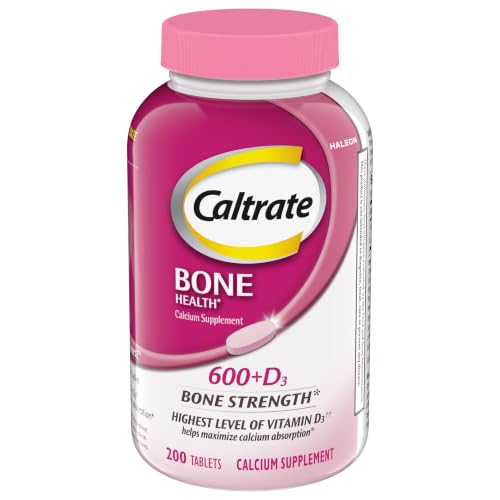
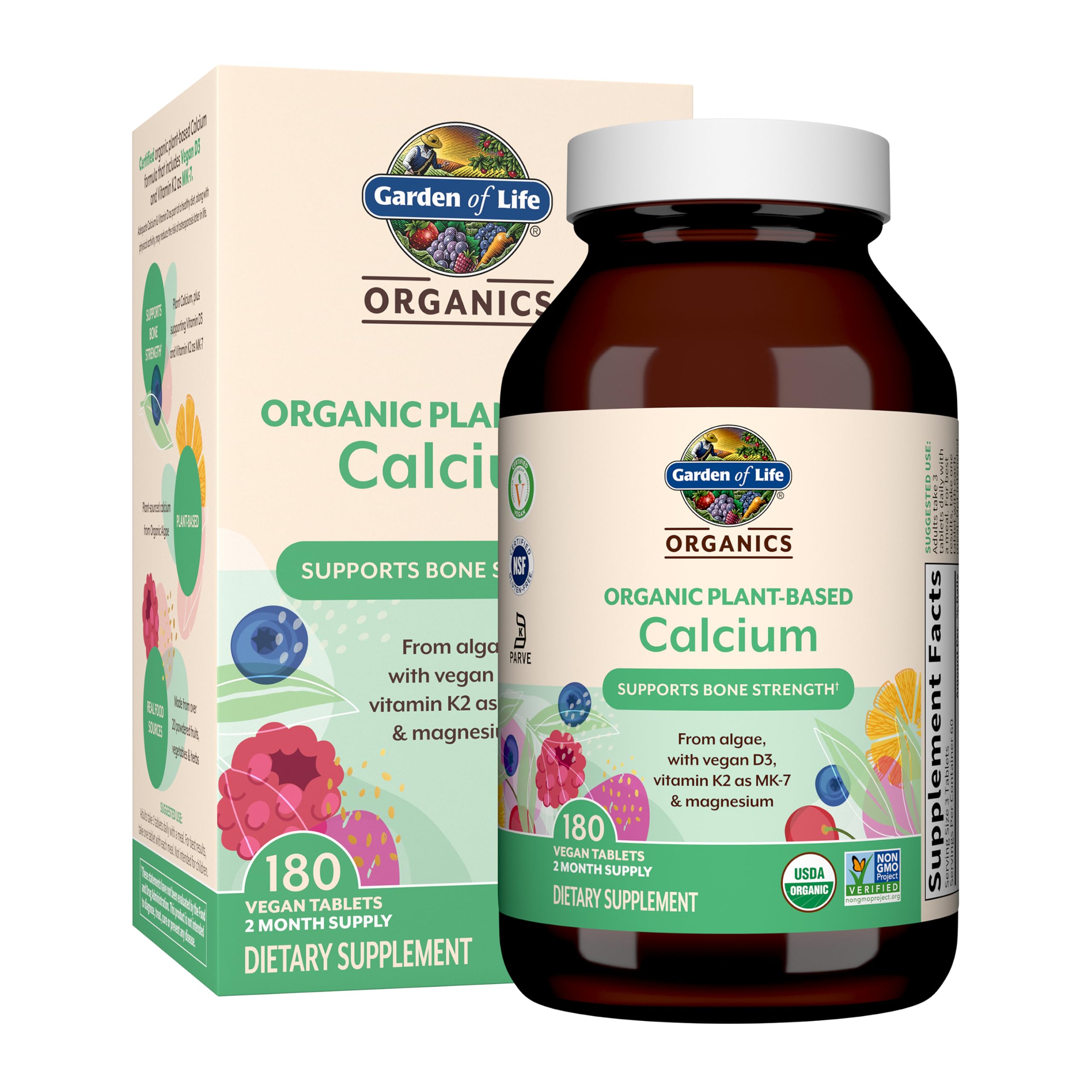
The product table above lists current calcium tablets you can compare against the checks below.







Why Timing Matters With Thyroid Medicine
Levothyroxine, the most common thyroid medicine, is absorbed in the gut, and calcium can bind to it there and reduce how much reaches the bloodstream. The usual advice is to separate the two by about four hours, though your prescriber may suggest a different gap for your medicine. Many people take thyroid medicine alone with water first thing in the morning and move calcium to lunch, dinner, or bedtime.
Consistency matters as much as the gap. If calcium sometimes lands near your thyroid dose and sometimes does not, your absorption varies from day to day, which can make blood test results harder to interpret. Tell your clinician when you start, stop, or change a calcium supplement so thyroid levels can be rechecked at the right time.
Who Might Need a Calcium Tablet
An underactive or overactive thyroid does not automatically mean you need extra calcium. A supplement makes sense when diet leaves a gap, for example little dairy, a dairy free diet, or reduced appetite. Long standing overactive thyroid can affect bone, and some thyroid treatments call for attention to bone health, so doctors sometimes recommend checking calcium and vitamin D intake. After thyroid surgery, some people are prescribed calcium and vitamin D for a time; in that case follow your surgeon or endocrinologist exactly, because the dose is part of treatment.
For everyone else, the general target for adults is about 1,000 to 1,200 mg of calcium a day from food and supplements together. Count your food first, then buy a tablet sized to the gap rather than the biggest bottle available.
Choosing the Best Calcium Tablets for Thyroid Patients: Form and Dose
Calcium carbonate is cheap and compact, but it needs food and stomach acid, so it is usually taken with a meal. That fits well with the thyroid schedule, because lunch or dinner is far from a morning thyroid dose. Calcium citrate absorbs with or without food and is gentler on the stomach, which helps if you also take acid reducing medicine. Both can work; pick the one that suits your meals and digestion.
Read the elemental calcium line on the supplement facts panel. Servings of about 500 mg or less absorb best, so a larger daily amount is better split into two doses, for example with lunch and dinner. Avoid products that bundle calcium with iron, since iron also interferes with thyroid medicine and needs its own spacing.
Other Ingredients to Check
- Vitamin D3: helpful for absorption; check the total from any multivitamin.
- Iron or magnesium: also bind thyroid medicine, so avoid combined formulas unless your clinician agrees.
- Biotin: some multivitamins add it, and it can distort certain thyroid blood tests, so tell your lab and doctor.
- Independent testing seals such as USP or NSF.
- Allergens such as soy, gluten, or milk, and added sugar in chewables.
Building a Simple Daily Routine
A workable pattern looks like this: thyroid medicine on waking with a full glass of water, breakfast at least thirty to sixty minutes later, calcium with lunch and dinner. If you prefer taking thyroid medicine at bedtime, calcium can go with breakfast instead, as long as the gap stays long. Write the schedule on a card or set phone reminders, and use a weekly pill organizer with separate morning and evening slots to keep the two apart.
Travel and shift work break routines, so decide in advance what you will do. If you take calcium too close to thyroid medicine by mistake, do not double the thyroid dose; simply return to the schedule the next day and mention it if it happens often.
Side Effects and Warning Signs
Constipation, gas, and bloating are the most common calcium side effects, and they often ease with split doses, citrate, more water, and more fiber. Contact your doctor if you develop severe stomach pain, ongoing nausea, unusual thirst, frequent urination, or confusion. Also report new thyroid symptoms such as unusual tiredness, a racing heartbeat, or sudden weight changes, since your dose may need review whatever the cause.
People with kidney stones, kidney disease, or high blood calcium should not start calcium without medical advice. Calcium also interacts with some antibiotics and bone medicines, so keep your pharmacist informed.
Questions to Bring to Your Appointment
Bring the bottles or clear photos of every label, including multivitamins, since hidden calcium, iron, and biotin are common. Ask which gap your prescriber wants between calcium and your thyroid medicine, whether your vitamin D level should be checked, and when your thyroid blood tests will be repeated after any change. If you have had thyroid surgery or radioactive iodine treatment, ask whether calcium is part of your treatment plan or only an optional extra.
Keep a short log for the first month: the time you took each medicine, any digestive effects, and how you felt. That record helps your clinician tell whether a symptom comes from the thyroid condition, the supplement routine, or something else. Review the routine again at each yearly checkup, because diet, age, and medicines change what you need.
Related Guides
For label basics that apply to everyone, see our guide to the best calcium tablets. If bone loss is your main concern, the best calcium tablets for osteoporosis guide covers how clinicians approach it.
Frequently Asked Questions
How far apart should calcium and thyroid medicine be?
About four hours is the common advice, but your prescriber knows your medicine and dose, so follow their instructions if they differ.
Can I take calcium and levothyroxine at the same time?
It is best not to. Calcium can reduce absorption of levothyroxine, so keep them apart and keep the pattern the same every day.
Which calcium form is better with thyroid medicine?
Neither form removes the timing issue. Carbonate with a meal and citrate at any time both work once they are separated from the thyroid dose.
Do thyroid patients need extra calcium?
Not automatically. Needs depend on diet, bone health, and any surgery or treatment, so ask your clinician whether a supplement is useful for you.
Should I tell my doctor before starting calcium?
Yes. A change in calcium can affect how well thyroid medicine is absorbed, and your doctor may want to recheck blood levels after a few weeks.
Final Thoughts
Choose a calcium form you tolerate, size the dose to your real dietary gap, and keep a fixed, long gap from thyroid medicine. Compare labels for elemental calcium, vitamin D, and testing marks against the product table above. The best calcium tablets for thyroid patients are the ones that fit this routine and your doctor's advice, so confirm the plan with your clinician before you begin.


