
Best Calcium Tablets for Old Age: A First Time Buyer's Guide for 2026
Disclosure: We may earn a commission when you buy through links on this page, at no extra cost to you. As an Amazon Associate I earn from qualifying purchases. Learn more

A first time buyer guide to the best calcium tablets for old age, covering forms, doses, timing, medicine conflicts, and label checks in plain English.
Buying a calcium supplement later in life can feel confusing, because labels list forms, doses, and extra nutrients that all sound important. This guide walks you from the basics to a confident choice, so you can compare the best calcium tablets for old age without guessing what the terms mean. You will learn how much elemental calcium a tablet really gives you, why the form matters for your stomach, and when timing changes how well it works.
Start with the comparison table below, then read the sections that match your questions. By the end, you will have a short checklist you can take to a pharmacy shelf or share with your clinician.


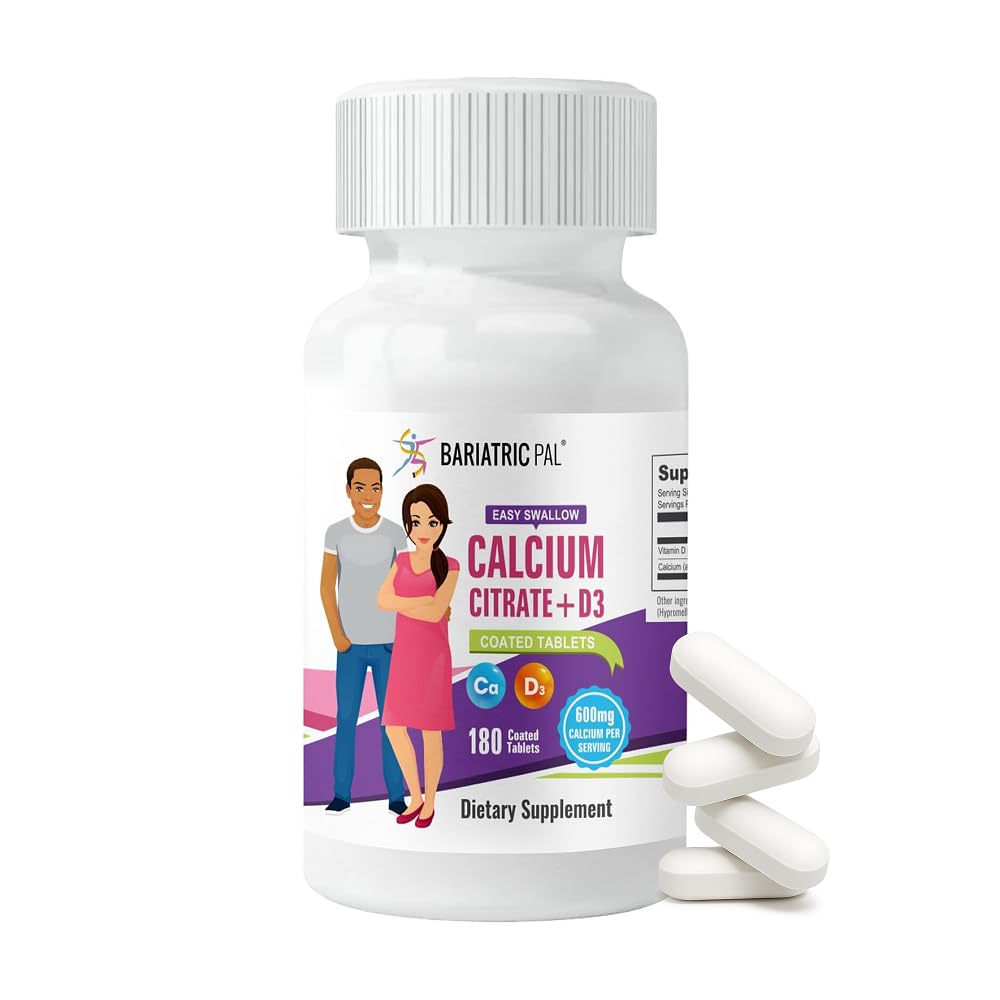


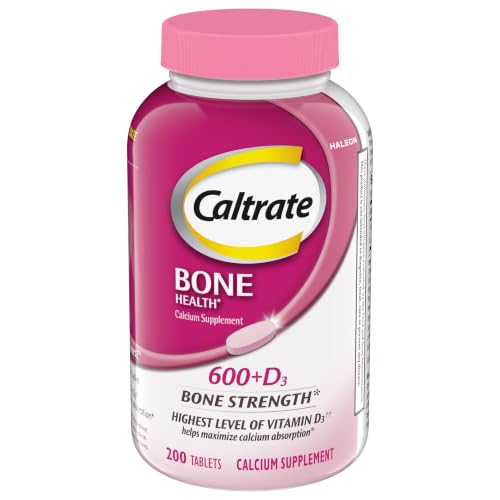
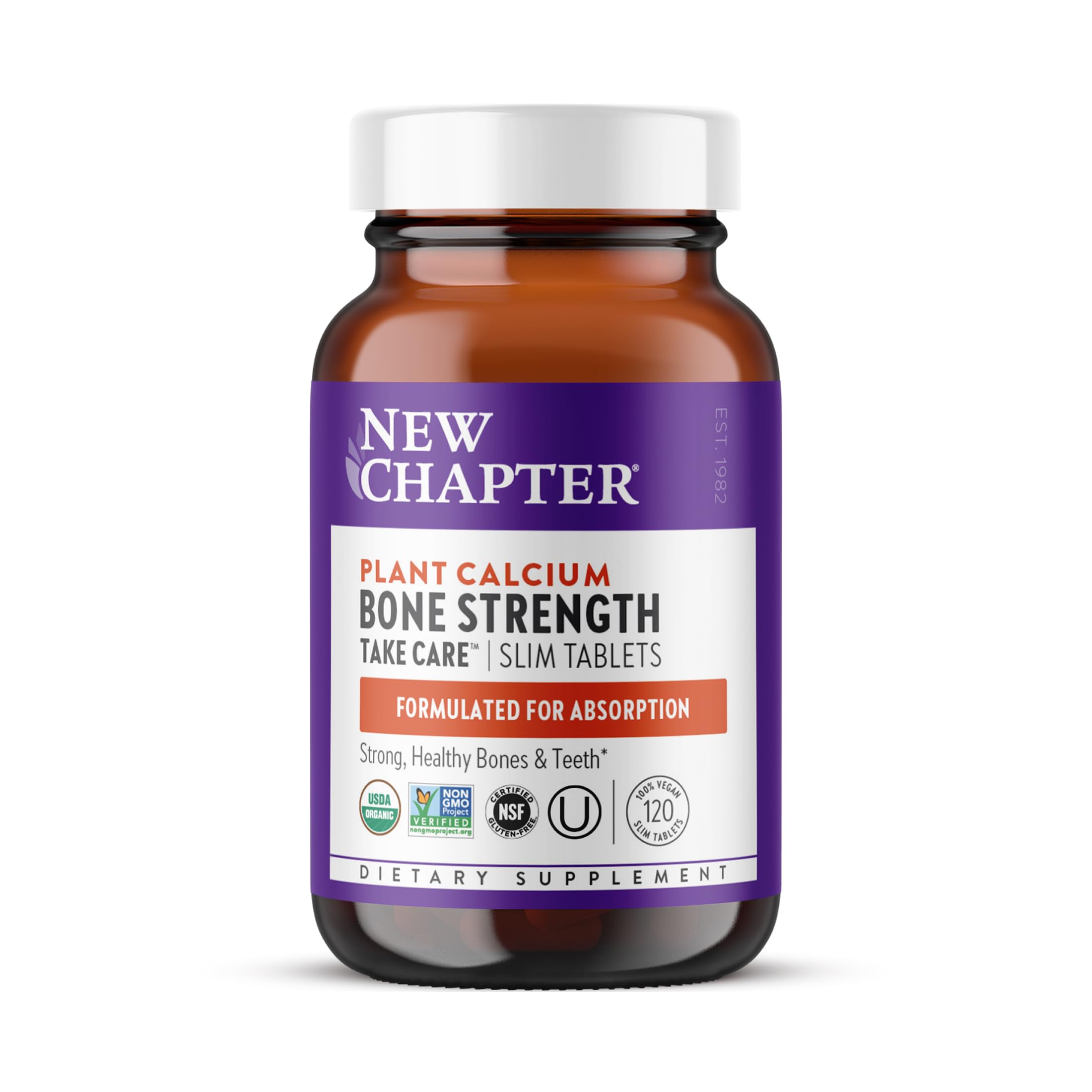
Calcium Tablets 101: The Basics
Calcium is a mineral your body uses to build and maintain bones and teeth, and it also supports normal muscle and nerve function. As you age, bone loss speeds up, stomach acid often drops, and your diet may supply less calcium than it once did. A calcium tablet is simply a measured dose of a calcium compound, made to help you close a gap between what you eat and what you need.
Two terms explain most labels. Elemental calcium is the actual amount of calcium your body can use, and it is always lower than the weight of the whole compound. Serving size tells you how many tablets give that amount, and some bottles need two or three tablets to reach the dose printed in large type. Always compare the elemental amount per serving, not the biggest number on the front of the bottle.
Most adults over 50 need about 1,000 to 1,200 mg of calcium a day from food and supplements combined, according to guidance from the National Institutes of Health. Food counts first, so a tablet should fill a gap, not replace meals rich in dairy, leafy greens, or fortified foods.
Key Specs Explained in Plain English
Features That Matter for Old Age
Older adults should look first at elemental calcium per tablet, because taking fewer tablets makes a routine easier to keep. A tablet that supplies about 200 to 300 mg per piece lets you split doses across the day, and your body absorbs calcium better in smaller amounts. Swallow size matters too, so check tablet dimensions or choose a chewable if large pills are hard to take. Finally, look for vitamin D on the label, since vitamin D helps your body absorb calcium, and many older adults get little sun exposure.
Calcium Carbonate and Calcium Citrate Compared
Carbonate is the most common form and packs the most elemental calcium per tablet, so bottles cost less and servings are smaller. It absorbs best with food and relies on stomach acid, which can be a problem if you take acid reducing medicine. Citrate carries less calcium per tablet, so you may take more pieces, but it absorbs well with or without food and is often gentler. If you use a proton pump inhibitor or often feel bloated after carbonate, citrate is usually the form to discuss with your pharmacist.
Timing, Food, and Other Medicines
Timing can change how much calcium you absorb and whether it blocks other medicines. Calcium can reduce the absorption of thyroid medicine, some antibiotics, and iron, so those doses are often spaced several hours apart. A simple routine helps: take carbonate with a meal, keep a written schedule on the fridge, and show your full medicine list to your pharmacist before you start. If you also read about the best multivitamin tablets for old age, check for overlap, because a multivitamin plus a calcium tablet can push your total higher than you planned.
Tablet, Chewable, and Liquid Forms
The best form is the one you will take consistently and safely. Standard tablets cost the least and store well, but they can be large and chalky. Chewables are easier for anyone who struggles to swallow, though many add sugar or extra calories. Liquids and powders suit people with swallowing problems and let you adjust the dose in small steps, but they need measuring and often refrigeration after opening. Gummies are pleasant yet usually low in calcium per piece, so you may need several, along with their added sugar.
Dose Per Tablet and Your Daily Total
Before you buy, add up a normal day of food. A cup of milk or fortified yogurt often gives about 300 mg, so two dairy servings plus a varied diet may leave a gap of only 300 to 600 mg. Aiming a supplement at that gap keeps your total near the recommended range and below the upper limit of about 2,000 mg a day for adults over 50. More is not better, because excess calcium can cause constipation and, over time, may raise the risk of kidney stones. Our broader guide to the best calcium tablets explains how to read serving sizes across different brands.
One more label check protects your wallet and your health. Look for a seal from an independent testing program, which means a sample of the product was checked for purity and for the amount of calcium the label claims. Supplements are not approved by the Food and Drug Administration before sale the way prescription drugs are, so that outside testing is your best evidence that the bottle matches its label. Also note the expiry date and store the bottle in a cool, dry place away from bathroom steam.
Rookie Mistakes to Avoid
- Reading the compound weight instead of elemental calcium. A 1,000 mg carbonate tablet may supply only about 400 mg of usable calcium.
- Taking the whole dose at once. Splitting calcium into amounts of about 500 mg or less helps absorption and is easier on your stomach.
- Ignoring medicine conflicts. Calcium taken at the same moment as thyroid or antibiotic medicine can lower how well those drugs work.
- Doubling up without noticing. Multivitamins, fortified drinks, and antacids may already add calcium to your day.
- Skipping vitamin D. Without enough vitamin D, much of the calcium you swallow does less for your bones.
Getting Started: Your First Weeks on a Calcium Tablet
Start by confirming the plan with your doctor or pharmacist, especially if you have kidney disease, a history of kidney stones, or take several prescription medicines. Begin with one dose a day for the first week so you can notice constipation, bloating, or nausea early. Drink a full glass of water with each tablet unless your clinician has limited your fluids.
Keep the bottle where your routine happens, such as beside your breakfast dishes, and mark doses on a simple paper calendar. If stomach trouble appears, try taking the tablet with a larger meal or ask about switching forms. After a month, review your diet honestly, because stronger eating habits may let you lower the dose.
FAQs
What features matter most in calcium tablets for old age?
Elemental calcium per tablet matters most, followed by a form your stomach tolerates and a size you can swallow safely. Look for about 200 to 300 mg per tablet so doses stay flexible. Vitamin D on the label is a useful bonus, and clear serving information helps you avoid taking more than you need each day.
How much calcium do older adults need each day?
Most adults over 50 need about 1,000 to 1,200 mg a day in total, and women over 50 are usually advised toward the higher figure. That total includes food, drinks, and supplements together. Count your normal meals first, then use a tablet only for the gap, and confirm your personal target with your clinician.
Should calcium tablets be taken with food?
Calcium carbonate should be taken with food, because stomach acid released during meals helps it dissolve and absorb. Calcium citrate works with or without food, which suits people who eat lightly or take acid reducing medicine. Whichever form you choose, keep the timing consistent so the habit sticks and conflicts with other medicines stay easy to manage.
Can calcium tablets interfere with prescription medicines?
Yes, calcium can interfere with thyroid medicine, certain antibiotics, iron, and some blood pressure drugs by reducing how much of them you absorb. Spacing doses by at least two to four hours often helps, but the right gap depends on the drug. Bring your medicine list to your pharmacist and ask for a written timing plan before starting.
How long should you take a calcium tablet?
There is no fixed end date, because the right length depends on your diet, bone density, and overall health. Many people take calcium for years with periodic reviews at routine checkups. Ask your doctor to reassess the dose whenever your eating habits, medicines, or kidney health change, and stop and seek advice if you develop ongoing nausea, confusion, or unusual thirst.
Wrapping Up
Choosing well comes down to three checks: the elemental calcium per tablet, a form your stomach and medicines allow, and a daily total that fills your diet gap without going far past it. If bone loss is your main concern, read our guide to the best calcium tablets for osteoporosis next, and women comparing labels may also find the best calcium tablets for ladies guide useful. Compare your shortlist with the product table above, then confirm the final choice of best calcium tablets for old age with your clinician, who knows your personal health needs.


